

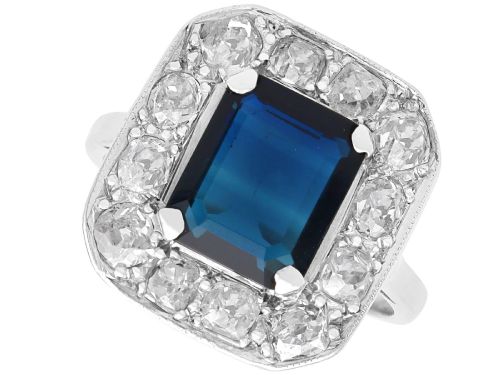
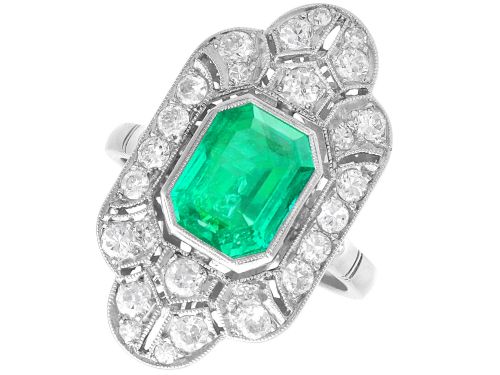
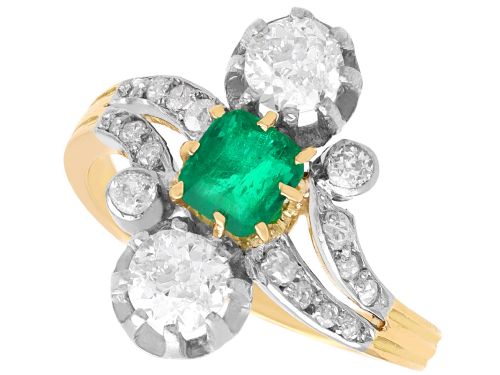
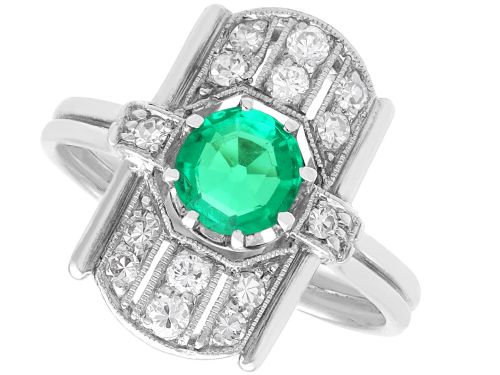
Emerald Cluster Jewellery
Emerald cluster jewellery centres on a central green stone surrounded by diamonds or smaller gems, offering enduring brilliance across Georgian, Victorian, Edwardian, and Art Deco designs.
Emerald Cluster Jewellery
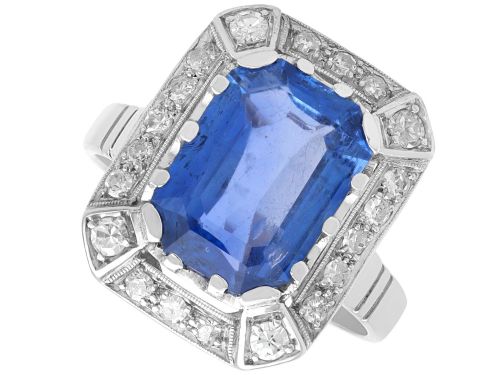
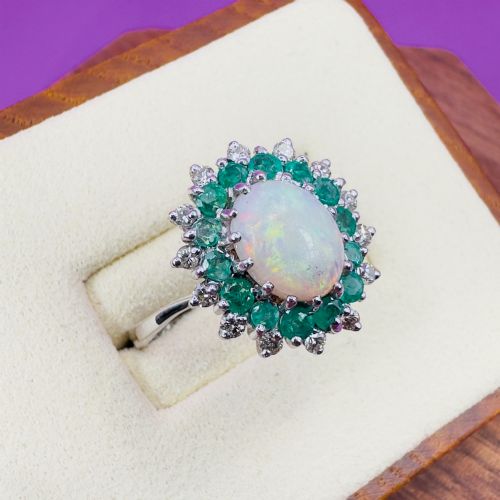
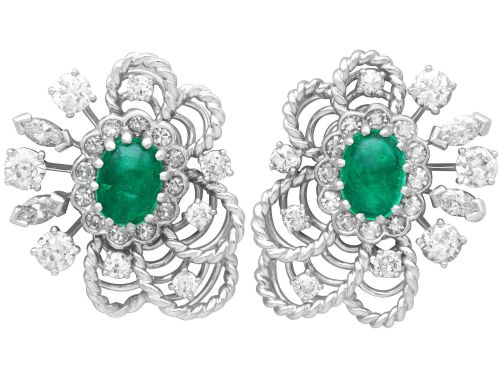
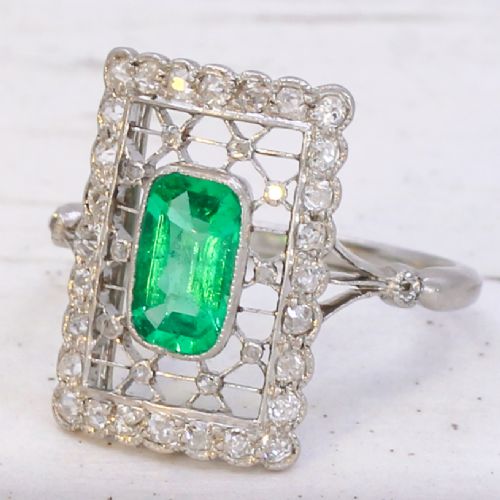
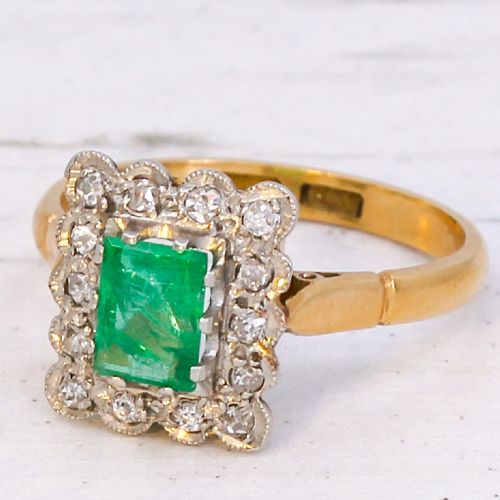
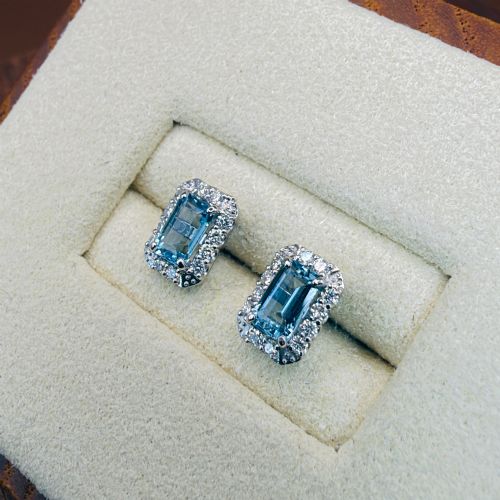
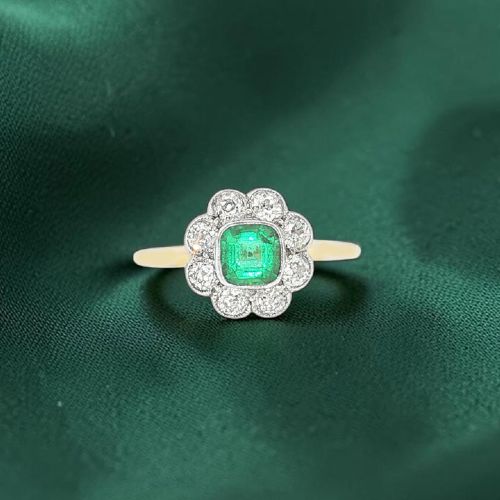
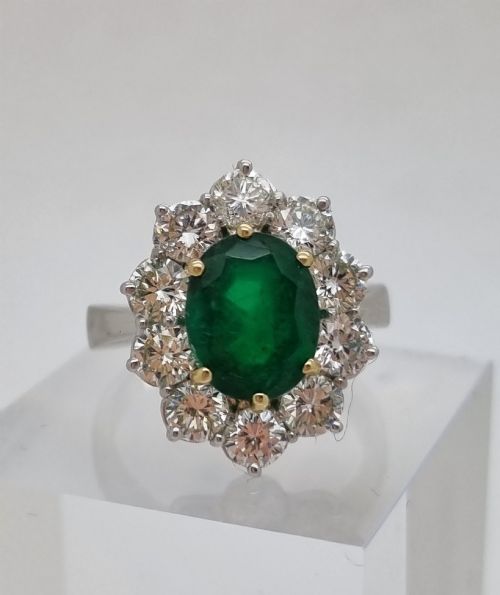
Emerald cluster jewellery encompasses rings, earrings, brooches, and pendants where a central emerald takes pride of place. These pieces range from intimate Georgian paste adaptations to bold Art Deco cocktail designs and mid-century dress rings.
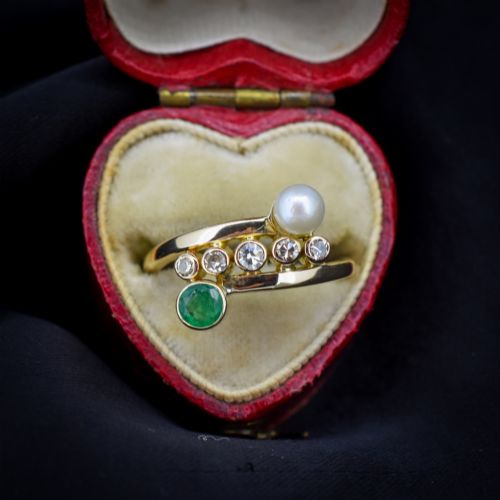
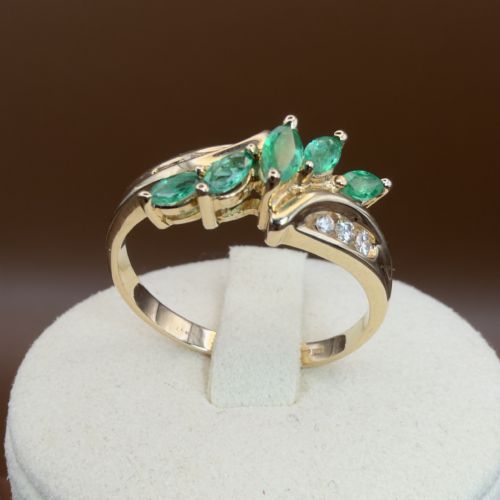
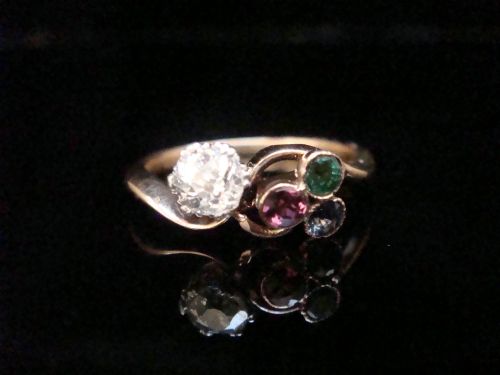
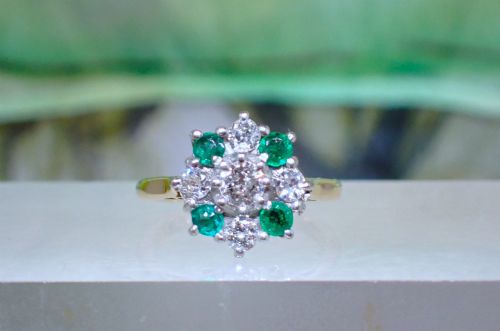
Buyers encountering this search phrase frequently discover classic target or floral clusters, alongside twist rings and double clusters. The stones are set in platinum, yellow gold, white gold, or silver, depending on the period of origin.
Victorian and Edwardian iterations often lean towards delicate proportions and intricate goldwork. Mid-century and later twentieth-century examples introduce cleaner lines, platinum mountings, and varied stone cuts.
Materials and construction methods
The combination of emeralds and diamonds defines the majority of these pieces, mounted in precious metals such as platinum, 18ct yellow gold, 18ct white gold, and occasionally silver. Older pieces, including Georgian examples, may utilise silver-topped gold or low-carat gold alongside paste stones.
Goldsmiths and platinum-smiths employed claw settings, bezel settings, and pavé arrangements to secure the central emerald and its surrounding diamonds. Shank construction varies from simple tapered bands to adjustable shanks and intricate bypass twists.
Emerald Cluster Jewellery Retail Price Guide 2026
Typical asking prices for emerald cluster jewellery among the pieces listed under this phrase on Sellingantiques today, from the lower quarter to the upper quarter. They describe what is for sale here now, not the wider market.
Factors determining the standard of pieces
The quality of emerald cluster jewellery rests primarily upon the provenance and clarity of the central emerald, particularly those originating from Colombia. Stones with negligible or minor oil treatments command greater attention from collectors.
The cut, colour match, and absence of inclusions in the surrounding diamond entourage heavily influence the overall harmony of a piece. Furthermore, the precision of the metalwork, whether hand-forged platinum or detailed gold casting, dictates the longevity and refinement of the setting.
The Emerald Cluster Jewellery Glossary
- Cluster ring
- A ring design featuring a prominent central gemstone encircled by a border of smaller stones, typically diamonds.
- Colombian emerald
- An emerald originating from the mines of Colombia, historically prized for a vivid saturation of green colour.
- Old cut diamond
- A diamond cut by hand before the advent of modern machinery, characterised by a high crown, small table, and deep pavilion.
- Paste
- Hand-cut lead glass used in historic jewellery to imitate gemstones such as emeralds, rubies, or diamonds.
- Bypass ring
- A ring style where the shank ends pass by each other rather than meeting directly beneath the central stone.
Emerald Cluster Jewellery: Frequently Asked Questions
What periods do these pieces span?
Emerald cluster jewellery spans from the Georgian era through Victorian, Edwardian, and Art Deco periods, extending into mid-century and later twentieth-century designs.
Each period brings distinct metal choices and stone-cutting techniques, allowing buyers to trace stylistic evolution through the centuries.
How should I wear an emerald ring?
Emeralds measure softer than diamonds on the Mohs scale, requiring mindful wear during daily activities to avoid impact damage.
Many collectors reserve these rings for evening wear or special occasions, pairing them with matching cluster earrings or brooches.
What metals are used in these settings?
Makers utilised platinum, 18ct yellow gold, 18ct white gold, 14ct gold, and silver depending on the decade of manufacture.
Platinum gained widespread favour during the Edwardian and Art Deco periods for its strength and bright white finish.
Are all emeralds treated?
Many emeralds undergo traditional oil treatments to fill minute surface-reaching fractures and enhance clarity.
Certain pieces feature stones accompanied by certification noting negligible or minor oil enhancement, which is valued by collectors.