



Embroidered Wall Textile
An embroidered wall textile brings centuries of needlework, silk threads and tribal artistry directly into a room.
Embroidered Wall Textile
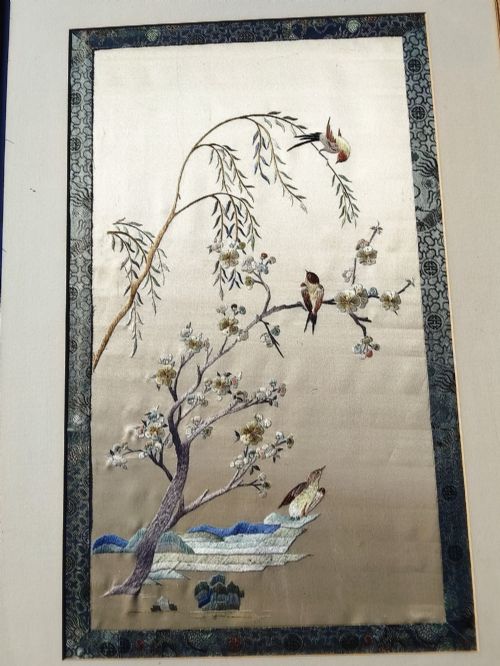
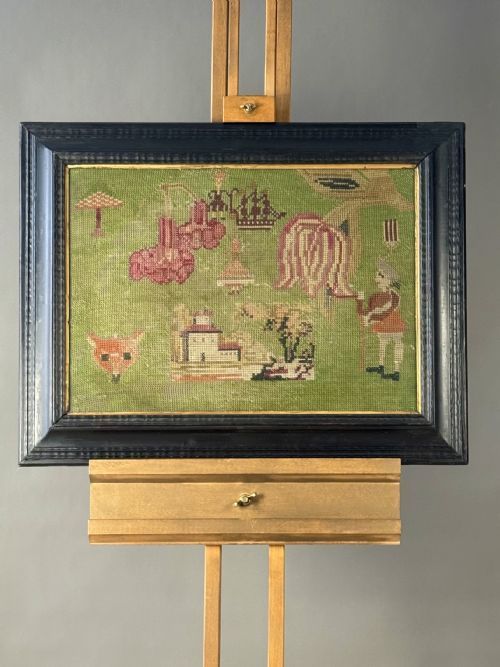
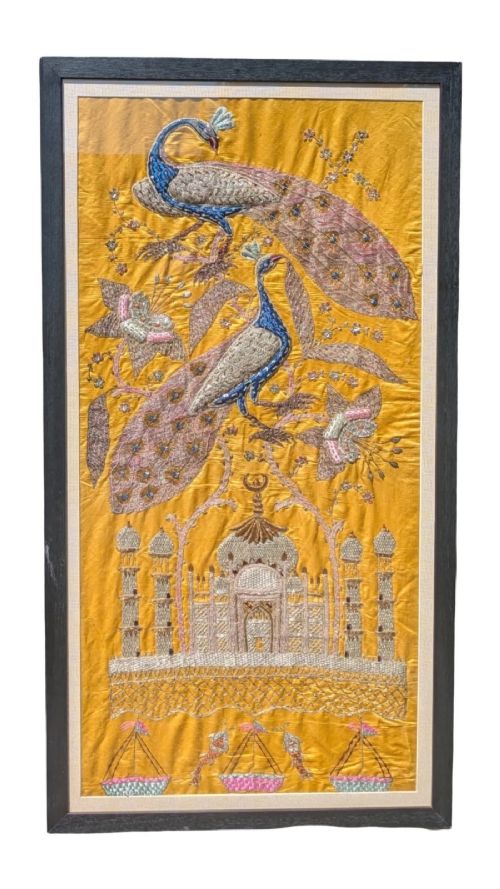
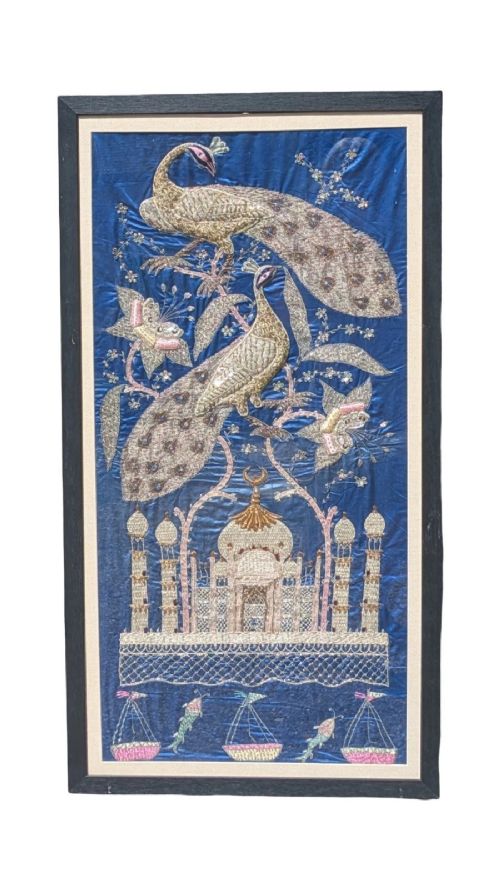
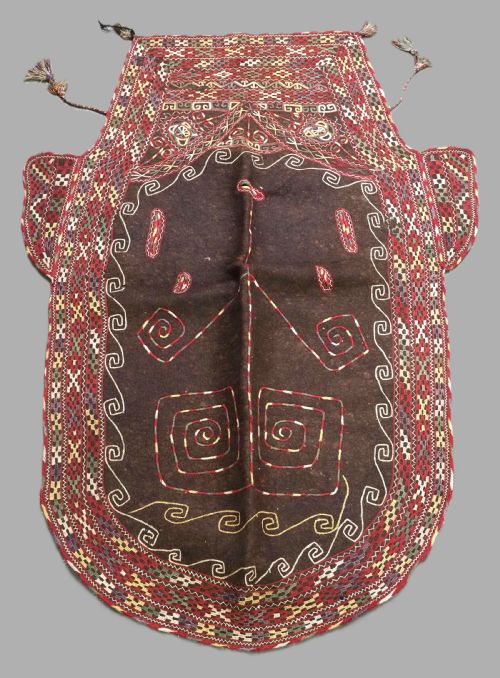
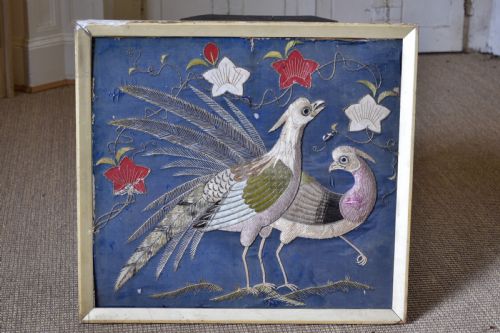
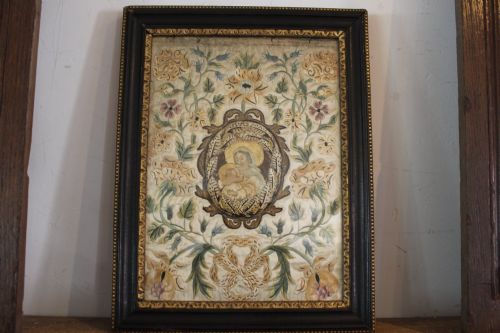
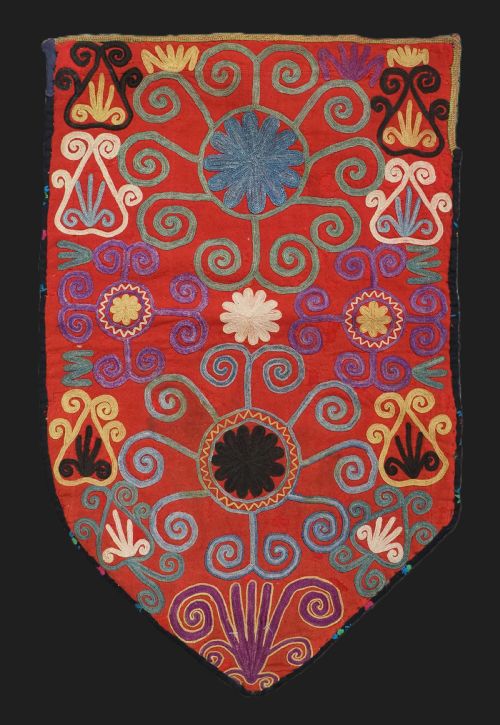
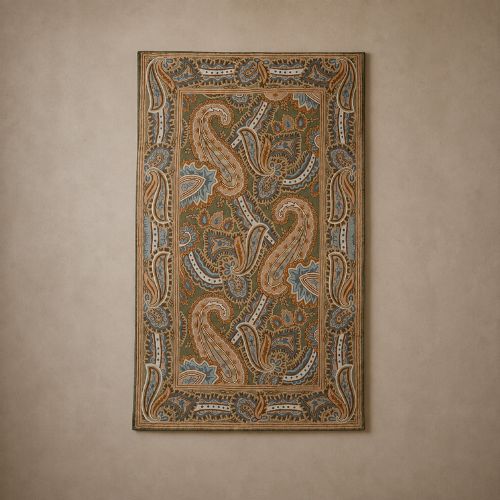
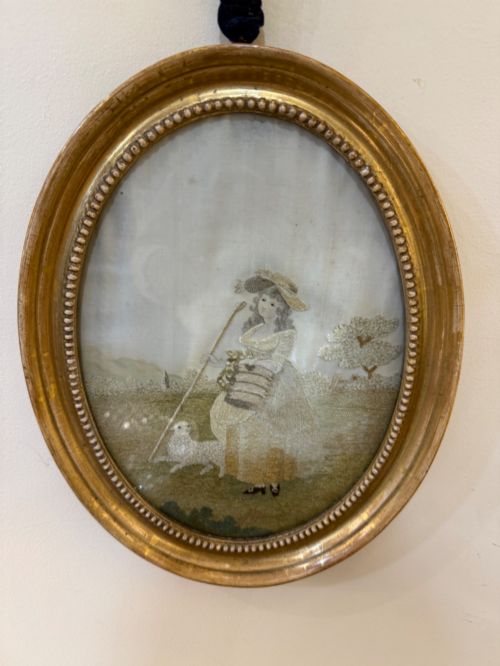
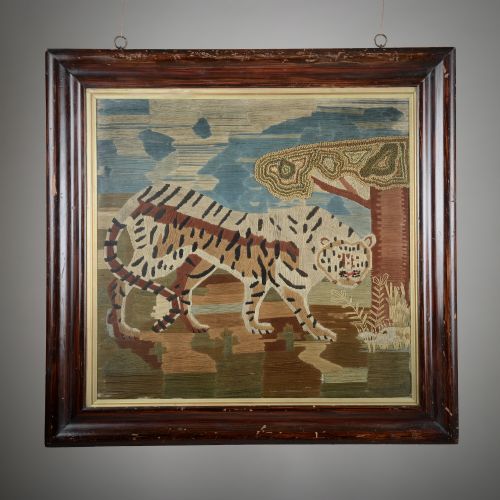
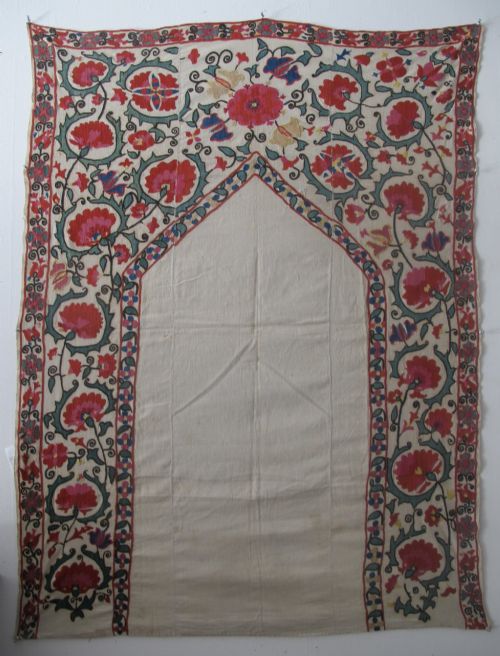
An embroidered wall textile covers a broad spectrum of historical needlework, ranging from framed European silk pictures and samplers to large Central Asian tribal hangings. When searching for an embroidered wall textile, a buyer encounters diverse regional traditions, spanning English crewelwork panels, Chinese rank badges, and Uzbek suzanis.
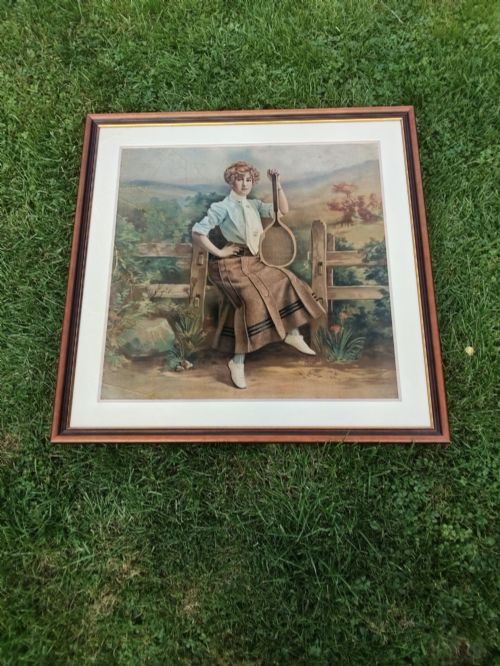
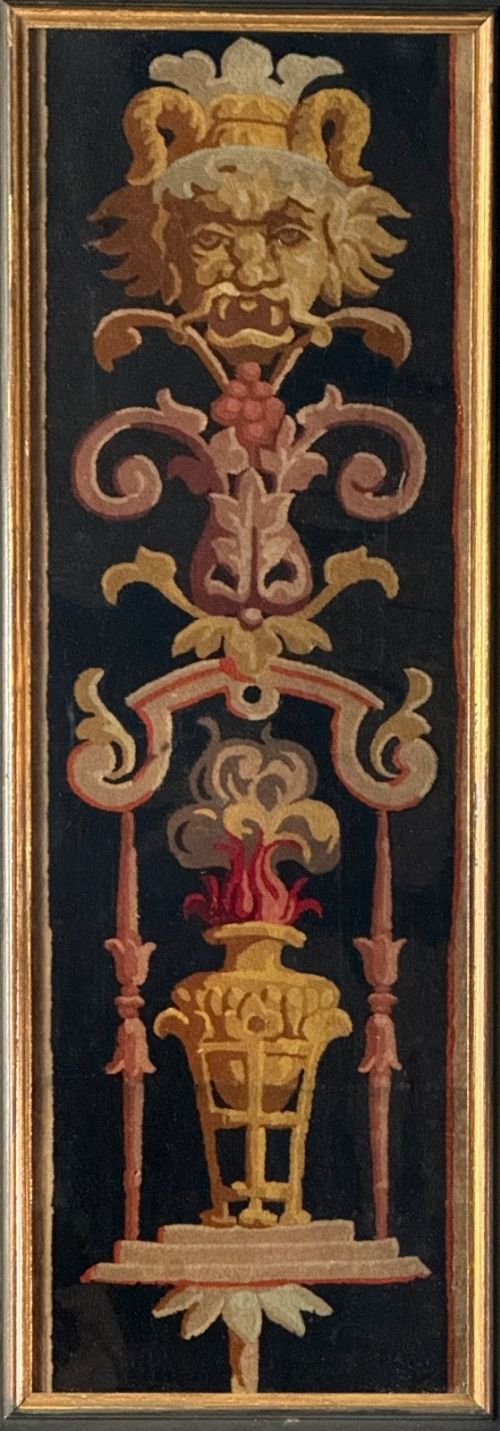
The selections on this page lean heavily toward framed antique panels, dowry embroideries, and tribal wall art originating from Britain, continental Europe, China, and Central Asia. These objects function primarily as visual art for interior spaces, often preserved behind glass or mounted on textiles for display.
Materials and Techniques
Makers utilised natural substrates such as linen, cotton, wool, felt, and silk as foundations for complex needlework. Silk floss and metallic threads frequently provide the lustrous surface details seen in regional panels and pictorial compositions.
Embroidered Wall Textile Retail Price Guide 2026
Typical asking prices for embroidered wall textile among the pieces listed under this phrase on Sellingantiques today, from the lower quarter to the upper quarter. They describe what is for sale here now, not the wider market.
Listings feature works created from silk, wool, cotton, linen, felt, and metallic thread across periods from the 17th century to the 1930s.
Assessing Quality
The execution of the needlework itself dictates the primary tier of quality, seen in the density of the stitching, the precision of the design, and the complexity of the motifs. Finer pieces demonstrate careful control of tension and shading across silk floss or wool yarns.
The condition of the textile and the integrity of its mounting also influence the standard of the piece. Intact original framing, minimal loss of historic thread, and stable ground fabrics separate superior survivals from heavily worn examples.
The Embroidered Wall Textile Glossary
- Suzani
- An embroidered tribal textile from Central Asia, typically worked in silk on a cotton or linen ground with bold floral and architectural motifs.
- Crewelwork
- Embroidery executed with wool yarn on a heavy linen or cotton twill fabric, frequently seen in large historical English wall panels.
- Rank badge
- A square embroidered panel worn by officials in dynastic China to signify social status, later adapted for decorative framing.
- Sampler
- A piece of needlework produced to demonstrate a maker's proficiency in various stitches, alphabets, or pictorial designs.
Embroidered Wall Textile: Frequently Asked Questions
How do I hang a textile?
Heavier pieces like suzanis or felt rugs often utilise a sleeve or custom backing attached to a wall-mounted rod. Framed embroideries simply require standard picture hooks suited to the weight of the timber and glass.
Direct exposure to strong sunlight should be avoided to prevent the fading of historic silk and wool threads over time.
Are these pieces framed?
Many examples on this page are sold framed and glazed to protect delicate silk and metallic threads from dust and handling. Unframed textiles such as larger wall hangings or horse blankets are displayed directly on walls using non-invasive mounting methods.
Framing styles range from antique timber mouldings to faux tortoiseshell borders chosen to complement the period of the work.
How old are these embroideries?
The inventory spans several centuries, including 17th-century English crewelwork, Georgian samplers, and numerous Central Asian tribal pieces dating around 1900. Each listing indicates the specific estimated period or circa date based on style and materials.
Earlier pieces often display distinct regional characteristics linked to specific tribal groups or European manufacturing centres.