

Embroidered Textile Art
When you search for embroidered textile art, you step into a diverse world of needlework panels, samplers and wall hangings spanning centuries of skill.
Embroidered Textile Art
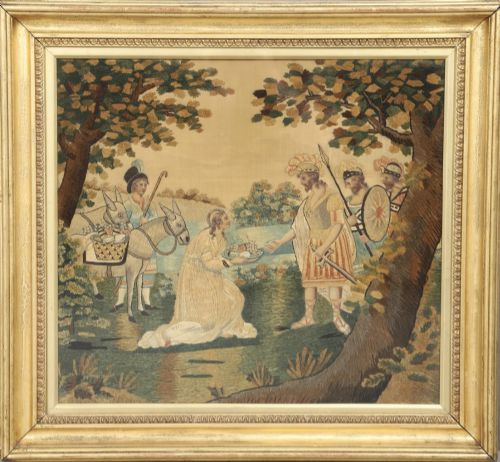
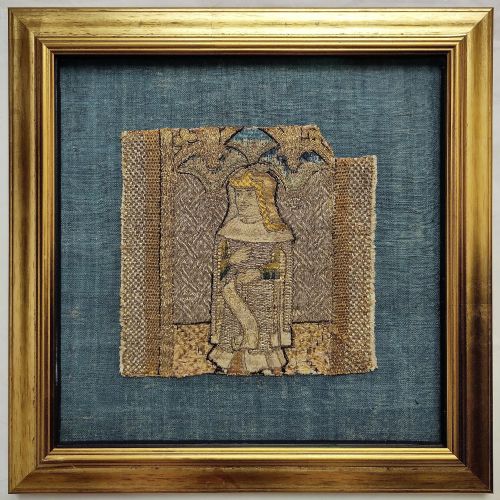
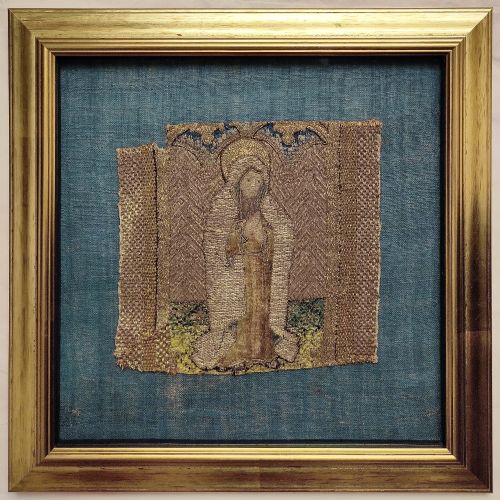
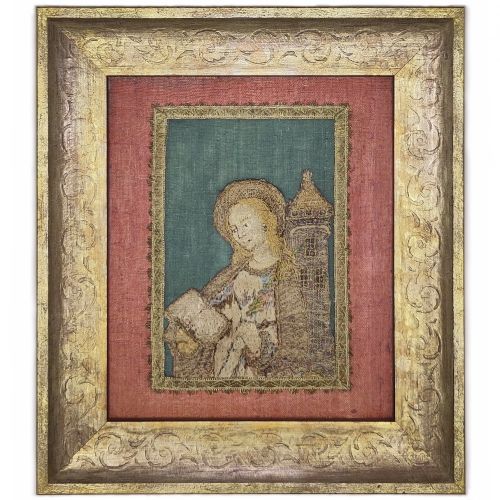
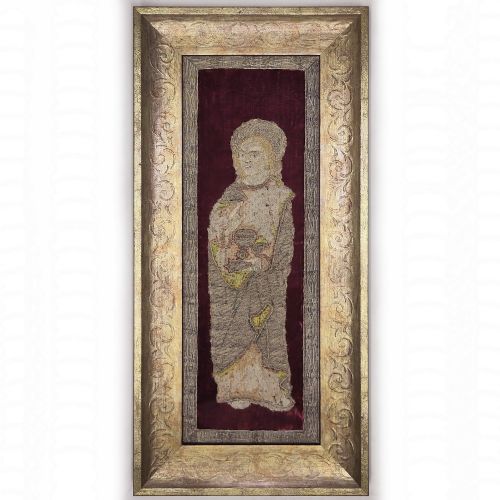
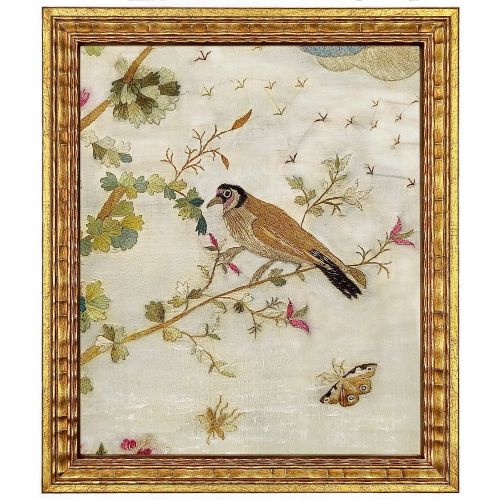
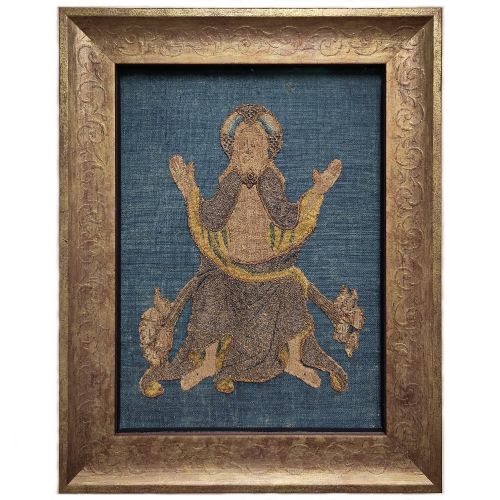
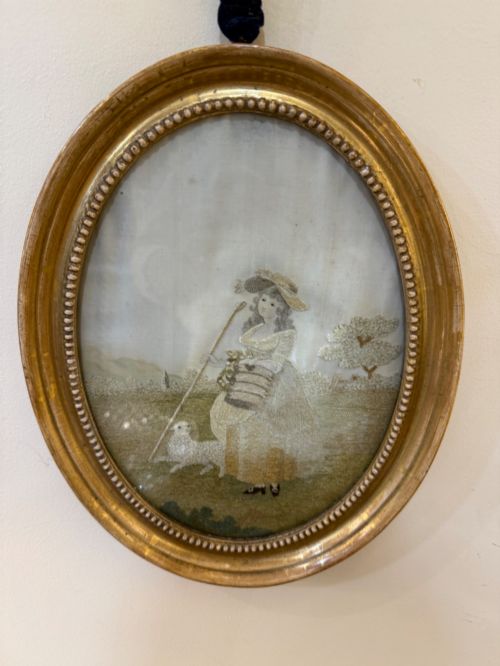
When you search for embroidered textile art, you encounter everything from 17th-century continental classical panels and Stuart stumpwork to Georgian alphabet samplers and 19th-century needlework pictures. The selections on this page range widely across eras, drawing from English, French, Italian, Ottoman, Chinese, Indian and Central Asian traditions.
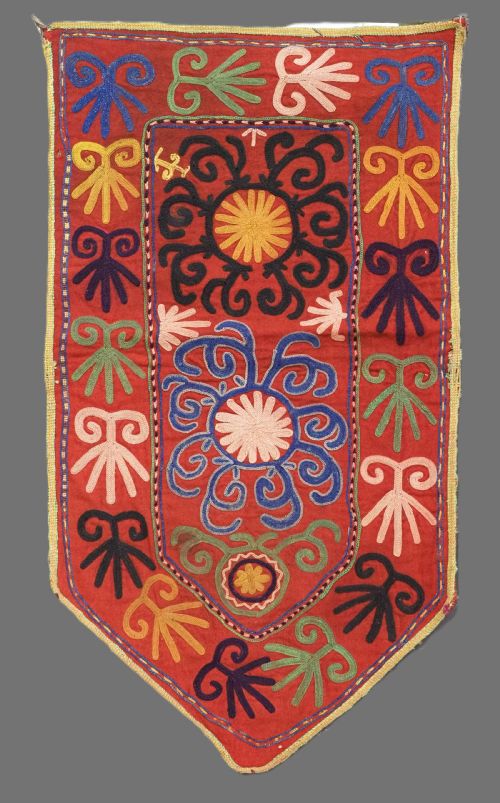
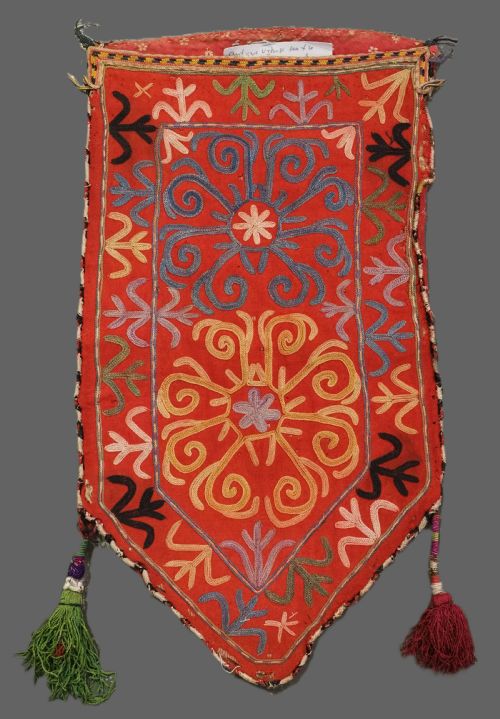
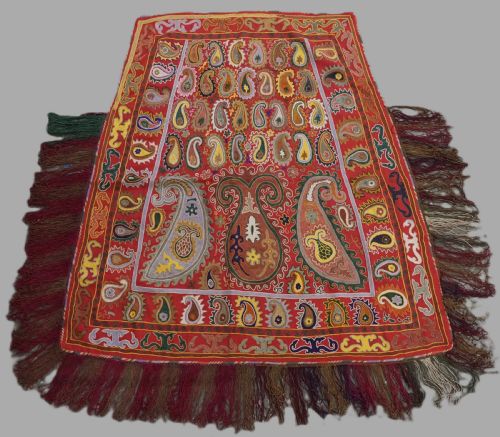
The forms vary from framed textiles and wall hangings to dowry embroideries like Uzbek Lakai tribe ilgich and ceremonial horse covers. You will frequently find framed silk pictures, tapestries, and crewelwork panels alongside detailed beadwork fragments and rank badges.
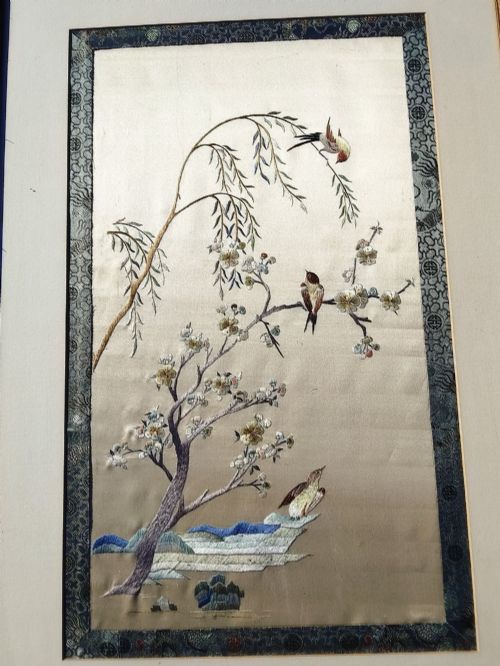
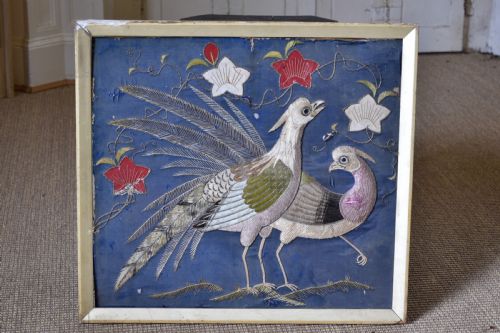
Pieces span multiple centuries, including Georgian needlework maps of England and Wales, 18th-century samplers, and early 20th-century Asian silk embroideries. The material culture of these works reflects both domestic education and international trade over hundreds of years.
Materials and construction methods
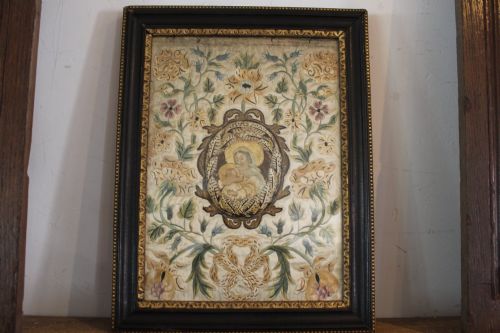
Makers utilised natural fibres including silk, wool, cotton and linen as grounds and threads for their needlework. Metallic thread and silk floss frequently appear in historical panels, adding reflective detail and varied texture to the stitched surfaces.
Many historical examples incorporate hand-painted elements combined with silk embroidery, or utilise specialised techniques such as stumpwork relief and beadwork. Glazed frames, gilt wood and faux tortoiseshell surrounds often protect these fragile textile surfaces.
Embroidered Textile Art Retail Price Guide 2026
Typical asking prices for embroidered textile art among the pieces listed under this phrase on Sellingantiques today, from the lower quarter to the upper quarter. They describe what is for sale here now, not the wider market.
Object forms range from Georgian samplers and Stuart stumpwork to Central Asian tribal ilgich and Chinese silk rank badges.
Assessing quality in historical needlework
Quality rests upon the precision of the stitching, the complexity of the design, and the survival of the original materials. Works utilising fine silk floss or intricate metallic thread demand high technical skill from the maker.
Condition and context dictate distinction, particularly when handling early pieces from the 17th century or fragile dowry embroideries. The retention of original framing, such as period wood surrounds or glazed protection, preserves the integrity of the textile.
The Embroidered Textile Art Glossary
- Sampler
- A piece of needlework produced as a demonstration or test of skill, often displaying alphabets, numerals, and various stitches.
- Stumpwork
- A raised embroidery style popular in the 17th century that uses padding and wire to create three-dimensional figures and motifs.
- Crewelwork
- A type of embroidery utilising wool yarn to execute flowing floral and animal designs on a heavy linen or cotton twill ground.
- Rank Badge
- A square embroidered patch worn on Chinese official robes to denote civil or military status.
- Ilgich
- A Central Asian dowry embroidery created by the Lakai tribe for wall hanging and ceremonial use.
Embroidered Textile Art: Frequently Asked Questions
How should I hang embroidered textile art?
Keep textile art away from direct sunlight to prevent the fading of silk and wool threads. Ensure pieces remain behind glass in a stable indoor environment.
Support larger wall hangings evenly across their width rather than suspending them from single points. Professional framing protects fragile historical fibres from atmospheric dust and physical damage.
What is the difference between a sampler and a needlework picture?
A sampler focuses on displaying alphabets, numbers, and a variety of decorative stitches executed by the maker. These often include signatures, dates, and educational motifs.
A needlework picture portrays a specific scene, such as a landscape, portrait, or historical event. These utilise pictorial composition rather than cataloguing stitch types.
How do I identify a 17th-century embroidered panel?
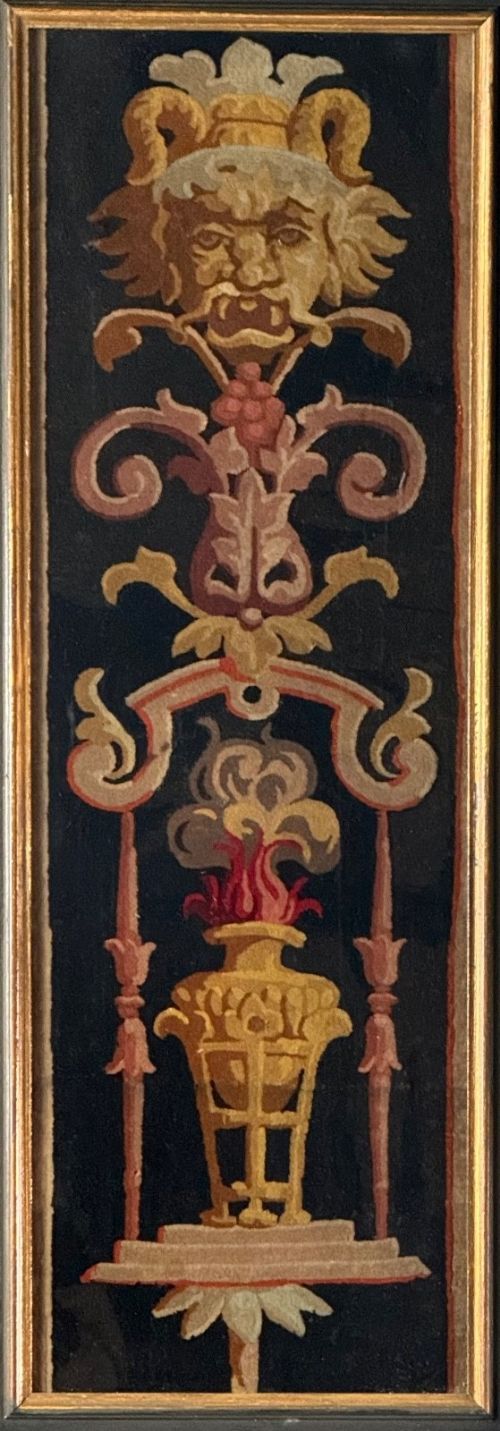
Seventeenth-century panels frequently feature classical motifs, grotesques, or raised stumpwork depicting historical and religious figures. The materials typically include fine silk, wool, and metal threads on aged linen grounds.
Examine the reverse of the panel if accessible, as older hand-spun textiles and traditional stitching techniques differ noticeably from later industrial reproductions.
What are Uzbek Lakai tribe embroideries?
Uzbek Lakai embroideries are dynamic, geometric dowry pieces created in Central Asia around the turn of the 20th century. They functioned as wall hangings and ceremonial horse covers.
These textiles employ vibrant silk stitching on dark grounds, resulting in bold abstract patterns distinct from classical European needlework.