






Embossed Silver Photo Frame
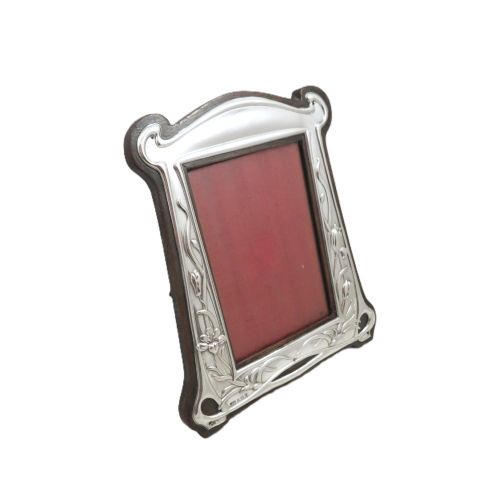
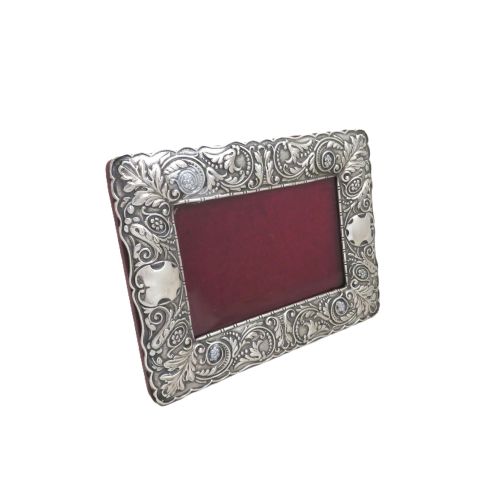
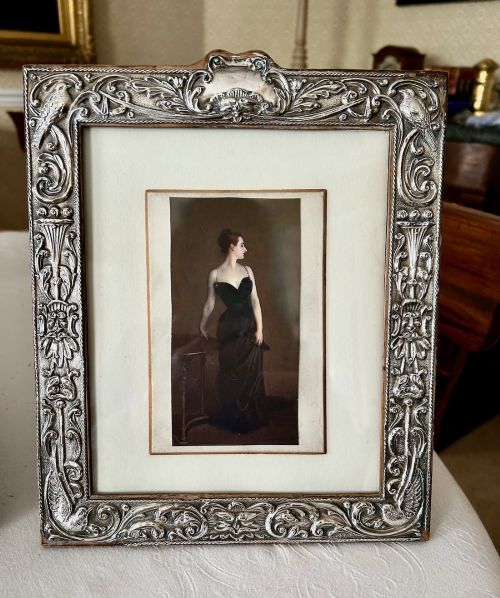
An embossed silver photo frame brings tactile metalwork and quiet charm to a desk or mantelpiece, holding a treasured portrait within chased floral and figural borders.
Identifying an embossed silver photo frame
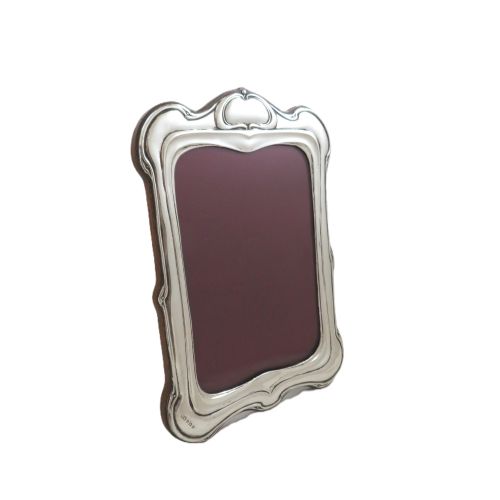
Makers and silversmiths utilised hallmarks to indicate assay offices such as Birmingham and Chester, alongside specific dates from the 1890s through to George V. Formats include portrait sizes, square shapes, and buckle styles, often featuring shaped crests and moulded designs. The backing typically consists of wood, oak, or velvet to support the upright display of photographs behind protective glass.
Materials and construction
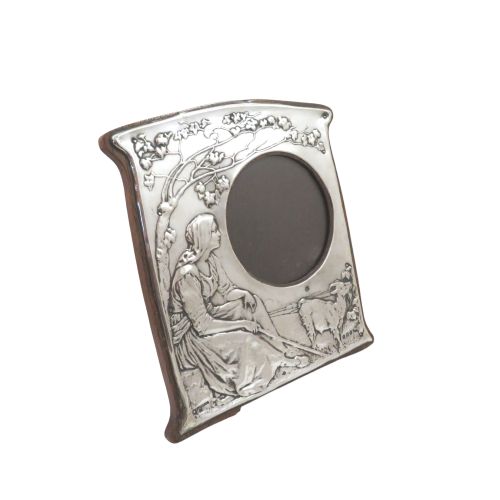
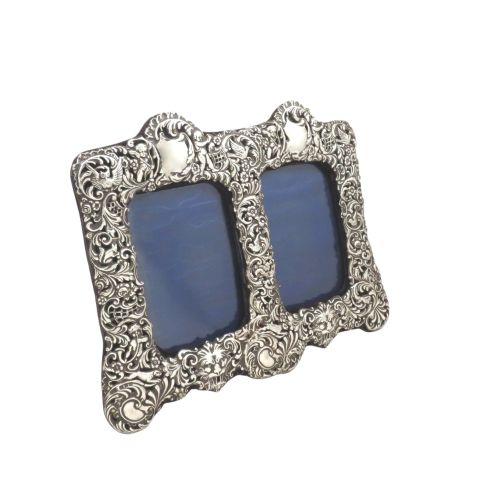
Silversmiths constructed these pieces using sterling silver sheet metal, which was hammered, pierced, or pressed with steel dies to achieve raised embossed borders of flowers, scrolls, and cherubs such as Reynolds angels. The resulting silver mounts were then fitted around glass panels to protect the portraits within.
Structural support was provided by wooden backs, frequently utilising oak or covered in plush velvet, secured with hinges and folding struts. Hallmarks were stamped directly into the silver border to denote the standard of metal and the year of assay.
Retail Price Guide 2026
Typical UK retail prices for embossed silver photo frame, calculated from the Sellingantiques database of over a million retail prices indexed since 2003. This retail price guide relies exclusively on Sellingantiques data; no external sources or auction records are used, so the figures do not describe the wider market.
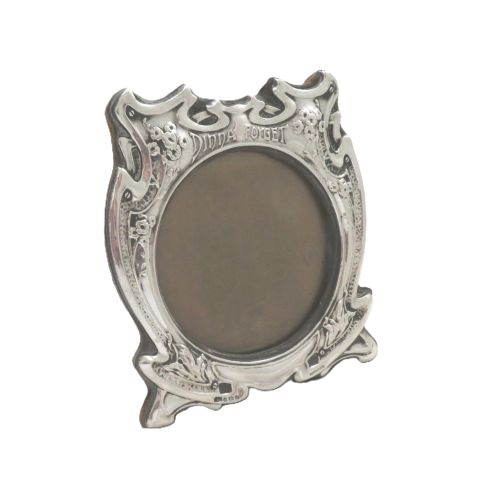
A sentimental Edwardian frame preserves the handwritten prompt 'Dinna Forget' right alongside its embossed floral silver border.
Distinctions in quality
The fineness and depth of the metalwork dictate the visual impact of the piece, with crisp, deeply chased floral and figural motifs showing superior craftsmanship compared to shallow, worn pressings. Heavier gauge sterling silver provides greater structural integrity to the border, whereas thin metal flexes easily.
The preservation of original wooden or velvet backs and intact glass inserts elevates an example. Clear, legible hallmarks struck by recognised makers such as Comyns add documentary value to the silver frame.
Comyns
The Embossed Silver Photo Frame Glossary
- Sterling silver
- A silver alloy containing 92.5 percent pure silver by mass, forming the primary metal used for these frames. It provides a bright finish and sufficient malleability for detailed embossing.
- Hallmark
- An official mark stamped into the silver to indicate the purity of the metal, the assay office, and the year of manufacture. Birmingham and Chester are notable assay locations found on these pieces.
- Embossed
- A decorative technique where motifs are raised in relief from the surface of the metal. On these frames, it creates tactile borders of flowers, cherubs, and scrolls.
- Assay office
- An organisation charged with testing the purity of precious metals and stamping the correct hallmarks. Surviving pieces carry marks from regional British offices.
Frequently Asked Questions
What periods do these frames date from?
The available selection spans the late Victorian period, the Edwardian era, and the early years of George V. Most examples date between the 1890s and the first decade of the twentieth century.
Assay dates stamped into the silver help pinpoint the exact year of manufacture, with Birmingham and Chester offices frequently represented.
How do I display a photo frame?
These pieces are designed for tabletop display on desks, chests of drawers, or mantelpieces, supported by their original wooden or velvet-covered struts. They bring a decorative metallic accent to domestic interiors.
Care should be taken to place them away from direct heat sources to protect the backing materials and the old glass.
What materials make up the backing?
Backings commonly consist of wood, oak, or boards covered in velvet to provide a sturdy foundation for the upright frame. These backing boards hold the glass and the portrait securely in place.
Retaining the original backing is important for the structural integrity and character of the piece.
How are floral and figural designs distinguished?
Borders feature various chased and embossed motifs, ranging from simple fluted patterns to complex arrangements of flowers, foliage, scrolls, and cherubs inspired by Reynolds. Some frames incorporate specific themes like buckle styles or named inscriptions.
Examining the depth and clarity of the metalwork reveals the skill involved in pressing or chasing the design.