




Elm Wood Benches
Elm wood benches bring honest grain and sturdy vernacular character into a room, offering practical seating shaped by centuries of everyday use.
Elm Wood Benches
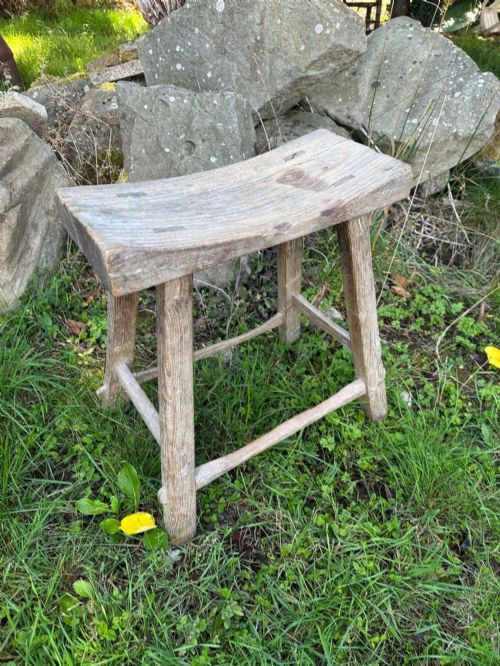
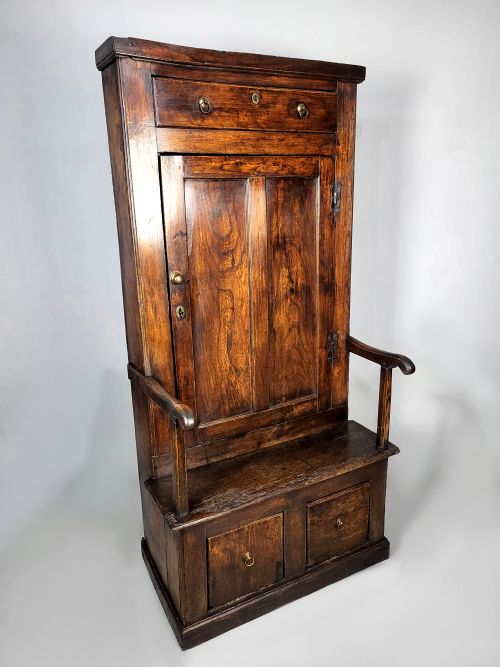
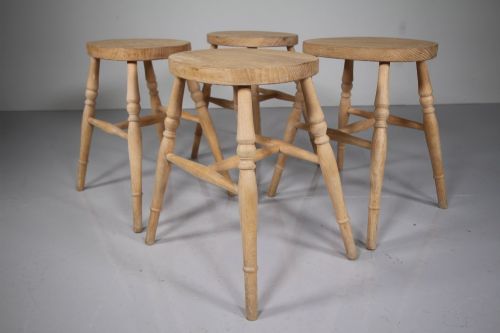
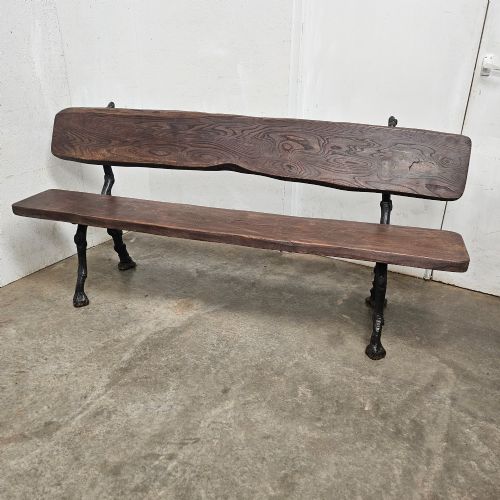
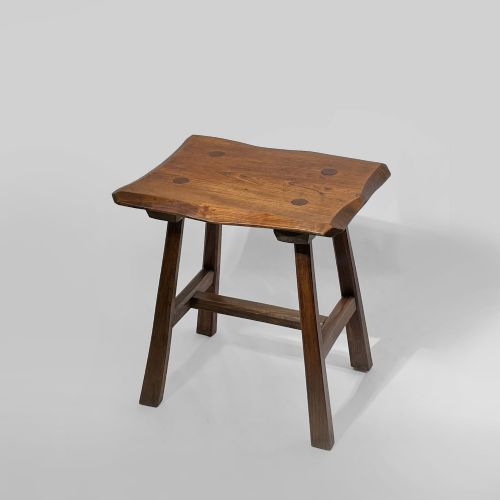
When you search for elm wood benches, you encounter a hardy lineage of vernacular seating spanning English, French, and Asian traditions. These pieces range from long rustic companions meant for farmhouse tables to single-plank seats forged for demanding manual work.
The versions most likely to meet you on this page are nineteenth-century French country designs and nineteenth-century English country examples. They arrive shaped by utilitarian origins rather than courtly fashion, often paired with ash, sycamore, oak, or cast iron.
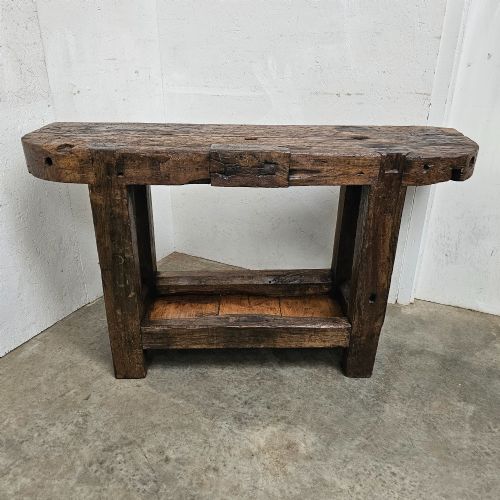
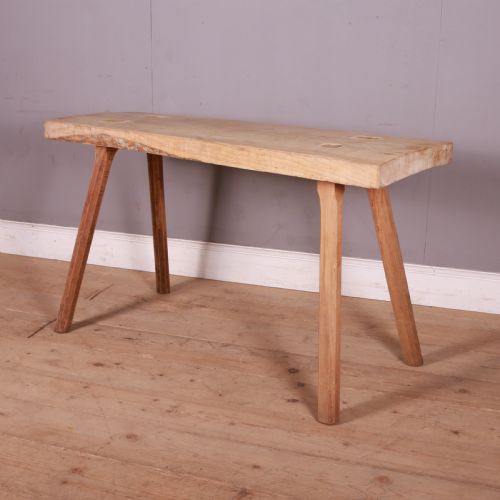
Beyond standard seating, the broader category encompasses related low tables, settle forms, and trestle tables sharing the same robust timber vocabulary. Their presence is unapologetically functional, relying on solid joinery and thick planks to endure.
Materials and construction
Makers relied on elm for its dense, interlocking grain and resistance to splitting, qualities essential for heavy seating and workbenches. This tough timber is frequently combined with ash or sycamore for legs and stretchers, or anchored by cast iron elements in garden variants.
Construction techniques prioritised durability over decorative flourish, utilising pegged joints, wedged tenons, and thick plank tops. Surfaces bear the marks of hand tools, scrubbed finishes, and natural wear rather than elaborate veneers or synthetic varnishes.
Elm Wood Benches Retail Price Guide 2026
Typical asking prices for elm wood benches among the pieces listed under this phrase on Sellingantiques today, from the lower quarter to the upper quarter. They describe what is for sale here now, not the wider market.
Listings feature timber varieties including elm, sycamore, oak, ash, yew, and hardwood across nineteenth-century and eighteenth-century periods.
Assessing quality
Quality in these pieces rests in the integrity of the timber selection and the honesty of the underlying structure. A superior example displays well-figured grain, substantial plank thickness, and minimal intervention from later repairs.
The character of the surface patina dictates much of the appeal, where centuries of scrubbing and daily friction leave a soft, undulating texture. Proportion and stance also separate utilitarian output from more refined country workshop commissions.
The Elm Wood Benches Glossary
- Elm
- A durable hardwood characterised by interlocking grain and resistance to splitting, historically favoured for seating and work surfaces.
- Settle
- A wooden bench featuring a high back and solid arms designed to block drafts in older homes.
- Trestle
- A structural support consisting of a horizontal beam fixed to two splayed legs, commonly found beneath long tables and benches.
- Vernacular
- Architecture and furniture made by local craftspeople using traditional methods and native materials, free from high-style academic design.
- Faux bois
- An artistic imitation of wood or tree bark applied to hard materials like iron or concrete, seen in garden seating.
Elm Wood Benches: Frequently Asked Questions
Where should I put an elm bench?
These benches sit comfortably in hallways, beside dining tables, or serving as low display surfaces in living spaces. Their durable timber origins mean they handle high-traffic zones with ease.
Keep them away from direct heat sources to prevent the heavy timber from drying out or splitting over time.
How do I clean an old elm bench?
Dust the surface regularly with a dry cloth and occasionally feed the bare timber with natural beeswax to maintain its moisture. Avoid harsh modern cleaning chemicals that strip the historic patina.
Scrubbed surfaces respond well to gentle cleaning with mild soap and water, provided the wood is dried thoroughly afterwards.
Are these benches comfortable to sit on?
Vernacular benches prioritise sturdy utility over upholstered comfort, featuring shaped wooden seats designed for practical daily tasks. Adding a simple linen cushion softens the seating for longer gatherings.
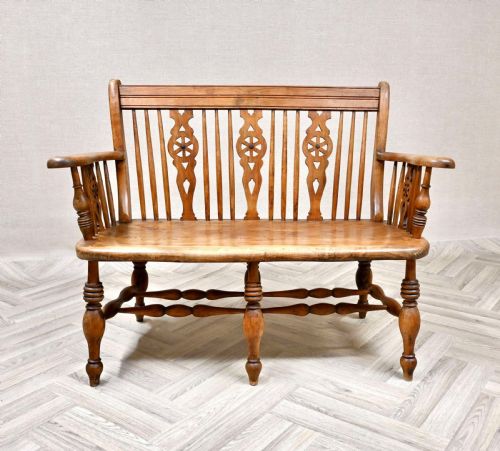
The ergonomic curves found in Windsor-style designs offer surprising support through shaped backs and well-angled seats.
How do I date an elm bench?
Dating relies on observing tool marks, the method of joinery, and the degree of wear accumulated across the timber surfaces. Hand-cut pegs, pit-sawn planking, and irregular dimensions point towards nineteenth-century or earlier origins.
Comparing the construction style to regional traditions helps narrow down whether a piece belongs to English, French, or Asian vernacular workshops.