



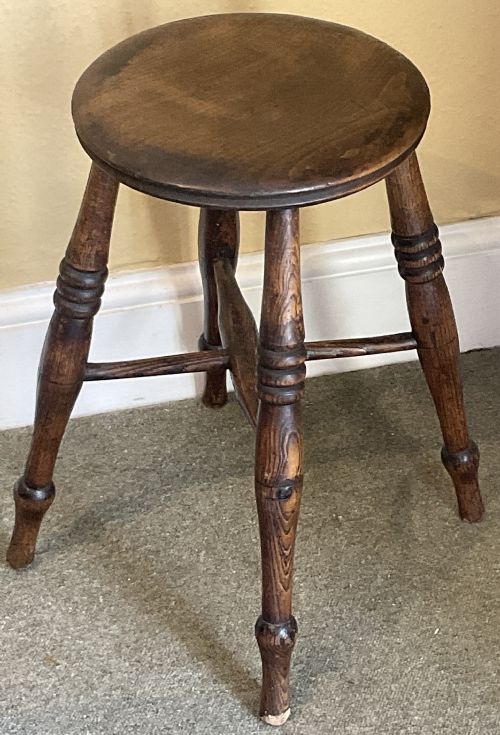


Elm Seat Cottage Chairs
Elm seat cottage chairs bring genuine rustic character to a room, offering sturdy wooden construction shaped by generations of rural use.
Elm Seat Cottage Chairs
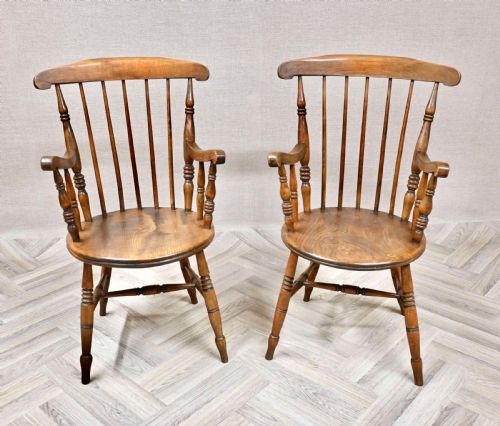
When buyers search for elm seat cottage chairs, they encounter utilitarian seating shaped by regional traditions across the eighteenth and nineteenth centuries. These pieces encompass dining chairs, stools, and kitchen seating designed primarily for domestic utility rather than formal display.
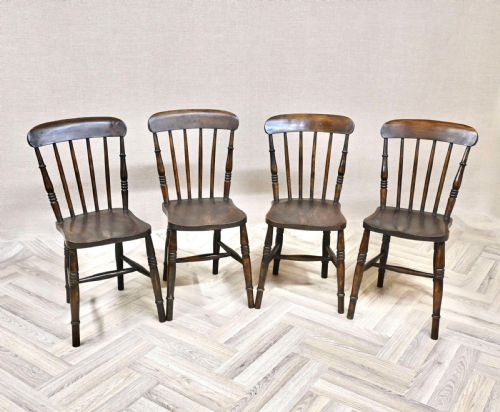
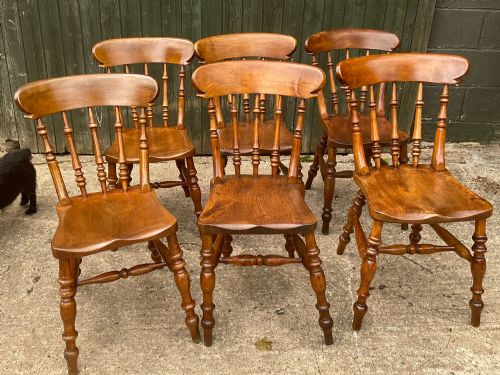
The selections available here lean heavily toward nineteenth-century production, alongside earlier eighteenth-century examples. Forms range from single farmhouse chairs to substantial matched sets of six or ten dining chairs.
Stylistic descriptors appearing across the inventory include Victorian country, English country vernacular, and rustic farmhouse. These terms capture the practical aesthetic of rural seating produced during the Victorian era and earlier periods.
Materials and Construction
Makers utilised native hardwoods for structural integrity, pairing sturdy elm for the carved seats with beech, ash, and occasional oak for spindles, legs, and bows. This combination exploited the tough, splinter-resistant qualities of elm for solid plank seats.
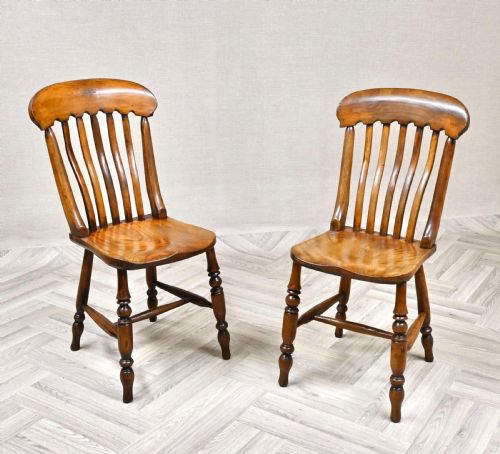
Framing techniques relied on traditional Windsor construction methods, where turned legs and back spindles fit directly into drilled holes within the thick wooden seat. Additional support came from steam-bent wooden hoops and bentwood lathbacks.
Certain examples incorporate woven rush seating inserted into wooden frames, adding texture and flexibility to the traditional wooden forms.
Elm Seat Cottage Chairs Retail Price Guide 2026
Typical asking prices for elm seat cottage chairs among the pieces listed under this phrase on Sellingantiques today, from the lower quarter to the upper quarter. They describe what is for sale here now, not the wider market.
Worksop workshops evidently kept busy supplying robust kitchen seating for hardworking households long before anyone thought to call it rustic.
Assessing Quality and Character
Quality in these rural chairs rests on the harmony of the timber selection and the retention of original structural form. Thicker, well-figured elm planks display rich grain patterns that elevate the presence of the seat.
The integrity of the turned spindles and the tightness of the joinery determine the durability of the piece. Matched and harlequin sets show varying degrees of uniformity in their turnings and spindle counts, reflecting regional workshop standards.
Worksop Allsop
The Elm Seat Cottage Chairs Glossary
- Elm seat
- A wooden chair seat carved from a solid elm plank. Elm is selected for its interlocking grain, which resists splitting under heavy daily use.
- Windsor chair
- A chair built with a solid wooden seat into which the legs and back spindles are driven directly. This method creates a sturdy, resilient frame without requiring heavy corner blocks.
- Lathback
- A chair back featuring a flat horizontal wooden splat or lath framed by vertical spindles. This design provides robust lumbar support.
- Vernacular style
- Furniture made by local craftsmen following regional traditions rather than high-fashion metropolitan patterns. These pieces prioritise functional utility.
- Harlequin set
- A collection of chairs that share a similar style, period, or material but were not originally manufactured together as a matched set.
Elm Seat Cottage Chairs: Frequently Asked Questions
How do I clean an old elm seat?
Dust the surface regularly with a dry cloth to prevent dirt accumulation in the wood grain.
Apply a traditional wax polish occasionally to nourish the timber and maintain a soft sheen without sealing the antique finish.
Are these chairs suitable for daily dining?
These robust rural chairs were built for daily domestic use and handle regular seating well.
Check the stability of the joints periodically to ensure the turned legs and spindles remain secure within the seat.
What is a harlequin set?
A harlequin set consists of individual chairs that share matching forms, materials, and periods but originated from different workshops or households.
Such sets offer a cohesive country aesthetic while displaying subtle individual variations in turning and grain.
How can I tell an eighteenth-century chair from a nineteenth-century one?
Earlier eighteenth-century pieces often display deeper saddling to the solid elm seat and heavier proportions in the structural turnings.
Nineteenth-century examples frequently show greater standardisation in spindle work and lighter framing suited to Victorian kitchen spaces.