

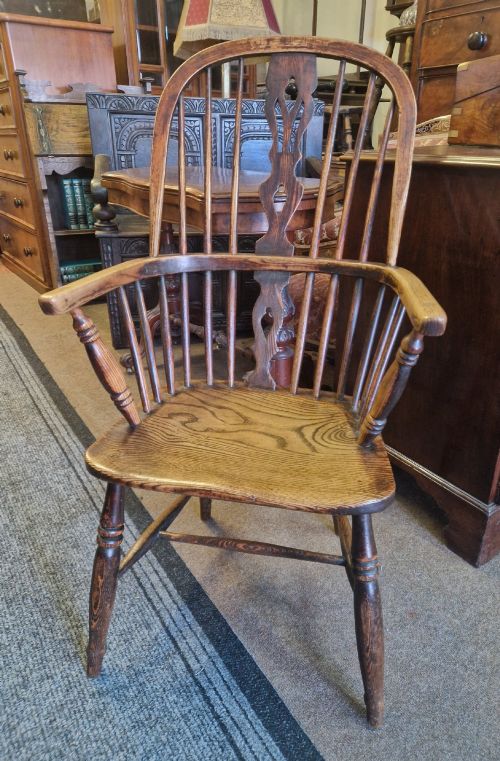
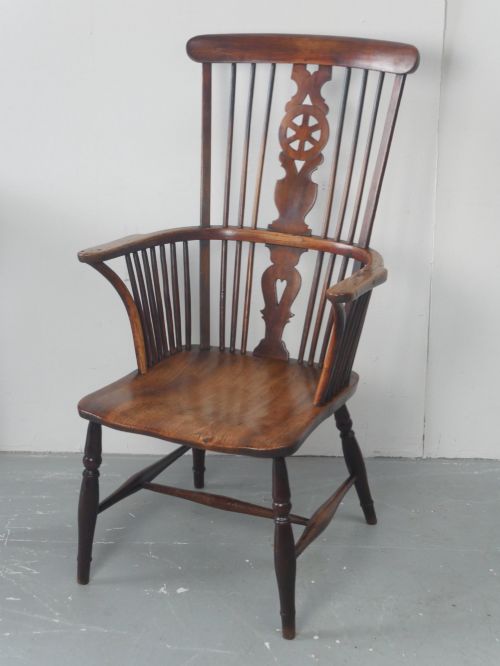
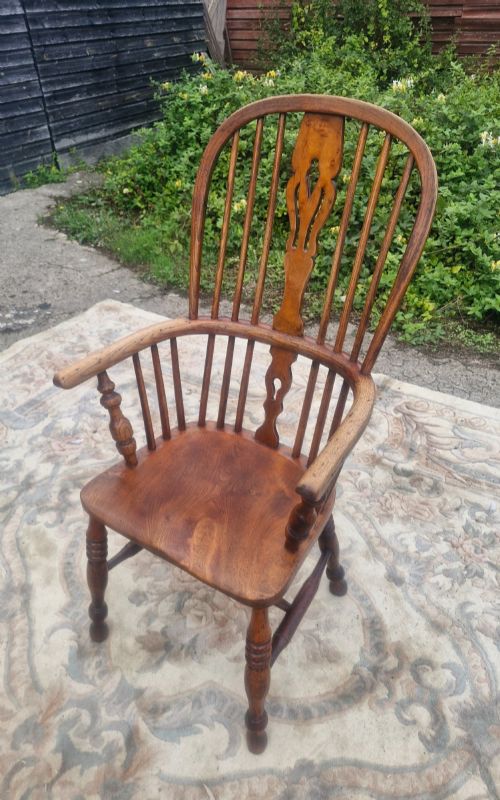
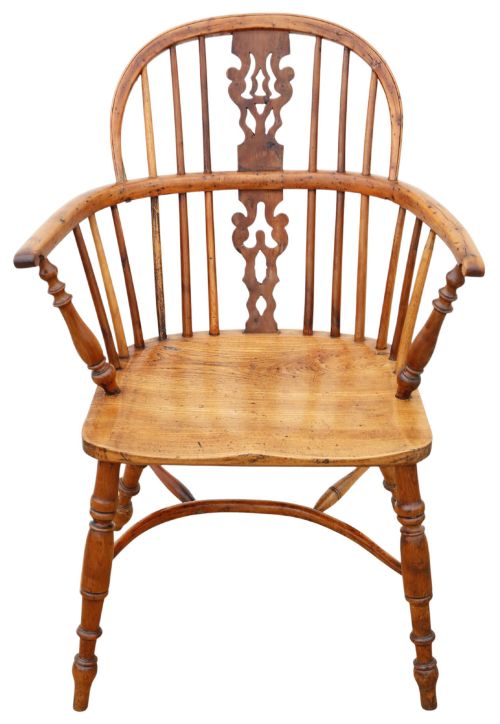
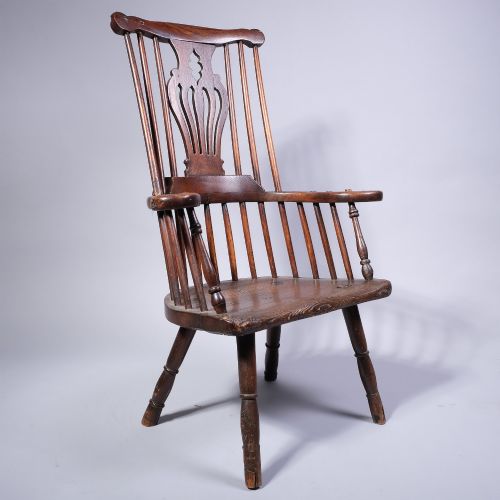
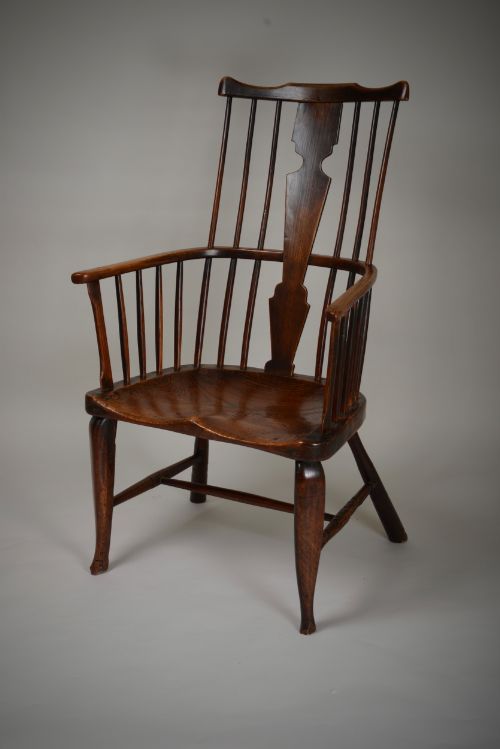
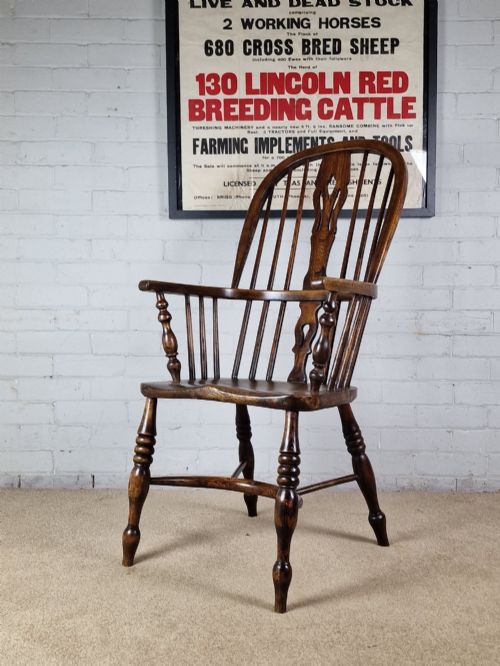
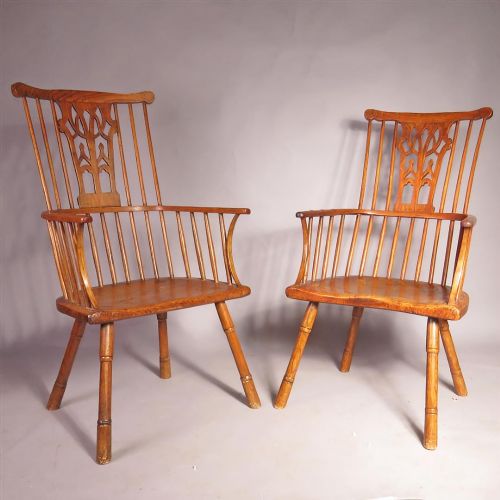
Elm High Back Armchair
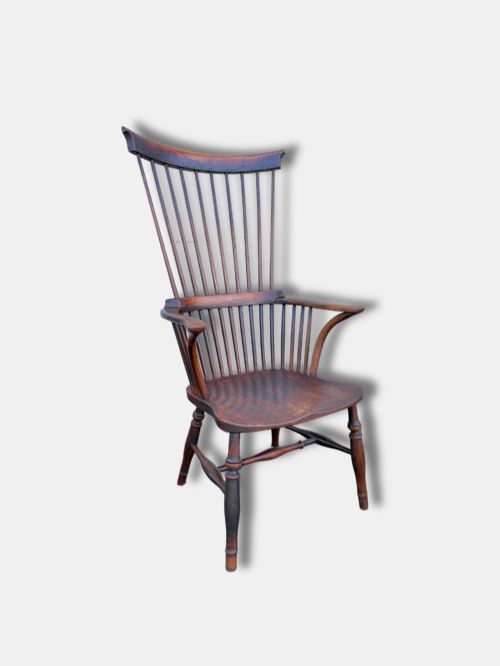
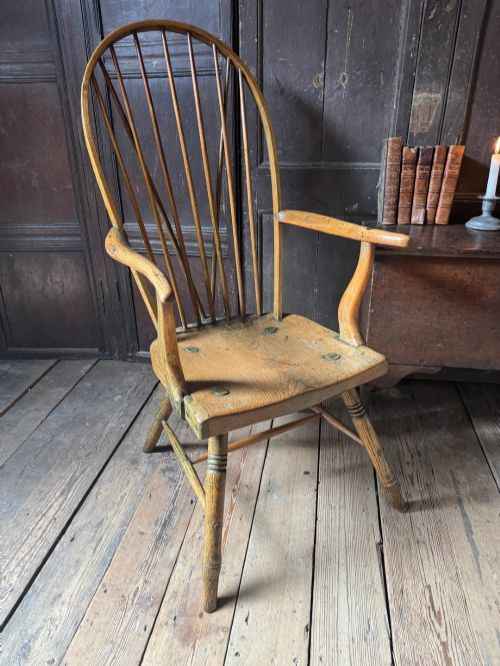
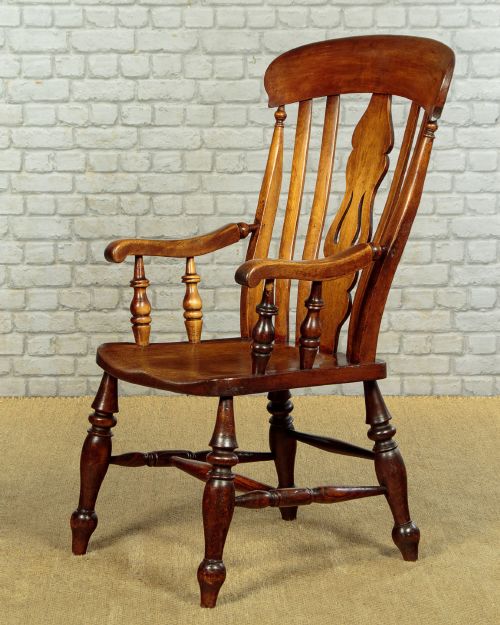
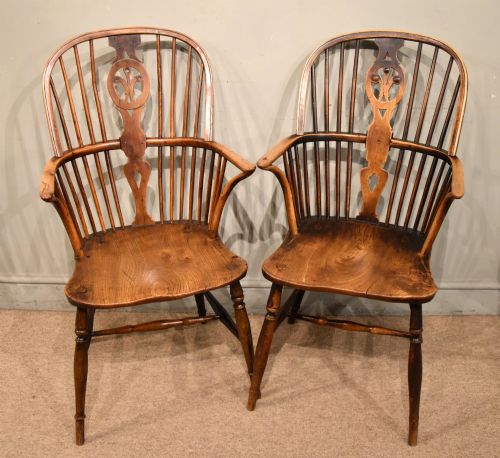
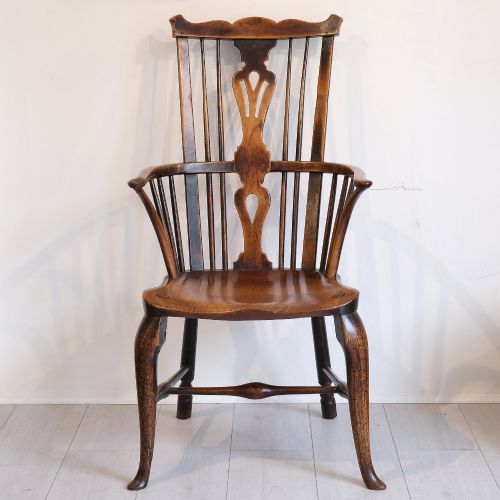
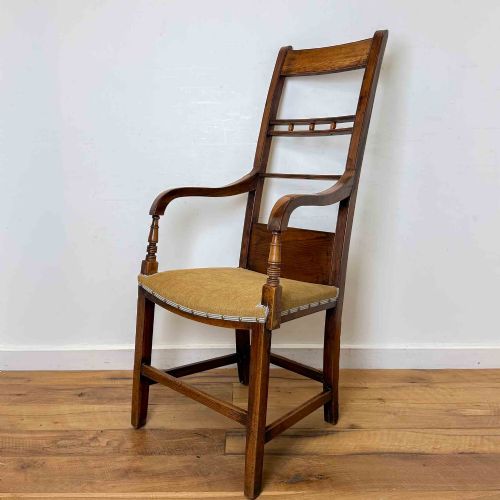
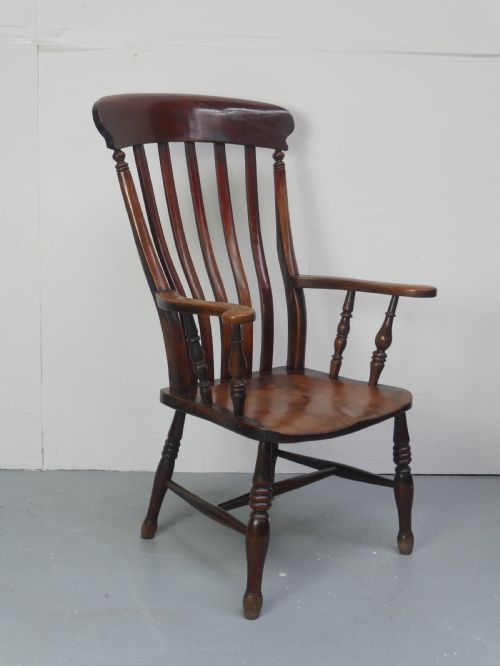
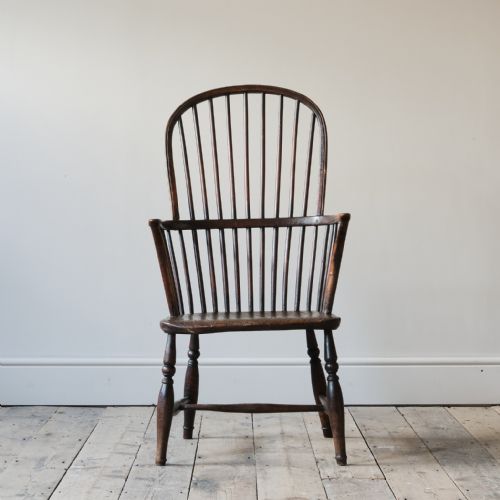
An elm high back armchair brings sturdy vernacular character to a room, offering tall timber backrests and deep seats built for comfort.
Elm High Back Armchair
An elm high back armchair belongs to the English country vernacular tradition, taking the form of traditional Windsor and farmhouse seating. These pieces span the eighteenth, nineteenth, and Victorian periods, often emerging from regional workshops across the country.
Materials and Construction
Maker traditions paired resilient elm for solid, saddled seats with ash, beech, fruitwood, yew, or oak for bent parts and spindles. The natural grain and toughness of elm provided a stable base that resisted splitting.
Green woodworking techniques allowed craftsmen to steam-bend timber for the characteristic arched backs, securing spindles and legs through traditional socket joints.
Elm High Back Armchair Retail Price Guide 2026
Typical asking prices for elm high back armchair among the pieces listed under this phrase on Sellingantiques today, from the lower quarter to the upper quarter. They describe what is for sale here now, not the wider market.
Several makers designed pint-sized variants, proving that toddlers required proper spindle support just as much as the head of the house.
Judging Quality
The strength of the construction and the proportional balance of the tall backrest determine the distinction between standard utilitarian seating and finer examples. Selection of timber figure, particularly in the grain of the elm seat and yew or ash framework, elevates the piece.
Original surface patination, minimal timber replacement, and the integrity of the wedged leg joints separate pieces preserved in authentic state from heavily restored examples.
The Elm High Back Armchair Glossary
- Comb-back
- A Windsor chair design where the vertical spindles rise through a flat arm bow to form a separate top rail resembling a comb. This style is frequently seen on eighteenth-century examples.
- Hoop-back
- A continuous bentwood rail that forms both the back and the arms of the chair in a single curved sweep. It provides robust support for the sitter.
- Vernacular
- Objects designed by regional makers following local traditions rather than strict academic style rules. These chairs reflect the practical needs of rural households.
- Saddled seat
- A wooden seat scooped and shaped by adze and scorper to mirror the contours of the body. This technique maximises comfort on solid timber seating.
Elm High Back Armchair: Frequently Asked Questions
What is an elm high back armchair?
It is a traditional wooden seat featuring a tall backrest, typically constructed in the Windsor or farmhouse style with an elm seat and mixed timber spindles.
These chairs developed through regional English vernacular traditions, prioritising structural resilience and domestic comfort over formal decorative styles.
How do I date an elm armchair?
Dating relies on observing construction methods, timber combinations, and the profile of the comb or hoop back. Eighteenth-century pieces often display distinct turning on the legs and slender proportions.
Victorian and later nineteenth-century examples tend to utilise heavier turnings and different wood pairings, such as beech combined with elm.
Where were these chairs made?
They originated in regional workshops across England, with specific styles associated with counties such as Yorkshire, Lincolnshire, and various West Country locations.
Local timber availability dictated the choice of woods, leading to distinct regional variations in the framing and spindle arrangements.
How do I care for antique elm furniture?
Maintain elm furniture by keeping it away from direct heat sources and sudden temperature shifts that can cause the timber to split. Apply traditional beeswax periodically to nourish the surface.
Avoid chemical polishes that can degrade the historic patination accumulated over generations of use.