


Elm Carver Armchair
An elm carver armchair brings honest provincial character and robust vernacular craftsmanship into a modern interior.
Elm Carver Armchair
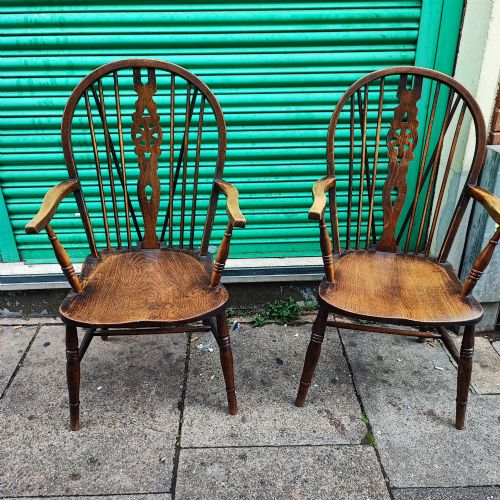
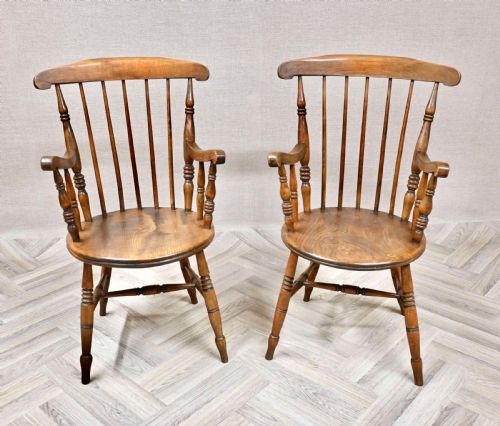
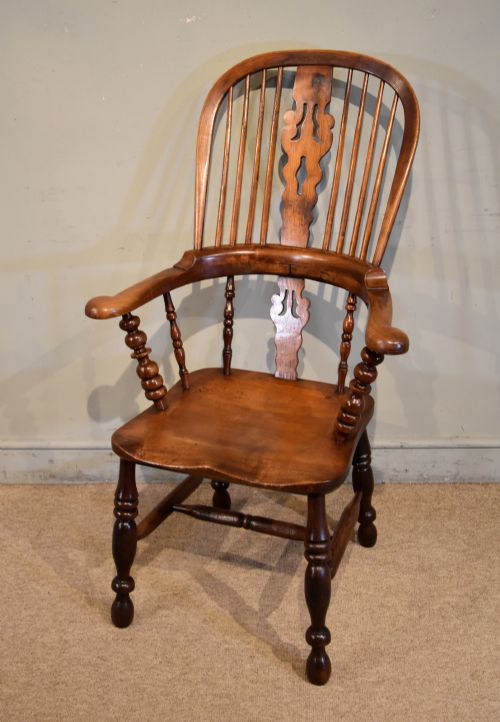
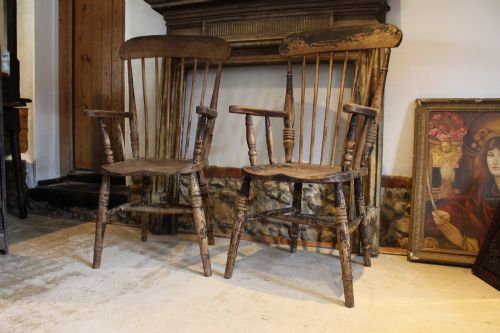
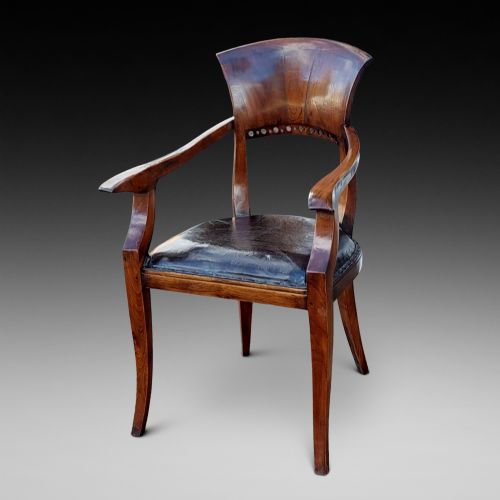
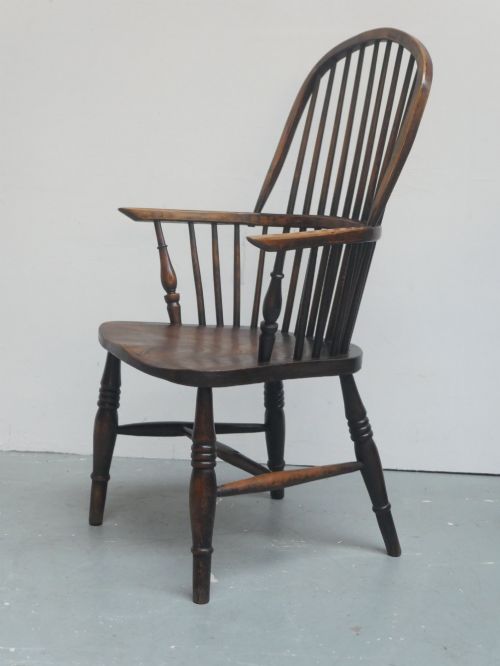
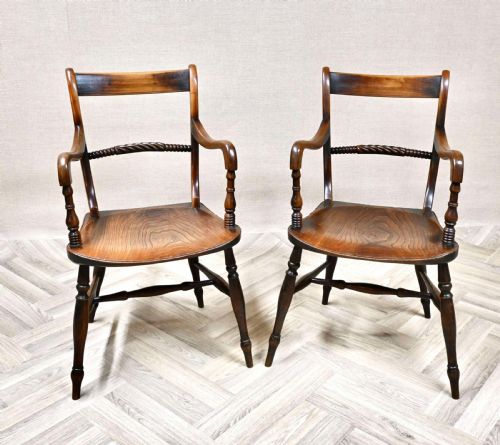
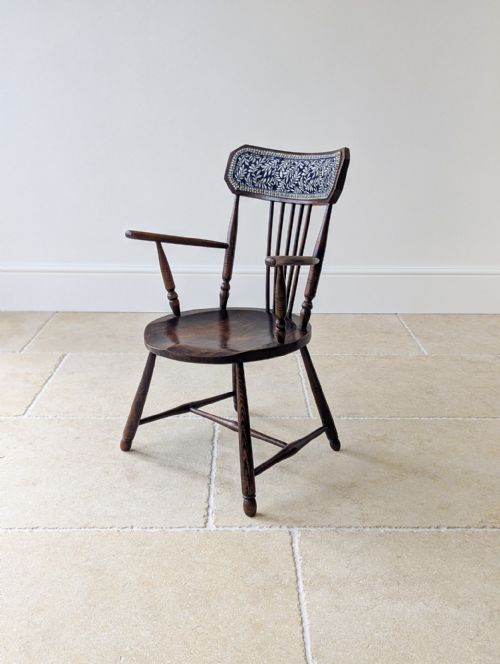
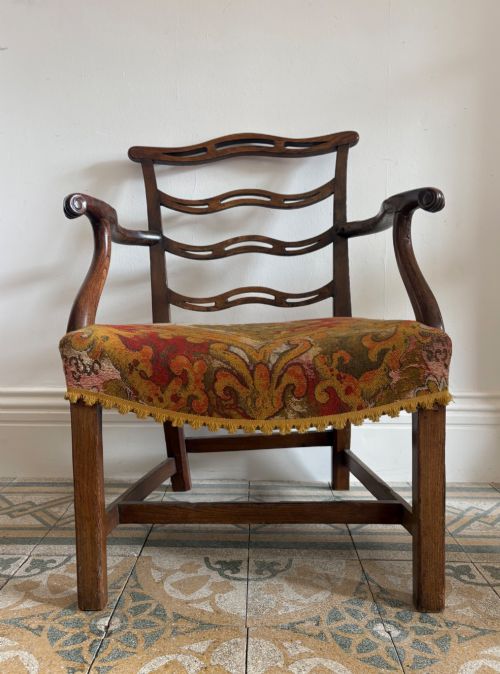
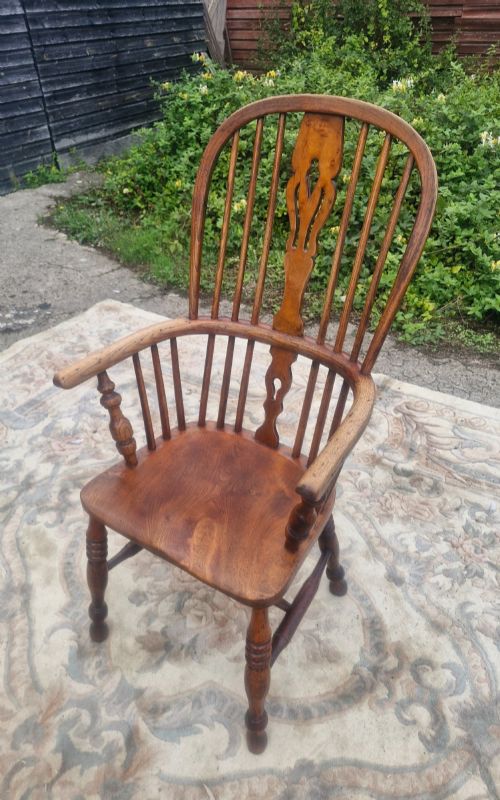
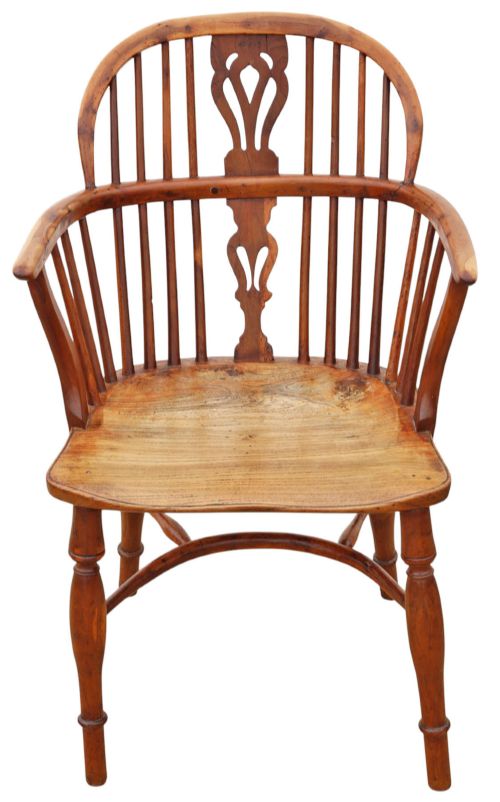
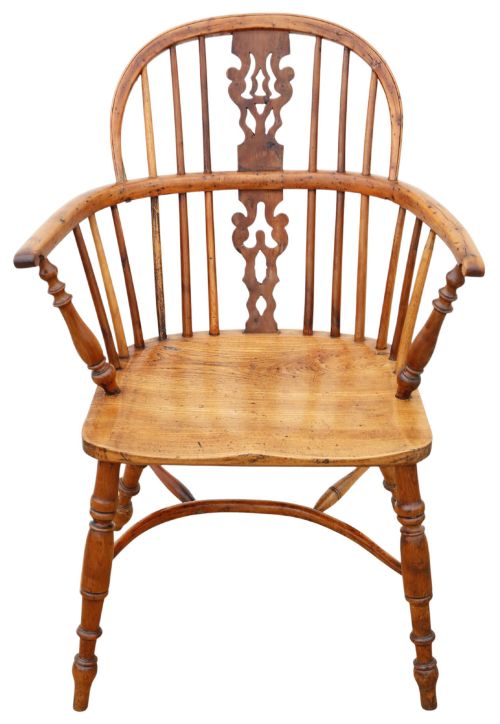
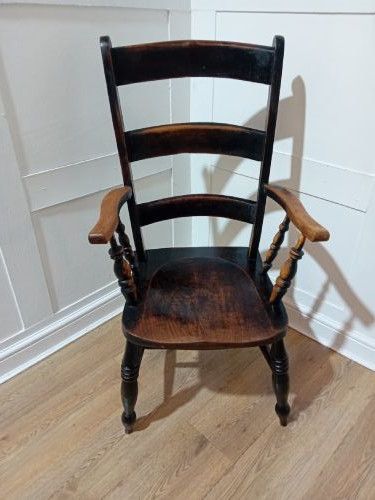
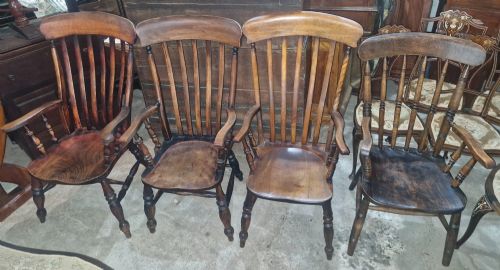
An elm carver armchair typically takes the form of a Windsor or traditional country seat, designed for the head of a table or fireside use. These chairs combine sturdy wooden construction with generous proportions and supportive armrests.
The selections span from the eighteenth century through the Victorian era, showing regional British vernacular designs alongside continental examples. Buyers most frequently encounter nineteenth-century English country specimens featuring spindle backs or solid plank seats.
Makers utilised local woods, pairing robust elm for the seats with ash, beech or yew for the spindles, legs and bentwood parts. This practical combination yielded durable seating built for everyday domestic life.
Construction and Materials
Craftsmen shaped solid elm into thick saddle seats, using adzes and scorps to hollow out comfortable contours. Elm wood resists splitting under stress, making it the ideal timber for thick plank seats that support upright posts and legs.
Makers bent green ash or beech into hoops and arm bows using steam, securing the components with wedged tenon joints. Spindles, legs and stretchers were turned on pole lathes, then fitted tightly into drilled sockets on the underside of the seat.
Elm Carver Armchair Retail Price Guide 2026
Typical asking prices for elm carver armchair among the pieces listed under this phrase on Sellingantiques today, from the lower quarter to the upper quarter. They describe what is for sale here now, not the wider market.
Judging Quality
Quality rests in the balance of the timber and the integrity of the original construction. Chairs retaining their initial surface finish and unblemished timber grain command greater appreciation than those stripped down and heavily refinished.
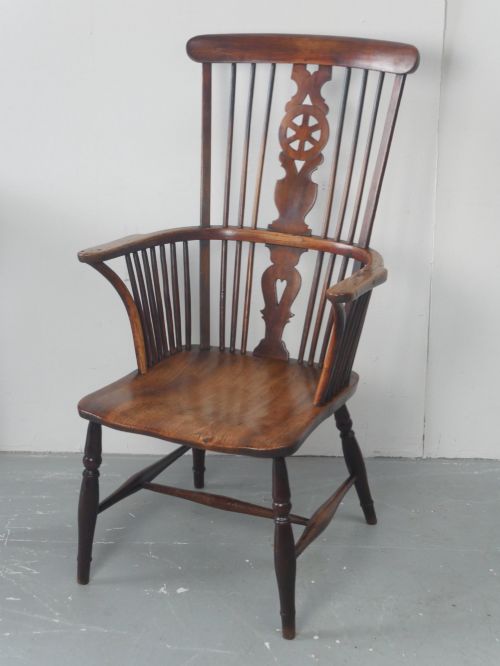
The sophistication of the turning on spindles and legs, alongside the elegance of the comb or wheel back splat, separates utilitarian workshop output from finer regional craftsmanship. Well-proportioned arms and sturdy crinoline stretchers ensure structural harmony.
The Elm Carver Armchair Glossary
- Carver
- An armchair designed with open sides to accommodate clothing, traditionally placed at the head of a dining table. These sturdy seats provide comfortable arm support during long meals.
- Windsor
- A traditional wooden chair built around a thick solid wood seat into which the legs and back spindles are independently inserted. This construction method creates a resilient, unified frame.
- Crinoline stretcher
- A bentwood horseshoe-shaped reinforcement connecting the legs of a chair to provide extra stability. It prevents the legs from wobbling under heavy downward pressure.
- Rush seat
- A woven seating surface made from dried marsh plants twisted into cords. This traditional technique produces a flexible and supportive base within a wooden frame.
- Wheelback
- A Windsor chair variation featuring a pierced wooden splat shaped like the hub and spokes of a cart wheel. This decorative back panel became popular during the nineteenth century.
Elm Carver Armchair: Frequently Asked Questions
What is an elm carver armchair?
An elm carver armchair is a traditional wooden seat featuring open arms and a durable solid wood base. These pieces originate largely from rural workshops and country houses.
They serve as functional seating with sturdy armrests, often positioned at dining tables or beside fireplaces.
How do I date an elm carver armchair?
Dating relies on examining the timber selection, tool marks on the underside of the seat, and the turning style of the legs and spindles. Eighteenth-century versions often display heavier patination and simpler vernacular joints.
Victorian examples frequently introduce steam-bent components and varied back designs such as wheelbacks or bar backs. Comparing the construction methods to known period styles clarifies the timeline.
Where were these chairs made?
Country chairmakers across rural England, particularly in the Thames Valley and northern counties, produced the majority of these armchairs. Local timber availability dictated the specific mix of woods used in each workshop.
Regional variations in back design and stretcher arrangement often point to the specific county of origin.
How do I care for antique elm furniture?
Maintain elm furniture by keeping it away from direct heat sources and sudden humidity changes to prevent the timber from splitting. Regular dusting with a soft cloth preserves the dry finish.
Applying a traditional beeswax polish occasionally helps nourish the wood and maintain its natural lustre without sealing the surface.