





Elm and Oak Stool
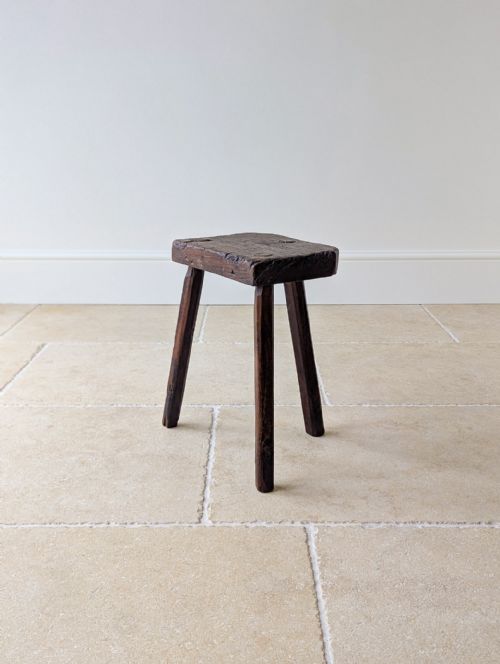
An elm and oak stool brings honest utility and vernacular character to a room, built from tough native timbers designed to last centuries.
Elm and Oak Stool
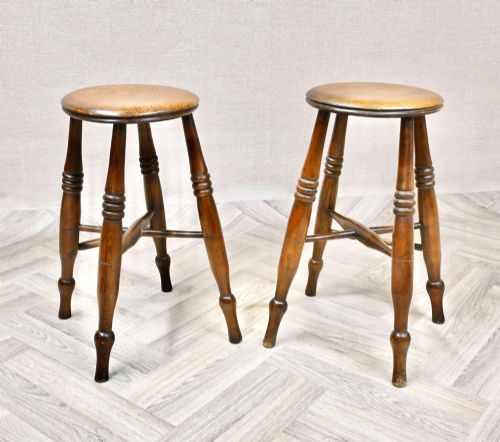
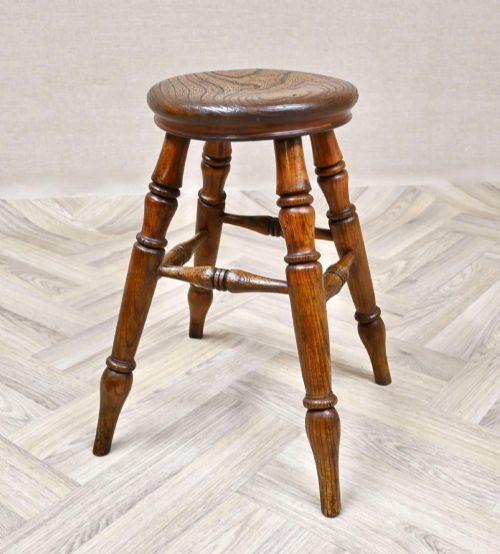
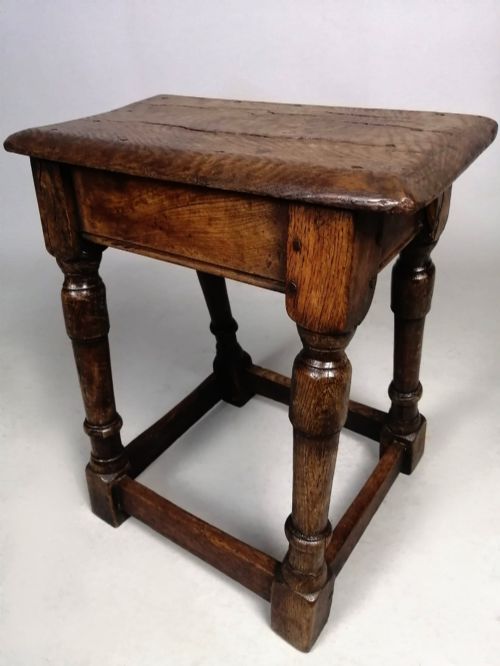
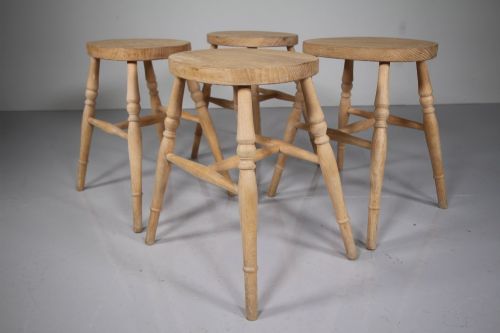
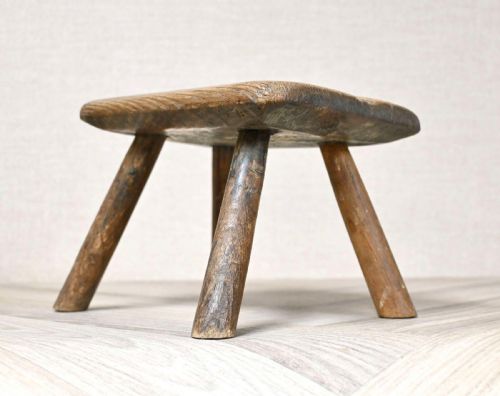
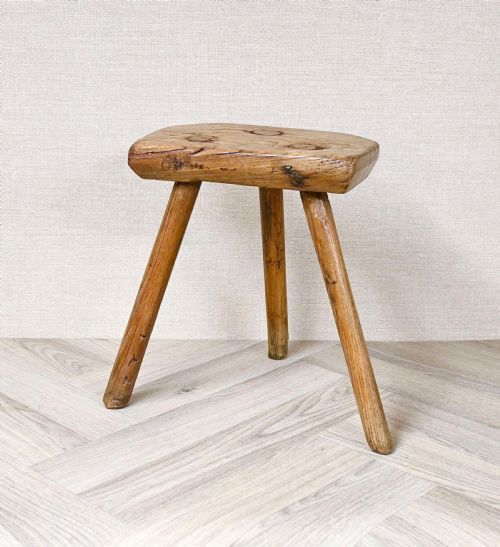
When you search for an elm and oak stool, you encounter robust seating shaped by country makers using accessible native woods. These pieces range from early joint stools to work stools and vernacular milking seats.
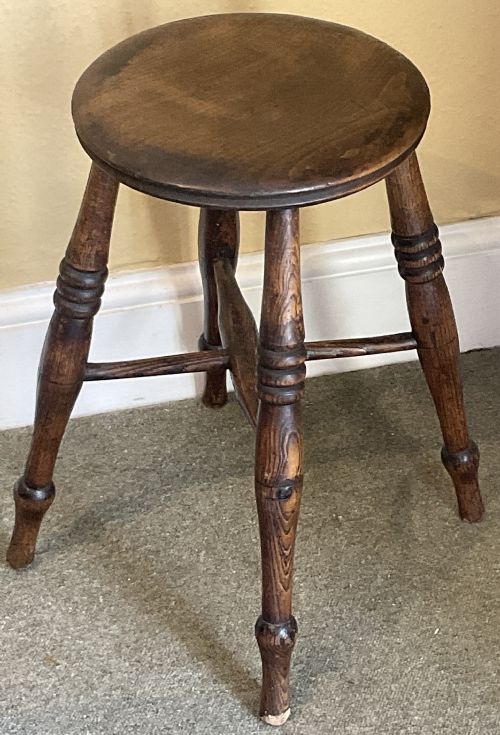
The selections here lean heavily toward country and utilitarian forms, including Windsor variations, primitive Milking stools, and low hearth seats. Domestic and trade pieces sit side by side, reflecting everyday rural and workshop life.
Makers utilised timber strength to create durable furniture without superfluous ornament. Elm seats paired with oak underframes provide the characteristic contrast found in many period examples.
Judging quality and proportion
Quality rests on the integrity of the timber selection and the retention of original surface patination. Pieces that maintain their unblemished grain and honest tool marks display greater authenticity than heavily restored equivalents.
Proportion and stance separate functional workshop items from refined domestic furnishings. A balanced rake to the legs and harmonious timber contrast elevate an ordinary utility seat into a compelling period object.
Elm and Oak Stool Retail Price Guide 2026
Typical asking prices for elm and oak stool among the pieces listed under this phrase on Sellingantiques today, from the lower quarter to the upper quarter. They describe what is for sale here now, not the wider market.
The Elm and Oak Stool Glossary
- Joint stool
- A joined wooden stool constructed with pegged mortise and tenon joints rather than turned legs driven into bored holes. These sturdy seats served various domestic purposes in early households.
- Windsor stool
- A seat featuring turned legs and spindles wedged directly into a thick sculpted elm seat. This construction method derives from traditional Windsor chair making.
- Burr elm
- A distinctive timber growth showing swirling, knotty grain patterns found on certain elm trees. Cabinet makers prize this wood for its decorative surface figure.
- Primitive country
- A descriptive term for vernacular furniture made by local carpenters using basic tools and local materials. These items prioritise direct utility over academic stylistic conventions.
Elm and Oak Stool: Frequently Asked Questions
How are elm and oak stools cleaned?
Clean these wooden surfaces using a soft, dry cloth to remove dust without disturbing the historic wax or dry finish. Avoid modern liquid polishes that can penetrate open grain and soften the patination.
Feed the timber periodically with a traditional beeswax polish if the surface feels dry to the touch. Gentle maintenance preserves the natural colour and tactile quality built up over generations.
Can I use an antique stool daily?
Most of these robust pieces were built specifically for demanding tasks in homes, dairies, and workshops. Their sturdy hardwood construction makes them entirely suitable for regular seating.
Check the joints and leg wedging occasionally to ensure stability remains firm. Everyday use connects modern interiors with the practical origins of these utilitarian forms.
What defines a joint stool?
A joint stool relies on pegged frame construction rather than simpler nailed or glued joints. Carpenters built them with rectangular underframes that could support substantial weight.
They often served as seating or side tables in early domestic settings before upholstered chairs became common. Their rectilinear geometry distinguishes them from round-seated country stools.
Where do trade stools originate?
Trade stools emerged from specific nineteenth-century workplaces such as mills, jewellers' benches, and drafting offices. Makers adapted the height and stability of each seat to suit the physical demands of a particular trade.
These functional requirements created distinct regional and occupational variations. Surviving examples document the diverse industrial and agricultural activities of the period.