





Elizabethan Oak Carving
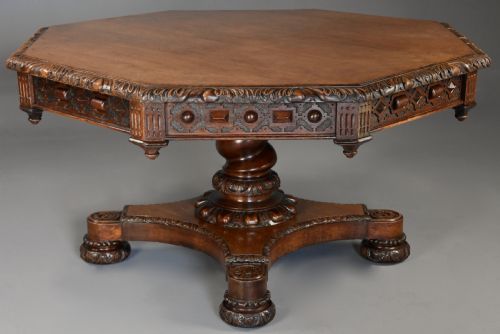
These pieces of elizabethan oak carving bring the heavy timber and deep chisel work of the late sixteenth century directly into domestic spaces.
Elizabethan Oak Carving
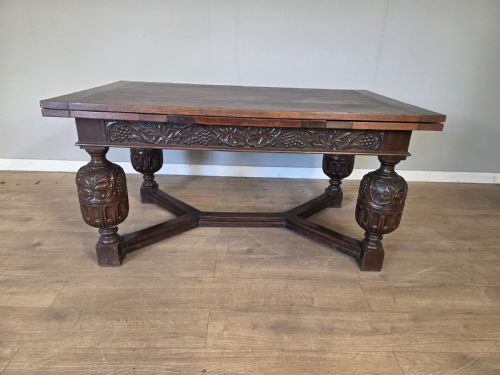
When you search for elizabethan oak carving, you encounter sturdy utilitarian forms alongside decorative architectural panels meant to display status and craftsmanship. The items span dining tables, coffers, court cupboards, and wall reliefs originating from the sixteenth century, alongside revival pieces produced centuries later.
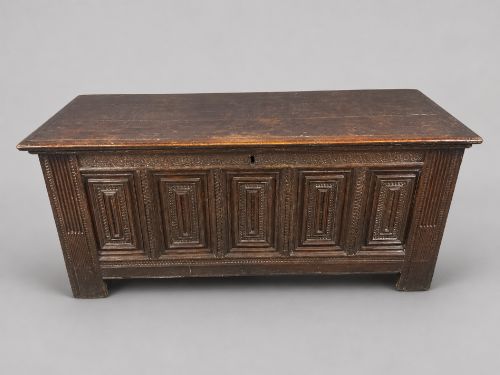
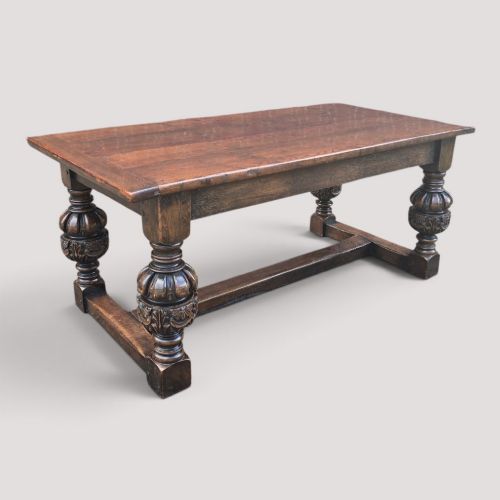
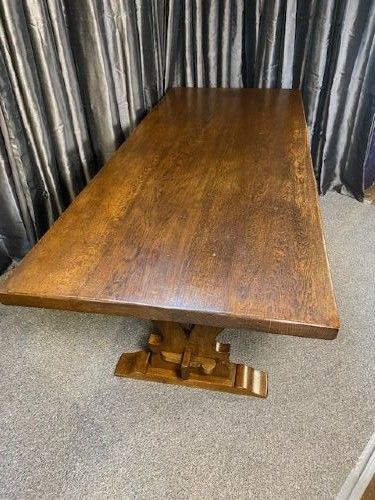
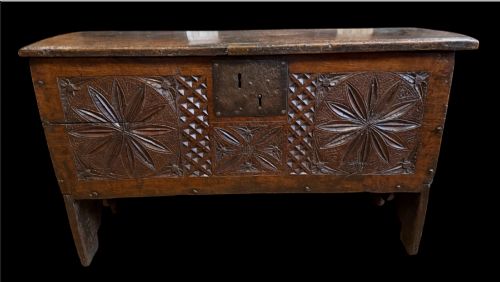
You are most likely to meet sturdy oak chests, refectory tables, and carved panels representing both authentic sixteenth-century execution and later nineteenth-century revival interpretations. These domestic objects demonstrate how heavy timber served practical storage and dining needs while carrying elaborate surface ornament.
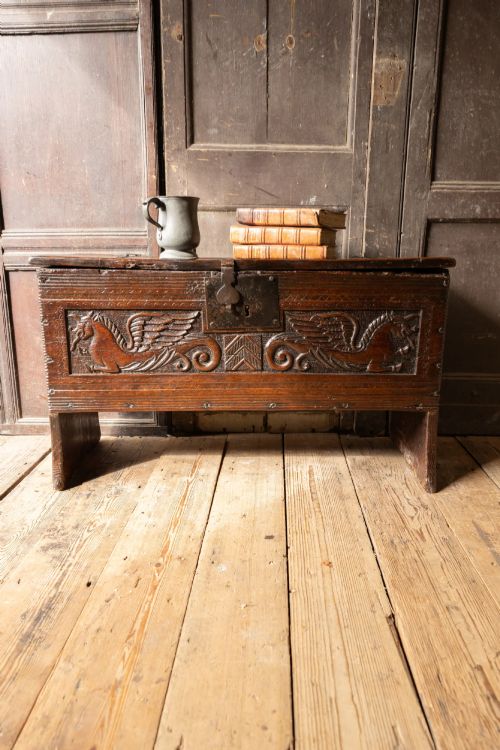
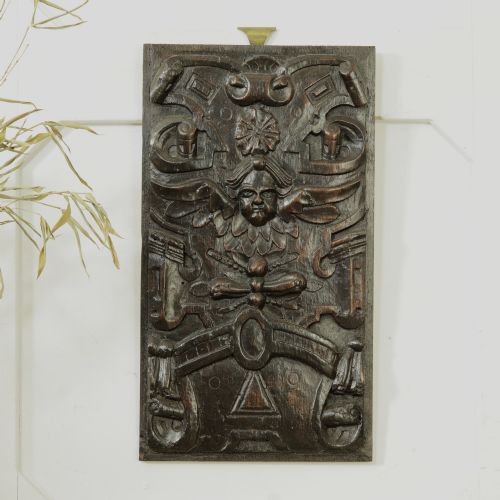
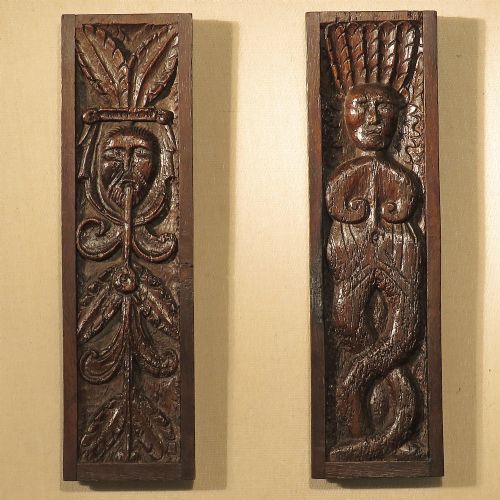
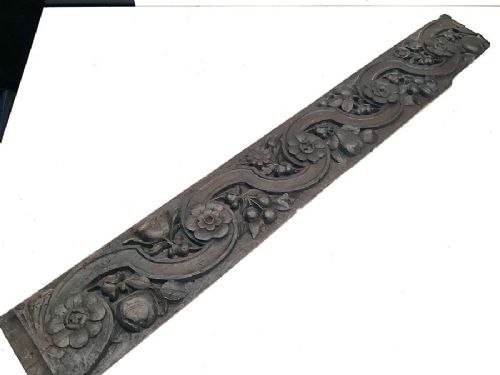
The aesthetic bridges late medieval traditions and Renaissance influences, showing geometric strapwork, foliate motifs, and figural reliefs. Regional British workshops produced these items using native timber, leaving tool marks and structural variations that define the individual character of each survivor.
Materials and Construction
Makers utilised solid native oak alongside walnut, fruitwood inlay, and occasional wrought iron or brass hardware to construct sturdy frames and panels. Timber was quarter-sawn to expose attractive medullary rays, providing stability for large table tops and coffer lids.
Joinery relied heavily on mortise and tenon joints secured with wooden pegs rather than metal nails, allowing the timber to expand and contract naturally. Carvers worked directly onto the seasoned wood using gouges and chisels to produce high-relief panels, strapwork borders, and figural scenes.
Elizabethan Oak Carving Retail Price Guide 2026
Typical asking prices for elizabethan oak carving among the pieces listed under this phrase on Sellingantiques today, from the lower quarter to the upper quarter. They describe what is for sale here now, not the wider market.
The inventory records practical household items including refectory tables, court cupboards, and panelled cradles.
Evaluating the Pieces
Depth and crispness of the chisel work distinguish superior carved panels from simpler, flatter surface decoration. The clarity of geometric strapwork and the naturalism of figural motifs indicate the skill level of the original hand.
The integrity of the timber and the extent of surviving original elements determine the standing of each piece. Retaining original top boards on tables and untouched patination on chests separates unaltered examples from heavily restored counterparts.
Richard Bridgens
The Elizabethan Oak Carving Glossary
- Coffer
- A heavy wooden chest used for storage, typically constructed from thick oak planks joined at the corners. These boxes often feature carved front panels and served as seating or travel trunks.
- Court Cupboard
- An open or enclosed set of shelves used for displaying plate and storing household provisions. They appear in prominent domestic rooms during the sixteenth and seventeenth centuries.
- Refectory Table
- A long dining table supported by heavy legs and connected by floor-level stretchers. These pieces accommodated large households in communal dining halls.
- Strapwork
- A decorative motif consisting of flattened bands arranged in intricate geometric patterns resembling leather straps. It dominates surface ornamentation on panels and friezes.
- Tester Bed
- A bed featuring a wooden canopy supported by four corner posts. These large sleeping structures often incorporated carved headboards and inlaid details.
Elizabethan Oak Carving: Frequently Asked Questions
What is an Elizabethan coffer?
An Elizabethan coffer is a heavy wooden storage chest made from thick oak planks, frequently decorated with carved panels and strapwork. People used them to secure valuable textiles, documents, and domestic goods.
Over time these chests also functioned as benches or tables within the home. Their robust construction allowed them to survive centuries of domestic use.
How do I spot a revival piece?
Revival pieces, often produced during the nineteenth and early twentieth centuries, mimic sixteenth-century forms using period styles like Elizabethan and Jacobean. They frequently employ machine-sawn timber or lighter framing methods alongside historic decorative motifs.
Examination of tool marks, timber shrinkage, and joint construction helps differentiate these later interpretations from authentic sixteenth-century items.
Where were these items used?
These pieces formed the heavy furnishings of sixteenth-century manor houses, farmhouses, and merchant dwellings. Dining tables sat in great halls, while coffers and cupboards stood in chambers and parlours.
They provided essential storage and surface space for daily domestic life before fitted furniture became common.
How do I care for old oak?
Old oak requires stable indoor humidity and protection from direct heat sources to prevent the timber from splitting or warping. Regular dusting with a dry cloth keeps the surface clean without stripping the historic finish.
Application of traditional wax polish occasionally helps nourish the dry grain and maintain the natural patination built up over centuries.