







Eighteenth Century Walnut Furniture
Eighteenth century walnut furniture brings rich grain and domestic warmth to a room, spanning grand bureau bookcases and understated lowboys.
Eighteenth Century Walnut Furniture
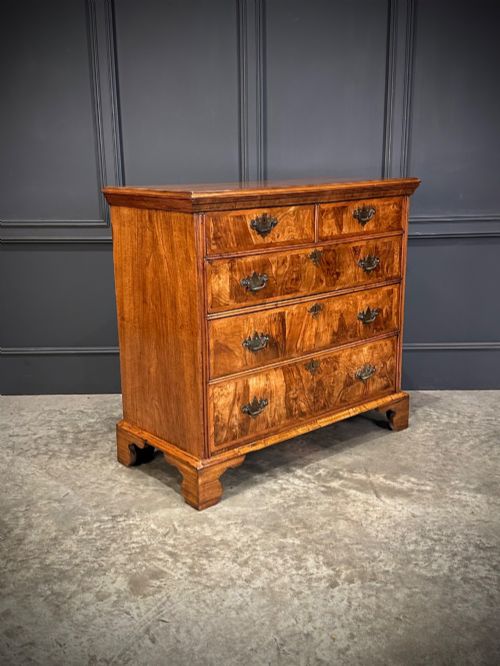
Eighteenth century walnut furniture covers a robust domestic range from chests of drawers and lowboys to bureau bookcases and commodes. Pieces arrive from English, Dutch, French, Italian, and German workshops across the seventeenth century, eighteenth century, and nineteenth century, alongside later revivals.
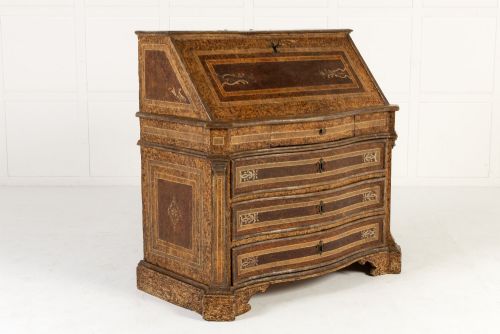
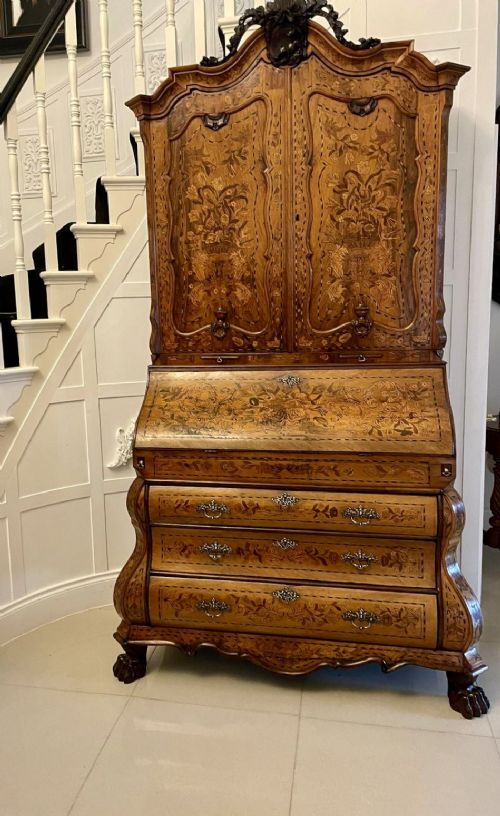
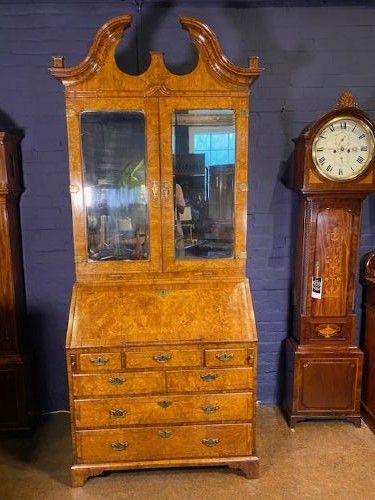
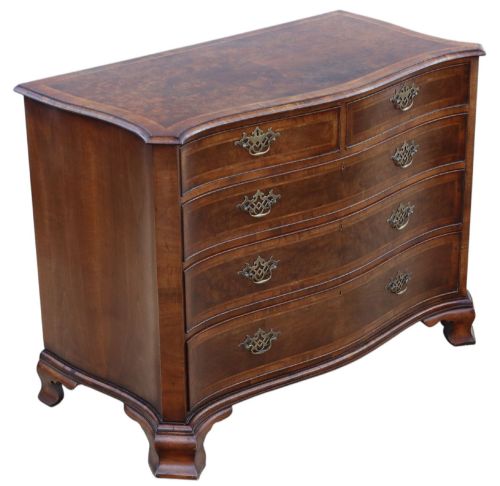
The bureau bookcase stands out as a major form, often featuring double dome tops or floral marquetry. Chests of drawers, cabinets on chests, and side tables appear frequently alongside desks and games tables.
Materials and construction
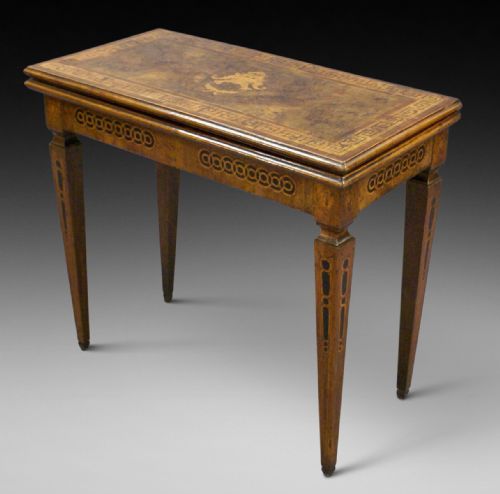
Workshops utilised solid walnut and burr walnut veneer, laid over secondary woods such as oak, pine, and fruitwood to build sturdy carcass frames. Crossbanding and marquetry inlay introduce decorative contrast across drawer fronts and desk surfaces.
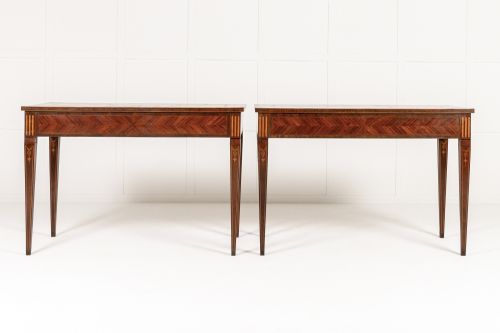
Brass handles, escutcheons, and hinges secure doors and drawers, while glass panels feature in upper bookcase sections. Kingwood also surfaces in regional Continental console tables and specialised cabinet work.
Eighteenth Century Walnut Furniture Retail Price Guide 2026
Typical asking prices for eighteenth century walnut furniture among the pieces listed under this phrase on Sellingantiques today, from the lower quarter to the upper quarter. They describe what is for sale here now, not the wider market.
Several pieces arrive with secret compartments hidden behind seemingly ordinary writing desk pigeonholes.
Craftsmanship and design
The ambition of the surface decoration dictates distinction, separating simple vernacular pieces from elaborate Dutch marquetry or Italian serpentine commodes. The handling of burr walnut veneer and the precision of floral inlay reveal the hand of skilled cabinet makers.
Proportion and structural restraint elevate certain examples, such as George I kneehole desks and Queen Anne cabinets on chests. Regional regional variations, from French provincial buffets to Venetian double dome bookcases, display distinct regional carving vocabularies.
The Eighteenth Century Walnut Furniture Glossary
- Burr walnut
- Timber taken from the growth excrescences of walnut trees, yielding highly figured patterns used for decorative veneering. It creates rich swirling patterns across drawer fronts.
- Marquetry
- Inlaid patterns of wood veneers applied to furniture surfaces to create pictorial or floral designs. Artisans cut different timbers to fit tightly into intricate geometric or botanical schemes.
- Crossbanding
- A narrow strip of veneer laid around the border of a panel so that the grain runs at right angles to the central wood. This frames the primary grain and provides a neat visual boundary.
- Lowboy
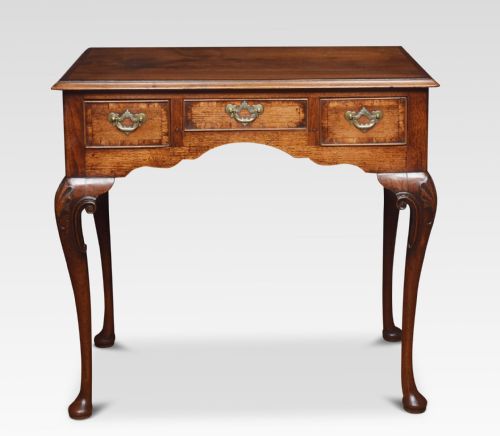
- A small table with one or more rows of drawers, commonly used as a dressing table or side table in the eighteenth century. It typically stands on four slender legs.
- Commode
- A low chest of drawers or cabinet developed in France and adopted across Europe during the eighteenth century. These often feature curved serpentine fronts and polished marble or wooden tops.
Eighteenth Century Walnut Furniture: Frequently Asked Questions
How do I care for walnut furniture?
Keep wooden pieces away from direct sunlight and steady domestic heat sources to prevent the burr veneer from drying out and lifting.
Apply a traditional wax polish occasionally and buff gently with a soft cloth to maintain the natural sheen of the timber.
Where were these pieces made?
Workshop origins span England, France, Italy, Germany, and the Netherlands, reflecting distinct regional tastes in domestic design.
Continental pieces frequently incorporate marquetry or serpentine shapes, while English examples emphasise architectural proportions and figured wood grain.
What is a bureau bookcase?
A bureau bookcase combines a sloping desk front that opens for writing with upper shelving enclosed by cabinet doors.
These large storage items often serve as focal points in a study or living area, displaying books behind glass panels.
How do I identify a lowboy?
A lowboy is a compact table fitted with drawers beneath the work surface, designed for smaller rooms or dressing spaces.
They sit lower than standard writing desks and function well as side tables or occasional stands in hallways.