





Eighteenth Century Stand
An eighteenth century stand brings genuine Georgian utility into a room, offering sturdy timber surfaces and refined craftsmanship that anchor a traditional interior.
Eighteenth Century Stand
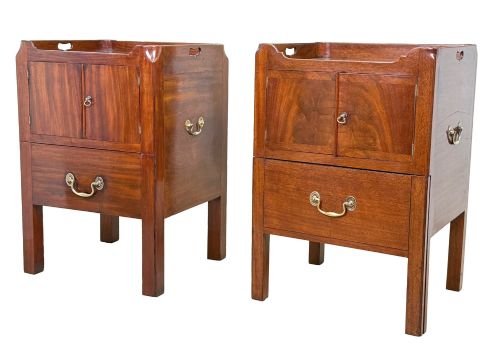
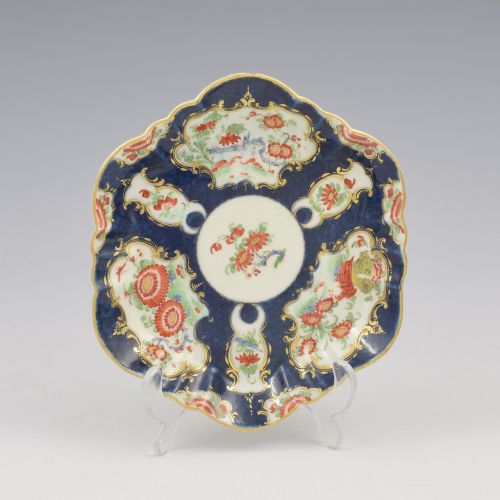
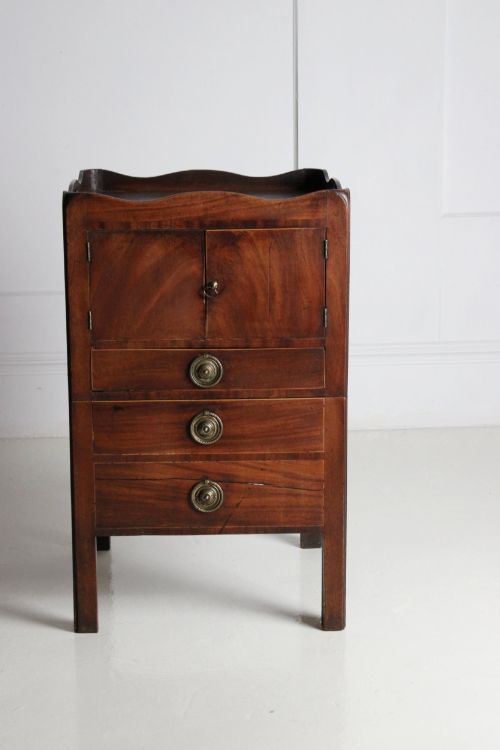
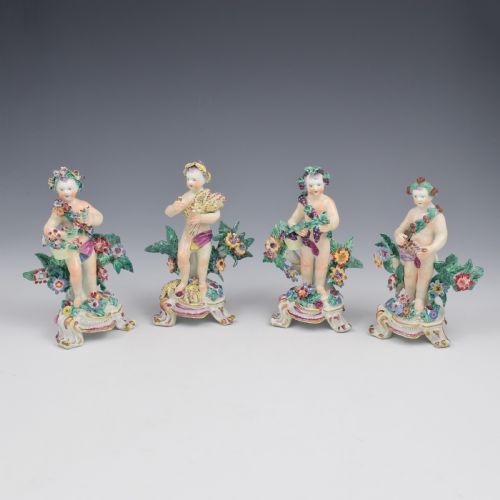
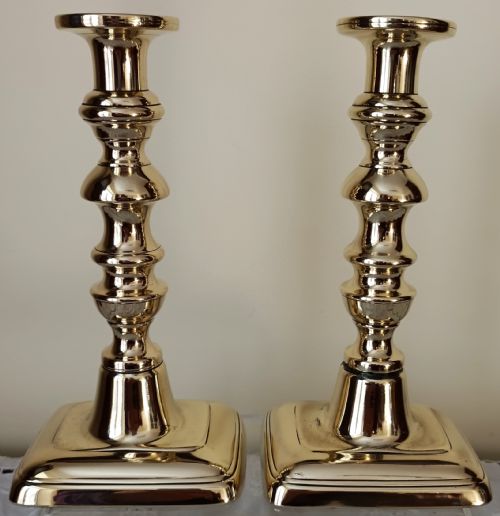
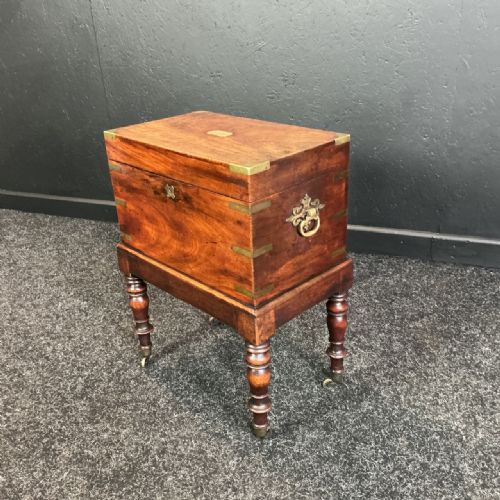
When searching for an eighteenth century stand, a buyer encounters a diverse group of functional antique furnishings ranging from mahogany bedside night tables and butler's trays to silver chests on stands and porcelain teapot supports. These pieces served practical domestic roles in Georgian households, holding porcelain, lighting, or serving refreshments.
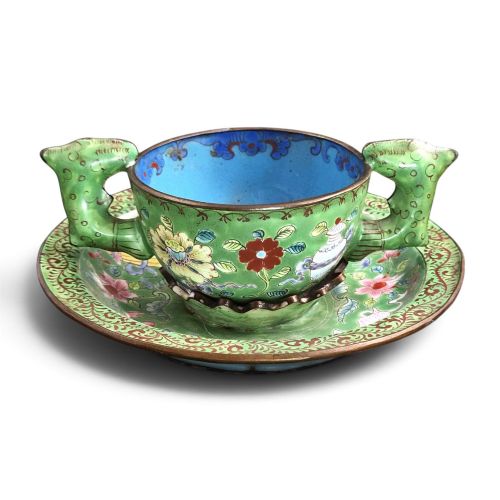
Originating predominantly from eighteenth-century British workshops, these pieces also include Chinese export lacquer and enamel items that reached European markets during the same era. Each item provides a tangible link to period interior arrangements, whether functioning as a bedside companion or a dining room server.
Materials and construction methods
Cabinetmakers relied heavily on dense hardwoods like mahogany, oak, walnut, and sycamore, selecting timber for both structural strength and attractive grain patterns. Surfaces were frequently polished by hand to a deep sheen, while specialised items incorporated brass hardware, gold leaf, or lacquer work.
Construction techniques visible in these listings include traditional joinery, such as dovetailing for drawer construction and mortise and tenon joints for frames. Tripod tables and dumb waiters showcase specialist turning and pillar construction, allowing multi-tiered surfaces to rotate or tilt securely.
Eighteenth Century Stand Retail Price Guide 2026
Typical asking prices for eighteenth century stand among the pieces listed under this phrase on Sellingantiques today, from the lower quarter to the upper quarter. They describe what is for sale here now, not the wider market.
Listings feature mahogany, oak, walnut, brass, and glass items spanning the eighteenth, nineteenth, and early twentieth centuries.
Distinctions in quality and execution
The distinction between ordinary and exceptional pieces rests upon the precision of the cabinetmaker's joinery and the selection of timber figures. Superior examples display finely figured mahogany veneers, crisply carved tripod legs, and well-balanced proportions that maintain stability without excessive bulk.
Secondary elements such as original brass handles, escutcheons, and uncompromised surface patination elevate a piece significantly. Finer stands retain their original structural integrity and finish, whereas lesser examples show heavy alterations or unsympathetic repairs over centuries of domestic use.
J.T. & Co·Gillows·Dwerrihouse & Carter·John Jackson·Robert Darling·Stanyer Nantwich
The Eighteenth Century Stand Glossary
- Chest on Stand
- A tall storage chest raised upon a separate or integrated low support base with legs. This form lifts textiles and valuables away from damp floors.
- Dumb Waiter
- A tiered piece of furniture featuring multiple rotating or fixed circular shelves on a central pillar. These served meals without requiring servants in the room.
- Butler's Tray
- A portable wooden tray with hinged sides, designed to rest upon a dedicated folding stand. They allowed refreshments to be transported and served easily.
- Tripod Table
- A small occasional table supported by a central pillar above three spreading legs. This design prevented the table from wobbling on uneven floorboards.
- Chinoiserie
- European imitation and adaptation of Chinese artistic traditions, expressed through lacquer work and decorative motifs. This style gained immense popularity during the Georgian period.
Eighteenth Century Stand: Frequently Asked Questions
How do I use a bedside night table today?
These compact tables fit neatly beside modern beds, offering a surface for lamps and books while introducing period character to a bedroom.
Their enclosed cupboards and drawers provide practical concealed storage for nighttime essentials without taking up excessive floor space.
Where should I place a dumb waiter?
A multi-tiered dumb waiter works effectively in a dining room or spacious living area as a functional display surface for ceramics or glassware.
The tiered shelves allow you to arrange objects vertically, making the most of corner spaces while highlighting the timber grain.
What is a chest on stand?
A chest on stand combines a tall drawer section positioned securely upon a lower open frame with legs, elevating storage off the ground.
Originating in earlier centuries, this configuration lightens the visual weight of heavy timber furniture within a room.