




Eighteenth Century Lighting
Eighteenth century lighting brings genuine period atmosphere into a room, offering functional illumination through finely cast brass, porcelain, and bronze.
Eighteenth Century Lighting
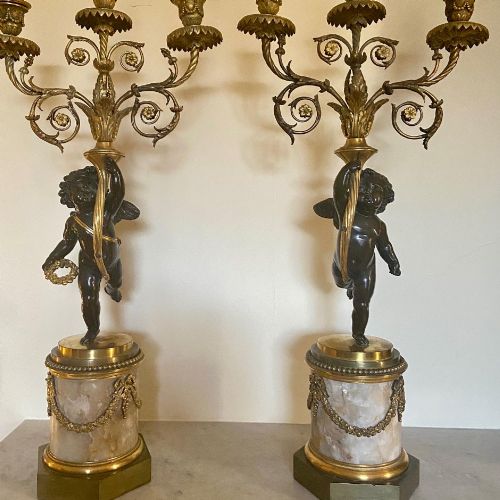
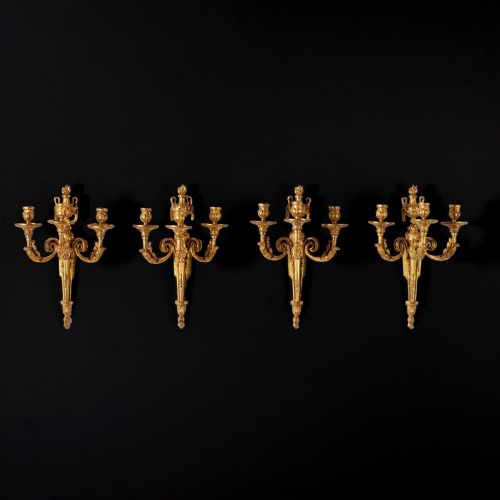
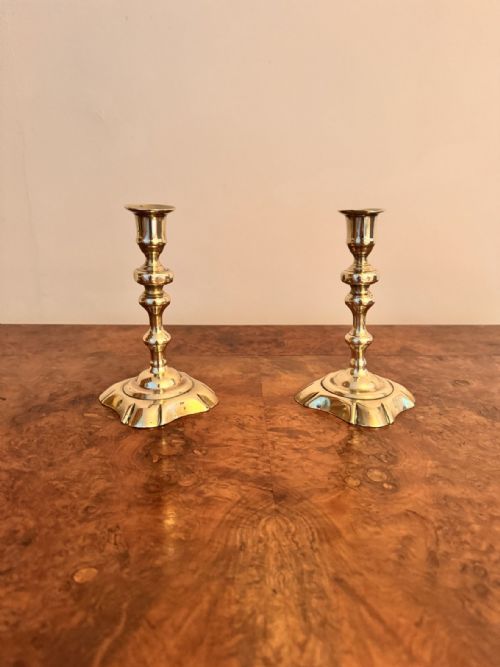
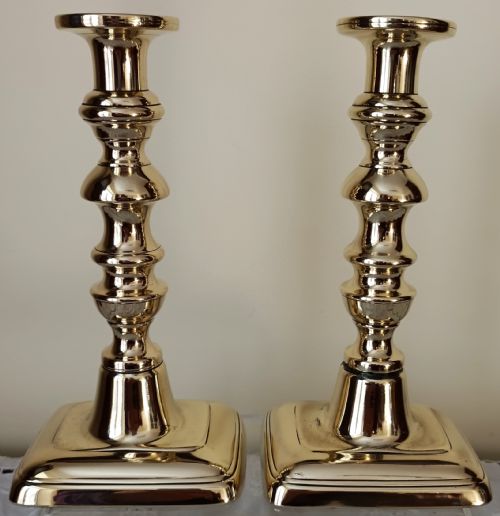
Buyers searching for eighteenth century lighting encounter a diverse range of functional pieces, with brass candlesticks forming the most common type on this page. These domestic objects span the Georgian and Queen Anne periods, alongside continental examples in Louis XV and Louis XVI styles.
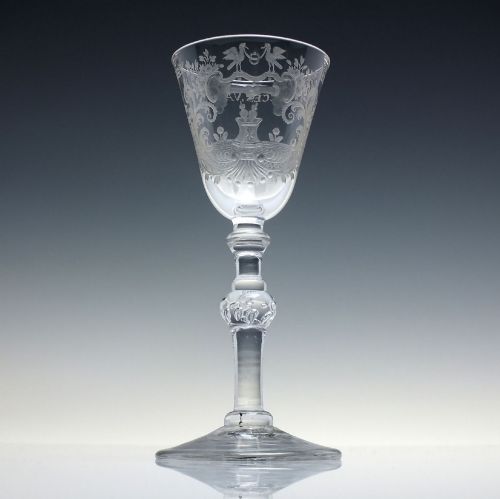
The selection extends beyond simple candlesticks to encompass multi-branched wall lights, candelabra, and chandeliers constructed from copper, brass, and porcelain. Alongside these primary illumination items, the inventory includes related decorative forms such as wine goblets and converted vase lamps.
How they were made
Ceramic components utilise porcelain from English factories like Bow or imported Asian wares such as Arita and Famille Verte. These ceramic bodies are frequently paired with metal mounts or adapted into table lamps.
Eighteenth Century Lighting Retail Price Guide 2026
Typical asking prices for eighteenth century lighting among the pieces listed under this phrase on Sellingantiques today, from the lower quarter to the upper quarter. They describe what is for sale here now, not the wider market.
Materials across these listings include cast brass, ormolu, patinated bronze, fluorspar, mahogany, and Bow porcelain.
What varies in quality
The refinement of the casting and chasing distinguishes standard domestic wares from high-end pieces, particularly visible in the crisp detail of bronze putti or rococo scrollwork. Heavier gauge metalwork and sophisticated joins indicate superior craftsmanship.
Originality of components and surface patination dictate desirability, where untouched historical metal surfaces hold greater appeal than modern interventions. The artistic integration of materials, such as combining fluorspar with patinated bronze, elevates specific items.
Francois Redmond
The Eighteenth Century Lighting Glossary
- Ormolu
- Gilded bronze. This decorative technique involves applying a finely ground gold-mercury amalgam to bronze objects.
- Fluorspar
- A halide mineral. It is used for decorative bowls and shafts in ornamental candelabra.
- Bocage
- Porcelain foliage. This applied floral background is characteristic of eighteenth-century figures and candlestick supports.
- Baluster
- An architectural column shape. In glassware, it describes a swelling, vase-like stem on wine goblets.
- Chinoiserie
- European artistic style reflecting Chinese motifs. This aesthetic influences decorative porcelain and metal designs.
Eighteenth Century Lighting: Frequently Asked Questions
How were eighteenth century wall lights used?
Wall lights provided ambient illumination in principal rooms by reflecting candlelight off polished metal backplates and mirrors. They were typically positioned in pairs or sets along panelled walls.
Their multi-branch configurations allowed multiple candles to burn simultaneously, maximising the available light before the invention of electric wiring.
Can I use antique candlesticks daily?
Most brass and bronze candlesticks remain structurally sound for everyday use with standard taper candles. Care must be taken to protect antique metal surfaces from wax drips and harsh cleaning agents.
Porcelain candlesticks require more careful handling due to the fragile nature of glazed ceramic bodies and applied bocage work.
What is a light baluster?
A light baluster is a distinct form of eighteenth-century drinking glass featuring an enclosed air tear within a thick stem. This design element adds visual interest beneath the bowl.
These glasses were produced for refined dining and social occasions during the Georgian era, often showing precise engraving on the vessel body.