




Eight Arm Light Fixture
An eight arm light fixture brings genuine period character and commanding overhead illumination to a room.
Eight Arm Light Fixture
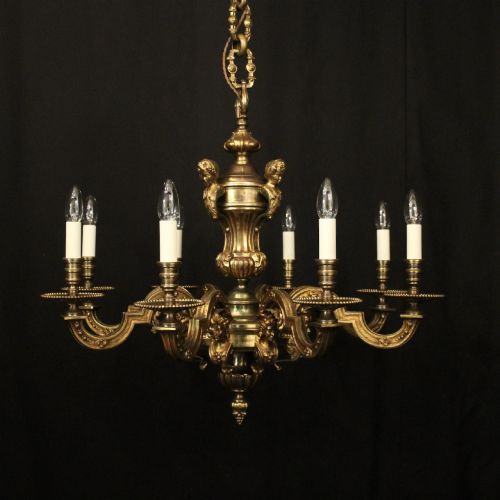
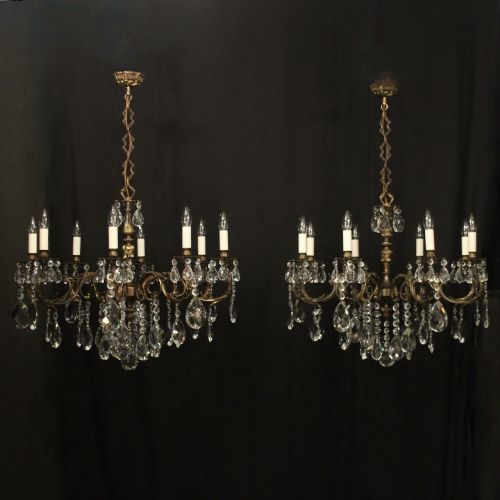
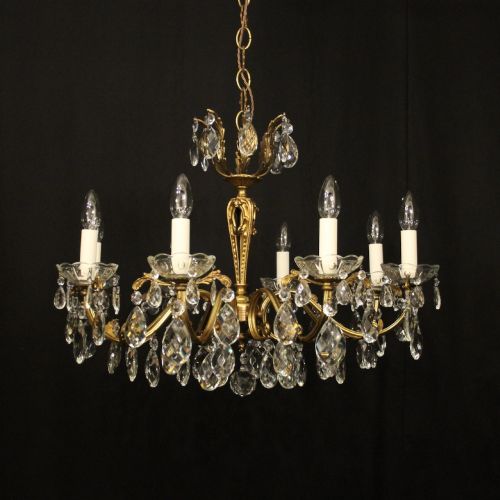
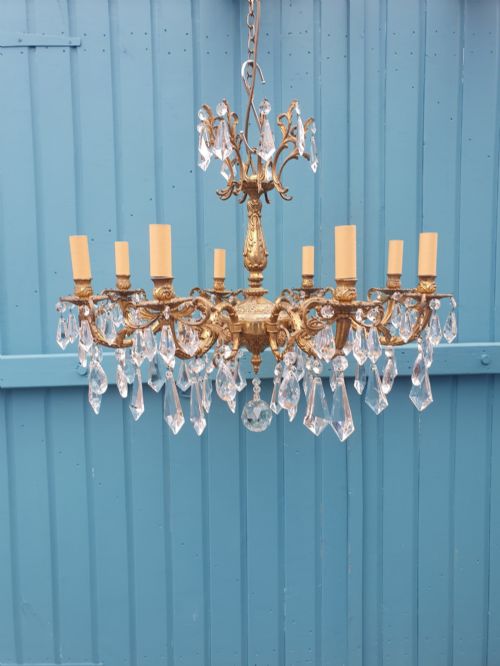
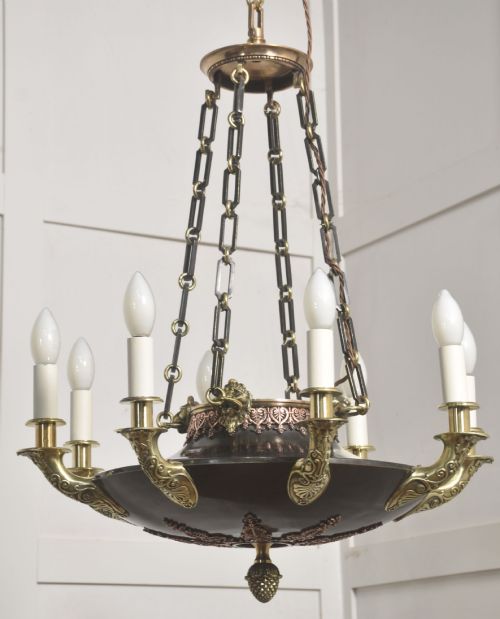
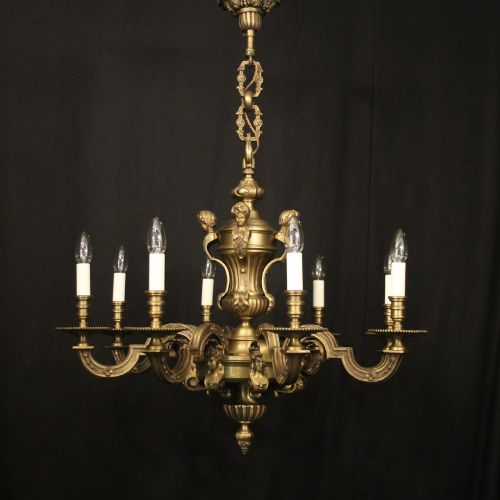
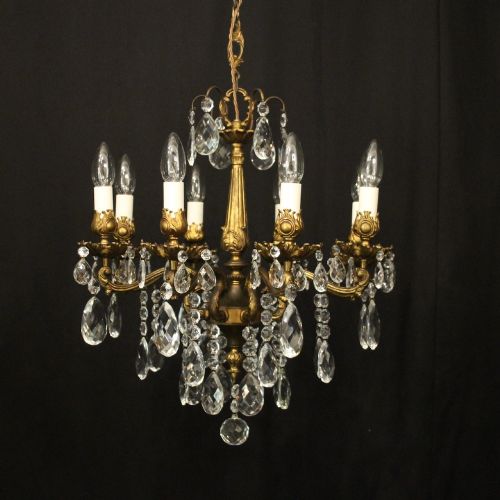
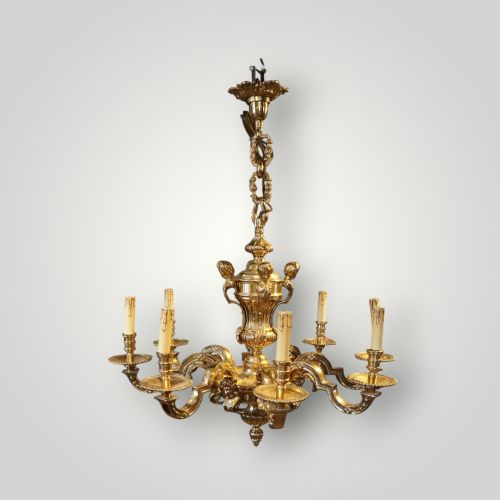
An eight arm light fixture is fundamentally a chandelier designed with eight distinct branches to distribute illumination evenly across a space. Buyers searching this phrase encounter substantial hanging fittings originating primarily from the nineteenth and early twentieth centuries.
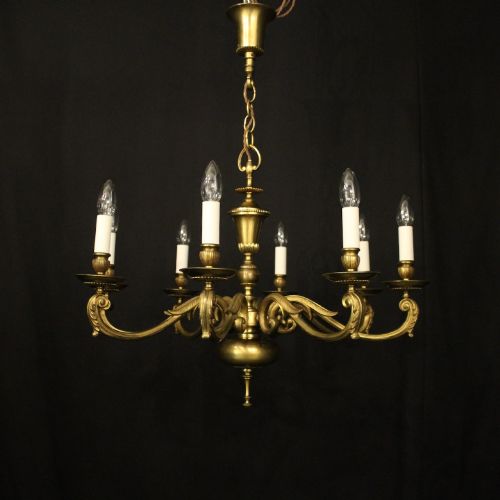
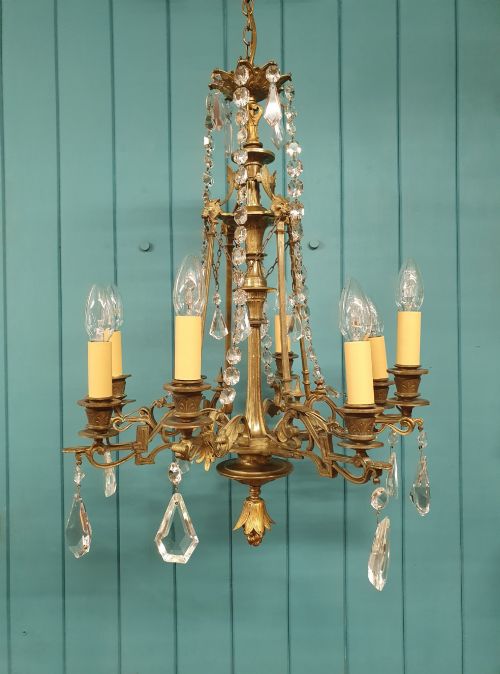
The selection on this page relies heavily on French and English country house aesthetics alongside Dutch revival designs. Brass forms the backbone of these pieces, frequently accompanied by gilded bronze or cut glass crystal elements.
Most examples date from the Edwardian era up to the nineteen-thirties, spanning revival styles such as French Rococo and Empire. These lighting centerpieces anchor high ceilings and command attention in principal rooms.
What varies in quality
The refinement of the cast metal ornamentation dictates the distinction between standard and superior pieces. Crisp detailing on acanthus leaf mounts and figurative elements indicates skilled foundry work.
The integration of cut glass crystal and the weight of the base metal determine the overall solidity and visual richness of the chandelier. Heavier gauges of brass and well-preserved gilding elevate the standing of an individual fixture.
Eight Arm Light Fixture Retail Price Guide 2026
Typical asking prices for eight arm light fixture among the pieces listed under this phrase on Sellingantiques today, from the lower quarter to the upper quarter. They describe what is for sale here now, not the wider market.
The listings on this page span the nineteenth century through the Edwardian period and the nineteen-thirties.
The Eight Arm Light Fixture Glossary
- Ormolu
- Gilded bronze used extensively in French decorative lighting and mounts. It provides a rich gold-coloured surface that resists tarnishing.
- Acanthus
- A classical foliage motif modelled in cast brass or bronze on arms and mounts. This decorative leaf pattern derives from ancient architectural stonework.
- Toleware
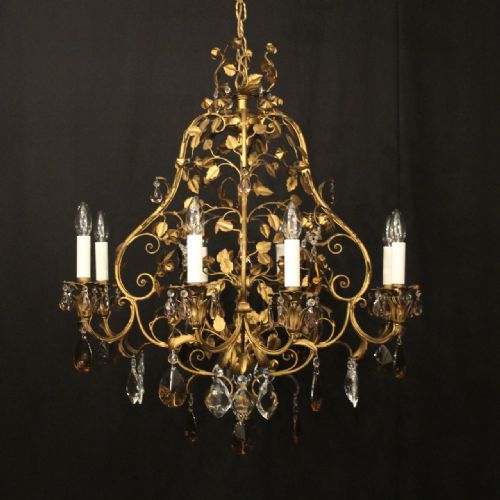
- Painted or lacquered metalware employed in specific cage-style chandelier bodies. It introduces colour and regional folk character to the fitting.
- Mazarin
- A specific French lighting form characterised by particular cage or arm configurations. These pieces display distinct continental proportions.
- Pendant
- A lighting fixture suspended from the ceiling by a chain, rod, or cord. This term applies to any hanging chandelier format.
Eight Arm Light Fixture: Frequently Asked Questions
How do I hang an eight arm light fixture?
These chandeliers require secure anchoring into ceiling joists using a heavy-duty electrical box and hook capable of supporting substantial metal weight. Professional installation is strongly recommended due to the heft of cast brass and crystal components.
Height placement depends on ceiling elevation and room function. In dining spaces, the fixture typically hangs closer to the table surface while maintaining clear sightlines.
Can I use modern bulbs in an antique fixture?
Most period fittings accept standard modern candelabra-base bulbs once rewired to contemporary safety standards. Energy-efficient LED alternatives work well if they match the physical dimensions of the original candle tubes.
Consult a qualified electrician to inspect existing internal wiring before installation. Older sockets may require replacement to meet current electrical codes.
How do I clean cut glass crystal drops?
Crystal elements should be washed by hand using a mild solution of warm water and dish soap. Individual drops are usually unhooked from the frame for thorough cleaning and drying.
Avoid immersing entire metal frames in water to protect the underlying brass, bronze, or gilded finish. Wipe down structural arms with a soft, dry cloth.
What distinguishes Edwardian lighting from earlier periods?
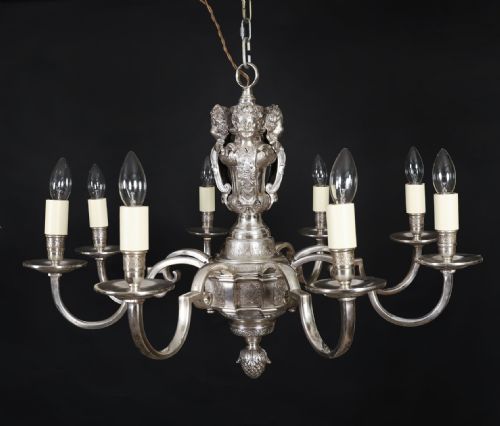
Edwardian fixtures often feature brighter metallic finishes such as nickel plating alongside traditional brass. The design lines tend toward lighter proportions compared to heavy nineteenth-century revival pieces.
Earlier nineteenth-century examples frequently showcase more exuberant casting and deeper patination. Dutch and French regional variations introduce distinct scrollwork and arm profiles.