


Egyptian Revival Bronze Figurine
An egyptian revival bronze figurine brings the grandeur of the ancient pharaohs into domestic interiors through striking metalwork.
Egyptian Revival Bronze Figurine
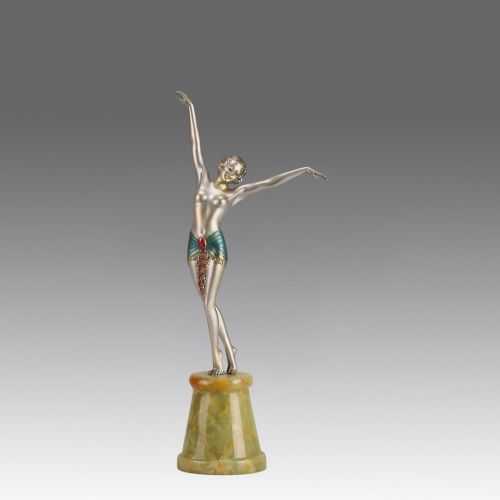
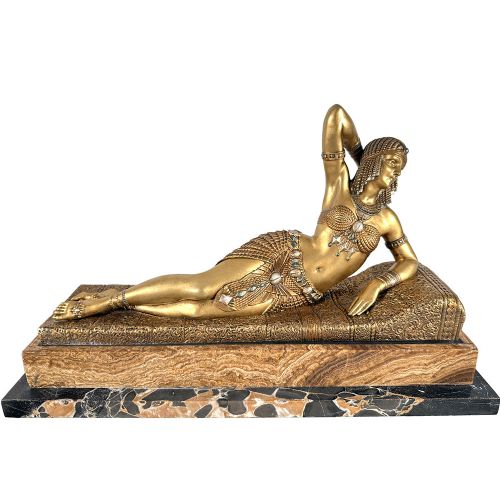
When you search for an egyptian revival bronze figurine, you encounter sculptural works spanning the nineteenth and twentieth centuries, particularly influenced by Grand Tour travel and the Art Deco movement. These pieces range from classical sphinxes and sacred cats to reclining figures of Cleopatra and dancers styled as Egyptian figures.
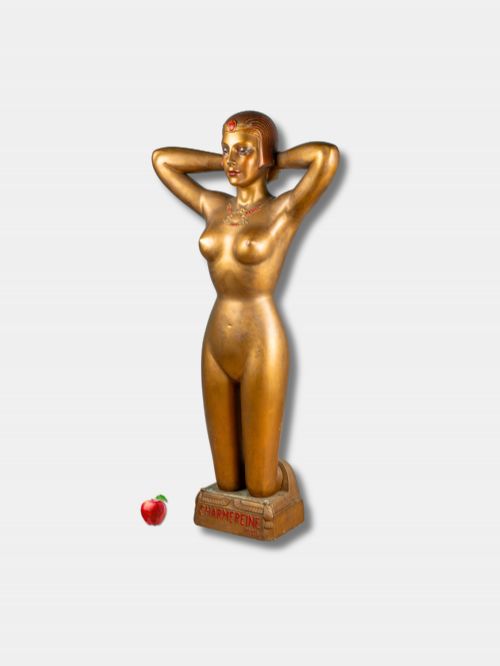
The objects take several forms, including standalone cabinet sculptures, larger figures on heavy stands, advertising mannequins, candlesticks, and architectural fountain heads. Many examples integrate classical motifs with the sleek geometries typical of early twentieth-century design.
The aesthetic bridges archaeological discovery and modern decorative arts, capturing nineteenth-century grand tour interests alongside 1920s and 1930s avant-garde interpretations. You will find both signed masterworks by notable sculptors and anonymous workshop productions.
Materials and construction
The foundation of these works relies on cast metal, utilising patinated bronze, cold-painted surfaces, and occasional gilding. Sculptors frequently paired the heavy metal with contrasting natural stone bases made from marble or onyx.
Detailed ornamentation often incorporates enamel work and polychrome paint, particularly on cold-painted figures and costume elements. The casting and finishing methods combine traditional foundry techniques with applied surface decoration characteristic of their respective eras.
The site listings feature bronze, marble, onyx, enamel, plaster, and paint across periods spanning the nineteenth century into the mid-twentieth century.
Assessing quality in the metalwork
The integration of the figure with its plinth marks another distinction, as finer sculptures use high-grade marble or onyx tailored precisely to the bronze element. The presence of clear signatures or known foundry marks further elevates the standing of an individual piece.
Josef Lorenzl·Demetre Chiparus·Charmereine·Guillot
The Egyptian Revival Bronze Figurine Glossary
- Patinated bronze
- Bronze treated with chemical solutions to produce a specific surface colour and finish. This layer protects the metal while enhancing visual depth.
- Grand Tour
- A cultural journey of Europe undertaken by wealthy young men in the eighteenth and nineteenth centuries. It generated a market for small bronzes and antiquities as souvenirs.
- Cold-painted
- A technique where paint is applied to a metal object without heat firing. It allows for vibrant polychrome detailing on garments and accessories.
- Shabti
- A small funerary figurine placed in ancient Egyptian tombs to act as a servant for the deceased. Nineteenth-century interpretations translate this form into decorative cabinet objects.
Egyptian Revival Bronze Figurine: Frequently Asked Questions
How do I date an egyptian revival bronze figurine?
Dating relies on stylistic markers, such as the streamlined geometry of Art Deco pieces compared to the classical realism of nineteenth-century Grand Tour items. Material combinations, foundry marks, and mounting techniques also provide secure chronological clues.
Examining the base materials, such as specific types of marble, helps narrow down the decade of production.
What is the difference between Grand Tour and Art Deco pieces?
Grand Tour pieces from the nineteenth century focus on literal interpretations of archaeological discoveries like lions and sphinxes. Art Deco examples from the 1920s and 1930s blend Egyptian motifs with modern theatrical styling and dance.
The earlier works lean towards classical education, while the later ones emphasise decorative glamour.
How should I display these bronzes at home?
These figures require stable surfaces capable of supporting the combined weight of the metal and stone plinth. Placing them away from direct heat sources protects any cold-painted surfaces or enamel details.
Good lighting helps accentuate the patina and subtle contours of the cast metal.
Are all egyptian revival bronzes signed?
Many fine pieces bear signatures or foundry stamps from prominent sculptors, but a significant number of workshop productions remain unsigned. Anonymity does not diminish the quality of the casting or the decorative appeal of the object.
Unsigned pieces often reflect the broader popularity of the style rather than individual authorship.