

Edwardian Wooden Pedestal Cabinet
An edwardian wooden pedestal cabinet brings compact utility and refined timber grain to a room, offering practical storage with period elegance.
Edwardian Wooden Pedestal Cabinet
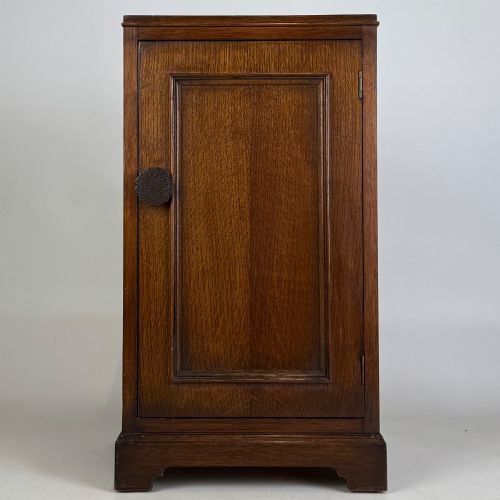
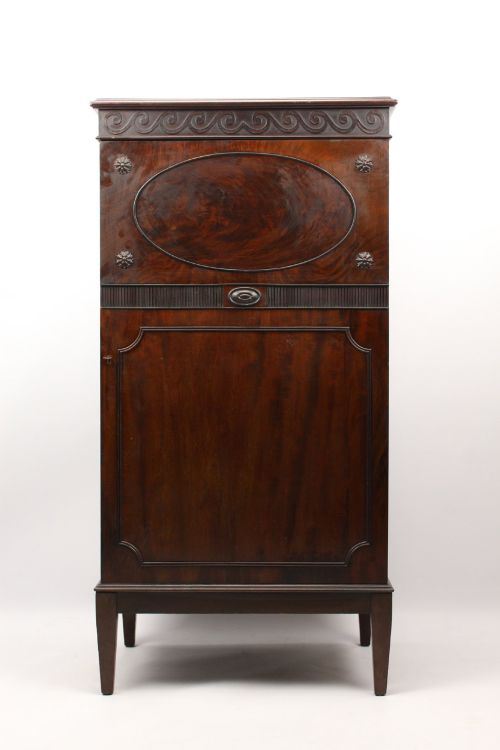
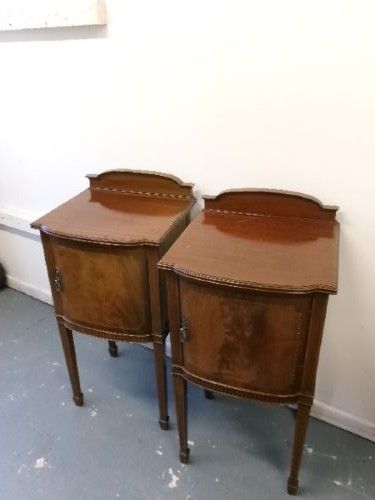
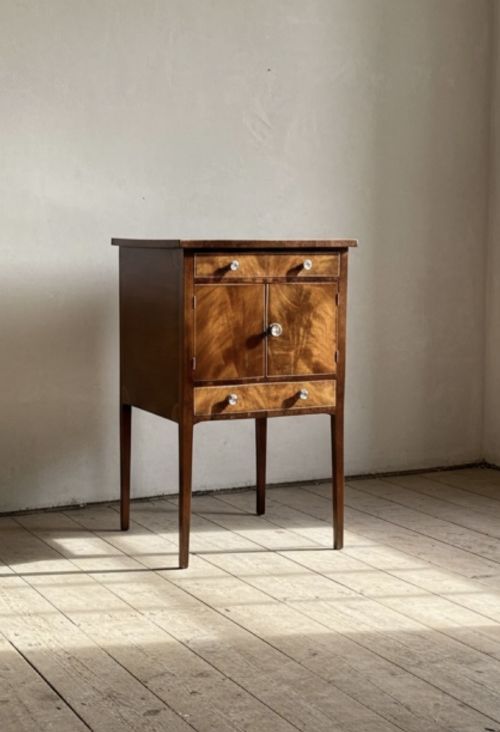
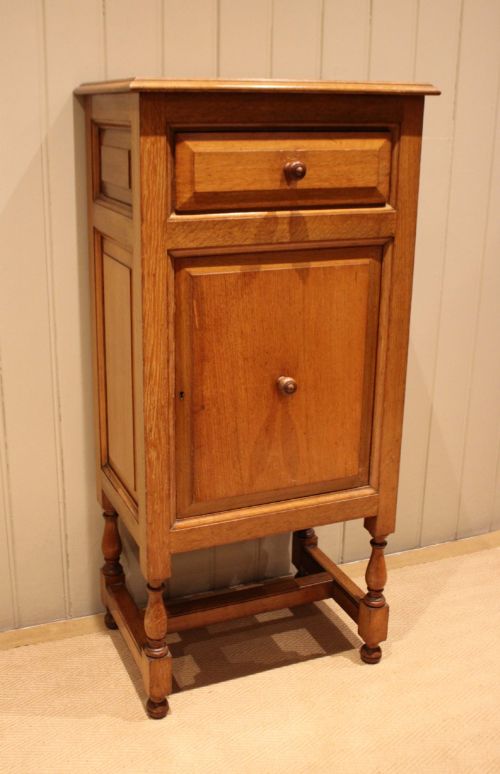
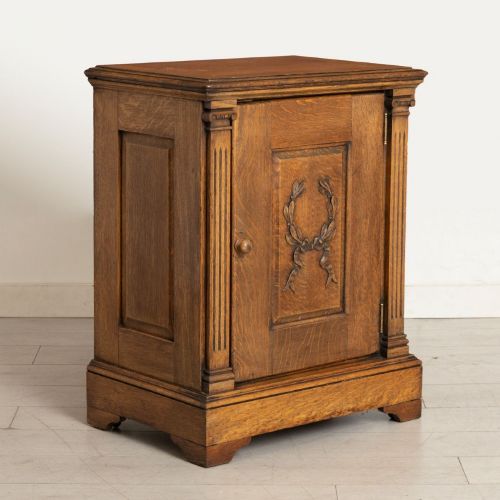
When you search for an edwardian wooden pedestal cabinet, you encounter compact standalone storage units originating primarily from the Edwardian period and adjacent years. These pieces function variously as bedside cabinets, nightstands, and small side cupboards designed to hold necessities within easy reach.
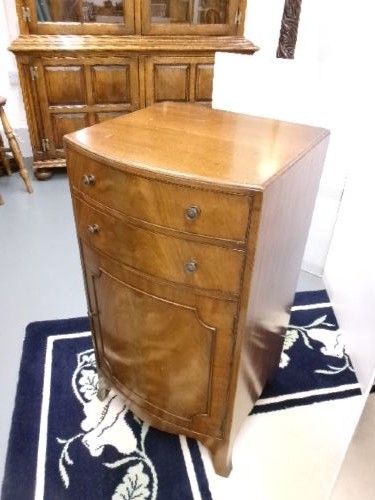
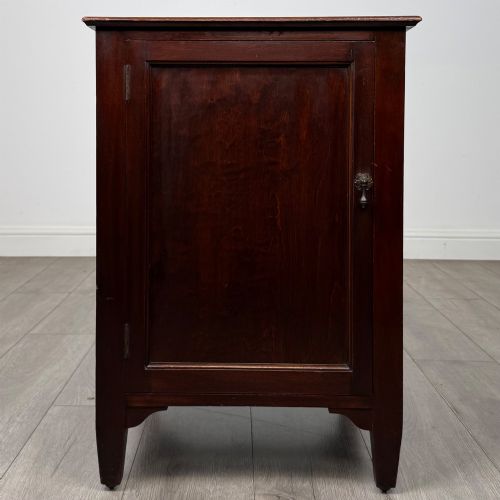
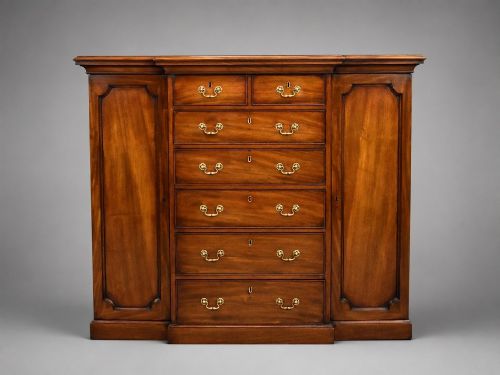
The selections on this page span forms such as bow front cupboards, single door compartments, and multi-drawer units. While the core of the inventory dates to the early twentieth century, related examples draw on Victorian and Georgian proportions or embrace Revival styles.
Makers and workshops of the era produced these cabinets to suit contemporary domestic requirements, resulting in items that combine enclosed shelving with modest tabletops. Their compact footprints make them adaptable to modern interiors seeking period character without bulk.
How they were made
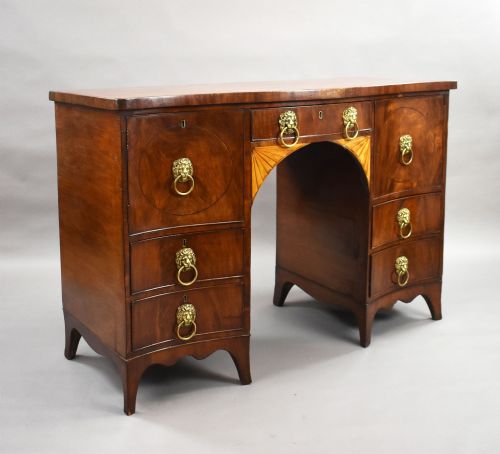
Cabinet makers utilised a foundation of solid timbers like mahogany, oak, and walnut, frequently enhancing plain surfaces with veneers of satinwood or decorative boxwood stringing. These woods were selected for structural stability and rich natural figures.
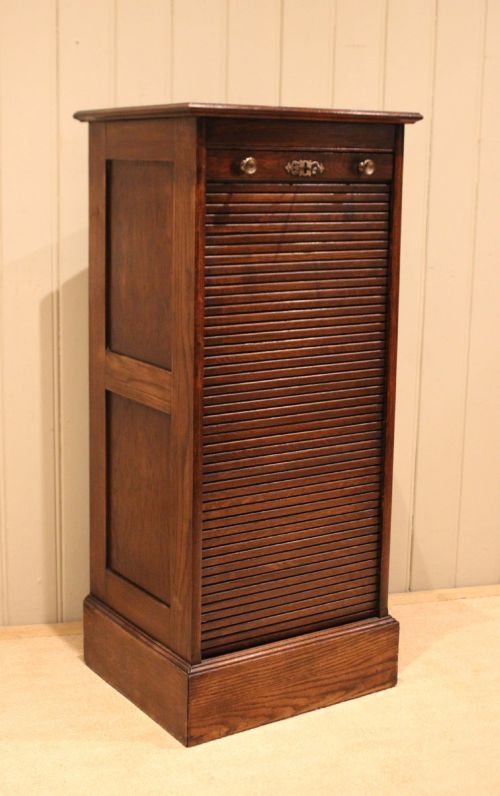
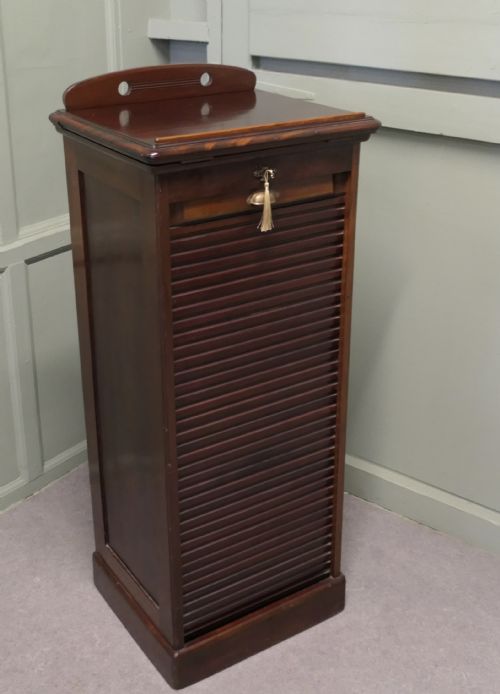
Construction techniques included dovetailed drawer construction and precise joinery to house panelled doors, tambour fronts, or marble tops. Metal hardware such as brass handles and galleries added functional contrast to the wooden bodies.
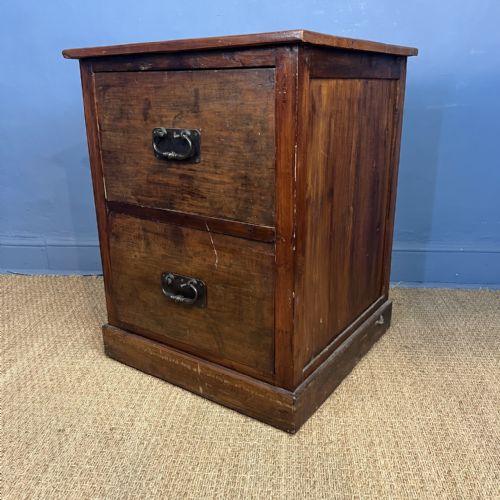
The inventory encompasses bedside tables, filing cabinets, shaving stands, kneehole desks, and cupboards reflecting various revival styles.
What varies in quality
The distinction between standard domestic furniture and exceptional pieces rests in the selection of timber figures and the precision of inlaid details. Cabinets featuring figured mahogany, intricate satinwood banding, or labelled maker provenance represent the upper tier of craftsmanship.
Structural integrity also dictates quality, observed in the smoothness of drawer action, the tightness of mitre joints, and the preservation of original brass fittings. Pieces retaining their polished finish and unwarped timber demonstrate superior preservation and initial manufacture.
Denby and Spinks·James Shoolbred·Maple and Co·Goodall of Manchester
The Edwardian Wooden Pedestal Cabinet Glossary
- Pedestal cabinet
- A freestanding piece of furniture built on a vertical column or enclosed base, designed for bedside or small-scale storage. It typically encloses a single cupboard space or stacks several drawers.
- Satinwood
- A lustrous hardwood native to India and Sri Lanka, prized for its golden yellow colour and reflective sheen. Cabinet makers utilised it as a veneer for banding and panel inlays.
- Bow front
- A convex, outwardly curved front elevation characteristic of certain sideboards and cabinets. This contour softens room angles and showcases figured timber grain.
- Tambour
- A flexible shutter formed of narrow strips of wood glued to canvas, allowing a sliding door to curve around a cabinet corner. It runs in concealed grooves for smooth operation.
- Stringing
- Thin lines of contrasting wood inlay used to outline drawer fronts and table edges. Boxwood was a common choice for this decorative bordering.
Edwardian Wooden Pedestal Cabinet: Frequently Asked Questions
What is an edwardian wooden pedestal cabinet used for?
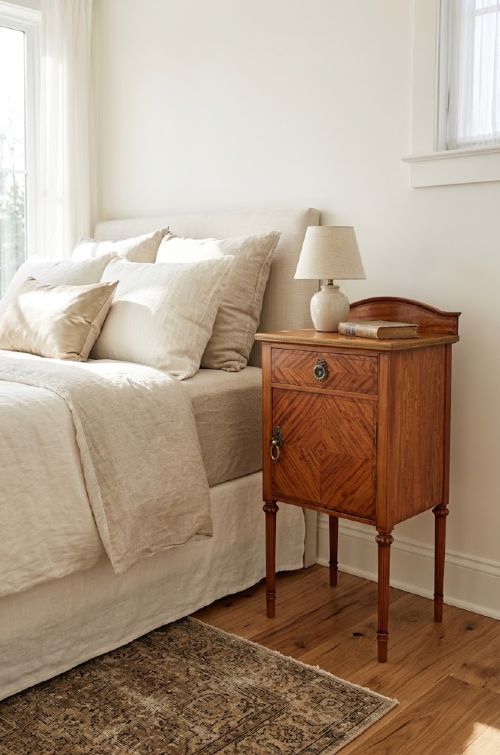
These cabinets served primarily as bedside companions or small storage units to hold nighttime essentials, books, or personal items behind closed doors.
In modern rooms, they function effectively as compact nightstands or accent tables that conceal clutter while introducing period wood tones.
How do I distinguish Edwardian from Victorian cabinets?
Edwardian pieces generally exhibit lighter timbers, simpler lines, and restrained satinwood inlays influenced by Sheraton Revival designs. Victorian equivalents tend to be heavier in build, utilising darker mahogany or walnut with denser mouldings.
Examining the internal construction timber and hardware style helps confirm the manufacturing era.
Are these cabinets made of solid wood?
Many examples combine solid structural carcases in oak or mahogany with decorative veneers applied to the visible exterior surfaces. This technique prevented warping while displaying highly figured grain patterns.
Secondary woods like deal or pine often appear on internal drawer linings and backboards.
How should I care for a vintage wooden cabinet?
Maintain the finish by keeping the wood away from direct heat sources and sudden humidity changes that cause timber to split. Regular dusting with a soft, dry cloth preserves the polish without chemical buildup.
Occasional application of appropriate wax feeds the antique grain.