

Edwardian Wooden Lamps
Edwardian wooden lamps combine practical illumination with period craftsmanship, offering collectors sturdy timber bases and classic silhouettes.
Edwardian Wooden Lamps
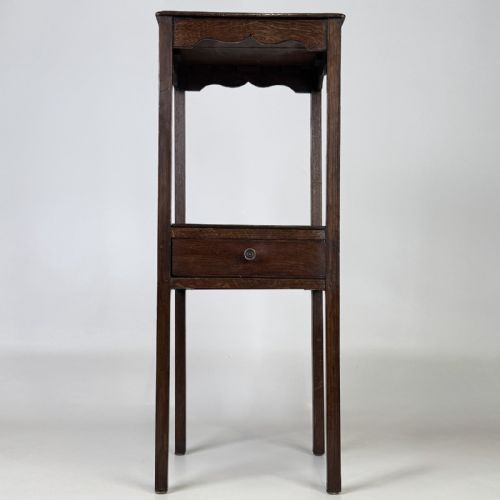
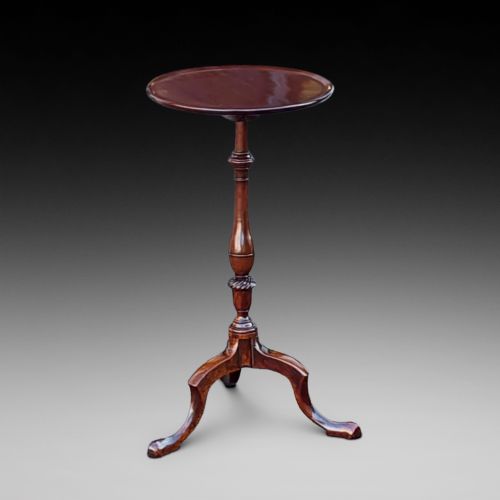
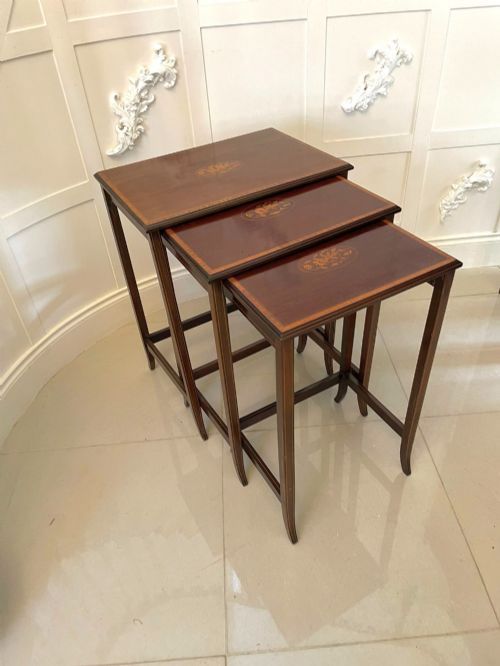
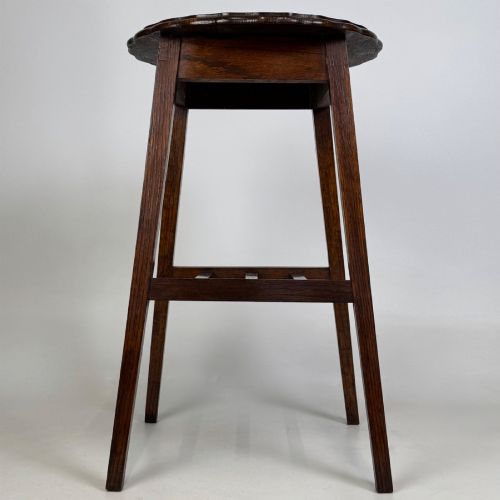
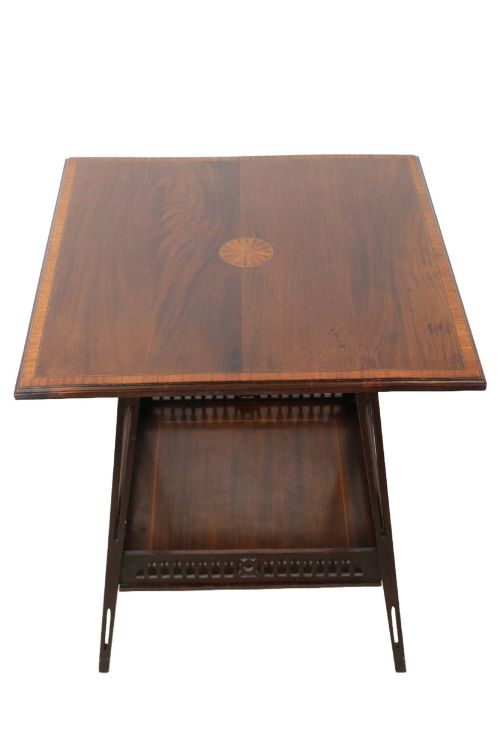
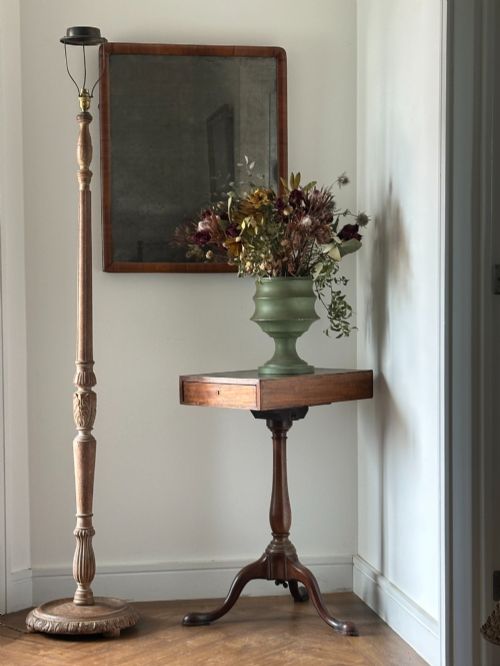
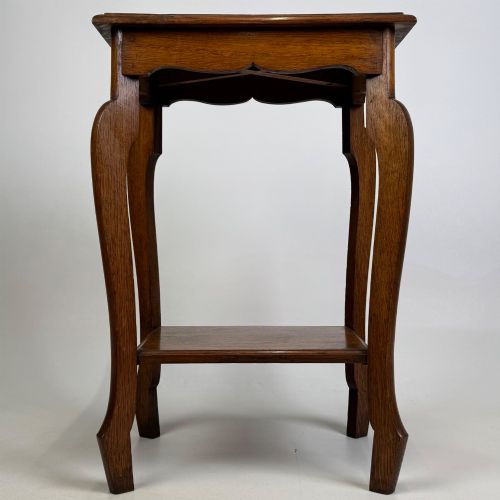
When you search for edwardian wooden lamps, you encounter a selection of items primarily comprising standard floor lamps, table lamps, and occasional or side tables adapted for lighting. These pieces span the Edwardian period alongside late Victorian, Arts and Crafts, and 1920s examples.
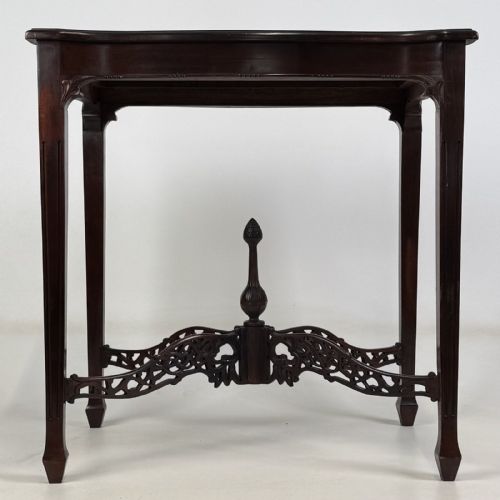
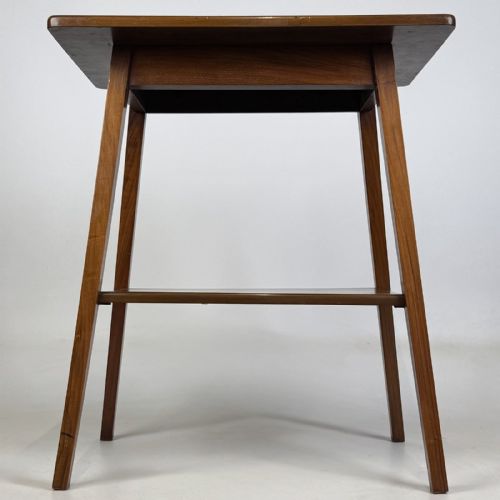
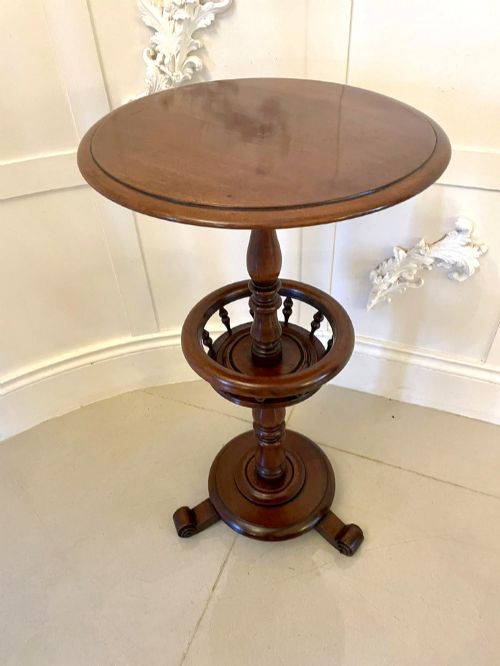
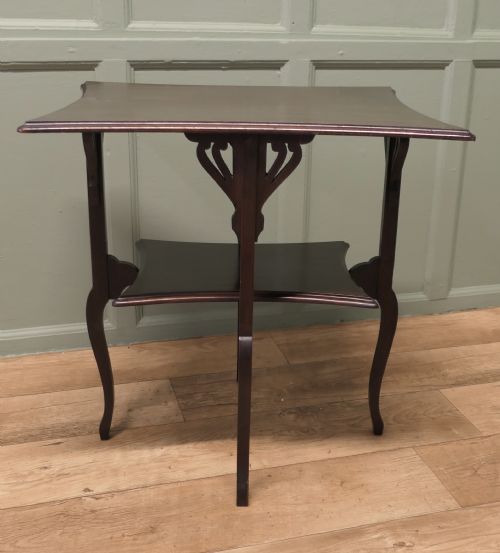
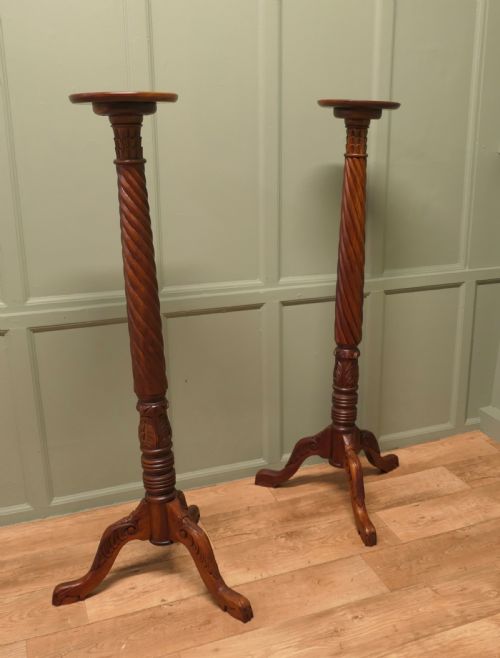
The assortment on this page leans heavily towards mahogany and oak side tables that function as lamp surfaces, as well as tall wooden standard lamps. Makers from these eras utilised turned columns, square frames, and inlaid surfaces to elevate domestic lighting.
Originating largely from British workshops of the early twentieth century, these wooden furnishings reflect the transition from ornate Victorian heaviness to lighter, more refined domestic interiors.
Materials and construction methods
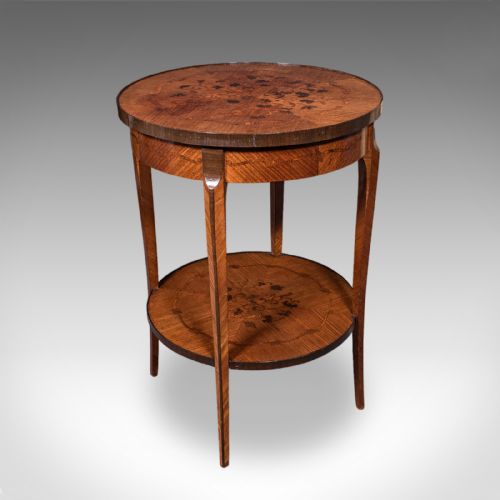
Makers relied on solid hardwoods such as mahogany, oak, and walnut, often applying decorative satinwood veneers or marquetry inlay to enhance tabletops and lamp columns. Brass fittings frequently complemented the timber, appearing as gallery rails, castors, or lamp holders.
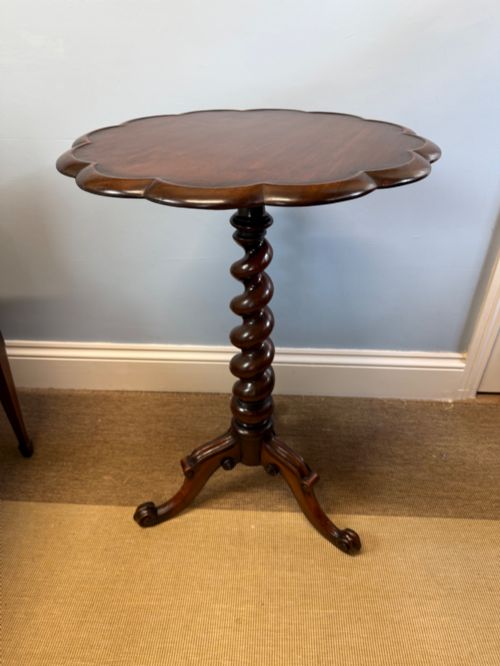
Joinery techniques included mortise and tenon framing for sturdy table structures and precision turning on lathes to create barley twist legs or slender floor lamp standards.
Factors determining quality
The distinction between standard utility items and superior examples lies in the crispness of the carving, the selection of figured timber veneers, and the integrity of the original construction. Pieces bearing attribution to known retailers or workshops typically exhibit greater refinement in their proportions and inlay work.
Condition plays a role, with untouched surfaces retaining original patination holding higher appeal than heavily restored timber. The balance and stability of tall floor standards also indicate careful initial manufacture.
Trevor Page & Co·Liberty & Co·William Birch·Baillie Scott
The Edwardian Wooden Lamps Glossary
- Edwardian
- Pertaining to the reign of King Edward VII, spanning from 1901 to 1910, characterised by lighter furniture designs and simplified revival styles. This era moved away from the darker, heavier aesthetics of the preceding Victorian period.
- Arts and Crafts
- A design movement promoting handcrafted construction, simple forms, and local materials rather than mass-produced factory output. It influenced many wooden lamps and tables of the late nineteenth and early twentieth centuries.
- Inlay
- A technique where pieces of contrasting timber, such as satinwood or marquetry, are fitted into a recess within the primary wood surface to create decorative patterns. This ornamentation is common on finer Edwardian tables.
- Standard Lamp
- A tall floor-standing lamp base designed to support a shade and bulb at eye level. These fixtures often feature heavy weighted bases or wide wooden platforms for stability.
- Occasional Table
- A small, movable table designed for specific, intermittent use in a room, frequently utilised as a lamp or plant stand. These versatile pieces appear widely in various woods across the period.
Edwardian Wooden Lamps: Frequently Asked Questions
How do I identify an Arts and Crafts lamp table?
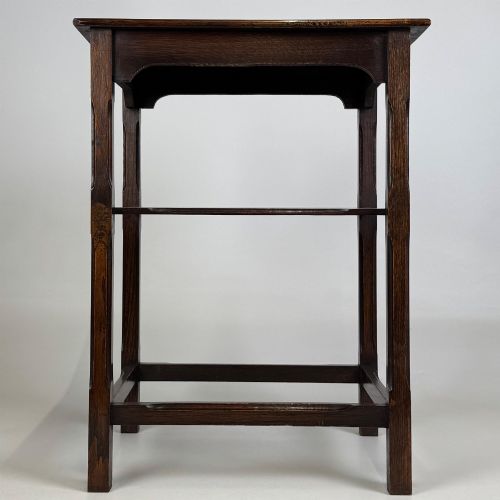
Arts and Crafts pieces emphasise visible construction, plain honest forms, and materials like solid oak rather than ornate veneers.
They often feature geometric shapes such as octagonal tops and lack superfluous ornamentation.
Were these tables originally built for lighting?
Many occasional and side tables served multiple domestic purposes, acting equally as lamp stands, plant holders, or surfaces for decorative objects.
Over time, collectors and owners repurposed these sturdy wooden tables specifically to hold table lamps.
How should I care for antique wooden lamp bases?
Maintain the timber by keeping the pieces away from direct heat sources and sudden humidity changes to prevent wood splitting.
Apply a traditional wax polish occasionally to nourish the surface and preserve the natural patination.