



Edwardian Wooden Bucket
These edwardian wooden bucket pieces are solid timber containers fashioned for domestic service, offering practical warmth and rustic charm to any room.
Edwardian Wooden Bucket
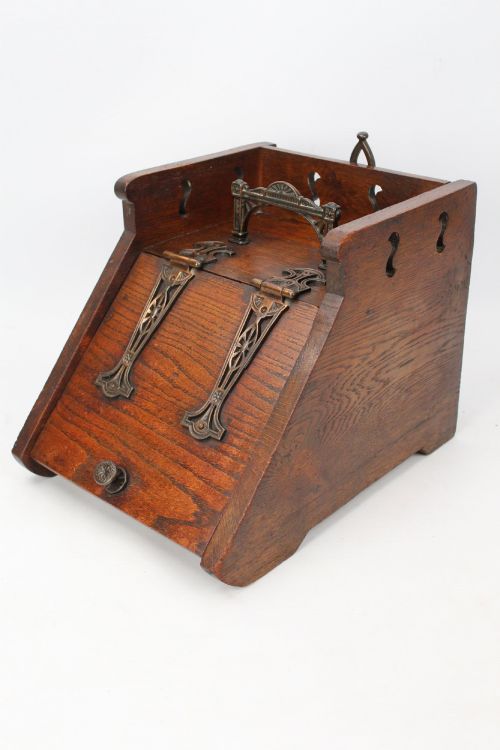
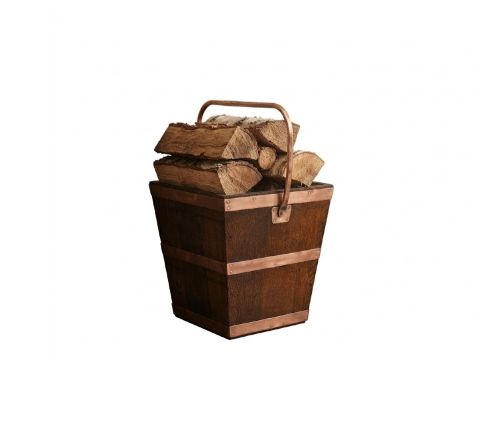
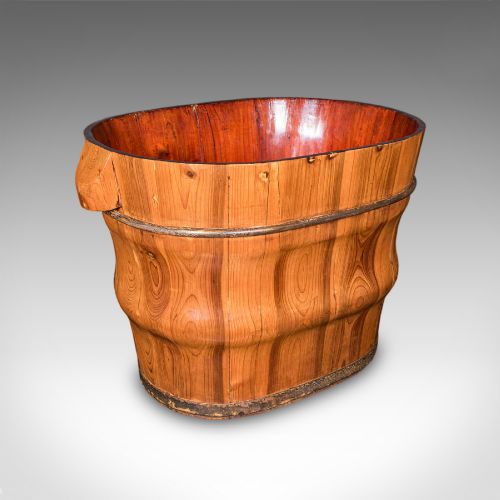
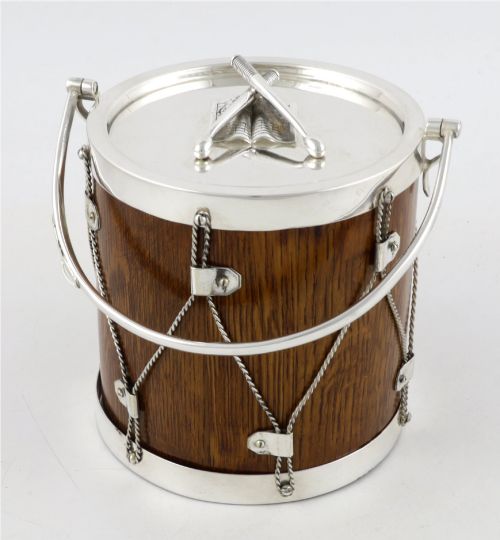
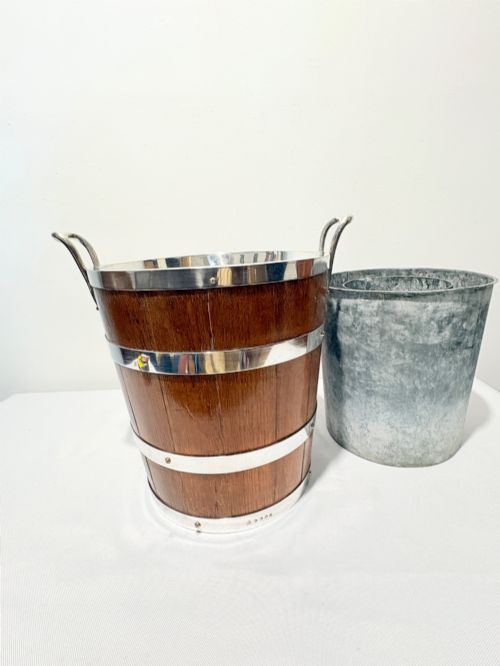
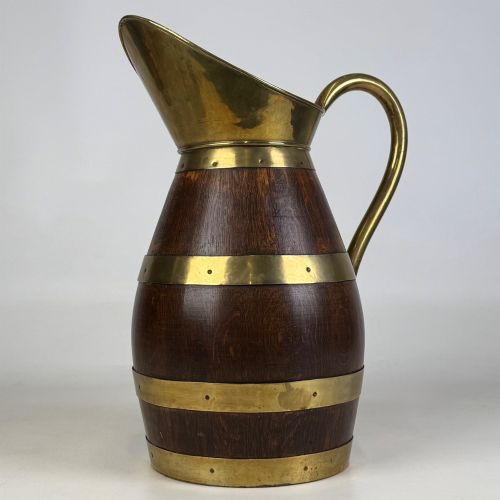
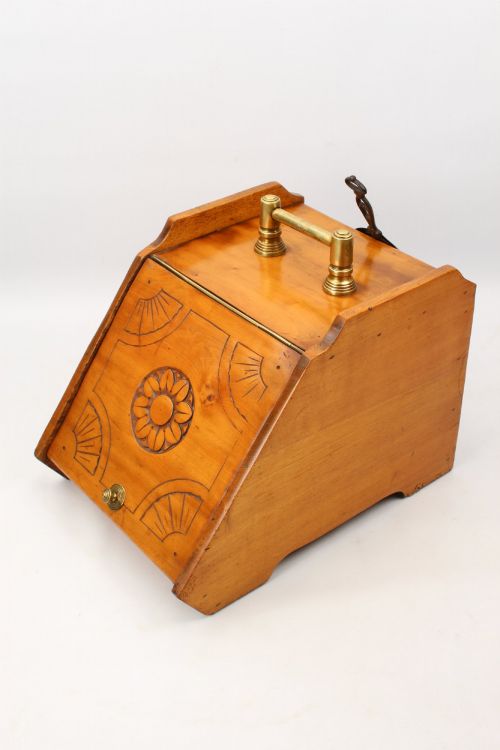
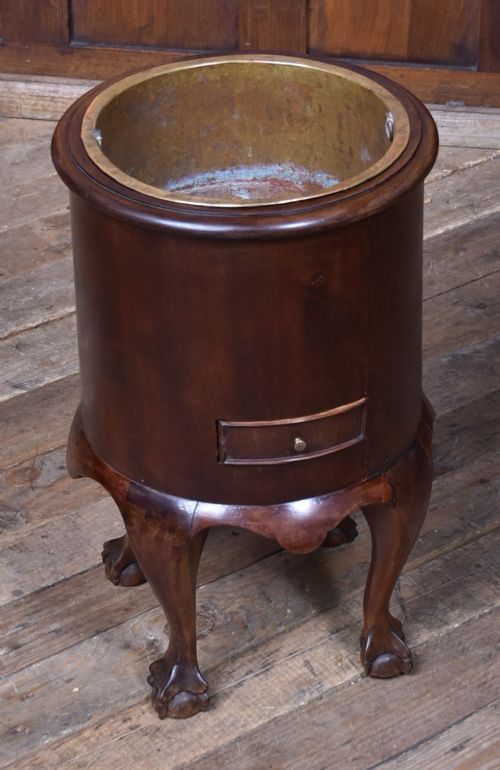
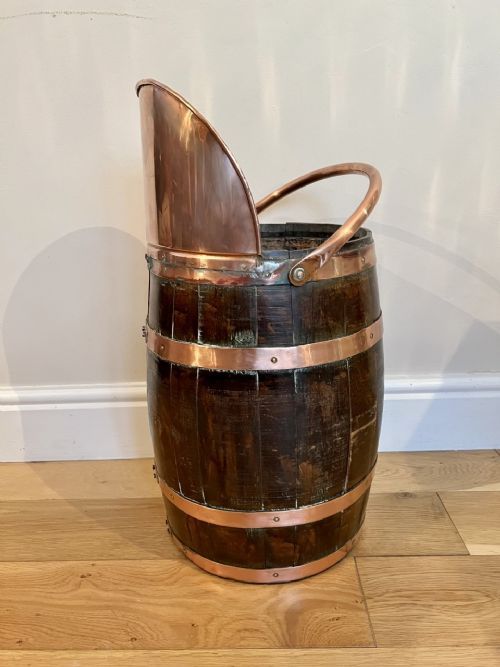
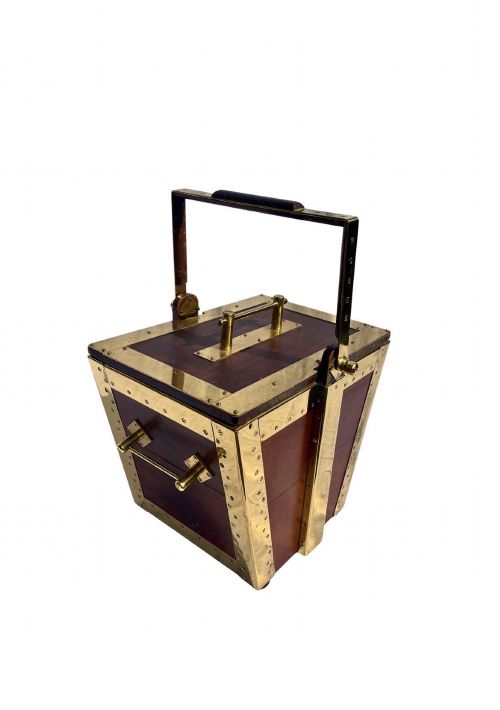
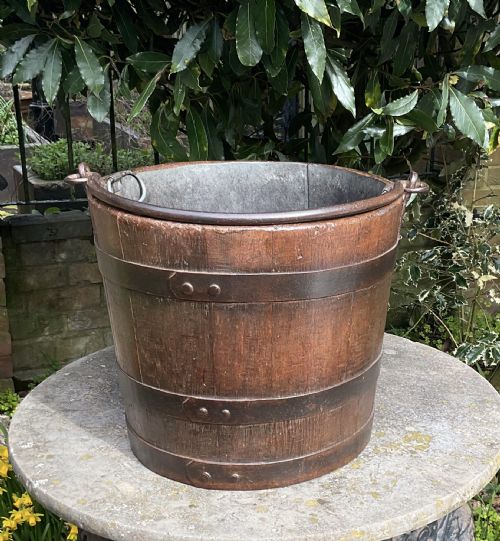
An edwardian wooden bucket takes many domestic forms, most frequently appearing as coopered oak or mahogany vessels designed for holding fuel, wine, or plants. The selections here span umbrella stands, coal scuttles, plant stands, and ice buckets originating from the nineteenth and early twentieth centuries.
Most pieces you encounter rely on traditional stave construction with metal bands, echoing earlier styles like George III whilst bearing the hallmarks of Edwardian and Victorian craftsmanship.
Materials and construction
The makers relied primarily on solid oak and mahogany, shaping individual wooden staves to form barrels and buckets with considerable structural strength. These bodies were bound tightly with brass, copper, or iron bands to secure the timber against movement.
Many examples feature added metal liners in zinc, copper, or silver plate, whilst others incorporate brass handles, drop rings, and carved details that reflect both Arts and Crafts and traditional English design.
Edwardian Wooden Bucket Retail Price Guide 2026
Typical asking prices for edwardian wooden bucket among the pieces listed under this phrase on Sellingantiques today, from the lower quarter to the upper quarter. They describe what is for sale here now, not the wider market.
The listings on this page span the Victorian, Edwardian, and George III periods, demonstrating how coopered oak and mahogany forms evolved from utility into display.
Distinctions in quality
Quality rests upon the tightness of the cooperage, the weight and finish of the metal mounts, and the preservation of original internal liners. Superior examples display precise stave jointing and carefully selected timber grain that remains stable over generations.
The presence of maker stamps, matched metal fittings, and unaltered hardware elevate certain utilitarian vessels into finer decorative objects.
Lister and Co
The Edwardian Wooden Bucket Glossary
- Coopered
- Built from curved wooden staves joined edge to edge and bound with metal hoops, much like a traditional barrel. This technique provided the strength needed for holding heavy loads of coal or ice.
- Purdonium
- A specialised coal box or scuttle designed for domestic hearths, often featuring a sloping front and a fitted interior scoop. They hide solid fuel away neatly beside the fireplace.
- Cellarette
- A lockable container used to store bottles of wine and spirits near the dining table. Many take the form of coopered wooden buckets on stands.
- Jardiniere
- An ornamental pot or stand designed to hold live plants and flowers. These are frequently lined with metal to protect the surrounding timber from moisture.
- Silver plate
- A thin layer of silver fused to a base metal such as copper or brass. It provides the lustre of solid silver on decorative items like ice buckets and biscuit barrels.
Edwardian Wooden Bucket: Frequently Asked Questions
What were wooden buckets originally used for?
These wooden vessels served practical daily purposes around the home, primarily holding coal for fireplaces, chilling wine, or containing water and plants.
Over time, many of these utilitarian containers transitioned into purely decorative items, valued for their warm timber tones and robust construction.
How do I care for antique wood and metal?
Keep wooden pieces away from direct heat sources and sudden temperature shifts to prevent the staves from shrinking or cracking.
Apply a traditional beeswax polish occasionally to nourish the timber, and clean metal bands gently without harsh abrasives.
How can I tell an Edwardian bucket from a Victorian one?
Edwardian examples often lean towards lighter oak timbers and cleaner lines influenced by Arts and Crafts ideals, whereas Victorian pieces frequently display heavier carvings and darker mahogany.
However, because styles overlapped across the turn of the century, construction details provide a surer guide to age than appearance alone.
Can these buckets still hold water or plants?
Many surviving pieces retain their original metal or ceramic liners, making them suitable for holding potted plants or ice.
If a liner is missing or has deteriorated, placing a modern plastic saucer inside protects the historic wood from moisture damage.