



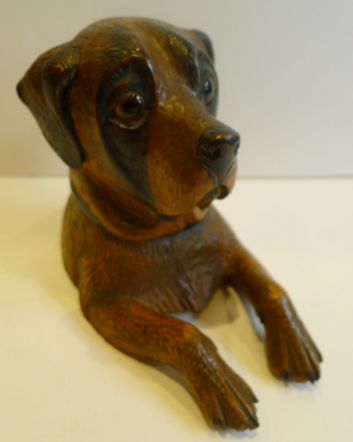


Edwardian Wooden Animals
Edwardian wooden animals bring unmatched character into a room through the skilled hands of carvers working in linden wood, pine, and oak.
Edwardian Wooden Animals
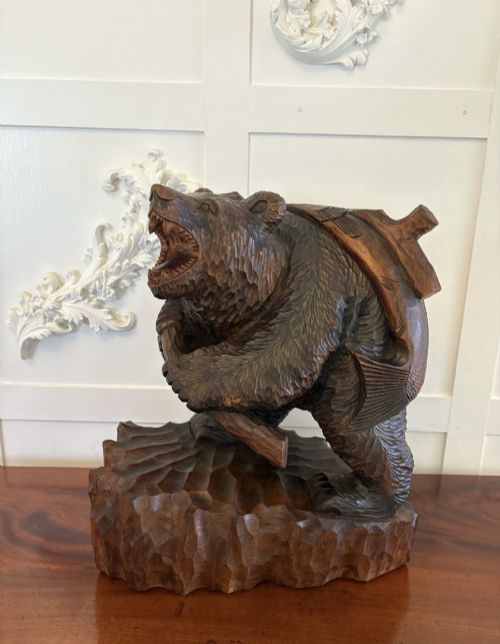
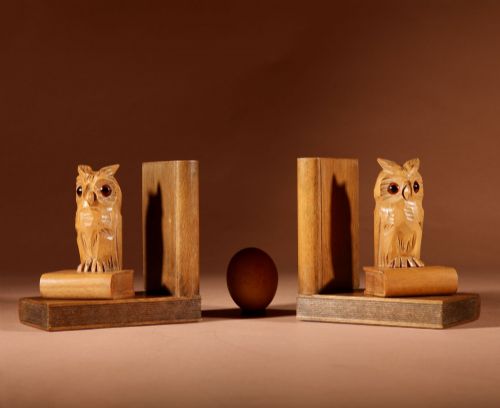
Edwardian wooden animals encompass a charming variety of carved figures, functional bookends, walking sticks, and novelty inkwells dating from the late nineteenth and early twentieth centuries. When searching for edwardian wooden animals, collectors most frequently encounter finely carved bears, owls, elephants, and dogs originating from European workshops.
The selection ranges from impressive large sculptures to amusing pairs of bookends and mantel clocks featuring animal forms. These pieces reflect both British craftsmanship and the distinct influence of Black Forest carving traditions on domestic interiors.
Materials and construction methods
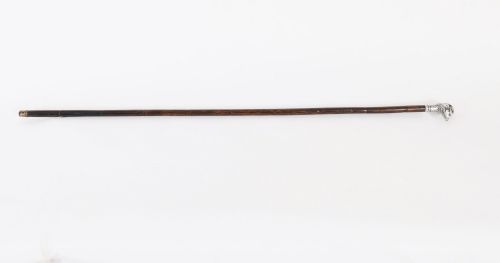
Functional pieces frequently integrate other media, pairing carved wood with silver mounts on cane handles or ceramic tiles within decorative settings. The construction relies on traditional hand-carving techniques rather than mechanical production, leaving distinct chisel marks across the surfaces.
Edwardian Wooden Animals Retail Price Guide 2026
Typical asking prices for edwardian wooden animals among the pieces listed under this phrase on Sellingantiques today, from the lower quarter to the upper quarter. They describe what is for sale here now, not the wider market.
The listings show linden wood and pine as the primary timbers used for these animal sculptures.
Distinctions in quality
Quality rests upon the naturalism of the carving and the depth of expression captured in the animal's form. Superior pieces display anatomical accuracy combined with a sense of movement or personality, whereas lesser examples remain stiff and generalized.
The Edwardian Wooden Animals Glossary
- Black Forest
- A style of wood carving originating from the mountainous region of central Europe, famous for bears and woodland animals. This tradition heavily influenced the novelty items popular during the Edwardian period.
- Linden wood
- A pale, fine-grained timber favoured by carvers for its smooth texture and resistance to splitting. It allows for microscopic detail in animal sculpture.
- Novelty inkwell
- A functional desk accessory designed to resemble an animal or object rather than a traditional vessel. These pieces combine practicality with humorous or charming sculpture.
- Georgian Revival
- An architectural and decorative style that looks back to eighteenth-century proportions and motifs. In wood carving, it manifests as classical restraint paired with Edwardian execution.
Edwardian Wooden Animals: Frequently Asked Questions
What animals were carved most often?
Bears, owls, dogs, and elephants appear most frequently in the surviving record of this period.
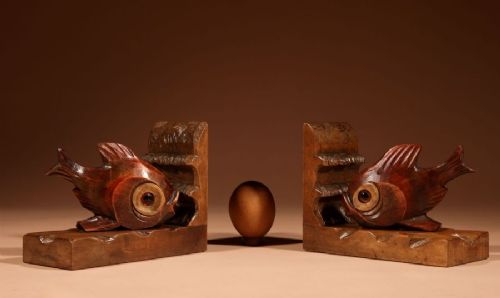
Carvers also produced ducks, lions, and goldfish as bookends, cane handles, and freestanding sculptures.
How were these wooden pieces used?
Many items served practical purposes on Edwardian desks, mantelpieces, and hallways.
Bookends held volumes upright, inkwells managed writing fluids, and walking sticks provided support during walks.
Where were these animals carved?
Production centred on European workshops, particularly within the Black Forest region and British studios.
Craftsmen drew inspiration from both local wildlife and foreign fauna popular in exhibition culture.
How do I care for antique wood?
Keep carved wooden items away from direct sunlight and sudden temperature changes to prevent the timber from splitting.
Dust gently with a soft brush and avoid applying modern polishes that build up on the hand-carved surfaces.