





Edwardian Wood Sign
These pieces, found under edwardian wood sign, span diverse visual forms and early twentieth century origins.
Edwardian Wood Sign
When you search for edwardian wood sign, you are looking at items that often incorporate painted surfaces, display cabinets, and decorative timber forms. The material evidence shows pieces created across the Edwardian period alongside Victorian and early twentieth century examples.
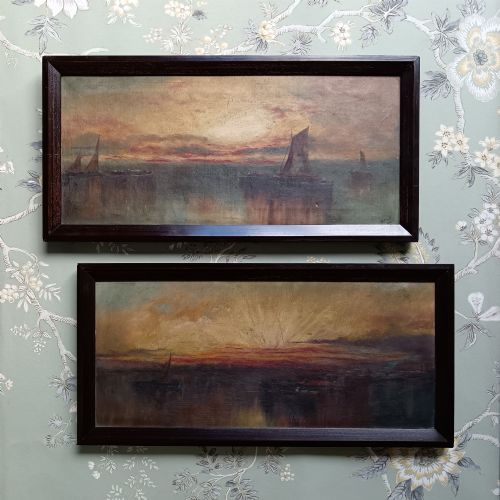
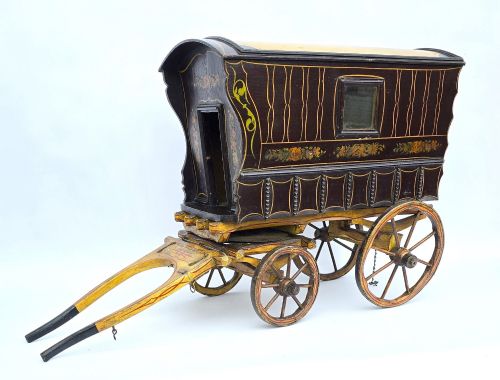
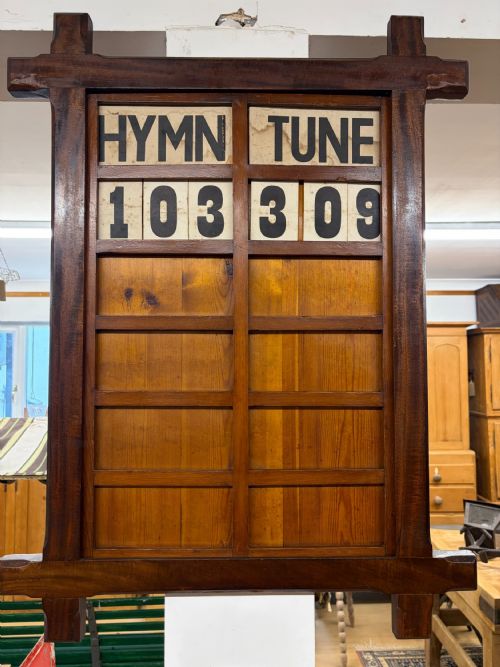
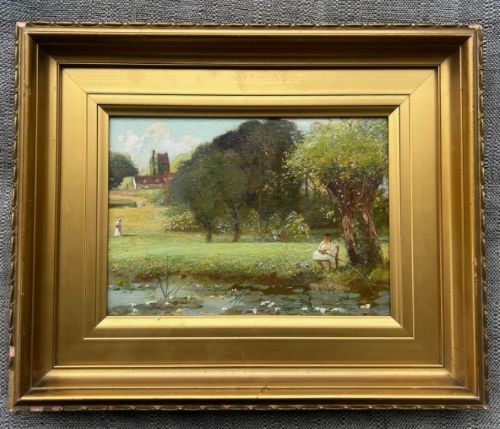
The objects listed range from marine oil paintings and folk art caravan models to display units and hymn boards. Painted advertising and sign-written decoration feature on several wooden fixtures, blending functional cabinetry with commercial lettering.
You will encounter items that span domestic furnishings, fine art panels, and trade displays in wood, glass, and brass. Each piece carries the distinct aesthetic traits of its specific decade of production.
How they were made
Makers utilised solid timbers such as mahogany and yew wood, often applying paint and oil colours directly to wooden panels, canvas, or paper surfaces. Glazed sections in cabinets and brass fittings complete the construction of the larger display items.
Sign-writing and paint application techniques are evident on advertising units and display cabinets, executed by hand with oil-based pigments. Carved wooden elements and joinery demonstrate traditional craftsmanship typical of the early twentieth century.
Edwardian Wood Sign Retail Price Guide 2026
Typical asking prices for edwardian wood sign among the pieces listed under this phrase on Sellingantiques today, from the lower quarter to the upper quarter. They describe what is for sale here now, not the wider market.
What varies in quality
The standard of execution in painted lettering and the preservation of original wooden surfaces define the upper tiers of these pieces. Fine detailing in hand-carved elements or signed artwork separates exceptional items from standard commercial examples.
The integrity of the timber, the clarity of the glass, and the subtlety of the sign-writing reflect the original maker's skill. Condition retention in the paint and varnish layers further determines the overall merit of each piece.
The Edwardian Wood Sign Glossary
- Edwardian
- Pertaining to the reign of King Edward VII, spanning from nineteen hundred and one to nineteen hundred and ten, characterised by lighter proportions and refined craftsmanship.
- Sign-writing
- The traditional craft of painting letters and commercial graphics by hand on wood, glass, or metal surfaces.
- Oil painting
- Pigments bound in a drying oil medium, applied to canvas, wood panel, or paper.
- Folk art
- Utilitarian or decorative objects made by self-taught individuals, often reflecting regional traditions and materials.
- Display cabinet
- A glazed piece of furniture designed to exhibit retail goods or personal collections.
Edwardian Wood Sign: Frequently Asked Questions
What is an edwardian wood sign?
These items encompass painted timber boards, trade display units, and sign-written cabinets produced during the early twentieth century. They combine functional woodwork with hand-painted commercial lettering.
Many pieces reflect the advertising and display methods used in Edwardian shops and businesses, utilising woods like mahogany and yew alongside glass and brass.
How were painted wooden signs used?
Traders utilised sign-written boards and display cabinets to advertise products such as cocoa, watches, and perfume directly to the public. They served as prominent shop fittings in Edwardian commercial spaces.
Over time, many of these wooden pieces transitioned into decorative domestic items, retaining their original hand-painted lettering and trade history.
How do I care for wooden display pieces?
Keep wooden surfaces and painted elements away from direct sunlight and damp environments to protect the original pigments. Regular dusting with a dry, soft cloth preserves the finish.
Avoid chemical cleaning products on sign-written areas, as harsh solvents can damage the aged oil paint and timber patination.
Can I identify the exact date of a piece?
Makers often dated or signed their work, as seen on specific paintings and carved models in the listings. Examining the timber type, paint composition, and style of lettering provides further clues to the period.
Comparing construction methods with dated examples helps collectors narrow down the decade of manufacture within the early twentieth century.