
Edwardian Wood Mirror
Edwardian wood mirror choices span upright wall designs and pivoting cheval frames, offering functional depth to rooms through period craftsmanship.
Edwardian Wood Mirror
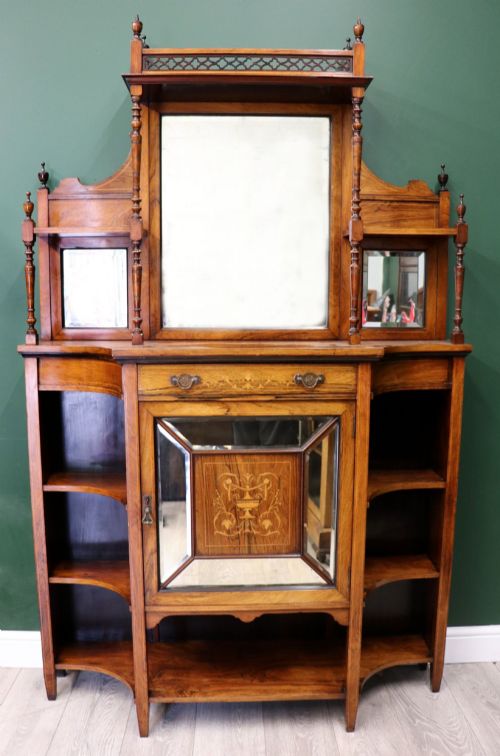
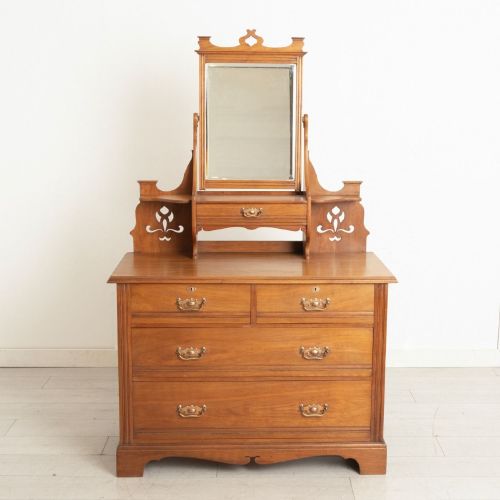
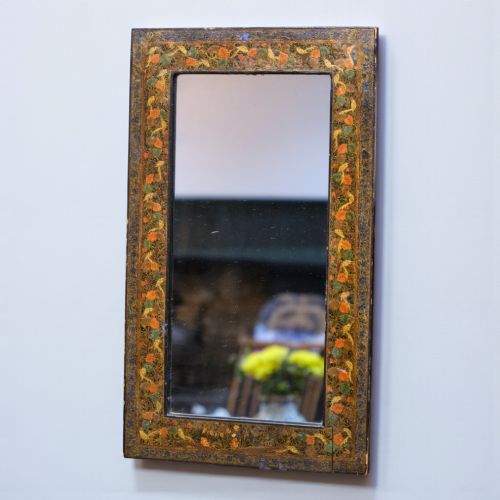
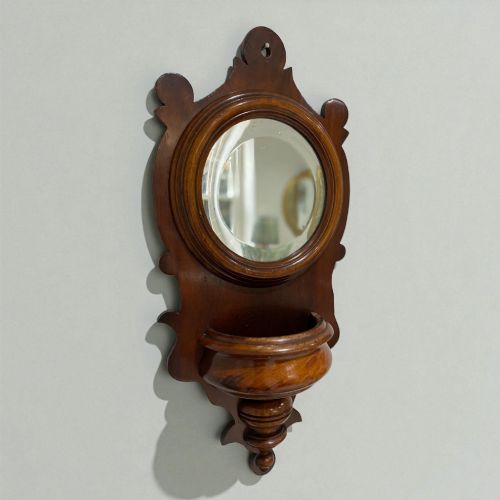
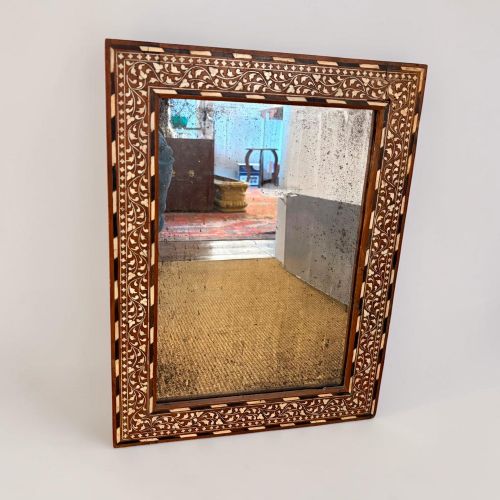
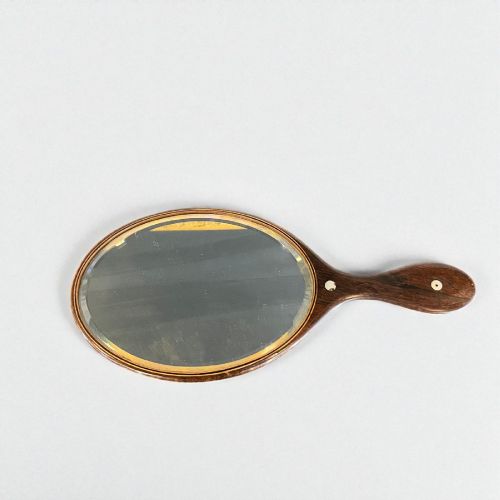
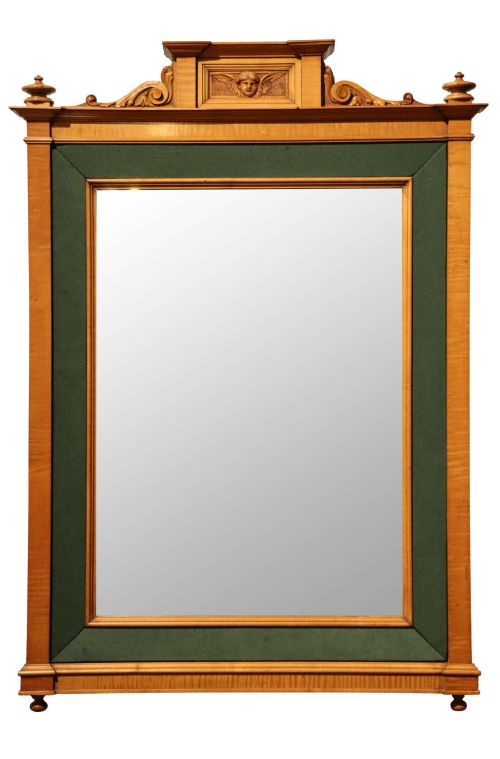
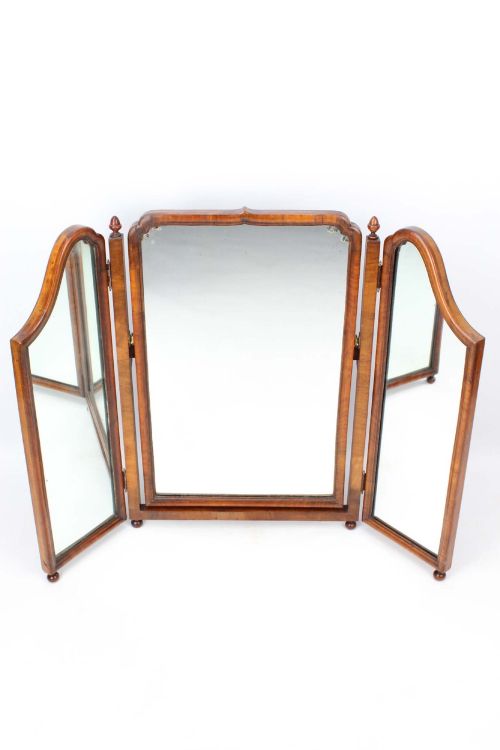
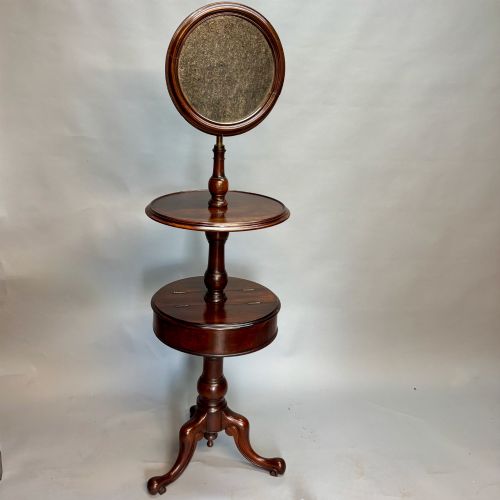
Buyers examining an edwardian wood mirror encounter domestic furnishings originating primarily from the early twentieth century, alongside related examples from the nineteenth century. These pieces appear in forms ranging from compact dressing table mirrors and wall mirrors to large freestanding cheval frames.
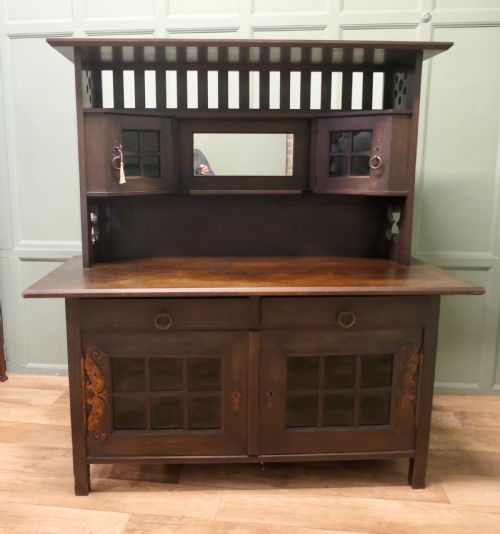
The selections recorded here reflect multiple aesthetic revivals and regional styles, including Arts and Crafts, Art Nouveau, and Anglo-Indian designs. Walnut, mahogany, and oak dominate the timber choices across these domestic accessories.
Freestanding cheval mirrors and smaller vanity glass provide the primary variations in daily utility within this category. Overmantel mirrors and wall-mounted pieces also populate the selection.
Materials and construction methods
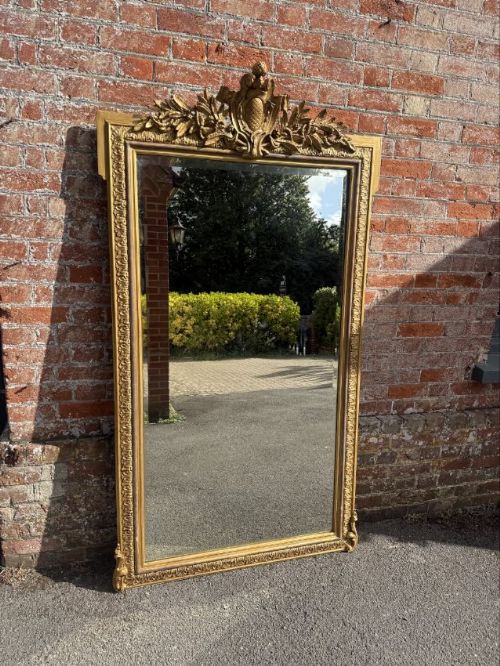
Makers utilised solid and veneered timbers such as mahogany, walnut, and oak to construct the structural frames. Gesso and gold leaf additionally appear on ornate gilt and carved overmantel examples.
Glass plates incorporate bevelling techniques in many pieces, fitted securely into rebated wooden frames or held by brass pivot hardware on dressing mirrors.
Listings feature woods including mahogany, walnut, oak, satinwood, rosewood, and maple across various mirror formats.
Distinguishing quality factors
The refinement of carved details, such as floral motifs or crests, separates standard production from superior examples. Crisp execution in woodcarving and gesso indicates higher workshop standards.
The choice of timber grain and the integrity of joint construction dictate the longevity and visual weight of the frame. Heavier hardwoods like mahogany and walnut generally sustain better structural stability over time.
Leonard Wyburd for Liberty and Co·Shapland and Petter·Waring and Gillow
The Edwardian Wood Mirror Glossary
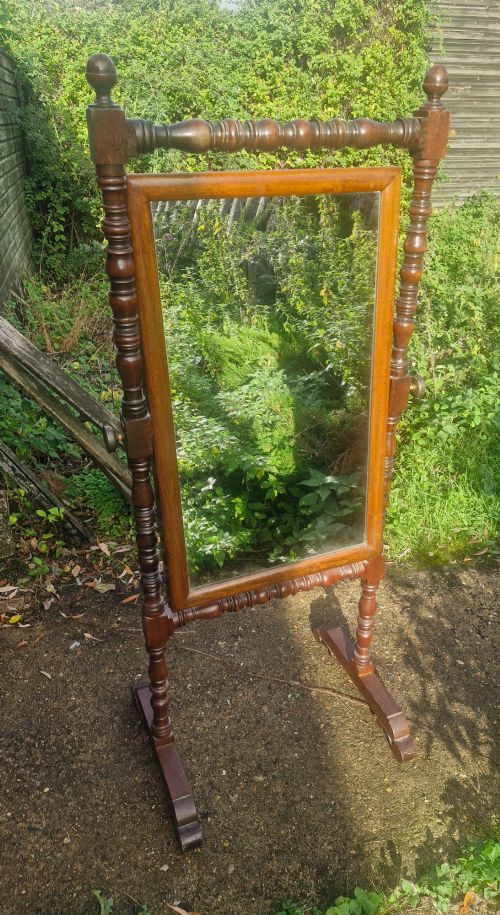
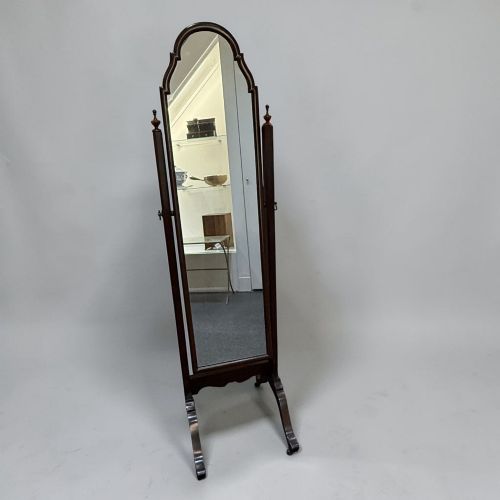
- Cheval mirror
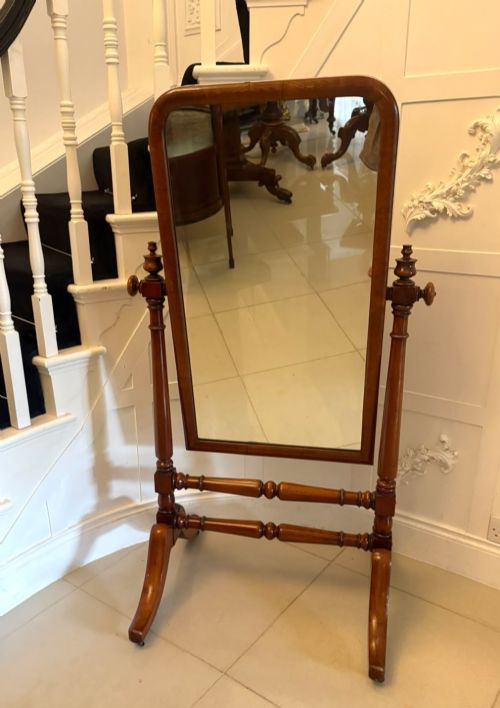
- A freestanding full-length mirror suspended on a vertical frame with pivots allowing it to tilt. These pieces typically stand on four legs or a platform base.
- Overmantel mirror
- A large mirror designed to hang directly above a fireplace mantelpiece. They often feature arched tops and substantial gilt or wooden frames.
- Gesso
- A plaster-based material applied to wood surfaces and carved or moulded before gilding. This mixture provides a smooth base for gold leaf application.
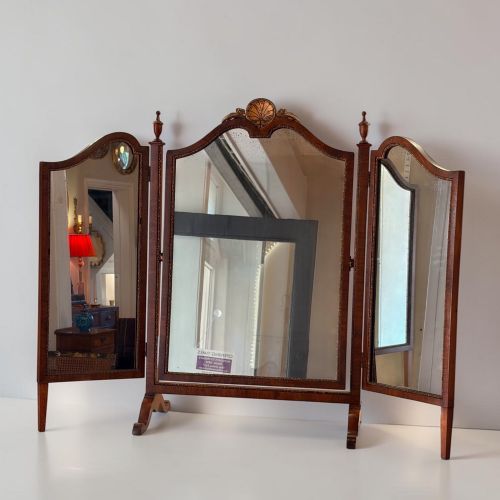
- Triptych mirror
- A three-panel dressing table mirror where the outer two wings are hinged to angle inward. This arrangement allows multiple viewing angles for grooming.
Edwardian Wood Mirror: Frequently Asked Questions
How do I date an edwardian wood mirror?
Examination of the timber, backing boards, and glass bevelling helps determine the production era. Edwardian pieces often display lighter wood tones and simpler inlay compared to heavy Victorian counterparts.
Hardware components like brass screws and fixings also provide chronological clues. Original mirror glass frequently exhibits minor foxing or subtle surface irregularities indicative of older manufacturing methods.
Where should I place a cheval mirror?
Freestanding cheval mirrors function effectively in bedrooms and dressing rooms where full-length reflections are practical. Placing them perpendicular to windows maximises natural light reflection.
Ensure the floor surface is level to maintain stability on the pivoting frame. Adequate clearance around the base allows the glass to tilt safely without obstruction.
Are these mirrors suitable for modern bathrooms?
Antique wooden frames require careful placement away from direct moisture and steam sources to protect the timber and silvered glass backing. High humidity can cause veneer lifting and frame warping.
Wall-mounted variants benefit from well-ventilated spaces where atmospheric conditions remain stable. Protective wax finishes help guard against minor ambient moisture changes.
What is the difference between an overmantel and a wall mirror?
Overmantel mirrors are specifically proportioned to sit above fireplace surrounds, usually featuring wide horizontal dimensions and heavy weight-bearing construction. Standard wall mirrors hang independently on flat wall surfaces for general room decoration.
Overmantel examples often incorporate fixing loops designed to secure large frames safely to masonry or stud walls. Their decorative crests and arches reflect specific architectural proportions of period interiors.