

Edwardian Wood Chair
An edwardian wood chair brings domestic warmth and craftsmanship, ranging from simple bentwood bistro seats to inlaid mahogany dining sets.
Edwardian Wood Chair
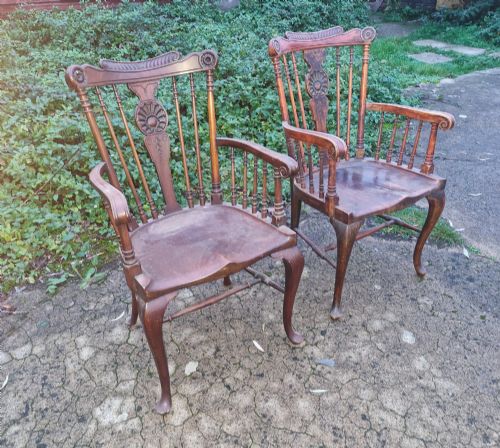
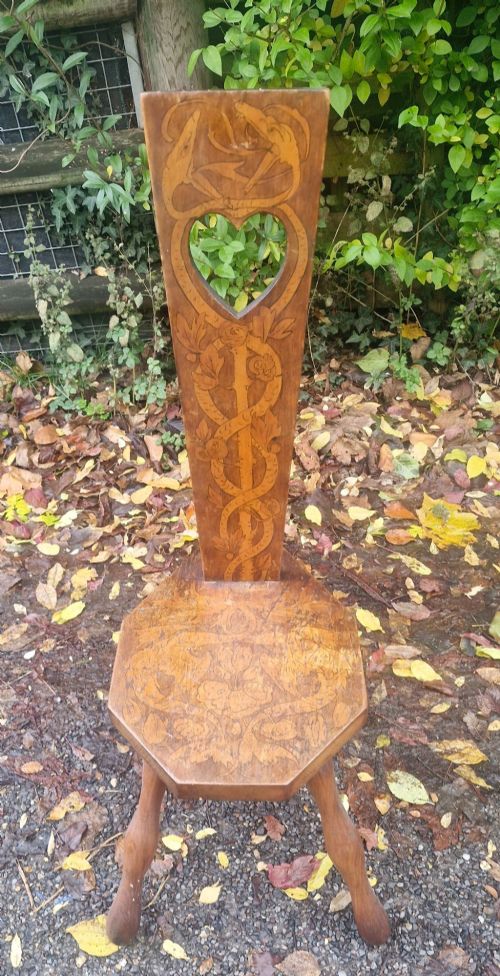
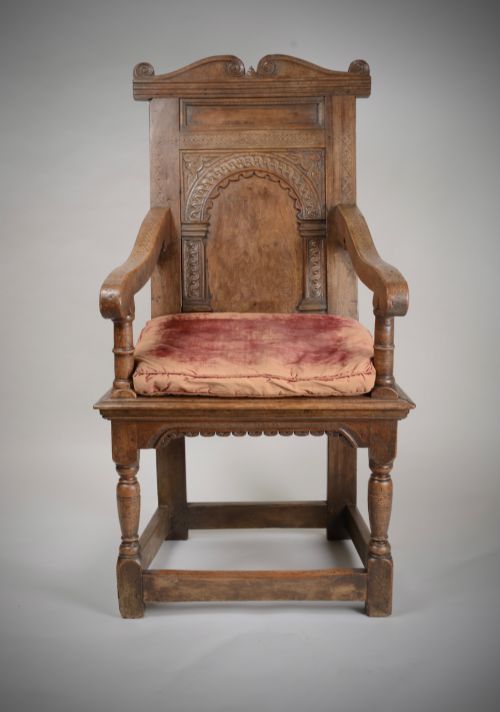
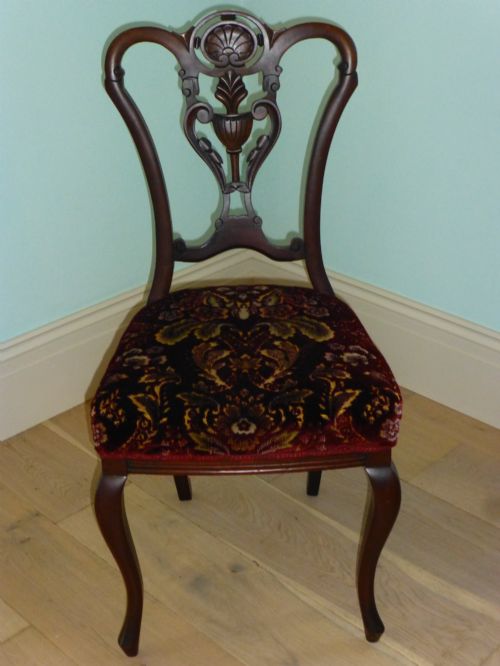
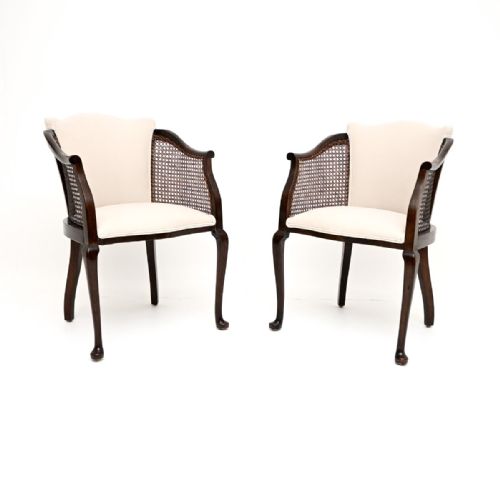
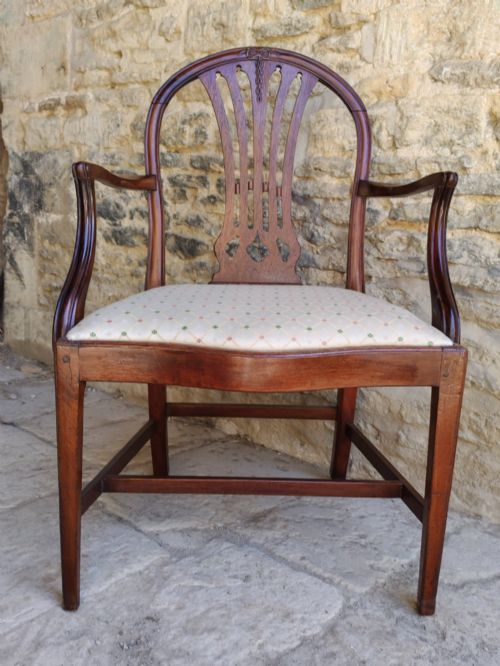
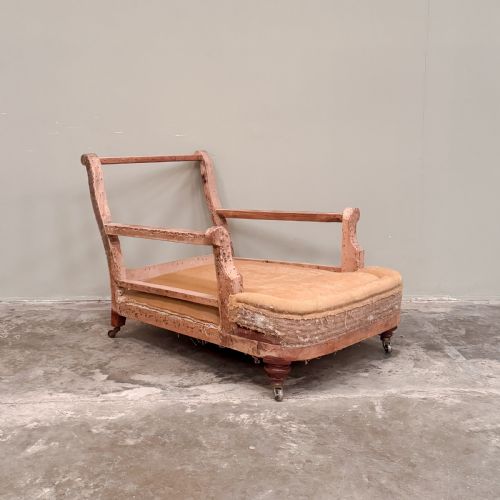
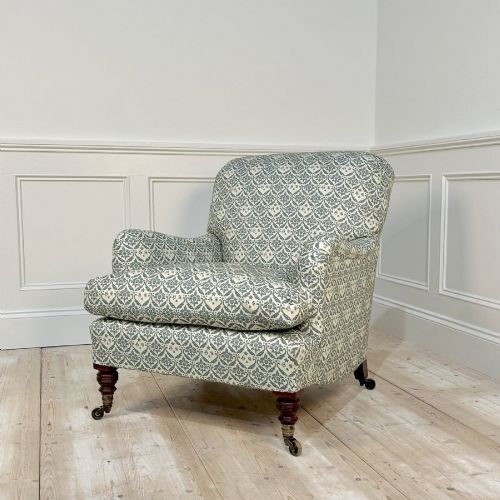
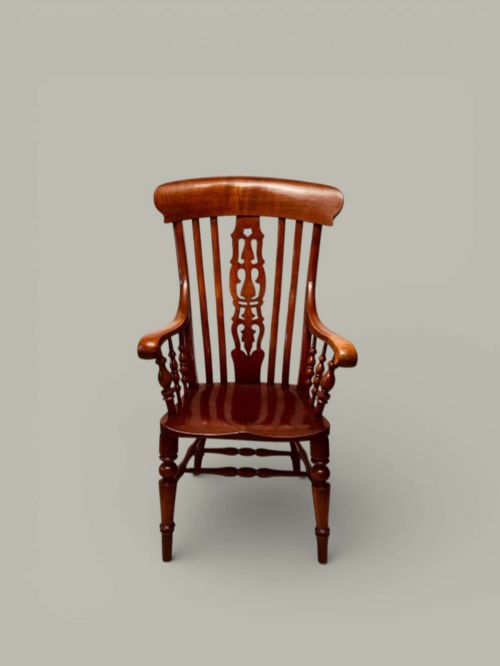
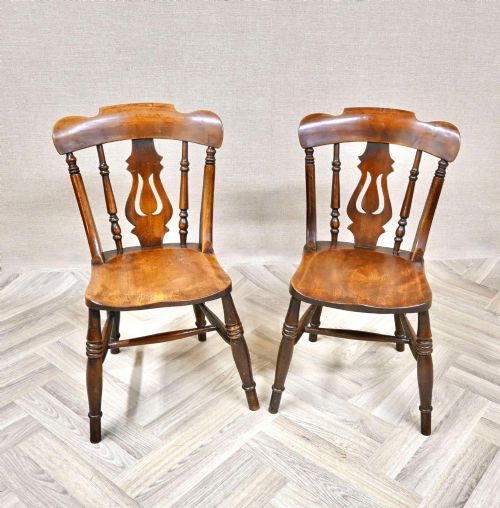
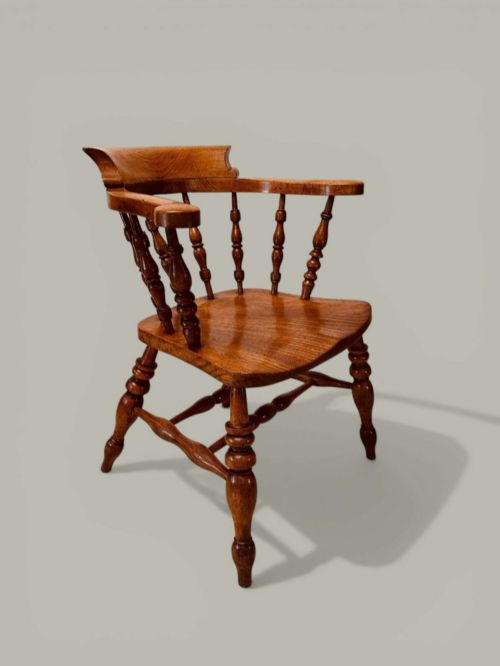
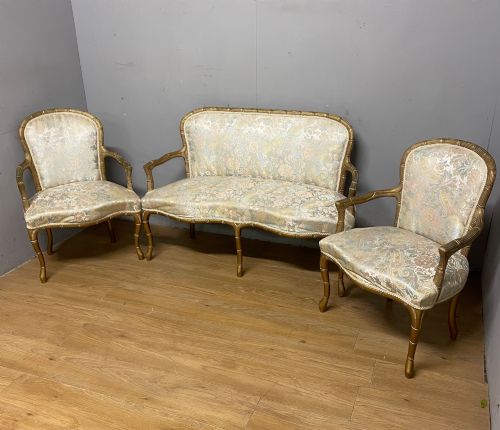
When searching for an edwardian wood chair, collectors encounter a diverse group of seating spanning dining chairs, armchairs, desk chairs, and corner chairs. These pieces reflect both the formal aesthetic of the early twentieth century and earlier Victorian or revival designs that remained popular in domestic interiors.
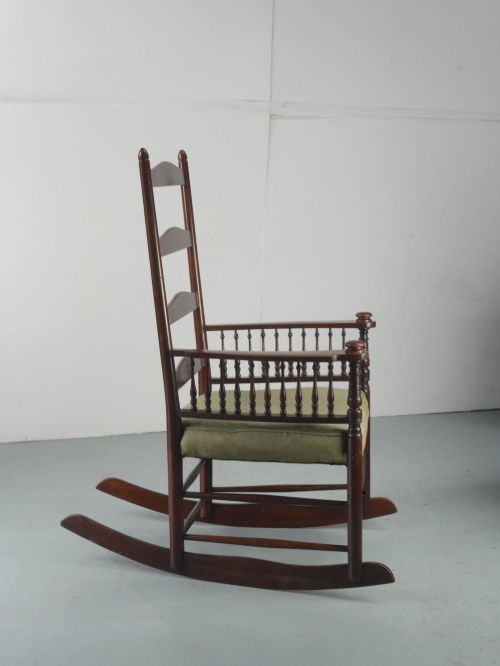
Mahogany, oak, and beech form the backbone of these selections, often paired with cane, fabric, or leather inserts. Pieces vary from utilitarian farmhouse lathbacks to ornate Sheraton Revival models with delicate inlay work.
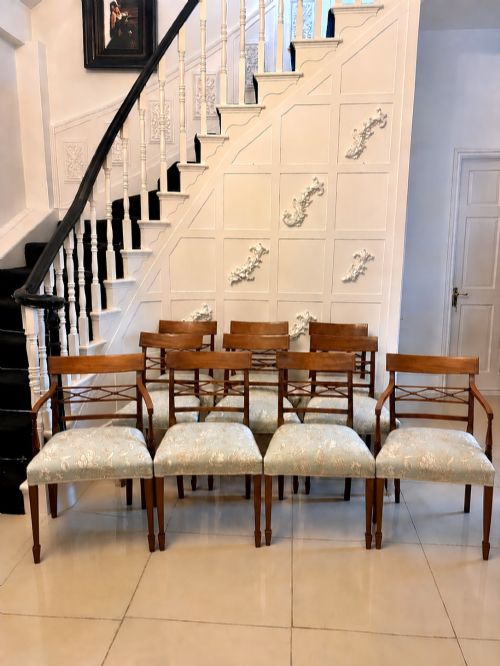
Buyers are most likely to meet mahogany dining chairs, walnut or oak revolving desk chairs, and beech or bentwood variants. The assortment balances everyday function with decorative revival styles characteristic of the period.
Construction methods and materials
Makers utilised solid timbers including mahogany, oak, beech, and maple, shaping them through traditional joinery such as mortise and tenon. Steam bending techniques created the curved frames seen in bentwood bistro chairs and revolving desk seats.
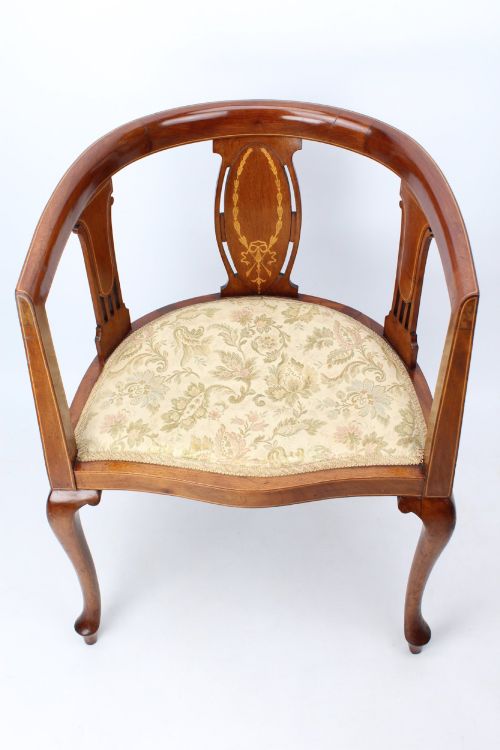
Surface decoration involved marquetry inlay, ebonising, and painted satinwood finishes. Seats were frequently fitted with cane webbing, rush, or upholstered pads covered in fabric, velvet, or leather.
Edwardian Wood Chair Retail Price Guide 2026
Typical asking prices for edwardian wood chair among the pieces listed under this phrase on Sellingantiques today, from the lower quarter to the upper quarter. They describe what is for sale here now, not the wider market.
Listings feature woods including mahogany, oak, beech, maple, walnut, and satinwood alongside cane and rush seating.
Distinctions in quality and execution
The division between standard output and finer work rests on timber selection and the crispness of carved or inlaid details. Mahogany frames with precise shield or oval backs demonstrate higher workshop capability than utilitarian beech or deal alternatives.
Structural integrity depends on original joinery remaining tight and undisturbed through decades of use. Examples retaining their untouched finish and genuine cane or leather upholstery hold greater integrity than heavily altered pieces.
Maple and Co·James Shoolbred·Alfred Allen
The Edwardian Wood Chair Glossary
- Shield Back
- A chair back shaped in the outline of a heraldic shield, commonly found in eighteenth-century and revival dining chairs. This form requires skilled cabinet work to achieve balanced proportions.
- Bentwood
- Wood softened by steam and bent into curved structural forms, typical of café and bistro seating. This technique allows light yet resilient frames.
- Cane Back
- A panel woven from rattan strips fitted into the frame of a chair back. It provides a lightweight and decorative support.
- Lathback
- A chair back constructed with horizontal or vertical wooden slats, often associated with country farmhouse seating. These pieces prioritise robust daily utility.
- Inlay
- Contrasting woods or shell inserted into recesses within the primary timber surface to form decorative patterns. This method enhances the visual depth of mahogany and satinwood furniture.
Edwardian Wood Chair: Frequently Asked Questions
How do I identify an edwardian wood chair?
Look for characteristic timber choices like mahogany or satinwood combined with revival motifs such as Sheraton or Arts and Crafts styling. Construction details often blend machine precision with hand finishing typical of the era.
Examine the upholstery methods and interior labels if present, as these help confirm the production period between the late nineteenth and early twentieth centuries.
Were these chairs used for dining or desks?
Both functions are common within the inventory, alongside hall seating and armchairs. Desk variants frequently incorporate revolving mechanisms and upholstered bucket or tub backs.
Dining versions typically appear in sets, ranging from four to ten pieces, often featuring open, shield, or cane backs suited for formal dining rooms.
How should I care for cane and wood seats?
Keep cane seats lightly hydrated with a damp sponge occasionally to prevent the natural rattan from becoming brittle. Avoid placing them near direct heat sources.
Feed the wood surfaces with appropriate beeswax and dust them regularly with a soft cloth to maintain the finish without building up heavy residues.
What is the difference between revival styles?
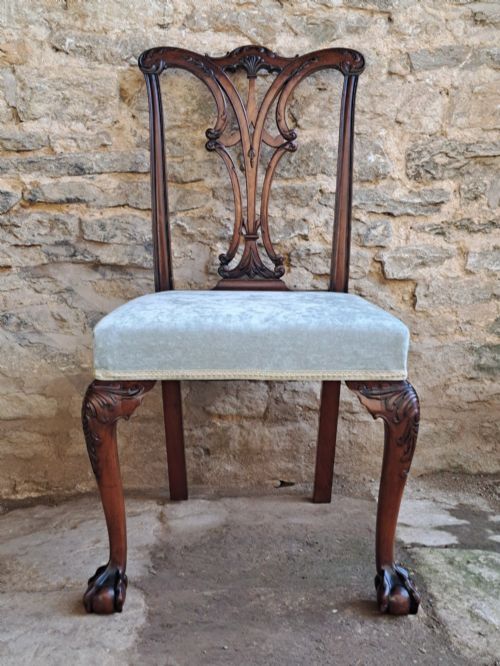
Revival styles draw inspiration from earlier periods, such as Chippendale, Sheraton, or Jacobean designs, adapted by Edwardian cabinet makers. Chippendale influences bring carved splats and open arms, while Sheraton revivals favour delicate inlay.
Understanding these historical references helps date the piece accurately, distinguishing true eighteenth-century work from early twentieth-century interpretations.