

Edwardian Wood Bookshelf
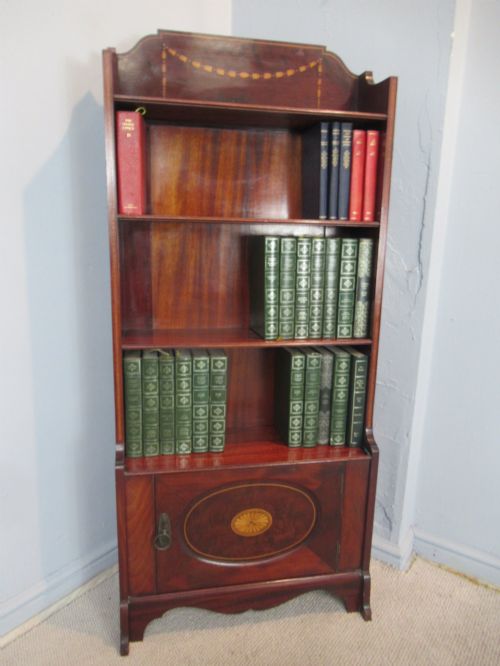
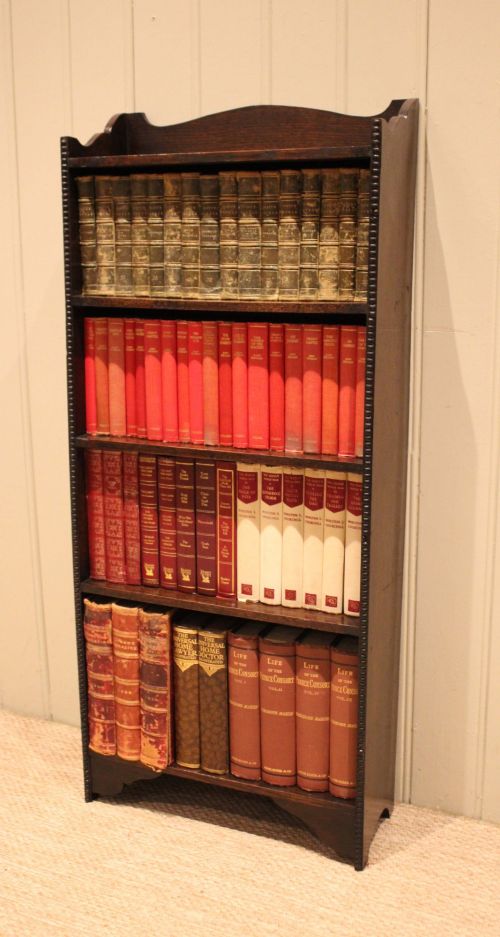
An edwardian wood bookshelf offers practical storage in seasoned oak and mahogany, bringing period character to a modern room.
Edwardian Wood Bookshelf
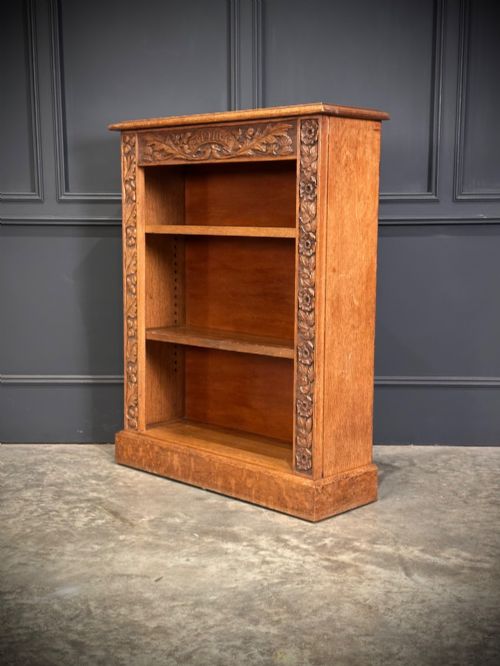
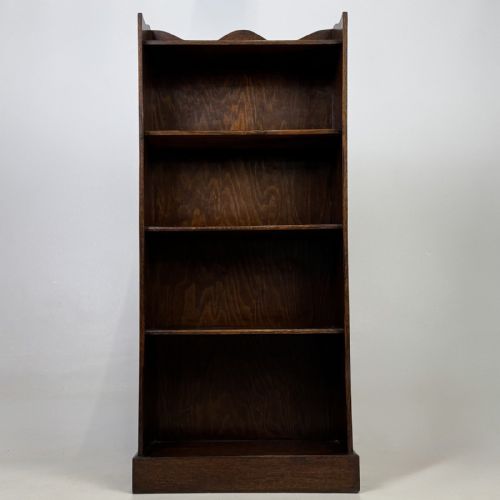
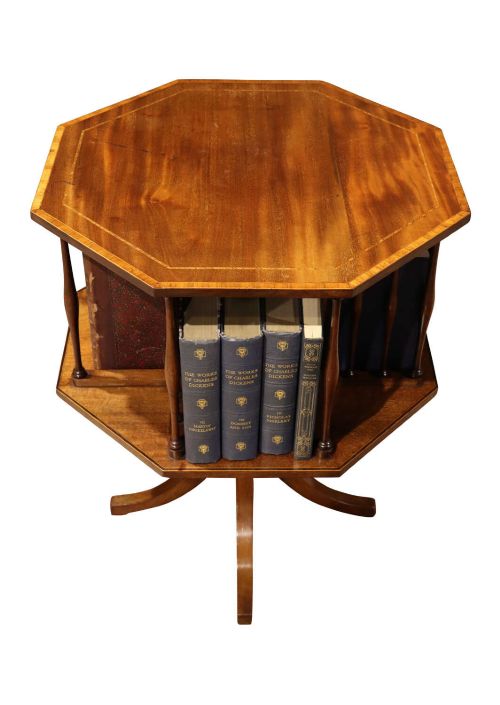
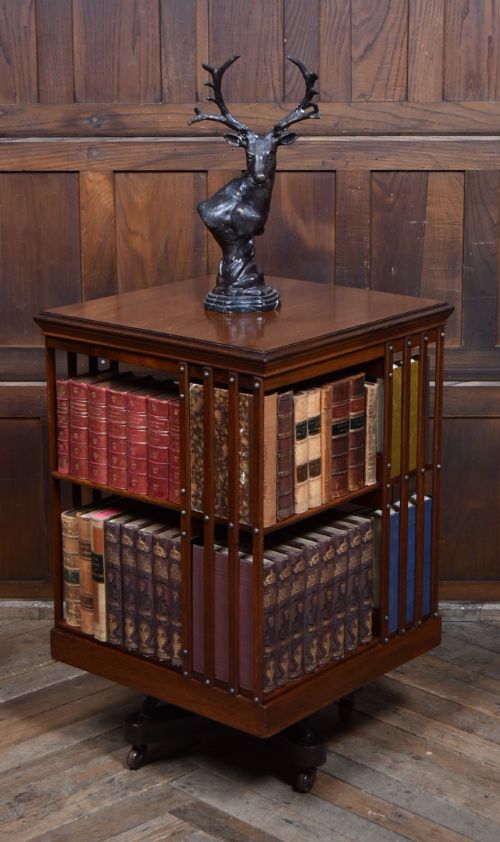
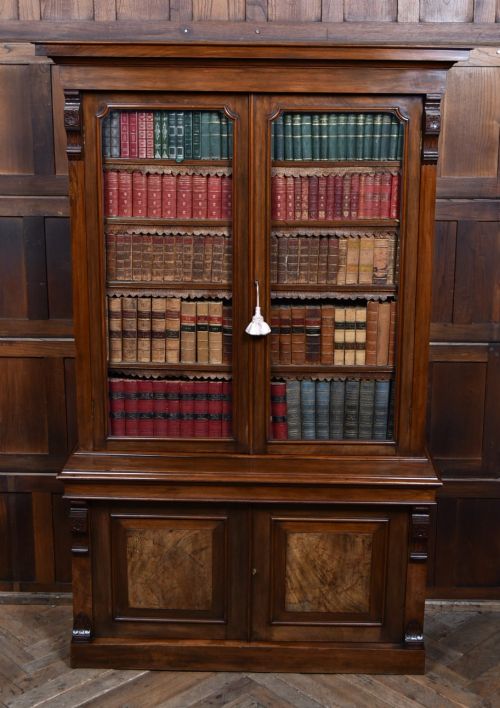
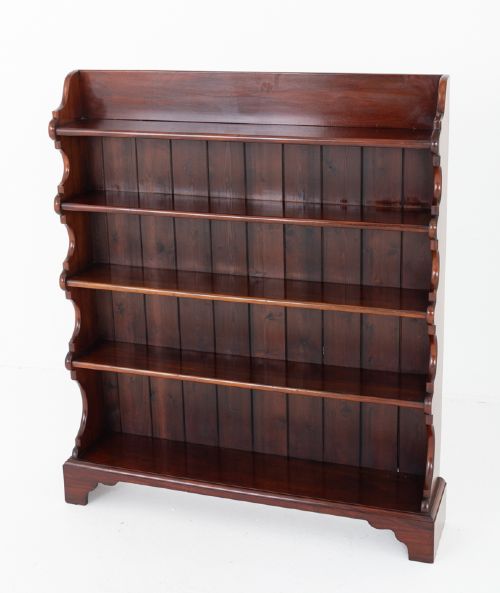
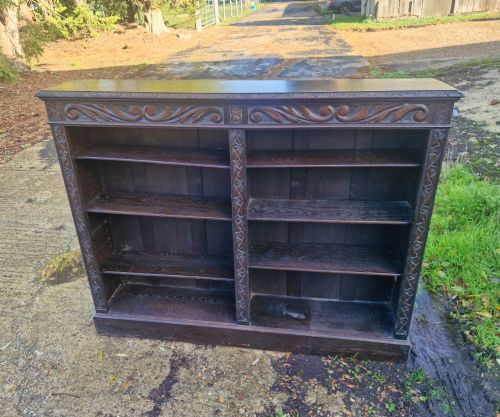
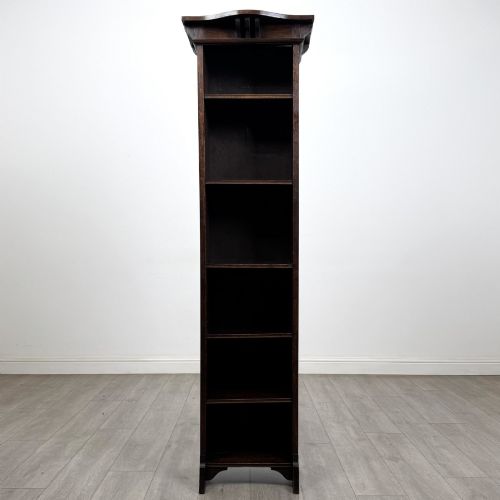
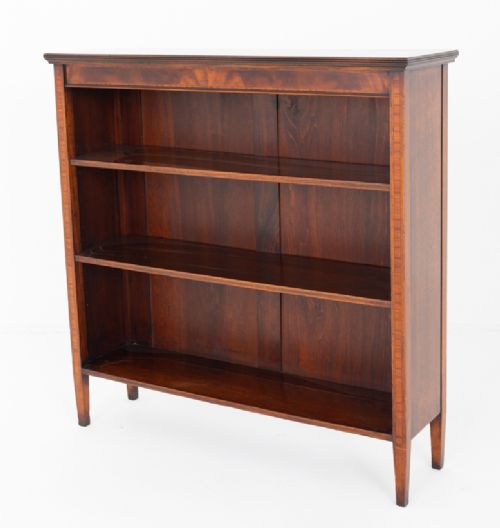
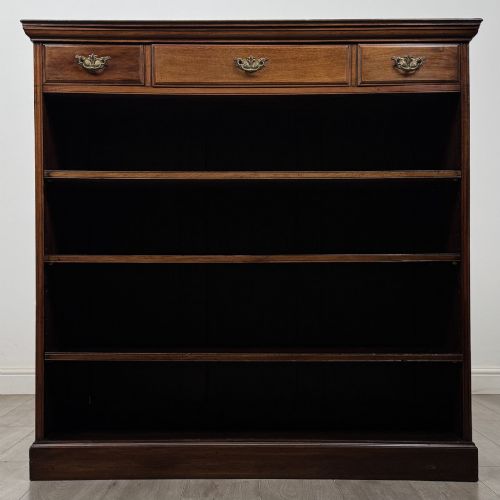
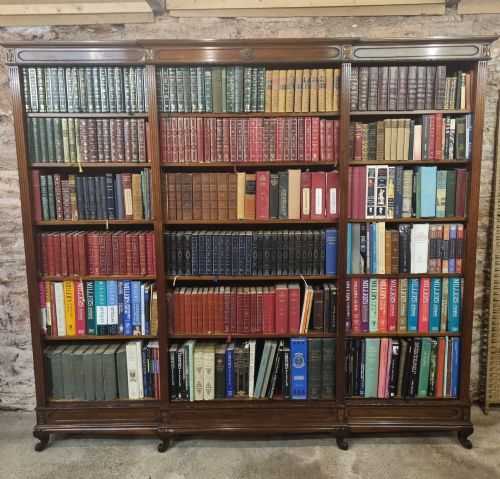
When you search for an edwardian wood bookshelf, you find pieces designed for domestic libraries and sitting rooms from the turn of the twentieth century. These furnishings range from simple open shelving to revolving library designs and tall, slender storage units.
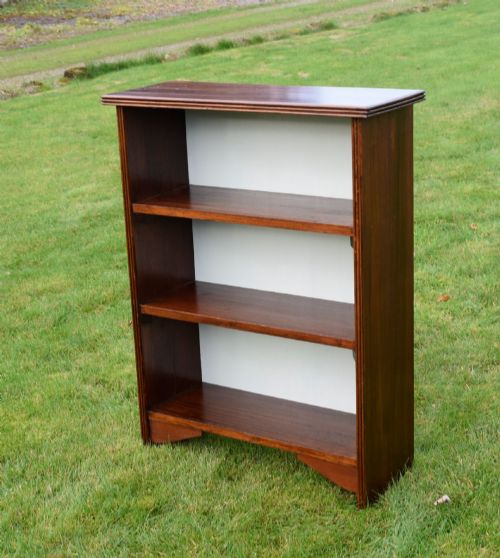
The version you are most likely to meet on this page is the open oak or mahogany bookcase from the Edwardian period or the early twentieth century. Many feature adjustable shelves, raised galleries, or dentil cornices, reflecting the domestic utility of the era.
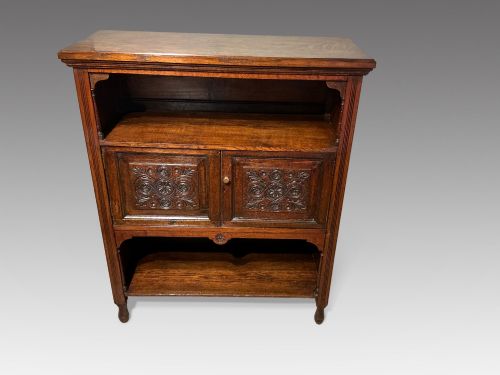
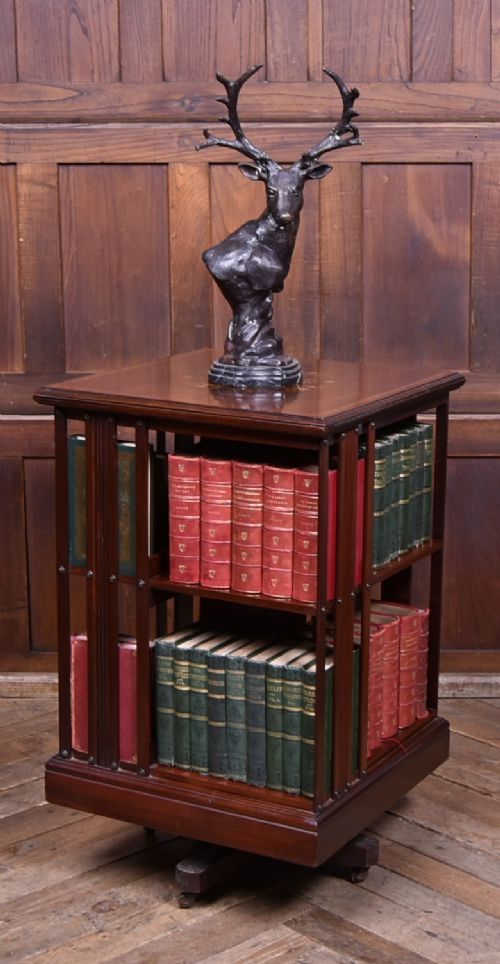
The selection also includes related forms such as wall shelves, whatnots, and revolving bookcases with slatted sides. These smaller variations demonstrate the same timber construction and period detailing seen in larger library bookcases.
Materials and Construction
Makers built these pieces primarily using oak and mahogany, occasionally incorporating walnut, satinwood, and pine for secondary elements or decorative details. Timber selection determined the weight and visual presence of each shelf unit.
Edwardian Wood Bookshelf Retail Price Guide 2026
Typical asking prices for edwardian wood bookshelf among the pieces listed under this phrase on Sellingantiques today, from the lower quarter to the upper quarter. They describe what is for sale here now, not the wider market.
Three-legged oak bookcases offer a delightfully wobbly reminder that not every Edwardian book lover had a flat floor.
Quality and Craftsmanship
The distinction between standard utility pieces and finer examples rests on timber selection and decorative subtlety. Finer items utilise figured mahogany or quarter-sawn oak, sometimes enhanced with inlaid details or carved galleries.
Engineering mechanics separate simple static shelving from rotating or adjustable designs. Smooth revolving actions and well-fitted adjustable shelf tracks demonstrate superior workshop execution.
The Edwardian Wood Bookshelf Glossary
- Dentil cornice
- A moulding decorated with a series of small, rectangular blocks projecting like teeth. This classical architectural detail frequently tops Edwardian and Victorian library furniture.
- Raised gallery
- A low decorative railing fitted to the top surface of a piece to keep items secure. It appears frequently on top of smaller bookcases and whatnots.
- Revolving bookcase
- A freestanding unit mounted on a rotating spindle base designed to sit beside a desk or chair. Users can spin the central core to access books from all sides.
- Whatnot
- A set of open shelves supported by slender pillars used for displaying ornaments and small volumes. These multi-tiered stands became popular during the nineteenth century.
- Breakfront
- A piece of furniture whose central section projects forward from the flanking wings. This configuration breaks the linear monotony of long bookcase walls.
Edwardian Wood Bookshelf: Frequently Asked Questions
How do I care for a wood bookcase?
Keep wooden furniture away from direct heat sources and sudden humidity changes to prevent the timber from splitting. Dust regularly with a dry cloth and apply occasional wax nourishment to maintain the finish.
Avoid using silicone-based polishes that build up residue over time. Gentle care preserves the original surface patina of older oak and mahogany pieces.
Can I adjust the shelf heights?
Many period bookcases feature adjustable shelves supported by wooden ratchets or metal track systems. This allows you to accommodate volumes of varying sizes.
Static shelves are fixed in place during original construction and cannot be moved without altering the framework. Check the individual description to confirm shelf adjustability.
What is a revolving bookcase used for?
Revolving bookcases provided compact storage for reference books and daily reading materials beside armchairs or office desks. Their rotating design maximised access within smaller Edwardian study spaces.
Today they function effectively as standalone display stands or bedside storage units. Their compact footprint suits modern rooms where floor space is limited.
How do I distinguish Edwardian from Victorian styles?
Edwardian furniture generally exhibits lighter proportions, simpler lines, and brighter timber tones compared to heavier Victorian designs. Makers during the Edwardian era often favoured Sheraton revival influences and understated inlay.
Victorian pieces frequently display darker finishes, denser carving, and more robust structural forms. Overlapping manufacturing dates mean stylistic details provide the clearest guide to dating.