



Edwardian Woman Portrait
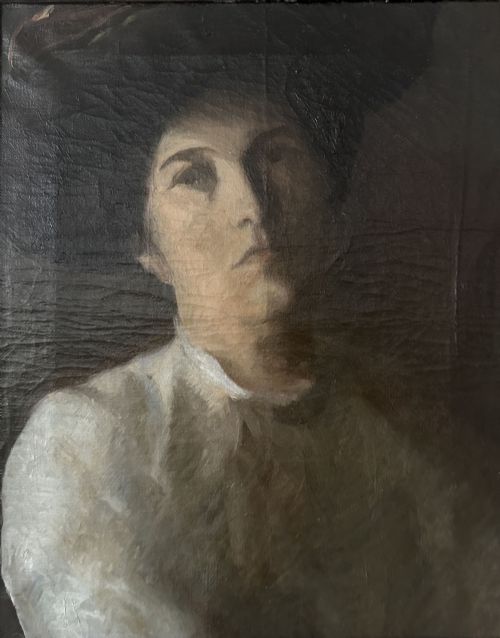
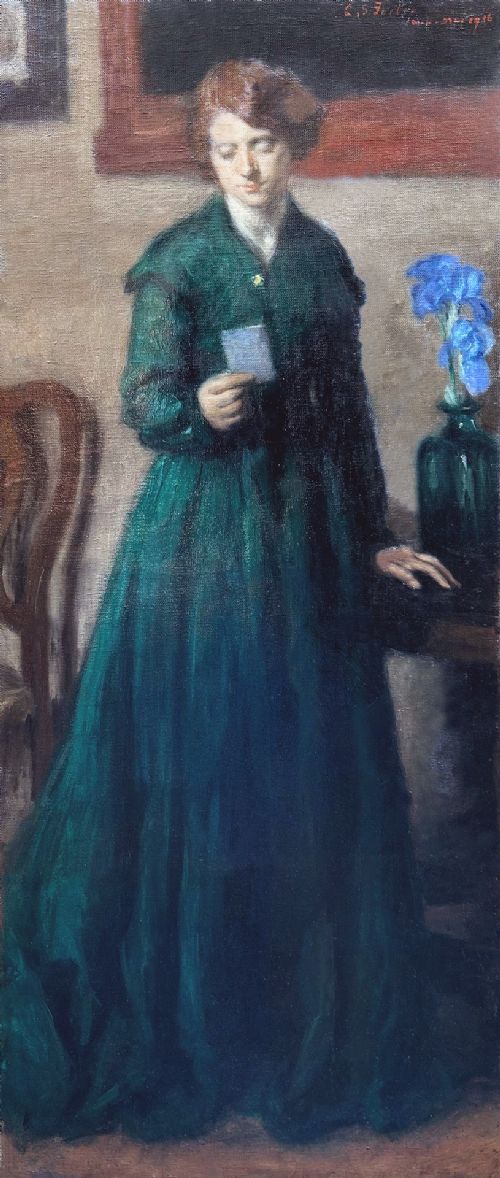
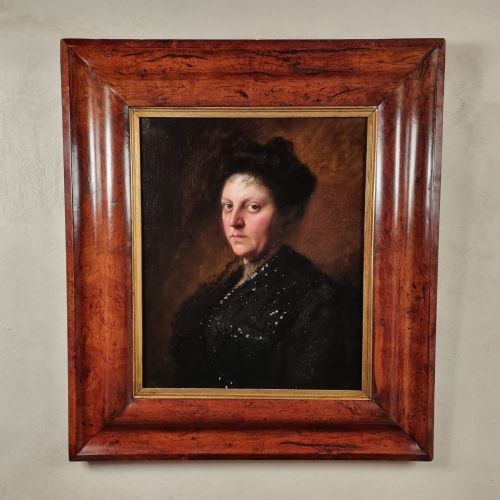
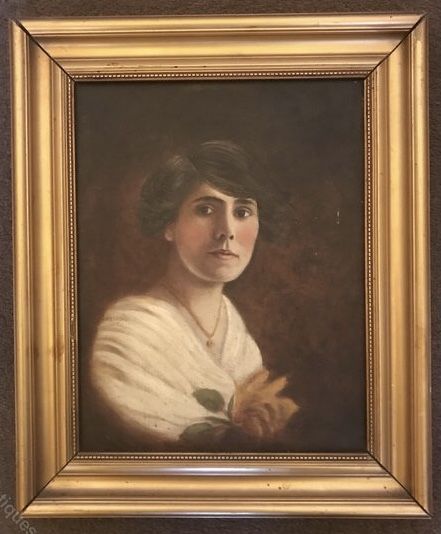
An edwardian woman portrait captures the character and elegance of the era through oils, watercolours, and sculptures.
Edwardian Woman Portrait
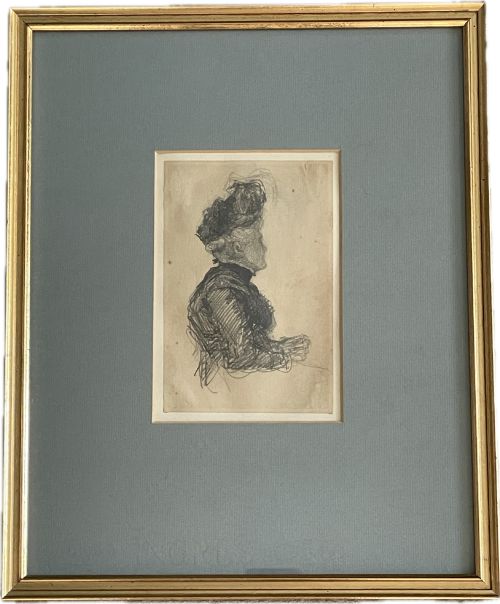
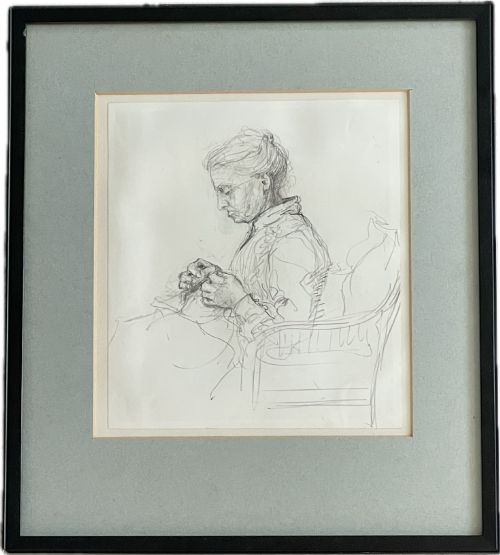
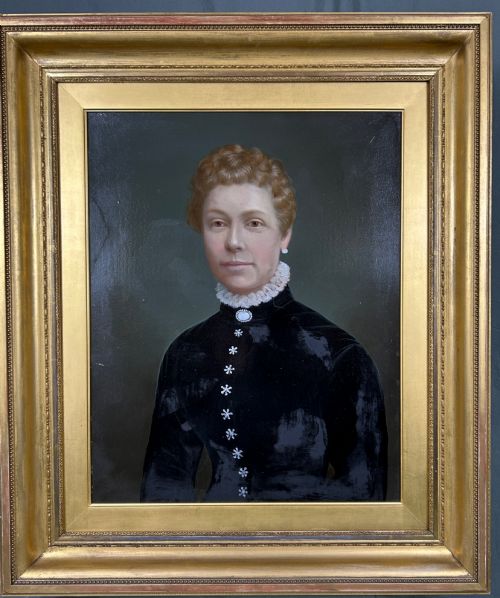
An edwardian woman portrait encompasses paintings, watercolours, and sculptural busts created during the late nineteenth and early twentieth centuries. These artworks capture female subjects ranging from society figures to anonymous young beauties.
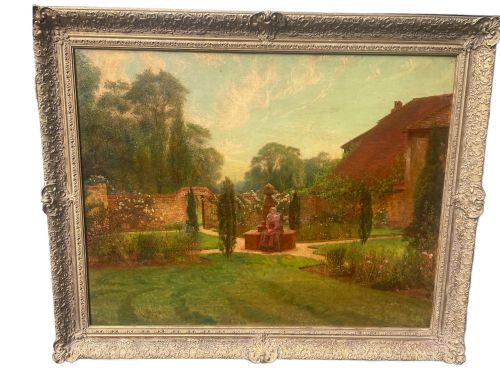
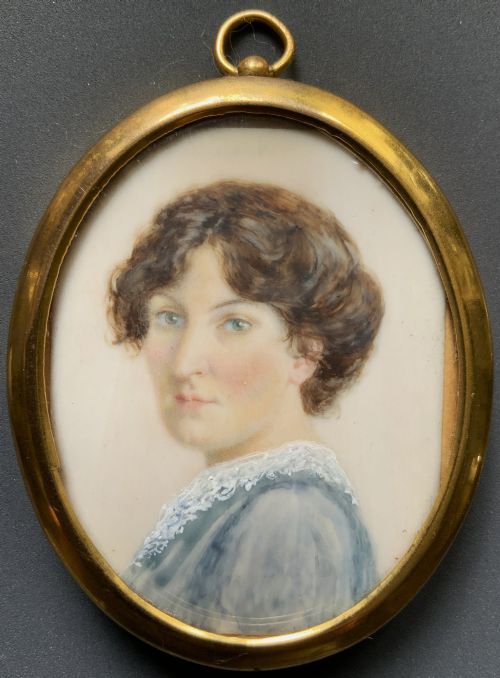
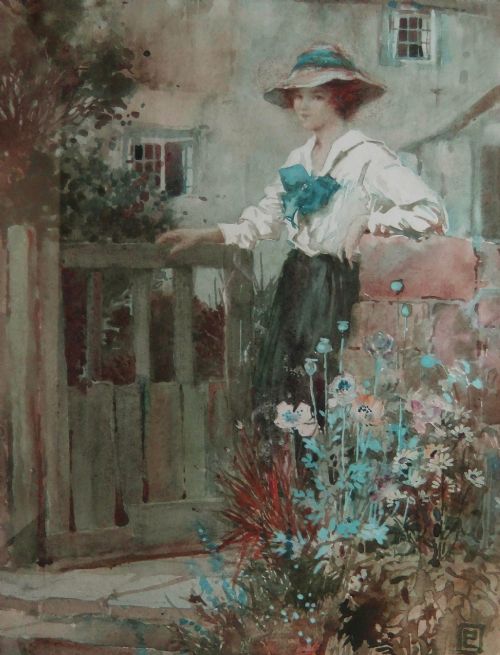
The selections available include formal oil on canvas works, delicate watercolours, and detailed portrait miniatures. Pieces span the Victorian, Edwardian, and Art Deco periods, reflecting changing fashions and artistic movements.
Subjects appear in various settings, from intimate interior scenes to structured studio poses, often framed in period wood or gilt mouldings.
Materials and techniques
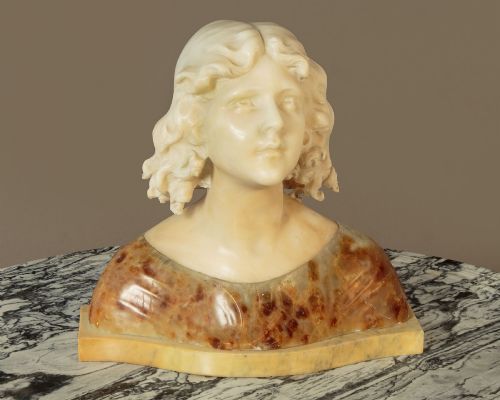
Artists worked primarily in oil on canvas or board, watercolour on paper, and occasionally graphite or chalk for drawings. Sculptural representations utilised carved alabaster or cast plaster.
Paintings were frequently mounted in giltwood frames, whilst miniatures incorporated materials such as sterling silver pendants.
Techniques range from impressionist brushwork and fluid watercolour washes to the precise detailing found in hand-painted miniatures.
Edwardian Woman Portrait Retail Price Guide 2026
Typical asking prices for edwardian woman portrait among the pieces listed under this phrase on Sellingantiques today, from the lower quarter to the upper quarter. They describe what is for sale here now, not the wider market.
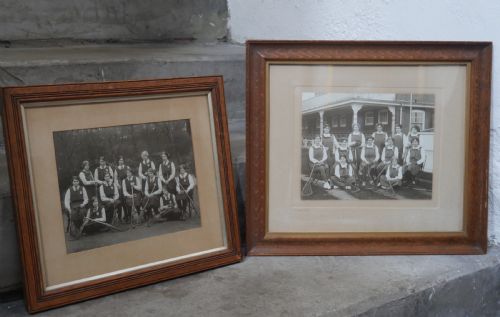
Several ladies share the frame with remarkably stern-looking family dogs.
Factors of quality
Quality rests upon the artist's ability to render facial expression, proportion, and textiles with conviction. Weaker works often display stiff proportions and flat application of pigment.
The handling of light and background atmosphere distinguishes accomplished academic or impressionist pieces from standard decorative studies. Superior works demonstrate confident, deliberate brushstrokes that bring depth to the sitter's gaze and clothing.
G. J. S. Bary·Charles Stuart Forbes·Percy Lancaster·Henry John Yeend King·J D Fergusson·Susie Lassam·Frank Moss Bennett·Sydney Kendrick·Robert Edward Morrison·Fernand Toussaint·Reginald G. Eves·Leo Klin·Cecil CP Lawson·K B Curtis
The Edwardian Woman Portrait Glossary
- Oil on Canvas
- Pigment mixed with drying oil applied to stretched fabric. This medium allowed artists to build rich layers of colour and texture.
- Watercolour
- Pigment suspended in a water-based solution applied to paper. It creates transparent washes that capture light effectively.
- Portrait Miniature
- A small, highly detailed painting, often executed on ivory, vellum, or card. These intimate works frequently served as personal tokens.
- Giltwood
- Wood carved and coated with gold leaf or a gold-coloured finish. It provides traditional framing for period paintings.
- Impressionism
- An art style focused on accurate depiction of light and fleeting moments. Practitioners used visible brushstrokes and unblended colour.
Edwardian Woman Portrait: Frequently Asked Questions
How do I date an edwardian woman portrait?
Dating relies on the sitter's costume, hairstyles, and framing materials. Fashion details such as high lace collars or hats provide clear temporal markers.
Signatures, artist registry records, and inscriptions on the reverse of the canvas or board offer additional verification.
Where were these portraits displayed?
Original owners hung these works in formal drawing rooms, libraries, and private parlours. They served as family commemorations or expressions of social standing.
Smaller watercolours and miniatures were often kept in more intimate domestic spaces or worn as jewellery.
How should I light a painted portrait?
Display paintings away from direct sunlight to prevent the fading of watercolours and the yellowing of oil varnishes. Controlled picture lights mounted above the frame work best.
Indirect ambient room light preserves the integrity of the pigments and the supporting canvas or board.
What is the difference between an oil and a watercolour?
Oil paintings utilise viscous pigments on canvas or board, allowing for thick impasto and deep colour layering. Watercolours employ translucent washes on paper.
Oils are typically framed behind glass only when unvarnished or delicate, whereas watercolours require glass protection against moisture and dust.