

Edwardian Watercolour Paper Art
Edwardian watercolour paper art brings together delicate pigment and ink on paper from the early twentieth century, offering buyers intimate scenes of British landscapes, maritime views, and genre subjects.
Edwardian Watercolour Paper Art
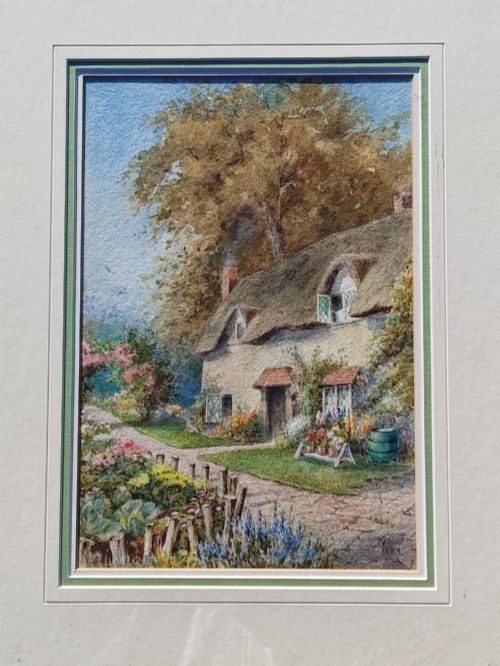
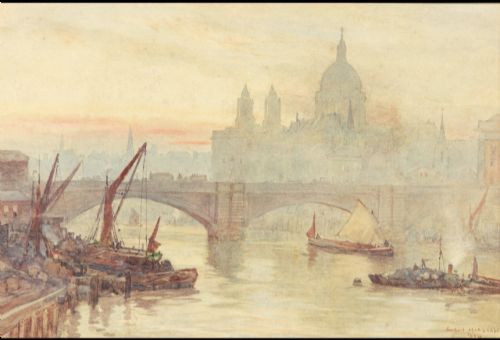
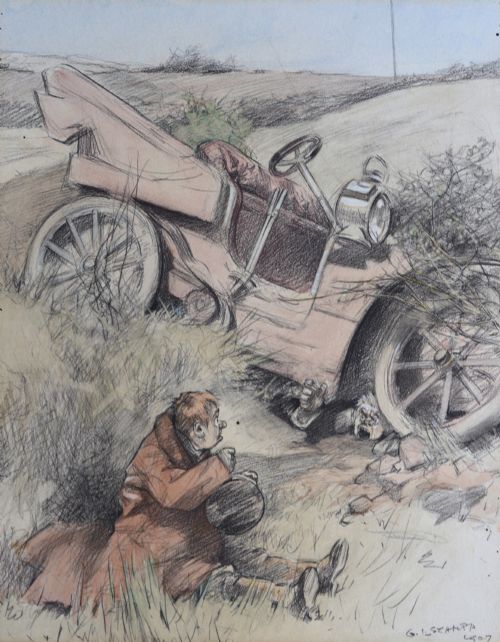
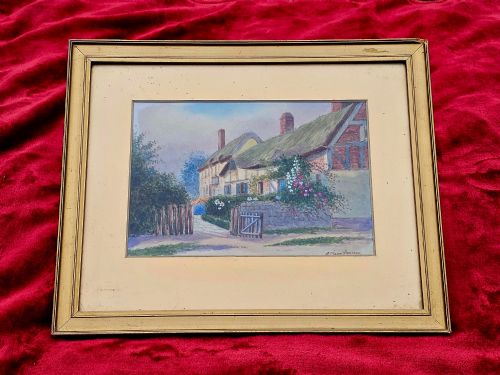
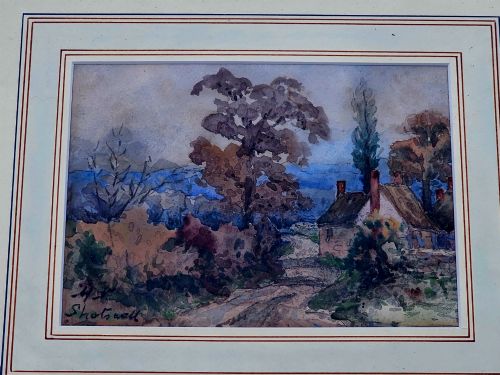
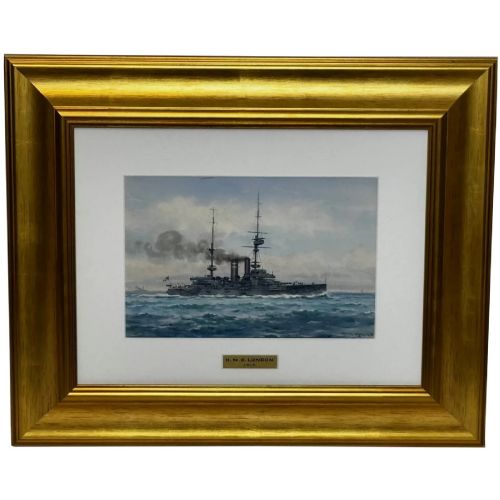
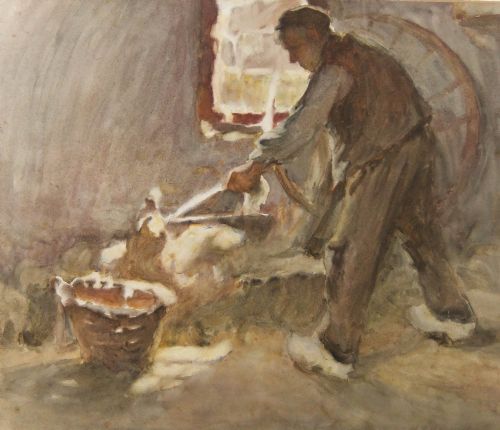
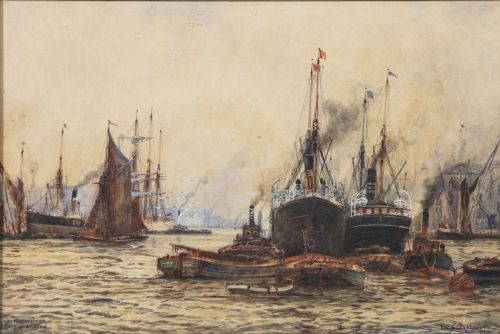
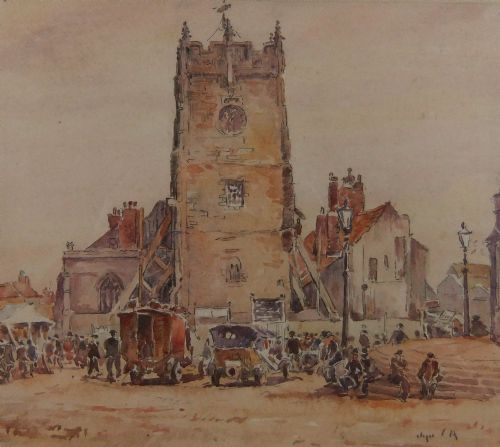
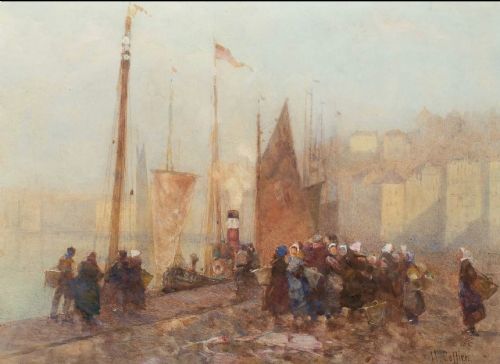
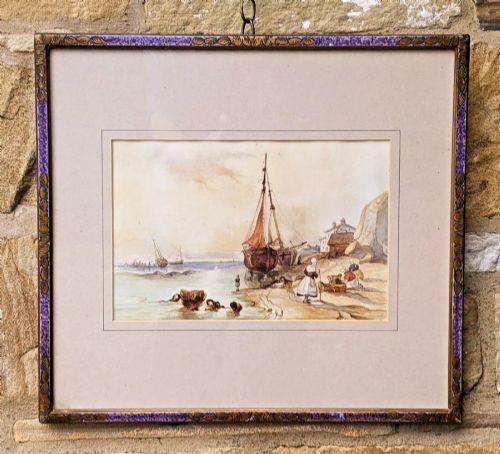
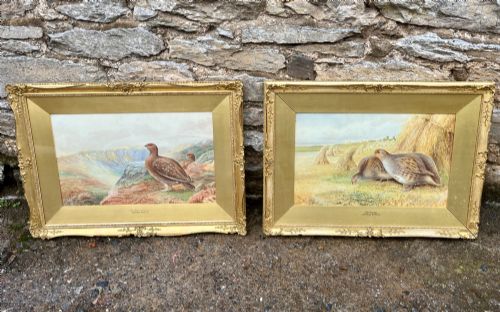
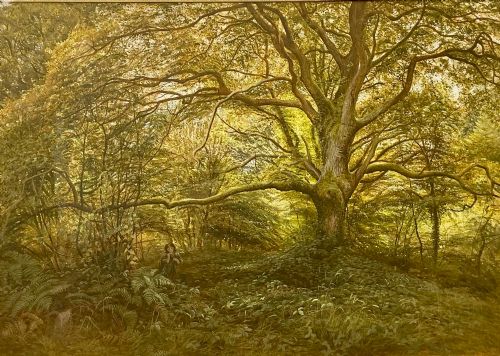
Edwardian watercolour paper art spans original paintings, fine art paintings, and framed prints produced primarily around the start of the twentieth century. The selections available reflect both Edwardian aesthetics and broader British Impressionism, capturing coastal harbours, rural cottages, and bustling street scenes.
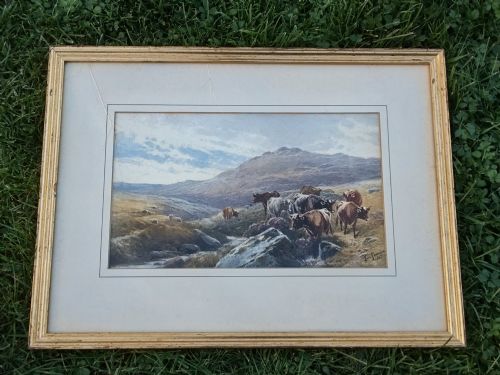
Buyers will encounter landscape watercolours depicting Yorkshire coasts, Welsh rivers, and European lakes alongside genre studies and maritime works. Many pieces originate from the Edwardian period or the surrounding decades of the late nineteenth and early twentieth centuries, framed under glass for protection.
The physical form is typically a work on paper executed in watercolour pigment, often enhanced with ink or pencil lines. These framed artworks serve as direct windows into historical domestic and topographical scenes recorded by period artists.
Materials and execution
These works rely fundamentally on watercolour pigment and ink applied to paper supports, sometimes accented with pencil work. Artists utilised fluid washes of colour to capture atmospheric effects in landscapes and maritime views.
Many surviving examples are preserved within wooden frames behind glass, which protects the fragile paper surface from environmental damage. The combination of water-soluble pigments and absorbent paper requires precise brushwork without the room for correction found in oil painting.
Listings span works executed on paper using watercolour pigment, ink, and pencil across the Edwardian era and the early twentieth century.
Distinctions in quality
Quality in these watercolours depends heavily on the confidence of the brushwork and the artist's handling of light and atmosphere. Stronger pieces display a distinct command of tonal value and composition rather than mere technical accuracy.
The preservation of the paper and the vibrancy of the watercolour pigment also separate superior examples from faded or water-damaged works. Original framing and clear provenance further elevate individual pieces within the wider field.
George Lorain Stampa·Thomas Ellison·A Marie Parsons·Frank Watson Wood·Henry Silkstone Hopwood·Frank William Scarbrough·John Smith Atherton·Hector Caffieri·George Rankin·William Matthison·Percy Lancaster·Robert George Talbot Kelly·Albert Ludovici Jnr·Warwick Goble·George F Pennington·Alfred George Morgan·Philip Richard Morris·Edgar Woollatt·Edwin Lord Weeks·Henry Charles Fox·William Manners·Cuthbert Crossley·Arthur Tucker·James William Booth·Charles James Lauder
The Edwardian Watercolour Paper Art Glossary
- Watercolour pigment
- Finely ground colour particles mixed with a water-soluble binder, applied to paper to create translucent washes.
- Gouache
- An opaque watercolour paint containing added white pigment, sometimes used to create highlights in mixed media works on paper.
- British Impressionism
- An artistic movement focusing on light, loose brushwork, and everyday subjects, heavily represented in early twentieth-century painting.
- Diptych
- A piece of art consisting of two separate painted panels or sheets, often hinged or framed together as a pair.
- Provenance
- The documented history of ownership of an artwork, helping to establish its authenticity and origin.
Edwardian Watercolour Paper Art: Frequently Asked Questions
How should I display watercolour art?
Watercolour paintings require protection from direct sunlight to prevent the pigments from fading over time. Hanging them on interior walls away from moisture sources keeps the paper and wooden frames stable.
Ensuring the framing uses conservation-grade materials under glass helps maintain the longevity of works on paper. Regular checks for condensation behind the glass safeguard the delicate medium.
What subjects are most common?
Landscapes and coastal scenes dominate this category, featuring depictions of British harbours, rivers, and rural cottages. Artists frequently recorded everyday life, genre scenes, and maritime vessels during the early twentieth century.
Topographical views of specific towns and international locations also appear regularly among these works on paper. These subjects offer a direct record of places as artists observed them decades ago.
Are these works original paintings?
The majority of pieces listed are original handmade watercolours executed directly on paper by period artists. Each brushstroke and pencil mark is unique to the individual creation.
Some listings may include early edition prints, such as illustrated fairy tales, which were produced using mechanical or block-printing methods. Checking the specific medium in the description clarifies whether a piece is a unique painting or a printed work.
How do I identify the period?
Dating relies on stylistic markers, artist active dates, and occasional direct signatures or inscriptions left by the creator. Edwardian works often reflect the aesthetic sensibilities of the early 1900s through subject matter and palette.
Framing styles and paper types can also offer clues to the age of a piece, though frames are sometimes replaced later. Comparing the technique to known dated works by the same artist provides the firmest chronology.