



Edwardian Walnut Seating
Edwardian walnut seating brings together rich timber frames and traditional upholstery forms suited to period interiors.
Edwardian Walnut Seating
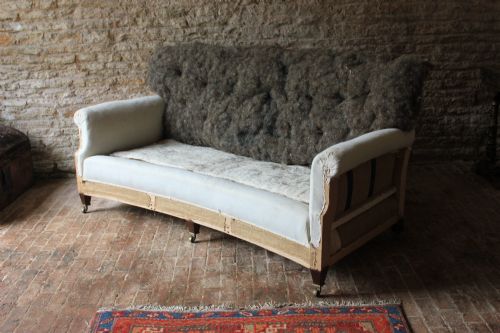
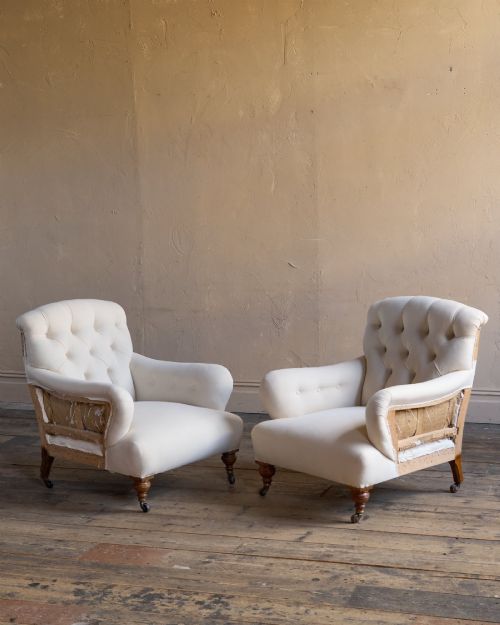
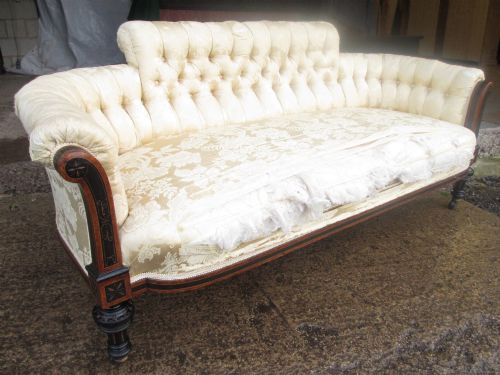
Edwardian walnut seating comprises armchairs, dining chairs, stools, sofas and desk chairs originating from the early twentieth century and the late Victorian era.
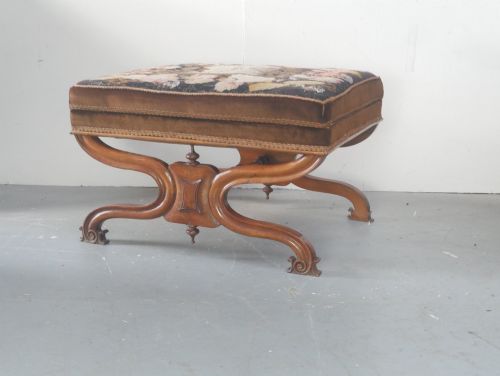
The buyer looking for edwardian walnut seating most frequently encounters dining chairs, open armchairs and footstools produced in walnut timber.
Makers drew on historic revivals, producing pieces in Queen Anne style, William and Mary revival and Arts and Crafts designs.
Materials and Construction
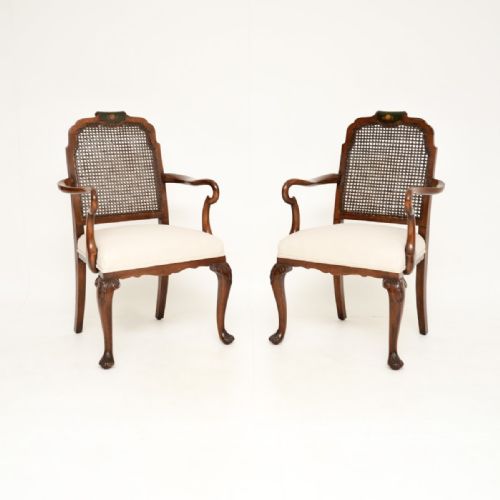
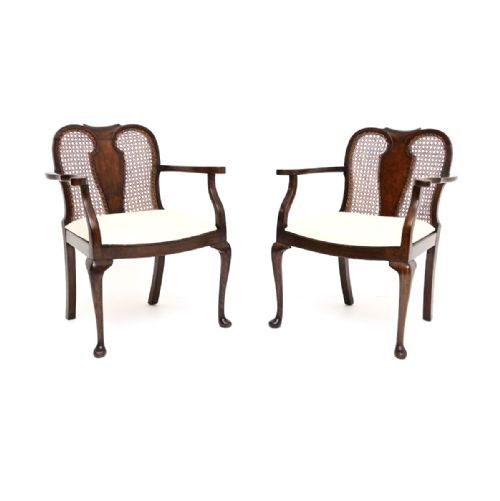
Frames rely upon solid walnut and veneered walnut, often shaped with carved details and supported on cabriole legs.
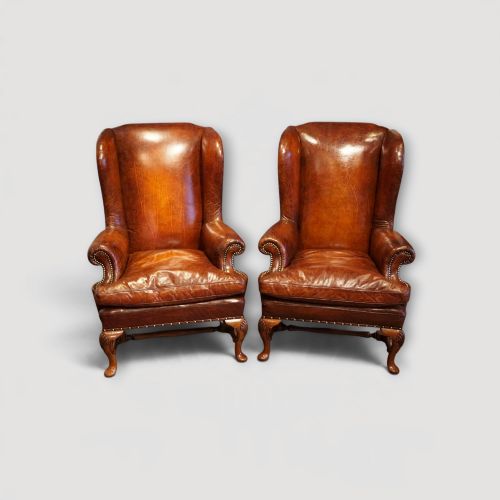
Seating surfaces utilise cane panels, split cane, leather, velvet and traditional textile upholstery paired with brass fittings.
Edwardian Walnut Seating Retail Price Guide 2026
Typical asking prices for edwardian walnut seating among the pieces listed under this phrase on Sellingantiques today, from the lower quarter to the upper quarter. They describe what is for sale here now, not the wider market.
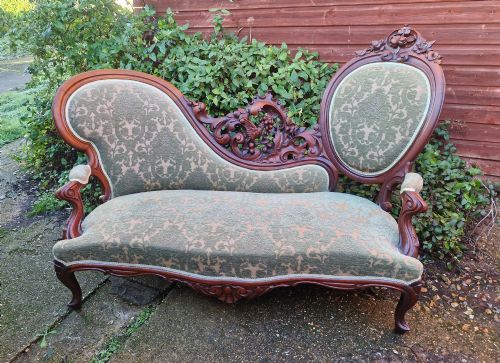
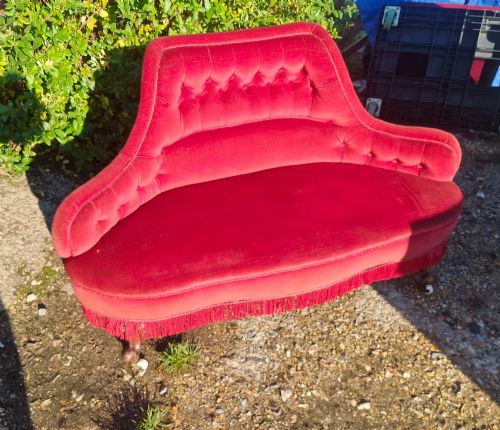
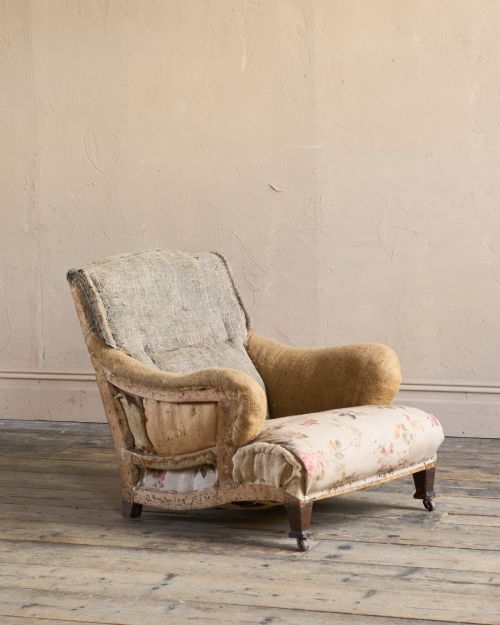
Listings feature walnut frames combined with cane, leather, velvet and brass across armchairs, stools and sofas.
Craftsmanship and Proportion
Quality rests in the depth of timber carving, the crispness of revival details such as cabriole legs, and the structural integrity of the walnut frame.
Finishes range from simple domestic chairs to substantial library and country house armchairs with detailed upholstery.
Charles Tozer·Howard & Sons·Blyth & Sons
The Edwardian Walnut Seating Glossary
- Cabriole leg
- A furniture leg that curves outward at the knee and tapers inward to an ankle. This form appears frequently on Queen Anne style walnut chairs.
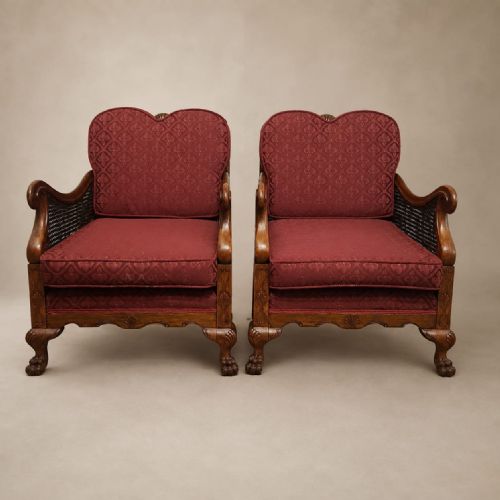
- Bergere
- An enclosed upholstered armchair with a wooden frame where the sides are filled with cane work. These pieces often include loose feather cushions.
- Wingback
- An armchair with high panels attached to the arms designed to shelter the occupant from draughts. Examples in walnut often date to the early twentieth century.
- Caning
- A method of weaving rattan or split cane to form porous panels for chair seats and backs. It requires careful restoration to maintain tension.
Edwardian Walnut Seating: Frequently Asked Questions
How do I identify Edwardian walnut chairs?
Edwardian walnut chairs are typically identified by their use of rich dark timber, revival styles such as Queen Anne, and lighter proportions than their Victorian predecessors.
Makers often combined carved walnut frames with cane panels or original textile upholstery during this period.
Were these chairs used in dining rooms?
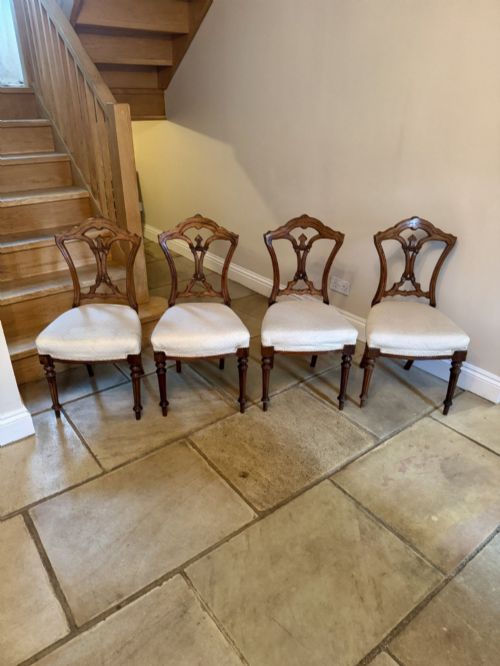
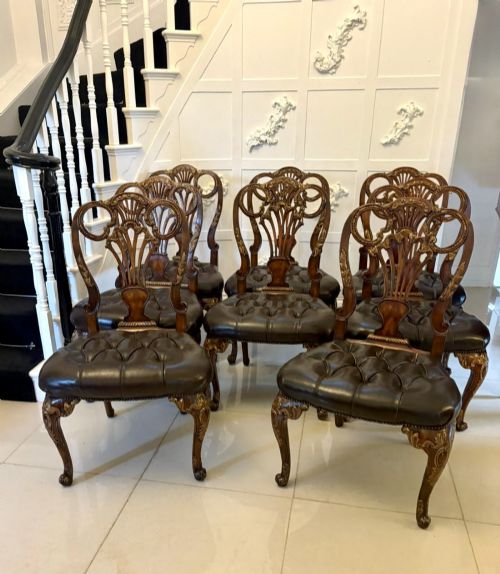
Dining chairs formed a major part of Edwardian production, often supplied in matched sets of four, six or eight pieces.
These chairs frequently feature carved walnut backs and upholstered drop-in seats.
What is a bergere armchair?
A bergere armchair is an upholstered seat featuring exposed wooden framing and woven cane sides and back.
They often include deep upholstered cushions covered in velvet, leather or modern fabric.
How do I care for walnut furniture?
Walnut requires regular dusting with a dry cloth and protection from direct sunlight and excessive heat sources to prevent timber splitting.
Conditioning the wood periodically helps maintain the natural lustre of the polished surface.