



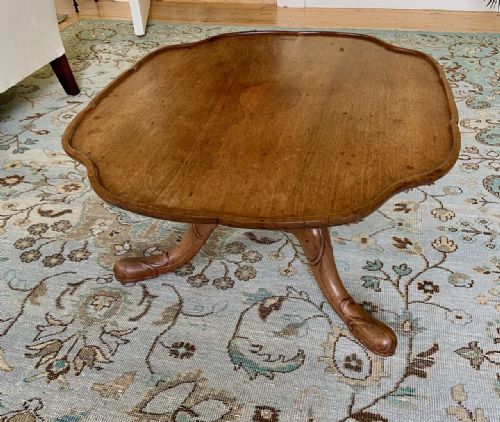


Edwardian Walnut Low Table
An edwardian walnut low table brings warmth and low-slung utility to a room, offering rich timber grain and period charm.
Edwardian Walnut Low Table
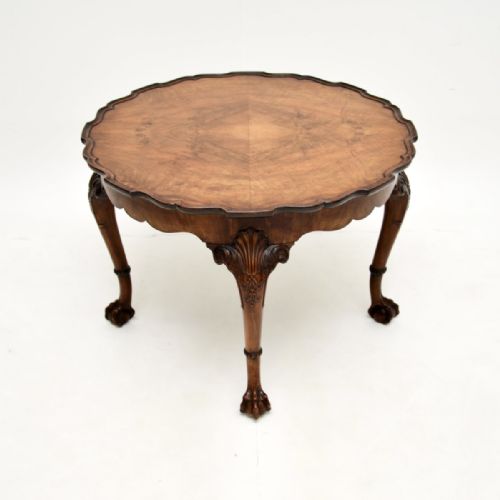
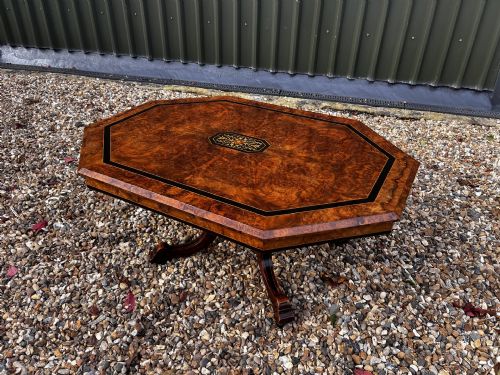
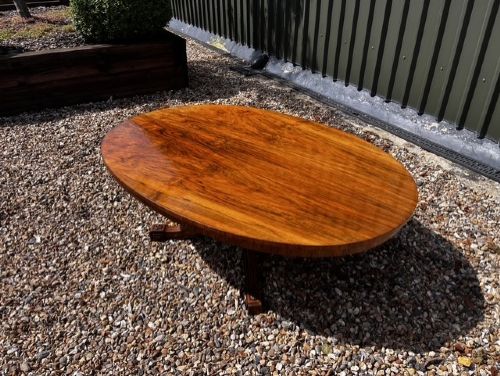
The forms span from circular occasional tables to low stools and pie crust designs, reflecting diverse domestic uses from the late nineteenth century into the interwar years. Walnut dominates the selection, appearing alongside burr walnut veneer and brass fittings.
What varies in quality
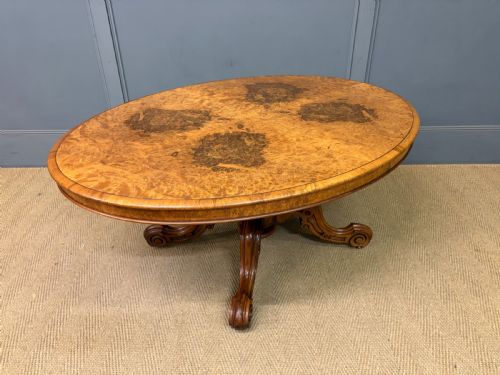
Quality rests in the selection of the timber veneer, where richly figured burr walnut commands greater attention than plain stock. The crispness of carved details and the integrity of the underlying joinery further separate standard pieces from finer examples.
Proportion and balance define the better specimens, ensuring the low form sits harmoniously without appearing clumsy. The depth of the polish and the preservation of the original timber surfaces play a major role in the overall standing of the piece.
Edwardian Walnut Low Table Retail Price Guide 2026
Typical asking prices for edwardian walnut low table among the pieces listed under this phrase on Sellingantiques today, from the lower quarter to the upper quarter. They describe what is for sale here now, not the wider market.
Listings feature walnut, burr walnut veneer, and brass across coffee tables, occasional tables, and low boys spanning the Victorian and Edwardian eras.
Holland & Sons·Whytock and Reid·Waring & Gillow·Gillows
The Edwardian Walnut Low Table Glossary
- Burr walnut
- A veneer taken from the warted growth on a walnut tree, prized for its swirling, mottled grain patterns. It creates highly decorative surfaces on table tops.
- Pie crust table
- A small table featuring a raised, carved edge shaped in rhythmic curves resembling pastry work. This decorative flourish is typical of finer occasional tables.
- Low boy
- A small leg table with drawers, originally used as a dressing or side table but often repurposed as a low coffee table today. The form provides compact surface space.
- Parquetry
- Geometric wood mosaic work used for floors and furniture tops. Craftsmen arrange contrasting timber veneers to form repeating patterns.
Edwardian Walnut Low Table: Frequently Asked Questions
What is an edwardian walnut low table used for today?
These pieces serve primarily as coffee tables or low occasional surfaces in living spaces, providing a practical spot for books and decorative items.
Their modest height makes them suited to sit in front of sofas, combining period character with everyday utility.
How do I identify a true edwardian piece?
Look for construction traits, timber choices, and stylistic cues typical of the early twentieth century, such as figured walnut veneers and lighter proportions than heavy Victorian furniture.
Comparing the legs, edges, and polish against known period examples helps confirm the date of manufacture.
Are these tables solid walnut or veneer?
Most examples combine solid timber frames with decorative walnut or burr walnut veneers applied to the top surfaces to showcase the grain.
This technique was standard practice among cabinet makers to achieve striking visual patterns without using costly solid blocks of figured wood.
How should I care for walnut furniture?
Keep walnut pieces away from direct sunlight and strong heat sources to prevent the timber and veneer from drying out or fading.
Regular dusting with a soft cloth and occasional application of appropriate furniture polish will maintain the lustre of the finish.