

Edwardian Walnut Display
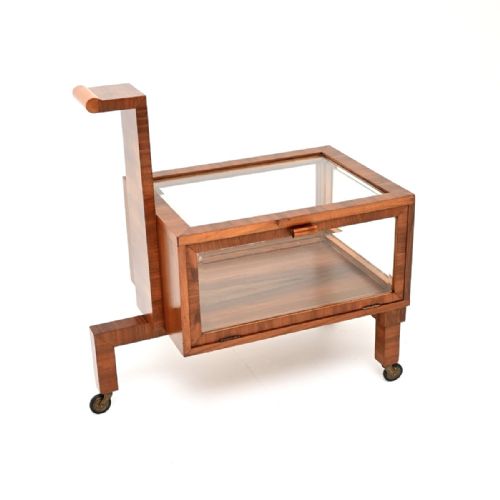
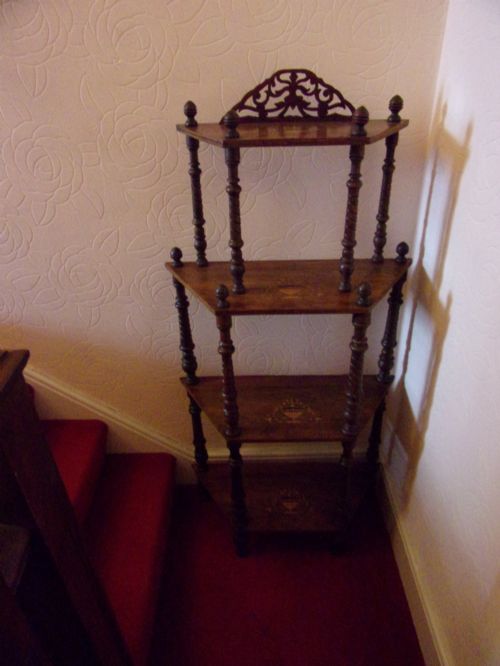
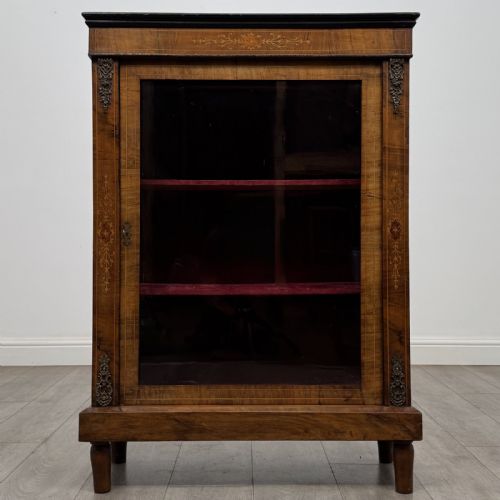
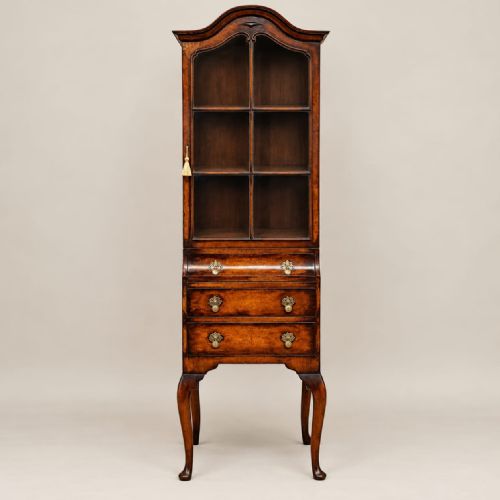
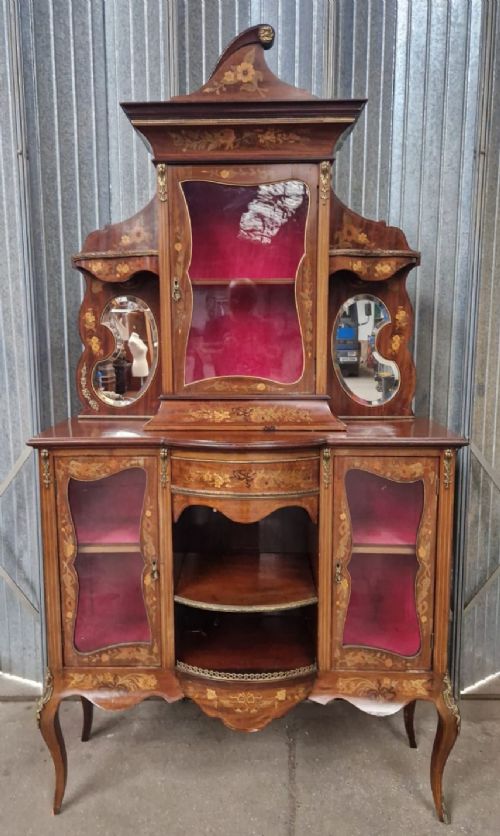
Edwardian walnut display pieces bring structured timber and glass together to hold porcelain, books and ornaments in a room.
Edwardian Walnut Display
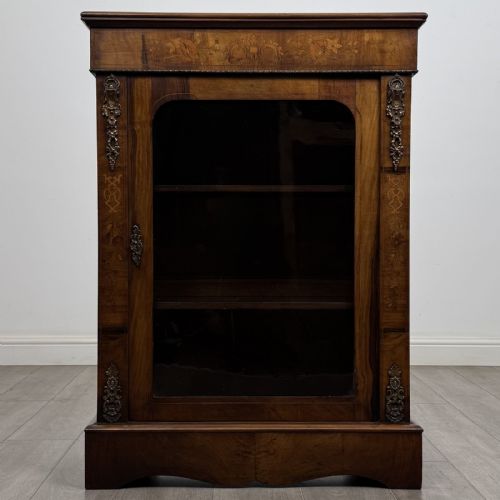
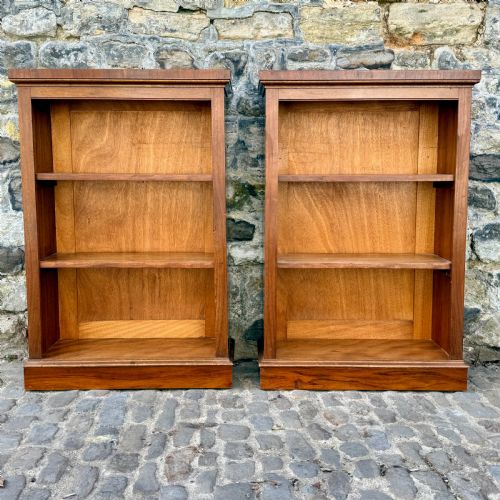
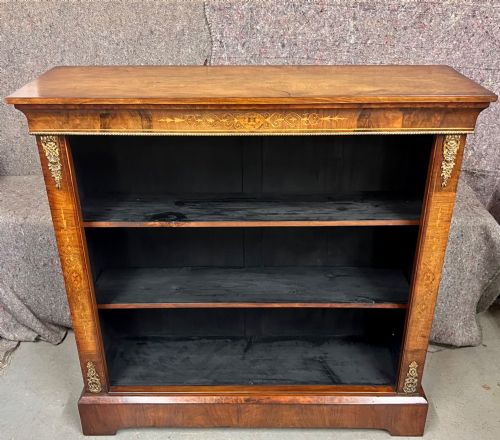
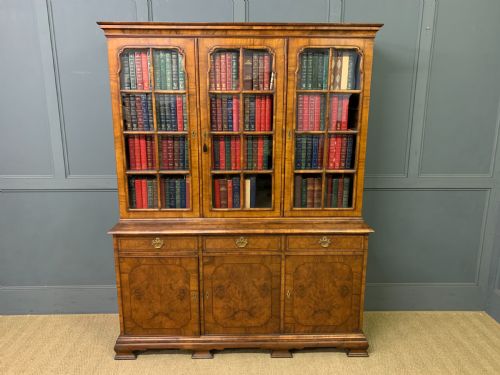
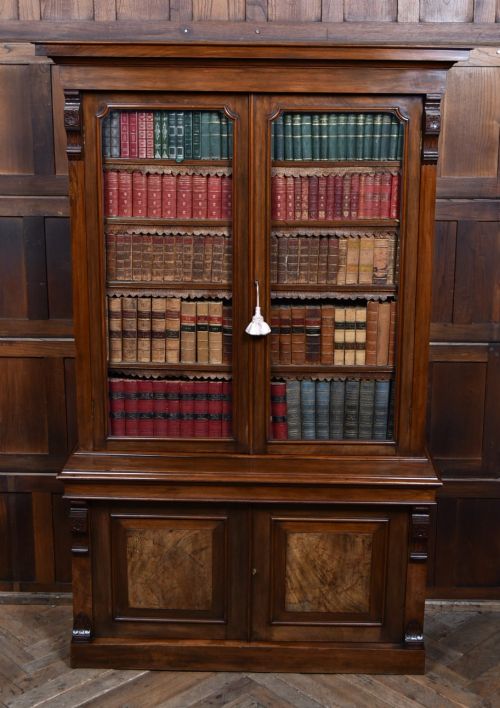
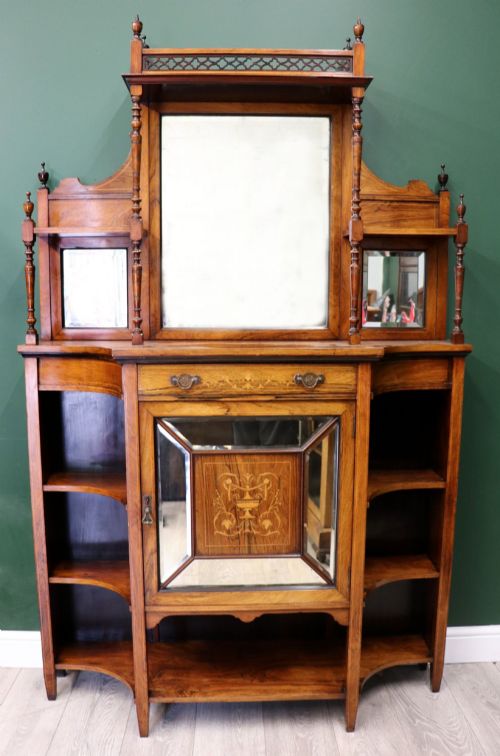
An edwardian walnut display search gathers glazed cabinets, bookcases, pier cabinets and credenzas spanning the Edwardian period alongside Victorian and later traditional eras. These items serve to organise and exhibit precious objects, books and china behind glass doors or upon open shelves.
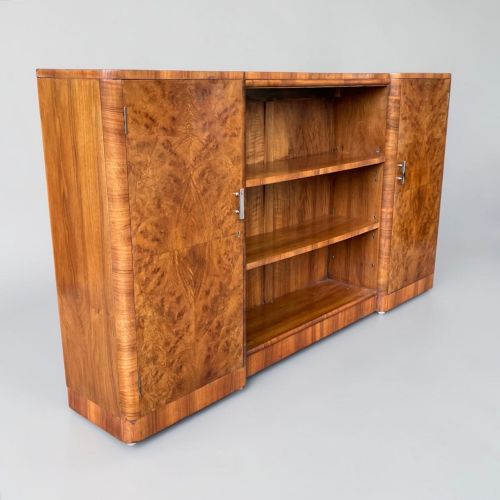
The most common formats met on this page are upright display cabinets, china cabinets and breakfront bookcases constructed from walnut, often featuring figured burr veneers and glazed panels.
Materials and Construction
Cabinet makers utilised walnut timber and burr walnut veneers applied over solid secondary woods, often accentuating the surfaces with boxwood inlay, ebonised wood details or ormolu mounts. Glass panels are set into doors to protect the interior while displaying the contents.
Internal elements such as shelves and backing boards make use of matching timbers, while decorative hardware relies on brass hinges and handles to complete the construction.
Edwardian Walnut Display Retail Price Guide 2026
Typical asking prices for edwardian walnut display among the pieces listed under this phrase on Sellingantiques today, from the lower quarter to the upper quarter. They describe what is for sale here now, not the wider market.
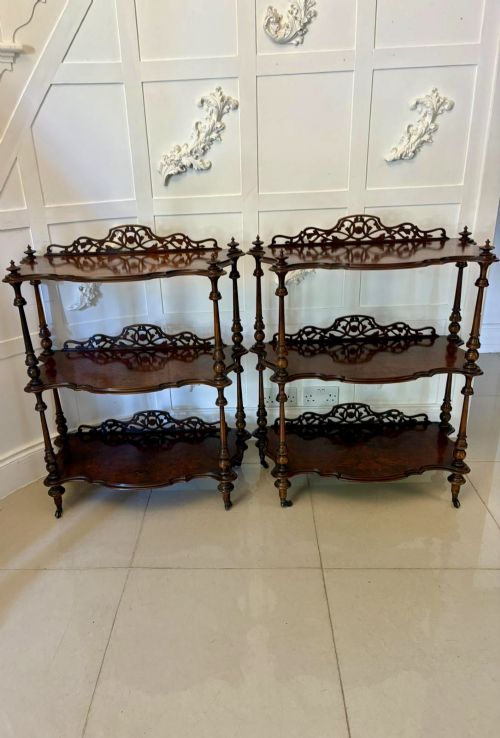
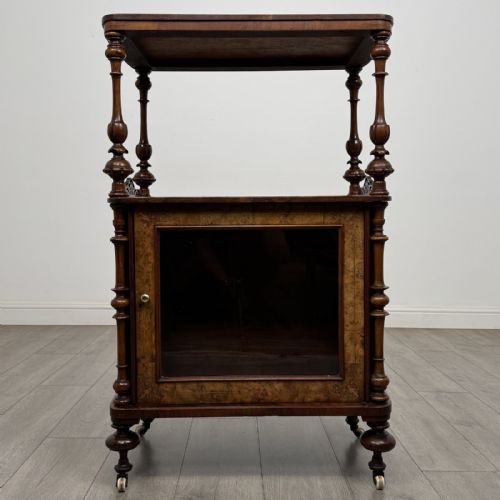
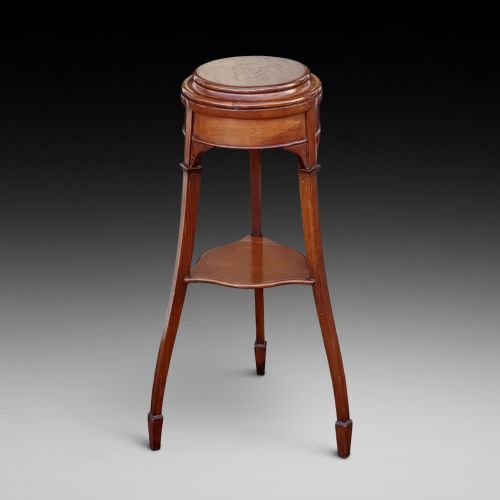
Formats range from tall breakfront bookcases and pier cabinets to plant stands, window tables and octagonal bijouterie.
Quality Distinctions
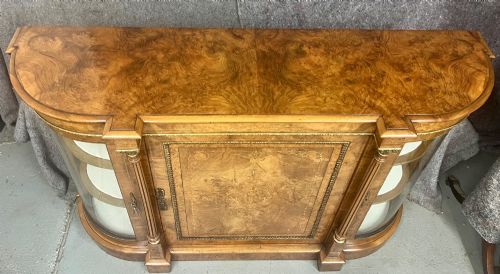
The distinction between standard examples and the finest pieces rests on the choice of figured burr veneers and the precision of boxwood inlay work. Superior items exhibit careful matching of wood grain across the doors and panels.
Construction methods such as adjustable shelving systems, original brass fittings and refined glass framing separate workshops that produced utilitarian furniture from those creating high status display pieces.
Maple & Co.
The Edwardian Walnut Display Glossary
- Burr walnut
- Timber featuring swirling grain patterns caused by tree growths, highly prized for decorative veneer work on cabinet doors. This material creates distinctive mottled patterns across the front of a display piece.
- Pier cabinet
- A narrow cabinet designed to stand against the wall space between windows. These glazed pieces protect porcelain and small ornaments.
- Credenza
- A low sideboard or cabinet often fitted with glass doors and curved end cupboards. This form frequently incorporates ormolu mounts and inlaid motifs.
- Ormolu
- Gilded bronze mounts applied to furniture for decorative effect. These metal ornaments accent the corners and borders of fine cabinets.
- Breakfront
- A cabinet design where the central section projects forward from the flanking wings. This architectural arrangement adds depth and presence to large bookcases.
Edwardian Walnut Display: Frequently Asked Questions
What fits inside these cabinets?
Glass fronted cabinets and bookcases hold china collections, fine porcelain, glassware and bound volumes. Shelves support these items safely behind locked doors.
Open bookcases and side tables display decorative objects, plants and standing ornaments within easy reach.
How do I spot Edwardian style?
Edwardian pieces often display lighter proportions and cleaner lines than their heavier Victorian predecessors. Inlay work and satin walnut accents appear frequently.
Revival styles from this era draw on Queen Anne and earlier forms while maintaining practical proportions for domestic rooms.
Where should I place a pier cabinet?
Pier cabinets suit narrow wall spaces, hallways and corners where standard sideboards prove too bulky. Their shallow depth allows them to sit flush against wall piers.
Placing these glazed cases away from direct sunlight protects the timber veneers and internal velvet linings.
What is burr walnut?
Burr walnut comes from irregular growths on walnut trees, yielding timber filled with swirling knot formations. Cabinet makers slice this wood into thin veneers for decorative surfaces.
Using these figured veneers across doors creates symmetrical patterns that define the appearance of high quality furniture.