



Edwardian Walnut Commode
An edwardian walnut commode brings warmth and practicality to a room through rich timber grain and classic proportions.
Edwardian Walnut Commode
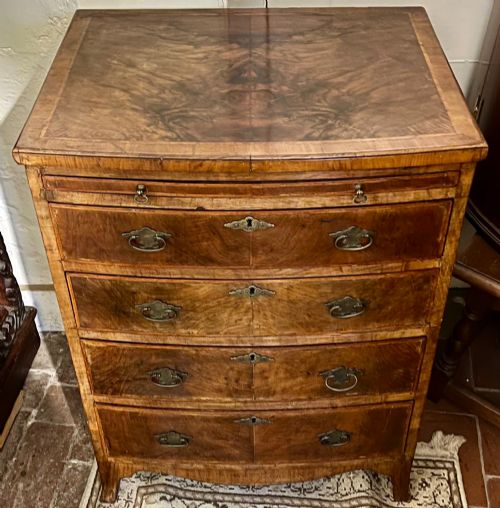
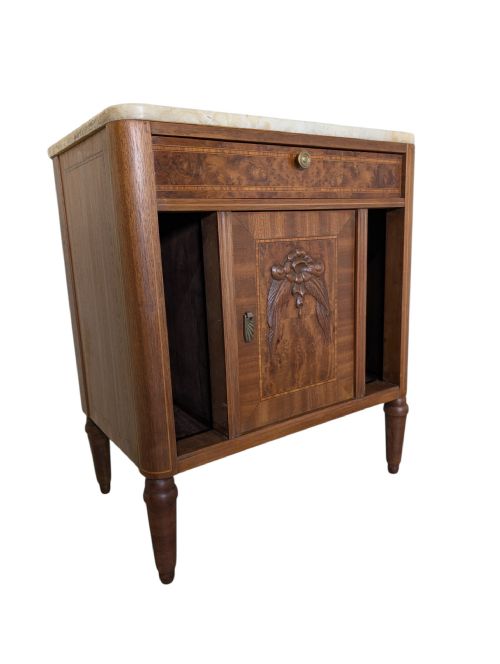
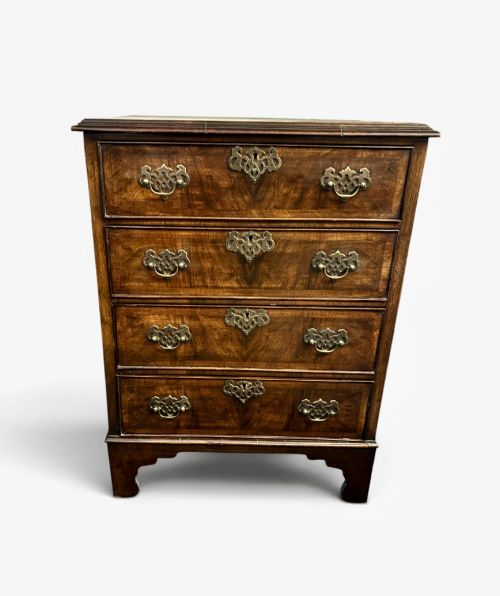
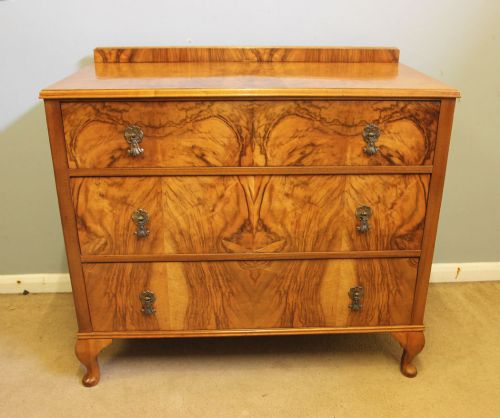
When you search for an edwardian walnut commode, you encounter a variety of practical storage furniture ranging from traditional chests of drawers to bedside cabinets and cupboards. The term encompasses both formal Edwardian pieces and related late Victorian or early twentieth-century designs sharing similar forms and timbers.
You are most likely to meet two-over-three drawer configurations alongside smaller bedside variants and single cupboards. These pieces reflect the domestic storage needs of their period, utilising compact footprints suited to bedrooms and living spaces.
Origins span standard Edwardian production alongside revival aesthetics such as Queen Anne style and French influences. The selection draws on nineteenth-century craftsmanship adapted into early twentieth-century domestic environments.
Materials and construction
Timbers form the core of these items, featuring solid walnut, figured walnut, burr walnut, and walnut veneer applied over secondary woods like oak and mahogany. Cabinet makers enhanced the visual appeal of the surfaces by selecting grain patterns that created natural movement across drawer fronts and top panels.
Metal hardware such as brass handles and pulls complement the timber construction, while certain pieces incorporate marble tops for added durability and surface contrast. Construction methods rely on traditional joinery techniques appropriate to the period, ensuring structural stability across chests and cabinets.
Edwardian Walnut Commode Retail Price Guide 2026
Typical asking prices for edwardian walnut commode among the pieces listed under this phrase on Sellingantiques today, from the lower quarter to the upper quarter. They describe what is for sale here now, not the wider market.
Periods represented span the Victorian era through the Edwardian period into the early twentieth century, alongside specific revival styles.
Distinctions in quality
The degree of refinement in timber selection separates standard items from exceptional examples, particularly where highly figured walnut or burr veneer is employed. Superior pieces display thoughtful book-matching and consistent grain alignment across multiple drawers.
The precision of the cabinet work and the integrity of the original hardware dictate the overall standard of a piece. Better workshops invested greater care in internal construction, drawer linings, and the crispness of applied mouldings.
Heals·WC Burt
The Edwardian Walnut Commode Glossary
- Burr walnut
- A prized timber harvested from tree growths, yielding intricate, swirling grain patterns that decorators use for decorative veneer panels.
- Veneer
- A thin layer of superior wood applied over a stable secondary timber to provide a decorative surface without excessive weight.
- Marquetry
- The art of forming decorative patterns using thin pieces of wood veneer and other materials inlaid into a solid background.
- Demi-lune
- A half-moon shape characteristic of console tables and commodes designed to sit flush against a wall.
- Bombe
- A swollen or bulging profile shape typical of continental-influenced cabinet work from the period.
Edwardian Walnut Commode: Frequently Asked Questions
How do I care for a walnut surface?
Keep wooden surfaces away from direct sunlight and excessive heat sources to prevent the timber from drying out or splitting. Apply natural beeswax periodically to nourish the grain and maintain a soft sheen without building up synthetic residues.
Avoid placing damp items directly onto the wood or marble tops. Use protective mats under glasses and vases to protect the finish from moisture rings.
Are these cabinets suitable for modern bedrooms?
Their compact dimensions and logical drawer configurations make them practical for contemporary sleeping quarters. They offer useful storage while introducing tactile warmth through historic timber grain.
Many pieces function effectively as bedside tables or supplementary storage units in hallways and living rooms. Their neutral tones blend easily with various interior decorating schemes.
What is the difference between a chest and a commode?
The terminology often overlaps depending on the regional origin and the specific cabinet design. Commodes traditionally refer to lower storage cabinets with doors or drawers, while chests focus primarily on stacked drawer storage.
French-influenced variants tend to use the term commode for decorative bedside or console pieces. British listings often apply both terms interchangeably to low drawer units.