



Edwardian Velvet Back Frame
These Edwardian velvet back frame pieces are decorative displays for cherished photographs, offering a tactile focal point that brings period character to any mantel or bureau.
Edwardian Velvet Back Frame
An Edwardian velvet back frame is a tabletop accessory designed to hold and display portrait photographs with a distinct fabric backing. While the search phrase points to specific photo frames, the current listings show that this category also encompasses broader seating and mirror forms sharing similar period traits.
The objects seen here span from the late nineteenth century through to the 1930s, embracing Edwardian, Victorian, and early twentieth-century aesthetics. Buyers will encounter sterling silver mounts alongside wooden frames, each carrying the characteristic soft textile backing.
How They Were Made
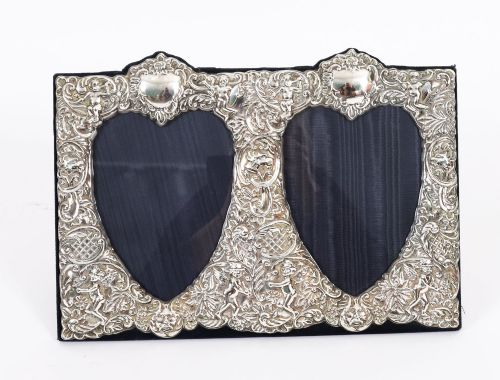
Makers constructed these pieces using solid sterling silver for the primary mount, shaping the metal into intricate borders to frame the glass pane. Wood such as oak, mahogany, and walnut forms the underlying structure for the larger seating and mirror elements.
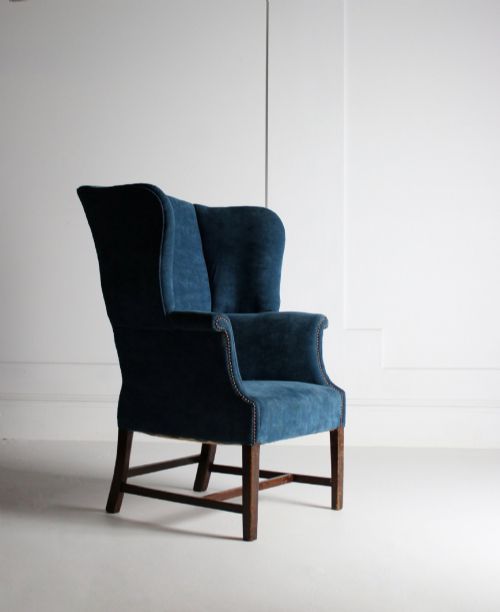
The distinctive backing relies on rich velvet stretched securely over a rigid support board, often accompanied by a folding strut to keep the frame upright. Caning and turned woodwork appear on the companion armchairs, reflecting traditional joinery methods of the era.
Edwardian Velvet Back Frame Retail Price Guide 2026
Typical asking prices for edwardian velvet back frame among the pieces listed under this phrase on Sellingantiques today, from the lower quarter to the upper quarter. They describe what is for sale here now, not the wider market.
Several pieces feature heart-shaped silver mounts designed to display sentimental portrait photographs of loved ones.
What Varies in Quality
Quality rests in the crispness of the metalwork embossing and the thickness of the silver used for the structural mount. Finer examples display deep, legible hallmarks and substantial weight rather than thin, pressed sheet metal.
The integrity of the textile backing also separates standard examples from superior ones, with densely piled velvet and sturdy internal boards retaining their shape over decades. In the accompanying wooden and cane furniture, tight joinery and well-preserved secondary timbers dictate the tier.
Henry Matthews·Howard and Sons·James Shoolbred
The Edwardian Velvet Back Frame Glossary
- Edwardian
- Pertaining to the reign of King Edward VII, noted for lighter, more refined domestic furnishings than the preceding Victorian era. This style favours elegance and borrows freely from earlier French and Chinese motifs.
- Sterling silver
- A silver alloy containing substantial pure metal content, widely utilised for picture frame mounts and decorative domestic objects. It carries official assay office hallmarks to verify its standard.
- Velvet
- A woven tufted fabric with a dense, short pile that provides a soft texture and deep colour. It serves as the characteristic backing material for period desk accessories.
- Bergere
- An enclosed upholstered armchair with a wooden frame and cane sides. This form appears frequently in walnut and oak across the early twentieth-century selections.
- Hallmark
- An official stamp applied to precious metals indicating the maker, standard of purity, and year of assay. These marks provide definitive provenance for silver frames.
Edwardian Velvet Back Frame: Frequently Asked Questions
How do I care for silver and velvet?
Silver mounts require gentle cleaning with a specialised cloth to maintain their polish without disturbing the surrounding fabric. Velvet benefits from light brushing with a soft bristled brush to lift the pile and remove accumulated dust.
Keeping these materials away from direct sunlight prevents the textile backing from fading over time.
How are different periods identified?
Periods are distinguished by examining the style of the decoration, the framing techniques, and any official metal hallmarks present on the object. Victorian pieces often display heavier ornamentation, whereas Edwardian items lean towards lighter, more refined proportions.
Matching the materials and construction methods to known historical eras confirms the age of the piece.
Where were these frames placed?
They were traditionally displayed in reception rooms, studies, and bedrooms on top of writing desks, chests of drawers, and mantelpieces. Their portable nature allowed owners to move them easily around the home.
The inclusion of a folding rear strut meant they could stand securely on any flat horizontal surface.