



Edwardian Valeting Stand
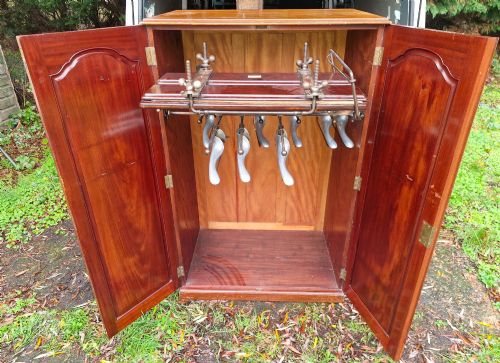
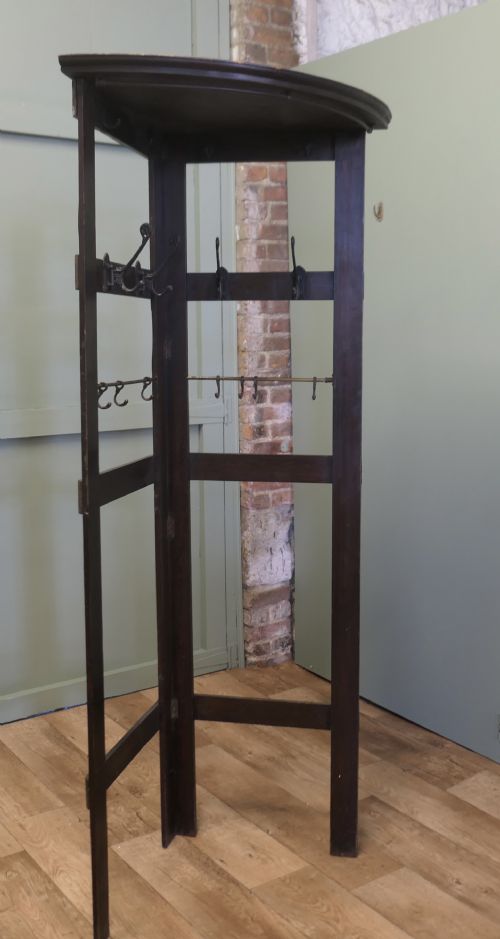
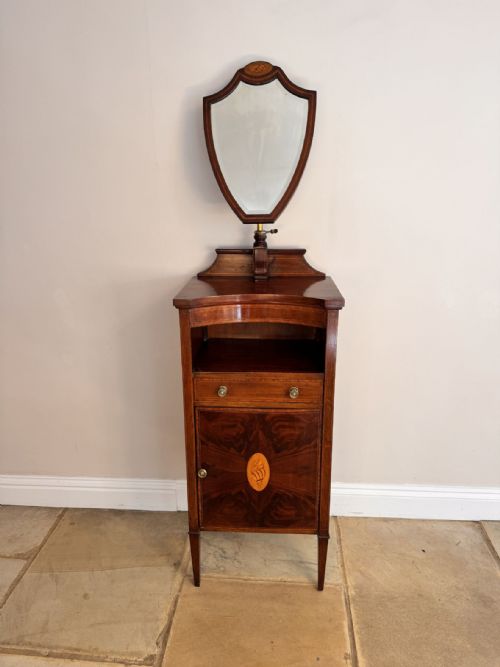
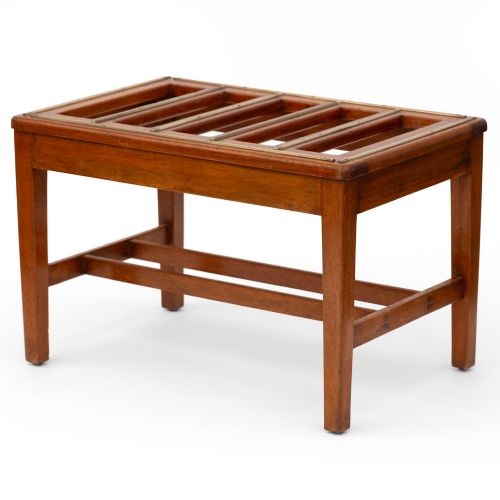
These Edwardian valeting stand options include clever folding luggage racks and adjustable shaving pieces designed to keep a gentleman's attire in proper order.
Edwardian Valeting Stand
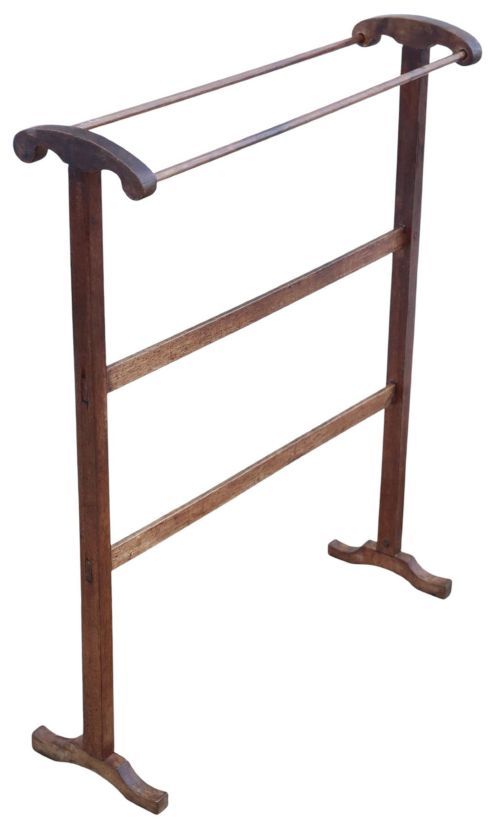
An Edwardian valeting stand brings together practical furniture forms such as shaving stands, luggage racks, and clothes changing stands from the Edwardian period and neighbouring years. Buyers seeking this phrase usually find portable folding sports wardrobes and sturdy luggage stands alongside sophisticated dressing pieces.
The pieces on this page span the late nineteenth century through to the nineteen-twenties, incorporating Victorian antecedents and Edwardian campaign influences. The common thread is domestic organisation, providing designated spaces for garments and personal grooming essentials.
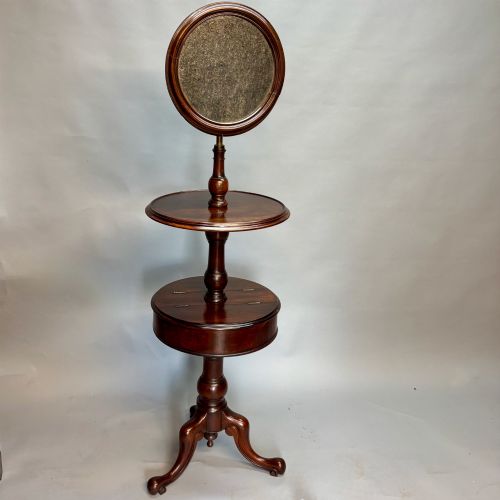
Most examples rely on oak and mahogany, often enhanced with satinwood inlay or brass fittings. Their forms range from simple folding luggage racks originating in West End hotels to elaborate dressing and shaving stands bearing maker signatures.
How they were made
Cabinetmakers utilised solid mahogany and oak as the structural backbone for these stands, applying satinwood inlay to create decorative contrast on premium surfaces. Timber selection prioritised durability to withstand daily use in bedrooms and hallways.
Brass fittings and iron components provide adjustable mechanisms and folding joints, particularly on shaving stands and portable luggage racks. Stained wood and painted metal appear on alternative utilitarian examples designed for robust service.
Joinery techniques reflect traditional workshop standards of the era, ensuring stability in folding wardrobe frames and luggage stands without relying on modern adhesives.
Edwardian Valeting Stand Retail Price Guide 2026
Typical asking prices for edwardian valeting stand among the pieces listed under this phrase on Sellingantiques today, from the lower quarter to the upper quarter. They describe what is for sale here now, not the wider market.
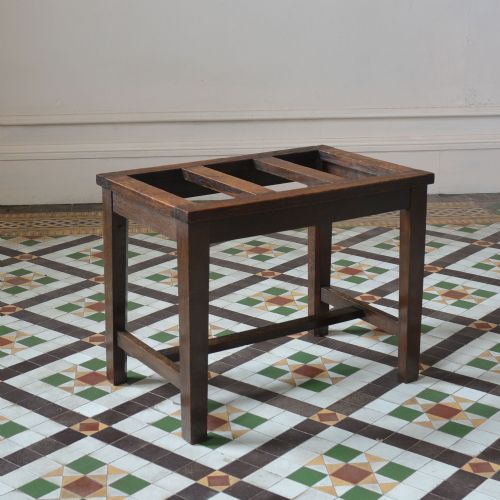
One oak luggage rack previously served guests at an exclusive West End hotel before finding a second life in domestic hallways.
What varies in quality
The distinction between standard utility items and finer pieces lies in the choice of timber and the precision of inlaid details. Mahogany stands with delicate satinwood stringing represent a higher tier of craftsmanship than plain stained wood variants.
Mechanical complexity and hardware integrity separate simple racks from superior adjustable shaving stands. Original brass fittings and smooth folding actions indicate a higher grade of manufacture from the outset.
Flashman & Co
The Edwardian Valeting Stand Glossary
- Luggage stand
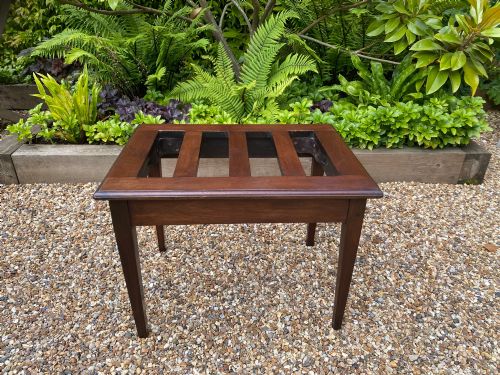
- A low folding or rigid rack designed to hold a trunk or suitcase at a convenient height in a bedroom. These often feature webbing straps or wooden slats across a timber frame.
- Shaving stand
- A specialist piece featuring an adjustable mirror and small surfaces for water jugs and grooming gear. They reflect the detailed morning routines of the period.
- Satinwood inlay
- A decorative technique where lighter contrasting wood is fitted into recesses on a dark mahogany surface. This ornamentation defines finer Edwardian cabinetwork.
- Campaign furniture
- Portable pieces designed to fold or dismantle easily for travel. Edwardian examples maintain this tradition for domestic use or sports wardrobes.
Edwardian Valeting Stand: Frequently Asked Questions
What is an Edwardian valeting stand?
An Edwardian valeting stand is a piece of antique furniture designed to hold clothes, luggage, or grooming tools. These items include shaving stands, luggage racks, and dressing stands.
They originated during the late nineteenth and early twentieth centuries to assist with daily dressing routines. Today they serve practical storage functions in modern bedrooms and hallways.
What woods were used for these stands?
Cabinetmakers primarily used mahogany and oak to construct these utility stands. Some finer examples incorporate satinwood inlay for decorative contrast.
Alternative materials include stained wood, brass, iron, and painted metal. These materials suited both portable folding wardrobes and heavy hall stands.
How do I date an Edwardian stand?
Dating relies on examining the timber, construction methods, and hardware styles. Pieces from this era often feature Edwardian or late Victorian characteristics.
Maker signatures and specific hardware designs, such as brass adjustable joints, help narrow down the manufacturing decade. Comparing wood types against known period patterns also confirms age.