



Edwardian Tea Canister
These edwardian tea canister examples hold dry leaves securely while bringing period silver, wood and glass to the table.
Edwardian Tea Canister
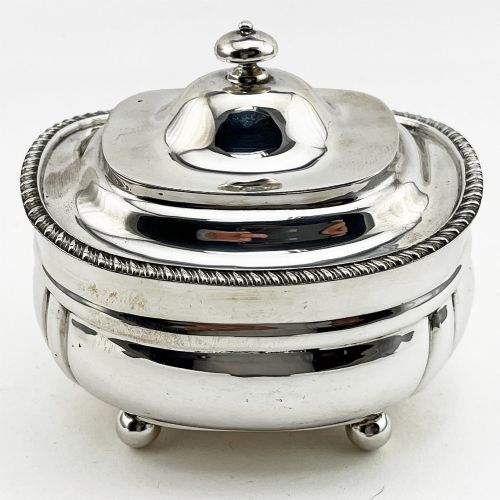
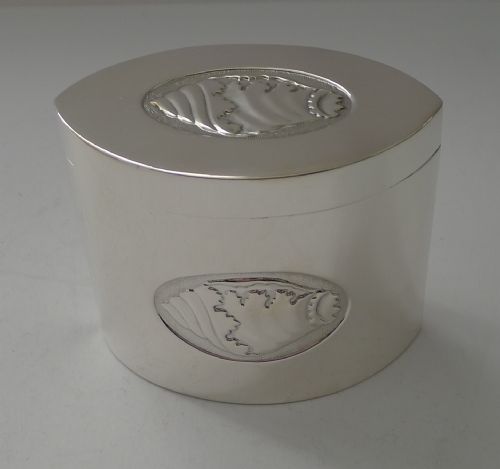
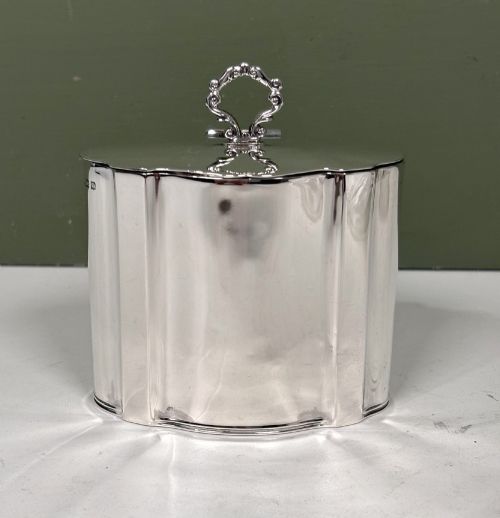
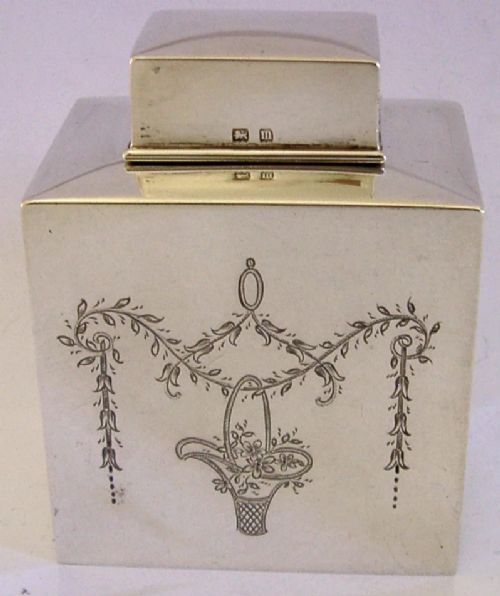
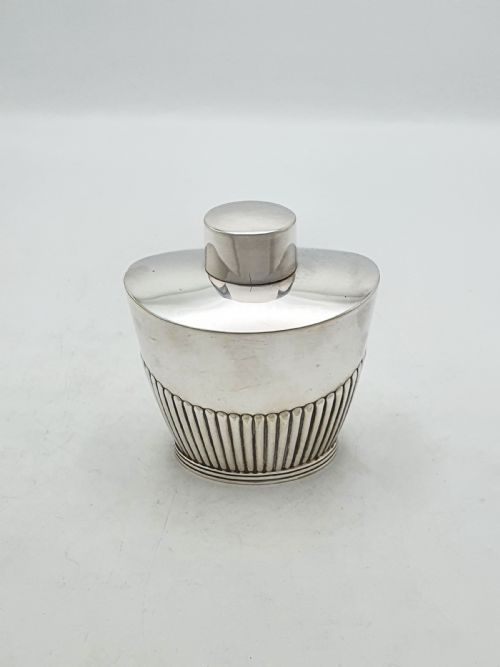
An edwardian tea canister takes the form of caddies, boxes, storage vessels and decorative tins designed for storing dry leaves. You will find sterling silver, silver plate, wood and glass vessels most often on this page.
The pieces span the Edwardian period alongside George V, Victorian and 19th Century examples. Makers utilise styles such as Neoclassical, Regency, Georgian Revival and Art Nouveau to shape these storage containers.
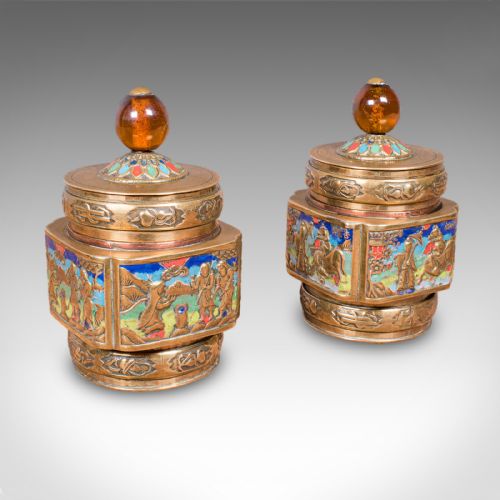
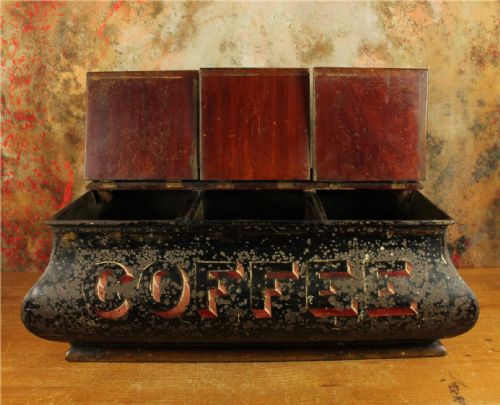
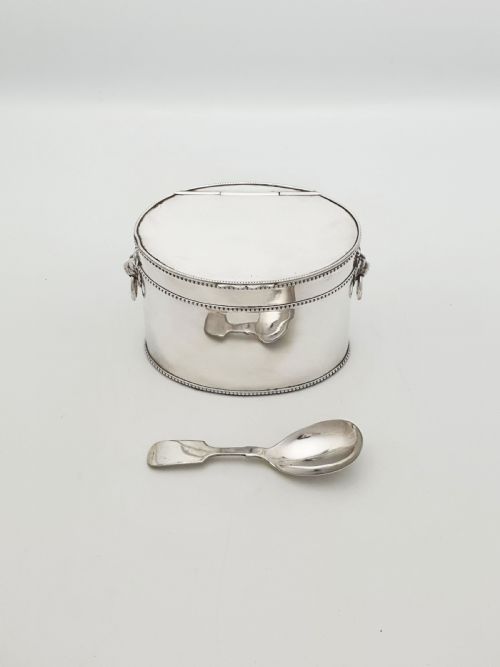
Forms range from small silver boxes with lion mask handles to mahogany and ebony inlaid containers, cut crystal vessels and decorative toleware triple compartment boxes. Each object reflects the domestic storage habits of its era.
What Varies in Quality
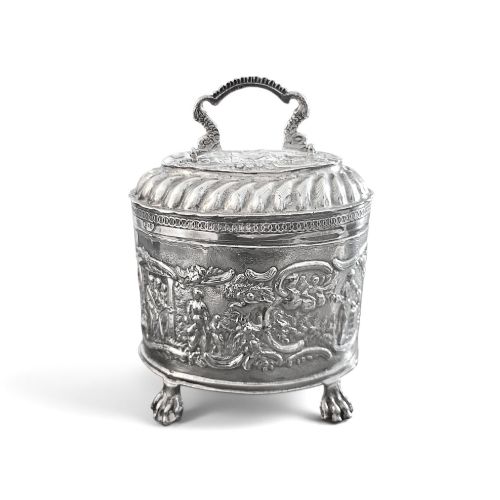
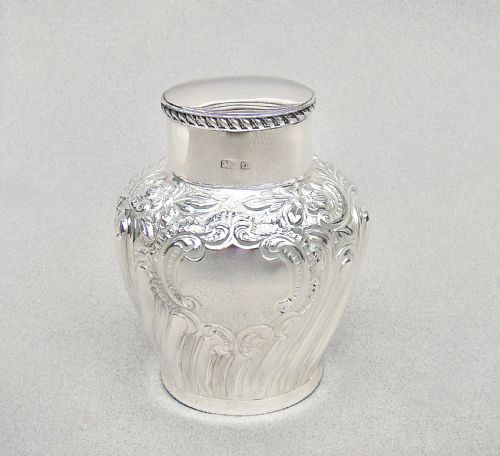
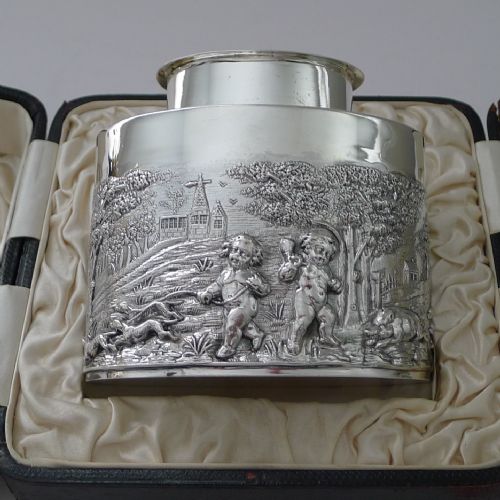
The weight of the metal and the crispness of repousse detailing distinguish standard silver canisters from heavier, maker-stamped pieces. Hallmark clarity and the integrity of hinges, lids and internal compartments reveal the standard of original construction.
In wooden and glass examples, precision in the ebony and mahogany inlay work or the depth of cut crystal patterning separates basic utility boxes from finer decorative vessels.
Listings feature sterling silver, silver plate, mahogany, ebony, brass, enamel, glass and toleware across Edwardian, Victorian and 19th Century periods.
Zimmermann·Thomas Hayes·Mappin & Webb·William Hutton & Sons Ltd.·Goldsmiths and Silversmiths Co.
The Edwardian Tea Canister Glossary
- Repousse
- Metalworking technique where a design is hammered into relief from the reverse side. This method creates textured, dimensional ornamentation across silver tea caddies.
- Hallmark
- Official stamp applied to precious metals indicating the standard of purity, assay office, and date of manufacture. These marks provide definitive clues to a piece's origin.
- Toleware
- Lacquered or enamelled metalware produced in imitation of Asian lacquer techniques. It appears on Victorian and Edwardian decorative tins and shop boxes.
- Champleve
- Enamelling technique where troughs are dug into a metal surface and filled with vitreous enamel before firing. Pieces featuring this method display colourful decorative patterns.
Edwardian Tea Canister: Frequently Asked Questions
What is an edwardian tea canister?
An edwardian tea canister is a storage vessel created to keep dry tea leaves fresh in domestic parlours during the early twentieth century. These pieces encompass silver caddies, wooden boxes and decorative tins.
They reflect the formal tea-drinking traditions of the period, often featuring secure lids, internal compartments and decorative hallmarks from major assay offices.
How were these canisters used?
Households used these containers to store loose tea leaves securely away from moisture and light. Servants or hosts transferred the leaves from larger bulk stores into these desktop or table caddies before service.
Many designs included matching spoons or multiple internal sections for blending different leaf varieties for guests.
How do I care for silver tea caddies?
Silver vessels require gentle cleaning with a soft cloth to maintain the polish without wearing down repousse details or maker marks. Avoid abrasive pastes that can damage the antique surface over time.
Store them in stable humidity conditions to prevent tarnishing and protect any internal wooden linings or glass elements from sudden temperature shifts.
How can I tell the period of a canister?
Assay office hallmarks on silver components provide exact dates and locations for metal pieces. Stylistic cues like Neoclassical motifs or Art Nouveau curves also point toward specific decades.
Wood types, inlay patterns and construction methods help distinguish 19th century mahogany boxes from Edwardian silver-plated equivalents.