





Edwardian Taxidermy
Edwardian taxidermy brings the natural world into the home through preserved specimens, display domes and mounted trophies.
Edwardian Taxidermy
When you search for edwardian taxidermy, you encounter preserved birds, mammals and fish alongside display domes and mounted horns. These pieces reflect a period fascination with natural history, sporting trophies and domestic display.
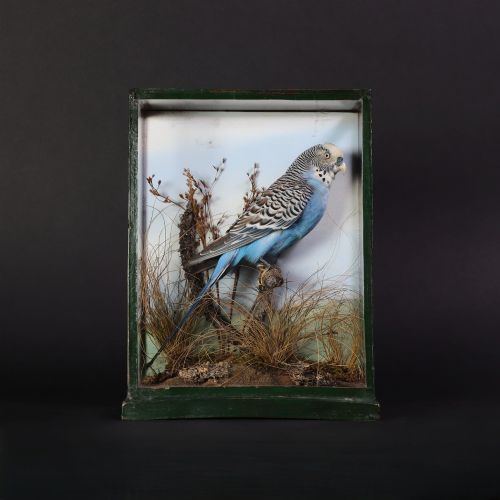
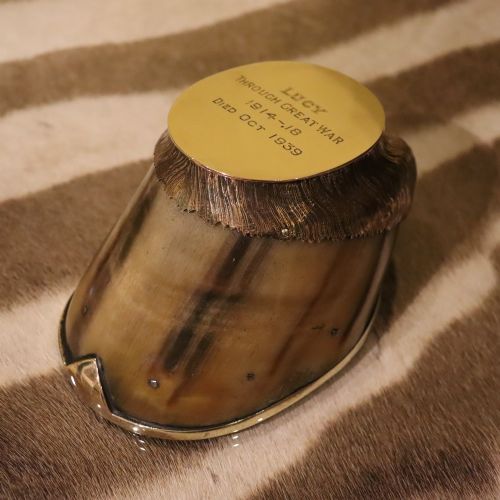
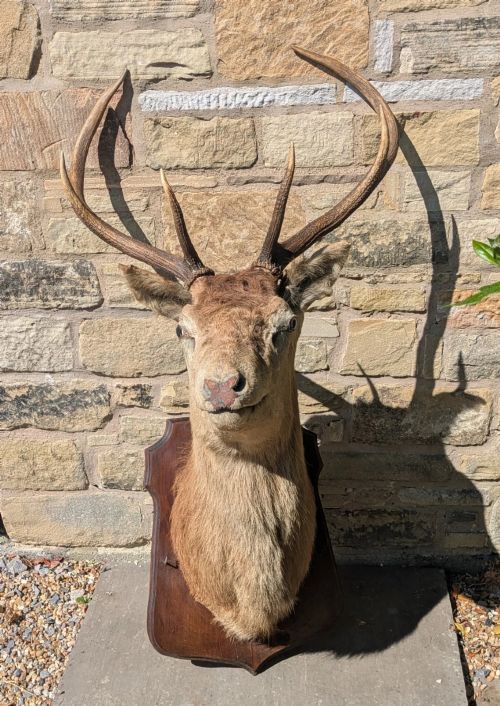
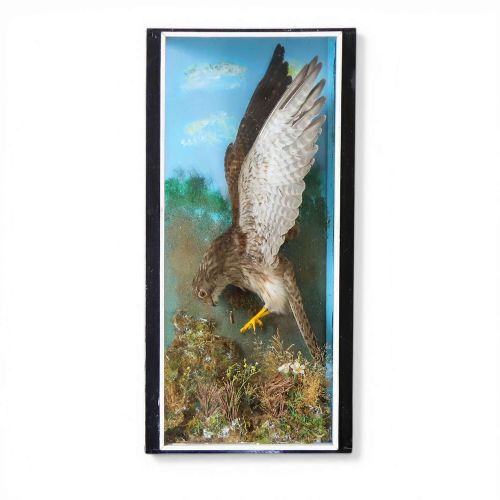
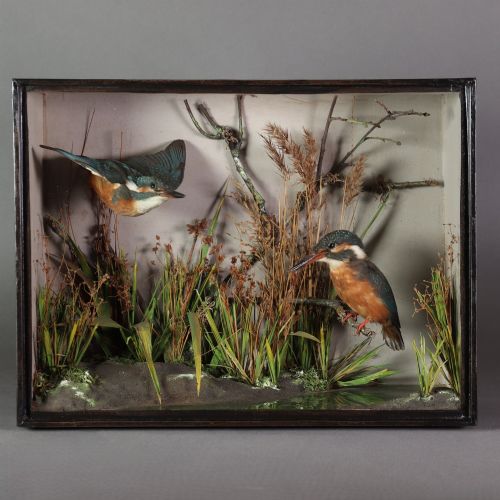
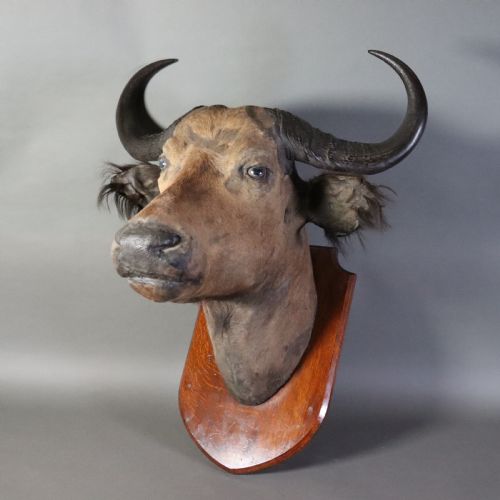
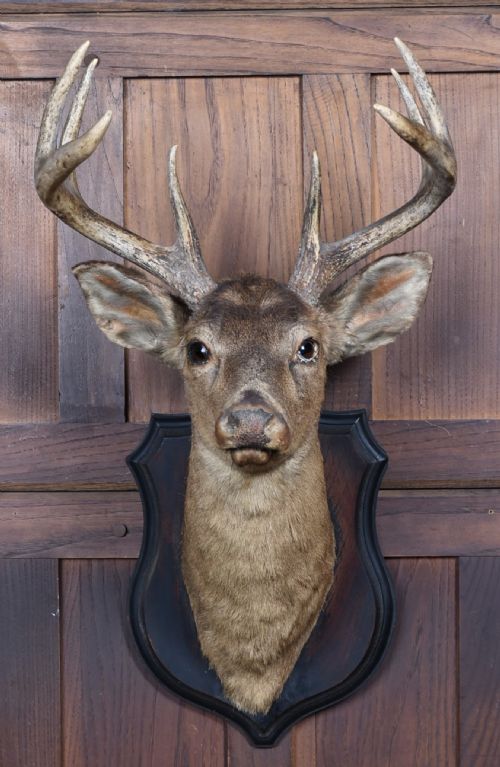
You are most likely to meet small birds in glass cases, wall-mounted mammal heads and occasional table pieces utilising horns or hooves. The selection spans domestic pets, British game and exotic African species.
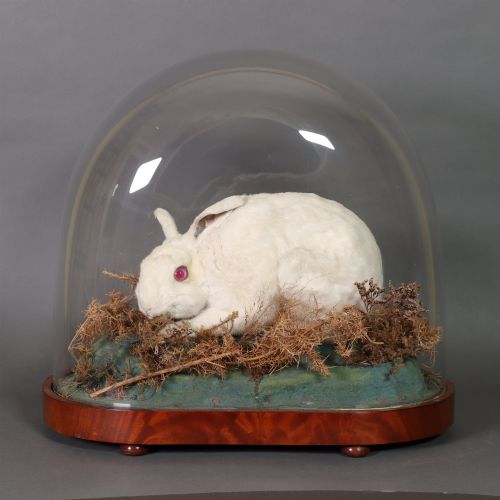
The objects take many forms, from simple desk accessories like inkwells made from hooves to large stag heads and complex dioramas. Glass domes and timber cabinets frequently accompany the specimens to protect them from dust.
Materials and construction methods
Taxidermists mounted specimens over carved wooden or wire armatures, stitching skins into shape and fitting glass eyes. Natural feathers, horns, bone and hair form the outer appearance of the animals.
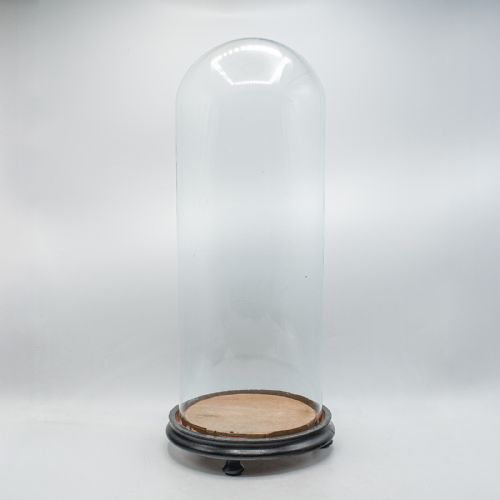
Display cases utilise blown glass domes set onto turned timber bases made from oak, beech or other domestic woods. Brass fittings, velvet linings and painted background scenes complete the interior of the dioramas.
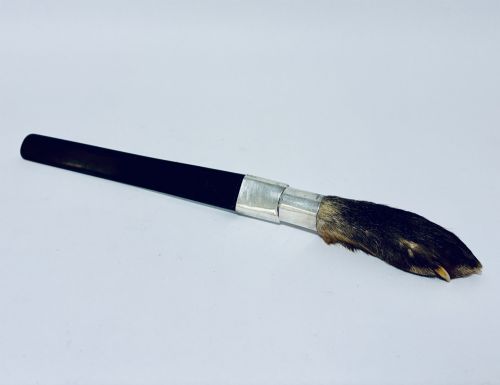
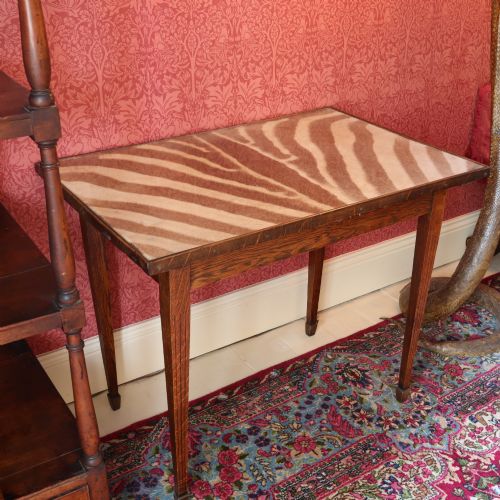
Desk accessories and furniture incorporate animal parts such as hooves and horns combined with silver mounts and turned timber. Cabinetmakers constructed the wall display cases and occasional tables from solid timber.
Edwardian Taxidermy Retail Price Guide 2026
Typical asking prices for edwardian taxidermy among the pieces listed under this phrase on Sellingantiques today, from the lower quarter to the upper quarter. They describe what is for sale here now, not the wider market.
Object forms vary widely, encompassing wall display cabinets, occasional tables, inkwells, page turners and free-standing animal mounts.
Judging the standard of the work
Quality rests upon the anatomical accuracy and lifelike posture achieved by the taxidermist during the mounting process. Superior work captures the natural alertness and expression of the living animal without distortion.
The complexity of the setting influences the standard of the piece, particularly in cased specimens with painted backgrounds and detailed groundwork. Simple mounts rely entirely on the condition of the skin and hair.
The reputation of the workshop or individual taxidermist shapes the standing of the object, as notable practitioners maintained rigorous standards of preservation and taxidermy art.
Rowland Ward Ltd·James Gardner of London·Peter Spicer & Sons·T. E. Gunn·Gerrard & Sons London·W.F. Homer London
The Edwardian Taxidermy Glossary
- Taxidermy
- The art of preparing, stuffing and mounting the skins of animals for display. This practice expanded during the nineteenth and early twentieth centuries for both scientific and decorative purposes.
- Display Dome
- A blown glass cover set on a wooden base used to protect fragile specimens from dust and damage. These items often feature oval or round timber plinths.
- Diorama
- A three-dimensional scene containing taxidermy specimens arranged in a simulated natural habitat. Painted backgrounds and artificial foliage create the illusion of the outdoors.
- Trophy
- An animal head, horns or hide preserved to commemorate a hunt or sporting expedition. These mounts typically hang on interior walls.
- Mask
- A taxidermy mount showing only the head and neck of an animal, commonly produced for foxes or otters. These were frequently mounted on wooden shields.
Edwardian Taxidermy: Frequently Asked Questions
Where should I place taxidermy at home?
Keep preserved specimens away from direct sunlight and strong heat sources to prevent fading of feathers and fur. Stable room temperatures protect the natural materials from drying out or cracking.
Wall mounts require secure fixings into solid masonry or studwork due to the weight of the timber shields and internal plaster. Placing pieces in dry rooms prevents damp from affecting the skins and wooden bases.
How can I tell who made a piece?
Look for paper trade labels pasted onto the underside of wooden bases, inside display cases or on the back of wooden shields. These signatures often name the taxidermist and their business address.
Certain workshops used distinctive mounting styles, painted background techniques or specific turned bases that help identify the maker when a label is missing.
Were these animals hunted for sport?
Many exotic trophies and British game specimens originated from nineteenth and early twentieth-century sporting expeditions and country house collections. Natural history museums also commissioned specimens for study and public exhibition.
Domestic pets and farm animals were preserved to commemorate specific animals belonging to private owners, as recorded by commissions given to prominent taxidermists of the era.