




Edwardian Style Two Seater
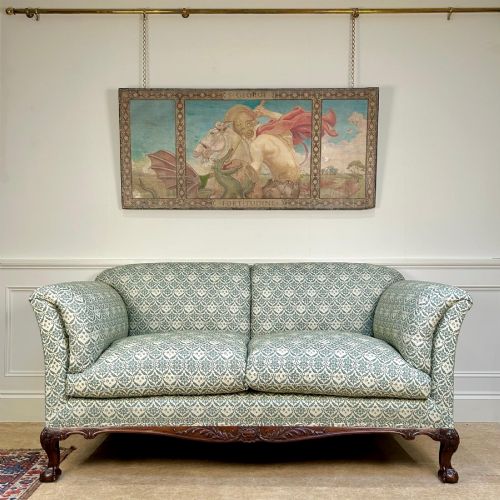
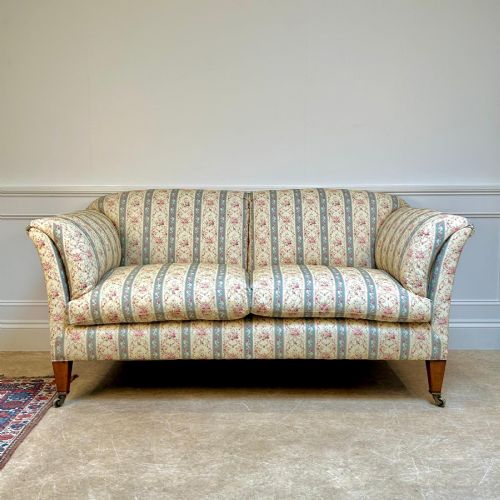
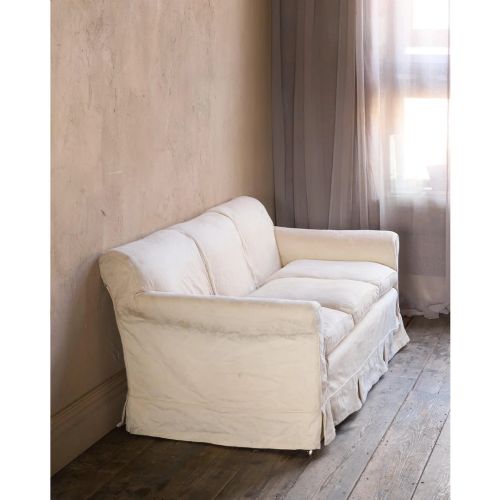
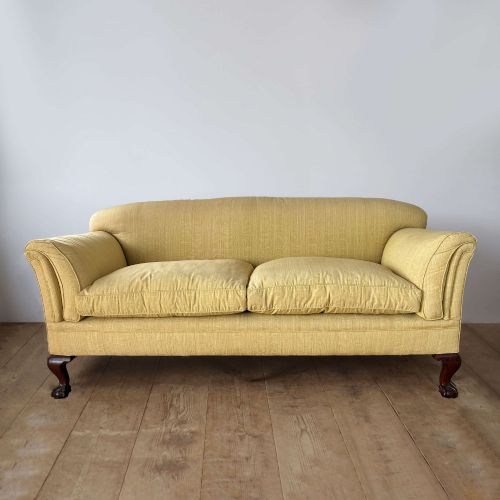
These edwardian style two seater pieces are compact settees and small sofas shaped by decades of revivalism and country house comfort.
Edwardian Style Two Seater
When you search for an edwardian style two seater, you encounter compact seating forms spanning sofas, settees, and small couches. The pieces range from formal revival designs to relaxed country house seating intended for smaller reception rooms.
You are most likely to meet walnut, mahogany, and timber frames upholstered in fabric or leather, often reflecting Edwardian, Victorian, and Arts and Crafts influences. These two seater items bridge the gap between ornamental period reception furniture and practical domestic seating.
How they were made
Makers utilised solid timbers such as mahogany, walnut, and beech to construct the underlying frames, frequently incorporating brass fittings and hand-carved details. Traditional stuffing materials like horse hair provided firm support within the upholstery.
Surface finishes include polished wood grains, painted canework, and inlaid woodwork, paired with tight fabric or leather coverings. Joinery methods relied on traditional woodcraft alongside bentwood techniques seen in specific continental designs.
Edwardian Style Two Seater Retail Price Guide 2026
Typical asking prices for edwardian style two seater among the pieces listed under this phrase on Sellingantiques today, from the lower quarter to the upper quarter. They describe what is for sale here now, not the wider market.
Common frame materials include mahogany, walnut, beech, and general timber, paired with brass and leather.
What varies in quality
The distinction between standard production and superior work lies in the execution of the timber frame and the refinement of carved or inlaid details. Finer pieces demonstrate precise joinery in hardwoods like walnut and mahogany rather than simpler secondary woods.
Upholstery integrity and materials establish another level of distinction, separating basic fabric coverings from traditional horse hair stuffing and high-grade leather. The fidelity of period style revivals, from Louis XVI lines to Arts and Crafts simplicity, dictates the overall design success.
Howard and Sons·Colefax and Fowler·Thonet
The Edwardian Style Two Seater Glossary
- Canework
- Woven cane panels utilised for lightweight seat or back inserts. This technique adds textural contrast to wooden frames.
- Inlay
- Contrasting pieces of wood inserted into the primary timber surface to form decorative patterns. It frequently defines Edwardian mahogany pieces.
- Drop arm
- A moveable sofa arm that lowers on a mechanism. This allows the piece to function as a short daybed or chaise longue.
- Bentwood
- Wood softened through steaming and bent into curved shapes. It characterises specific Viennese seating designs.
- Fluted legs
- Vertical parallel grooves carved into furniture legs. This classical decorative detail appears on French-inspired revival pieces.
Edwardian Style Two Seater: Frequently Asked Questions
What defines an edwardian style two seater?
These compact seats combine early twentieth-century proportions with revival styles, utilising mahogany, walnut, and beech frames.
They appear as upholstered sofas, wooden settees, and small couches suited to intimate domestic spaces.
How do I care for leather upholstery?
Leather surfaces require regular dusting and occasional conditioning to maintain suppleness and prevent drying out over time.
Keep these pieces away from direct sunlight and heat sources to preserve the original finish.
Where were these settees used?
Such seating was typically placed in drawing rooms, bedrooms, and country house reception spaces where large sofas proved impractical.
Their smaller scale allowed for flexible arrangement around fireplaces and windows.
How do I identify a revival style?
Revival pieces borrow specific decorative motifs from earlier periods, such as Queen Anne cabriole legs or Louis XVI fluting.
Examining the wood type and construction methods helps separate the original period influence from the manufacture date.