





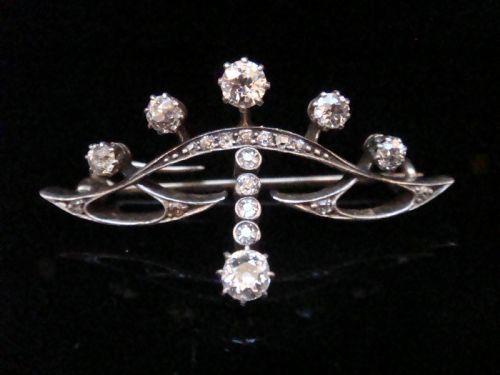
Edwardian Style Pin
These pieces sold as an edwardian style pin encompass delicate brooches and dress ornaments fashioned in precious metals and set with diamonds or enamel.
Edwardian Style Pin
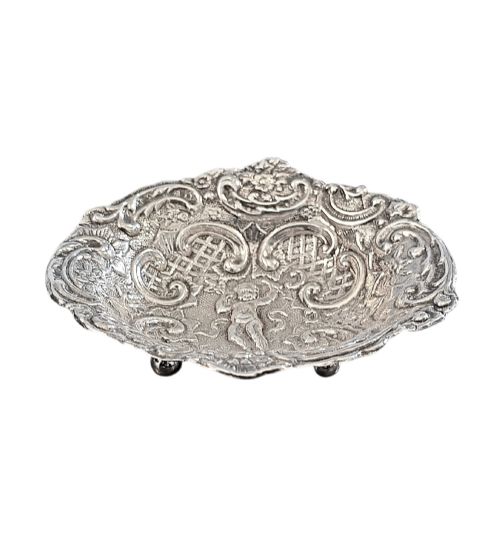
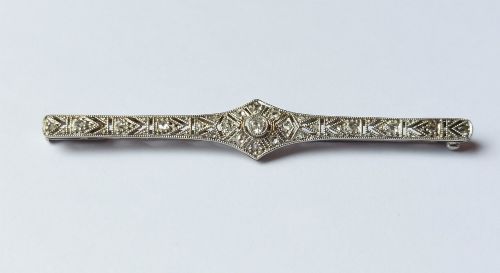
When searching for an edwardian style pin, collectors encounter delicate dress ornaments and brooches spanning multiple eras alongside the early twentieth century. The selection includes bar brooches, floral spray designs, and heart-shaped pieces executed in gold, silver, and platinum.
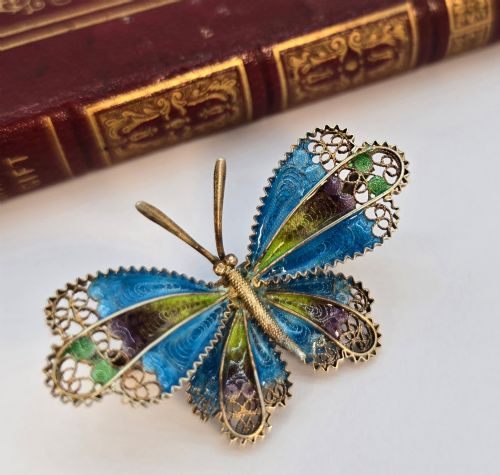
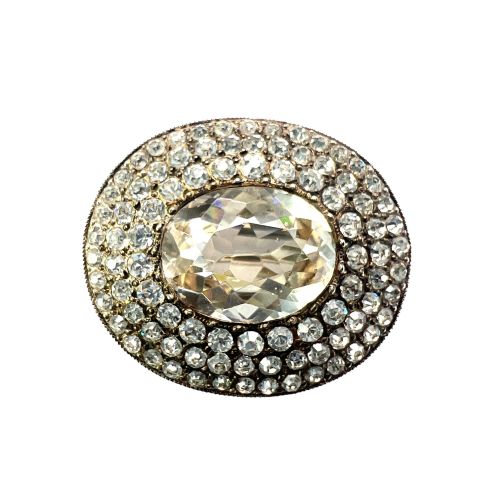
The objects present diverse decorative elements ranging from enamel and paste to diamonds, opals, and turquoise. While some bear the specific hallmarks of the Edwardian period, others date from surrounding decades such as the Victorian and Art Deco eras.
How they were made
Makers utilised precious metals including sterling silver, yellow gold, white gold, and platinum to form the structural mounts of these brooches. Gemstones such as diamonds, opals, garnets, and turquoise were then meticulously set into the metalwork by hand.
Surface decoration frequently involved vitreous enamel or specialist techniques like silver gilt to add vibrant colour. Piercing and delicate wirework further defined the aesthetic of the period, particularly within Arts and Crafts examples.
Edwardian Style Pin Retail Price Guide 2026
Typical asking prices for edwardian style pin among the pieces listed under this phrase on Sellingantiques today, from the lower quarter to the upper quarter. They describe what is for sale here now, not the wider market.
What varies in quality
The refinement of the metalwork and the precision of the stone setting distinguish the finer pieces in this category. Superior examples demonstrate intricate piercing, balanced stone proportions, and well-executed enamel work.
Murrle Bennet and Co·Royal Crown Derby·William Aitken
The Edwardian Style Pin Glossary
- Bar brooch
- A narrow horizontal pin featuring central gemstone or enamel ornamentation. This form gained widespread popularity during the late nineteenth and early twentieth centuries.
- Platinum
- A dense, ductile precious metal prized for its strength and bright white lustre. It allowed jewellers to create ultra-fine settings that securely held diamonds with minimal visible metal.
- Silver gilt
- Silver that has been coated with a thin layer of gold on its surface. This technique provides the rich appearance of solid gold while utilising a silver base.
- Paste
- Hand-cut glass used as a substitute for gemstones in historic jewellery. High-grade historical paste was faceted and foiled to mimic the brilliance of diamonds.
- Imari
- A decorative pattern style originating in Japan and adopted by English porcelain makers. It typically incorporates deep cobalt blue, iron red, and gilt detailing.
Edwardian Style Pin: Frequently Asked Questions
How were these brooches worn?
Historically, these items served as functional fasteners and decorative adornments on lapels, collars, and heavy fabrics. They were pinned securely to outer garments to display wealth, status, or sentimental motifs.
Many examples feature integrated loops or pendants, allowing them to transform from a standard brooch into a necklace pendant for evening wear.
How do I care for antique gold and platinum brooches?
Gentle cleaning with a soft brush and warm soapy water helps maintain the brilliance of the metal and gemstones. Avoid harsh chemical dips, especially if the piece contains softer organic materials like pearls or opals.
Storing each brooch separately in a lined box prevents the metalwork and stones from scratching against other items in a collection.
How do I distinguish Edwardian pieces from Victorian ones?
Edwardian jewellery generally employs lighter mounts of platinum and yellow gold alongside intricate garland and floral motifs. Victorian pieces often display heavier, more solid construction with bolder stones and distinct revival styles.
Examining the metal type, setting technique, and overall weight helps clarify the period of manufacture, though stylistic crossover remains common.