
Edwardian Style Display Cabinet
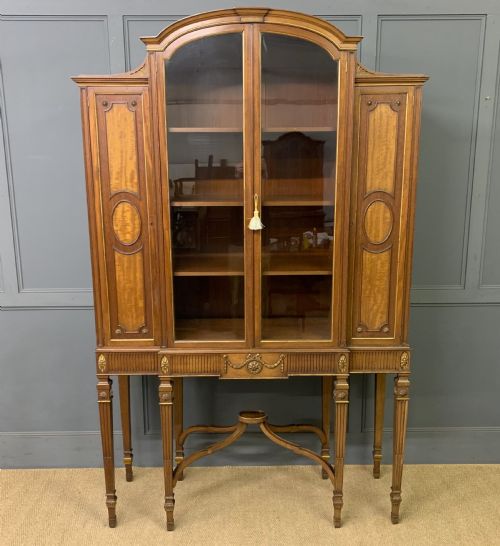
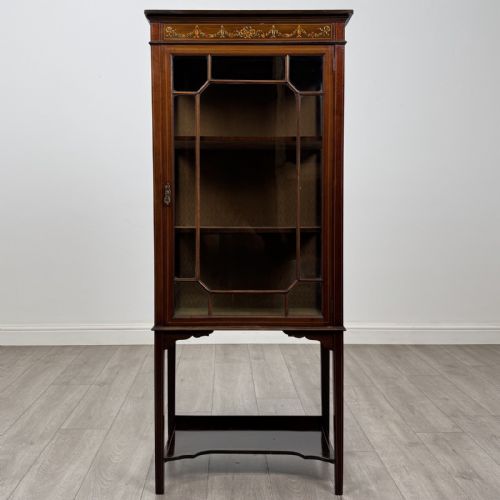
An edwardian style display cabinet brings lighter timbers, glass panels, and delicate revival motifs into a room to hold treasured ornaments.
Edwardian Style Display Cabinet
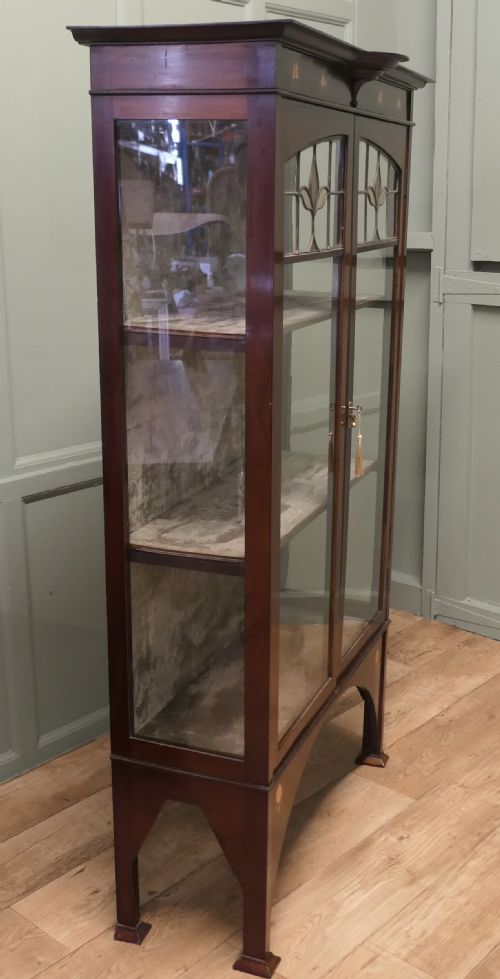
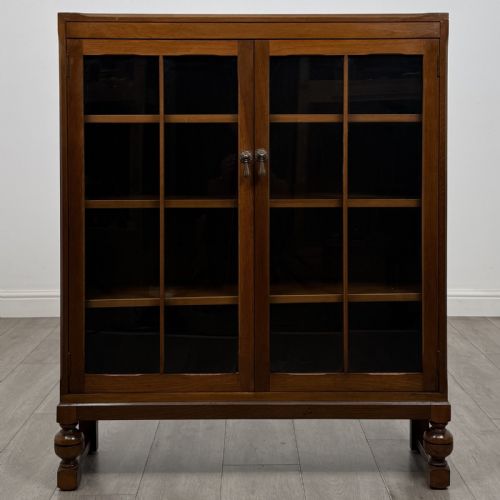
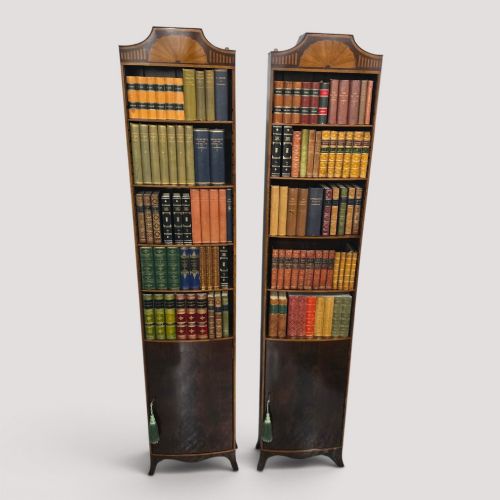
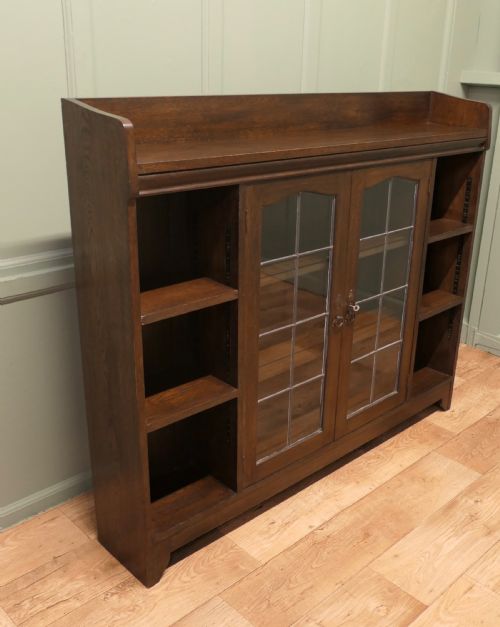
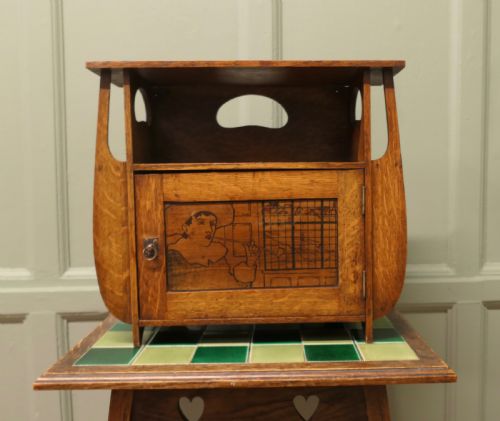
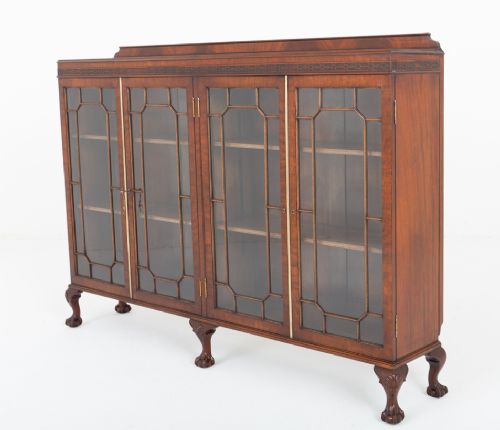
The edwardian style display cabinet category spans glazed storage forms designed to exhibit ceramics, glassware, and small ornaments. Pieces meeting this description draw on several distinct design traditions, including Sheraton Revival, Chippendale Revival, and Arts and Crafts.
Most items you encounter combine proportions from the turn of the twentieth century with historical revival aesthetics. Alongside traditional tall cabinets, the selection includes low side cabinets, corner units, and glass-topped bijouterie tables.
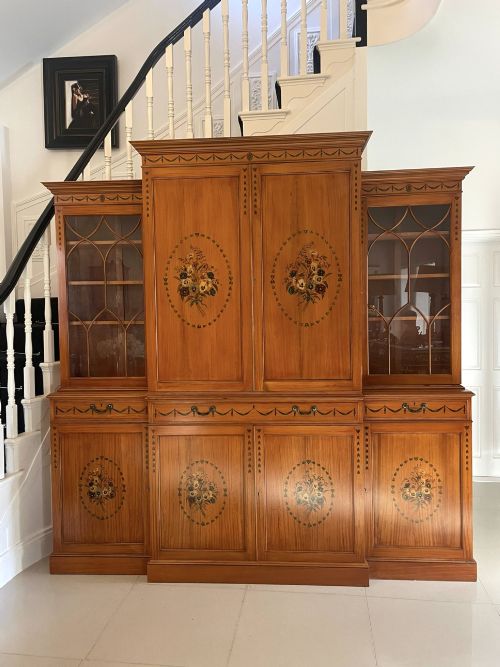
Makers often looked back to eighteenth-century precedents, applying classical stringing, painted decoration, or carved fretwork to lighter timber carcases. These varied forms reflect a period when domestic interiors shifted towards brighter, airier display spaces.
How they were made
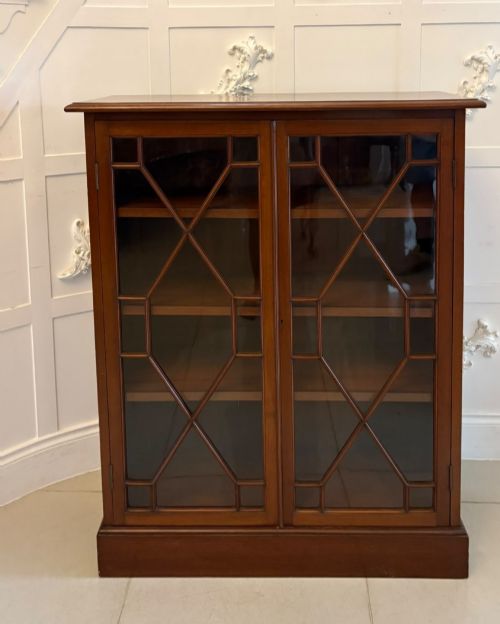
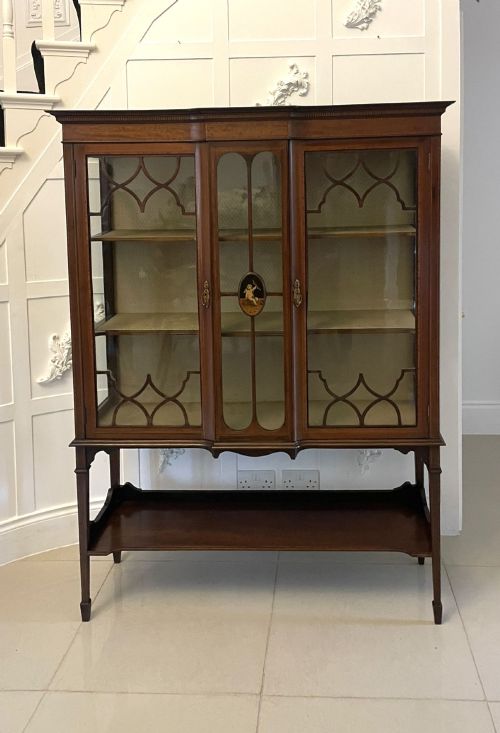
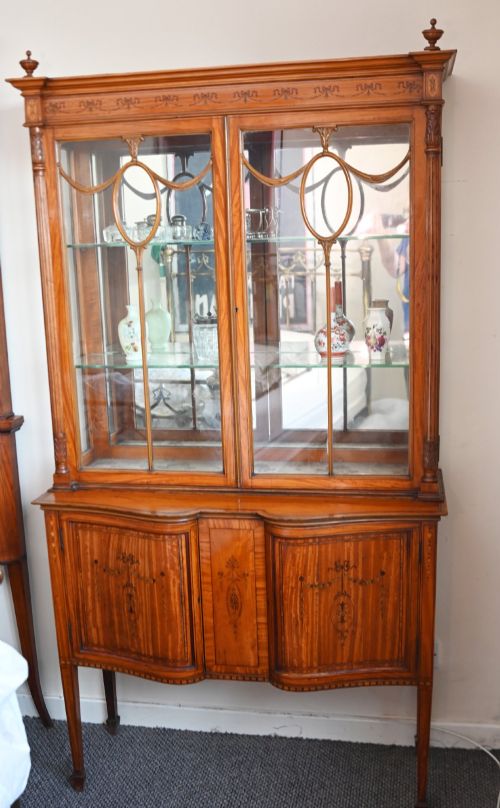
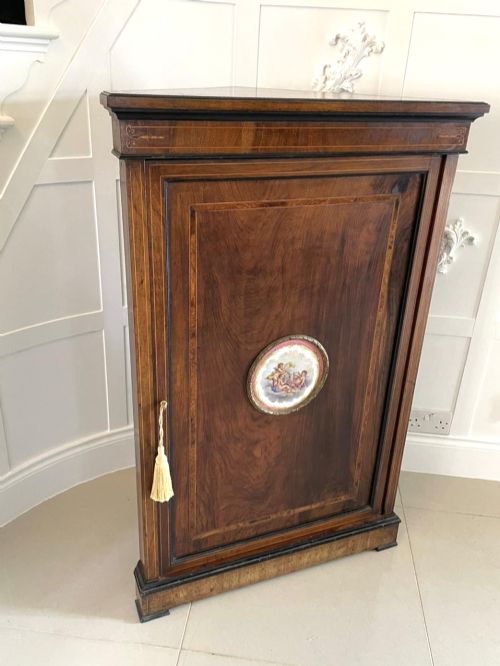
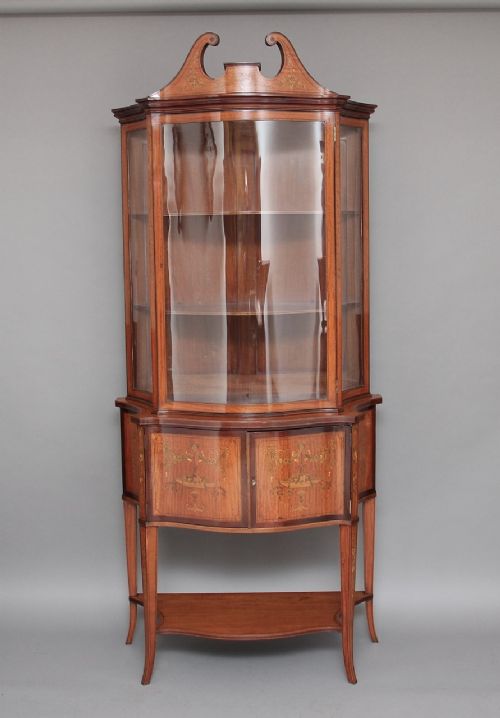
Construction relies heavily on mahogany, satinwood, and oak substrates, frequently enhanced with contrasting stringing, marquetry inlay, or painted decoration. Glazing bars divide large glass panels into geometric or astral patterns, giving structural rigidity to the doors.
Metal components play both a functional and decorative role, with brass castors supporting freestanding bookcases and ormolu mounts highlighting ebonised or mahogany carcases. Fabric linings often furnish the interior spaces behind glazed doors to provide a soft backdrop for displayed objects.
Listings feature revival styles from the late Victorian and Edwardian eras alongside actual pieces dated from 1880 to 1930.
What varies in quality
The distinction between standard commercial output and superior craftsmanship rests on the crispness of timber inlay and the subtlety of carved details. Finer examples display meticulous marquetry, hand-painted floral motifs, and carefully selected wood grains rather than printed or stamped veneers.
Structural refinement also marks out better pieces, seen in the tight joints of astral glazing bars, the weight of cast brass hardware, and the proportion of cornices and feet. The integrity of original glass panels and internal fabric linings further distinguishes the best work from routine production.
H. J. Hatfield & Sons·Maple & Co.·Liberty & Co.·Leonard Wyburd
The Edwardian Style Display Cabinet Glossary
- Astral glazing
- A network of slender wooden bars dividing a glass door into smaller panes. These bars create geometric patterns typical of revival furniture.
- Bijouterie table
- A low display table with a glass top and glazed sides designed for showing small personal ornaments and trinkets. They often feature hinged lids for easy access.
- Breakfront
- A cabinet design where the central section projects forward from the flanking wings. This architectural arrangement adds depth and shadow to large display pieces.
- Marquetry
- The art of applying decorative veneer pieces to a timber structure to form pictures or ornamental patterns. Craftsmen use contrasting woods to achieve tonal variation.
- Ormolu
- Gilt-bronze mounts applied to the exterior of cabinets for decorative effect. The technique involves finishing metalwork with a fine gold amalgam.
- Sheraton Revival
- A late nineteenth and early twentieth century style emulating the neoclassical furniture of George Sheraton. It favours satinwood, delicate inlay, and tapered legs.
Edwardian Style Display Cabinet: Frequently Asked Questions
What is a bijouterie table?
A bijouterie table is a low display piece featuring glass panels on top and sides, created specifically to showcase small valuables and curiosities.
These tables typically stand on slender legs and include a hinged glass lid so collectors could easily arrange their specimens inside.
Were these cabinets made for books or china?
Many pieces served dual purposes depending on whether they featured solid wooden doors, open shelves, or glazed display sections. Cabinets with glass doors and fabric-lined interiors were built to protect porcelain and decorative objects from dust.
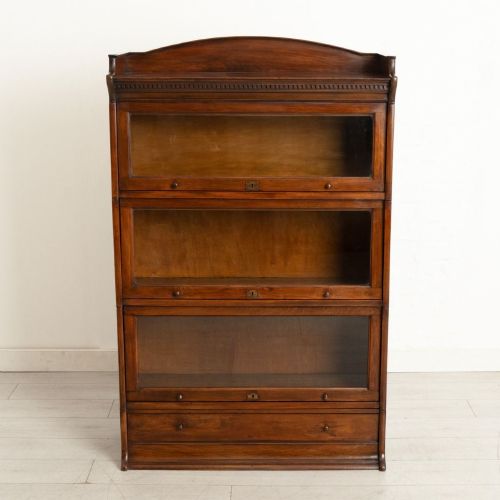
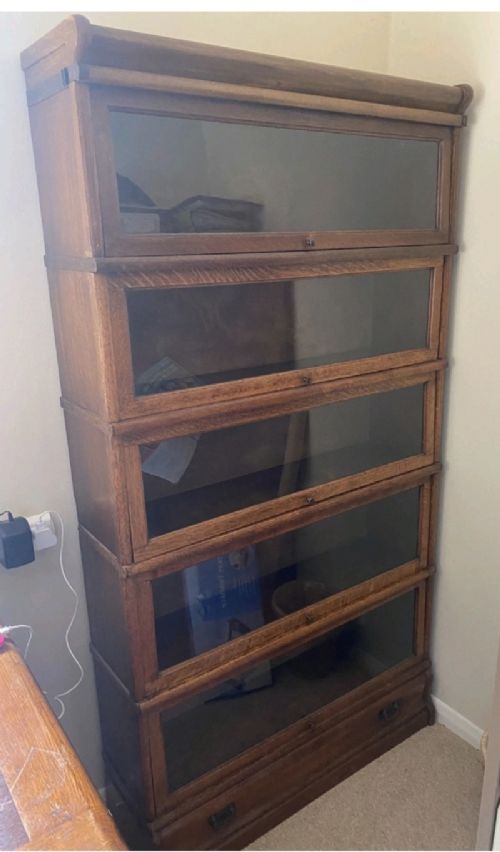
Open bookcases and barrister cabinets with stacking glass sections were tailored specifically for holding personal libraries in domestic studies.
What distinguishes Arts and Crafts cabinets?
Arts and Crafts pieces emphasise visible hand craftsmanship, honest construction, and simpler forms derived from local woods like oak. They generally avoid the elaborate classical revival inlay found on Sheraton pieces.
Instead, designers relied on exposed joinery, hand-beaten metal hinges, and structural utility to define the aesthetic of the cabinet.