





Edwardian Stone Earrings
Edwardian stone earrings bring delicate openwork and vibrant colour to the ear, offering a refined touch of early twentieth-century jewellery design.
Edwardian Stone Earrings
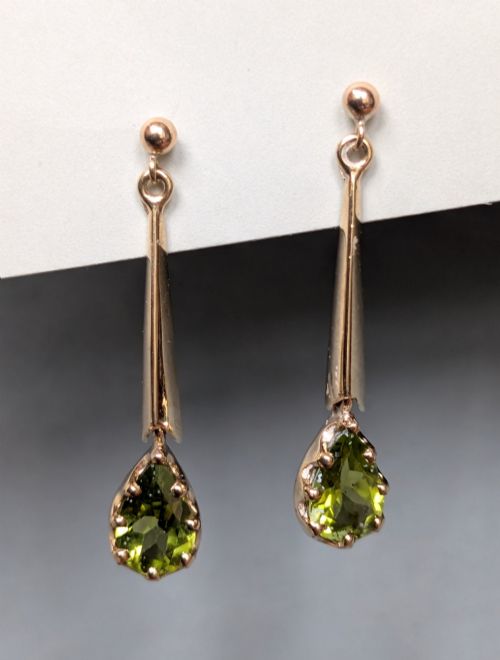
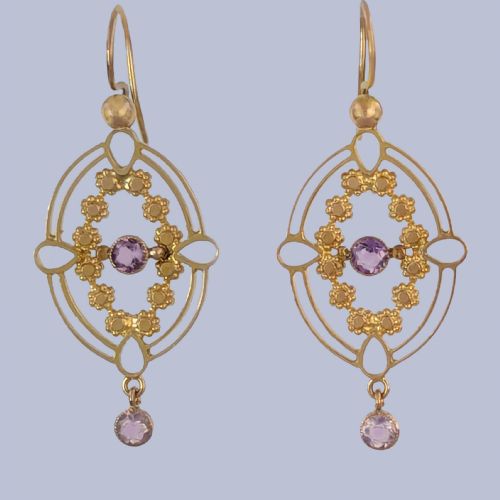
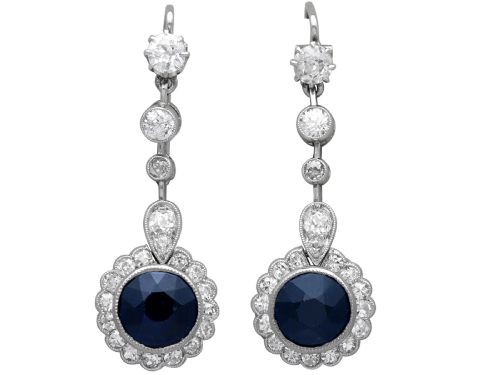
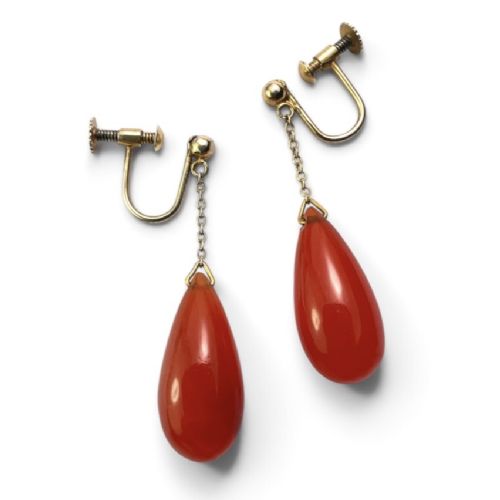
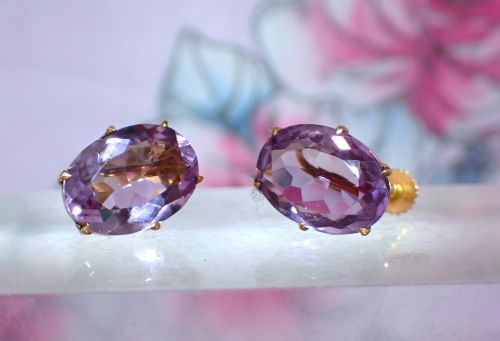
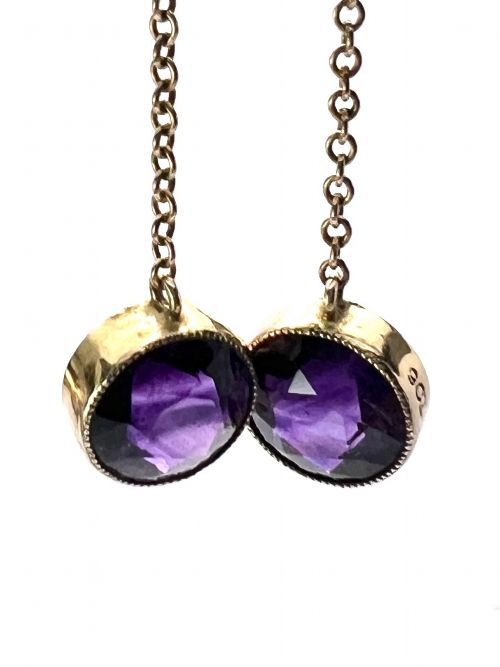
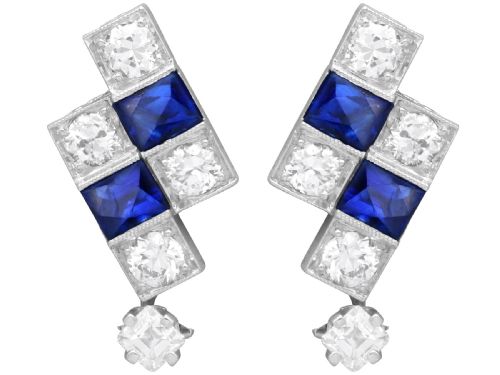
Edwardian stone earrings encompass drop, chain, and stud designs featuring coloured gems and diamonds set in gold, silver, or platinum. Amethyst, sapphire, peridot, and red agate frequently appear alongside aquamarine, tourmaline, and white chalcedony.
The pieces on this page span the Edwardian era, the 1910s, and the 1920s, alongside examples from the Victorian period and the late nineteenth century. Art Deco influences also emerge in pieces featuring marcasite, chrysoprase, and platinum.
Drop earrings and screw-on or screwback fastenings dominate the selection, highlighting the delicate metalwork and specific stone cuts favoured during these periods.
Materials and construction
Goldsmiths utilised nine-carat yellow gold alongside silver and platinum to mount gemstones securely while maintaining a light, airy aesthetic. Openwork floral designs and chain drops required precise metal manipulation.
Stones such as amethyst, citrine, and sapphire appear in cushion cuts, cabochons, and teardrop shapes, paired with diamonds and paste. Enamel and marcasite further diversify the surface textures.
Edwardian Stone Earrings Retail Price Guide 2026
Typical asking prices for edwardian stone earrings among the pieces listed under this phrase on Sellingantiques today, from the lower quarter to the upper quarter. They describe what is for sale here now, not the wider market.
Screwbacks ensure that even people without pierced ears can dangle tourmalines from their lobes like it is 1910.
Variations in quality
Quality rests in the precision of the openwork metal design and the saturation and clarity of the stones used. Fine platinum and gold work with well-matched gems distinguishes superior pieces.
The integrity of the screwback or stud fastenings and the delicacy of the chain drops also indicate the level of craftsmanship invested in the construction.
The Edwardian Stone Earrings Glossary
- Cabochon
- A gemstone shaped and polished with a smooth, rounded surface rather than faceted. This style highlights the natural colour and inclusions of stones like amethyst and banded agate.
- Drop Earrings
- Earrings that hang below the earlobe, often incorporating articulated sections or chains. They move with the wearer and were widely produced during the Edwardian period.
- Paste
- Hand-cut glass used as a gem substitute in antique jewellery. It allows for vibrant colour and brilliance in pieces utilising silver settings.
- Screwback
- A mechanical fastening mechanism tightened via a threaded screw rather than using a standard post and butterfly back. These appear frequently on non-pierced earrings from the Victorian and Edwardian eras.
- Openwork
- Metalwork featuring cut-out patterns that create a lacy, lightweight effect. This technique characterises much of the fine design seen in Edwardian jewellery.
Edwardian Stone Earrings: Frequently Asked Questions
How do I wear screwback earrings?
Screwback earrings secure to the earlobe by turning a threaded screw until the back rests comfortably against the skin. They require no pierced holes and offer an adjustable fit.
Adjust the tension gently so the earring stays in place without pinching the lobe. This mechanism is typical of antique non-pierced designs.
What metals are used in these pieces?
These items utilise nine-carat yellow gold, silver, and platinum. Gold provides a warm setting for coloured stones, while platinum often pairs with diamonds.
Silver appears frequently in older pieces and designs incorporating paste or marcasite. Each metal reflects the manufacturing standards of its specific period.
Are these earrings for pierced ears?
The selection includes a mix of standard posts, studs, and screwback or screw-on fastenings. Screwback variations suit non-pierced lobes.
Check the specific description of each pair to confirm the fastening type before purchase. Converted pieces also exist within antique selections.