

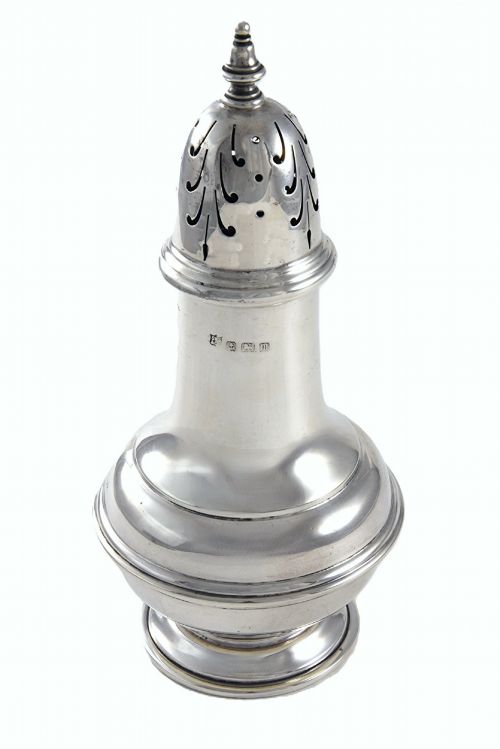


Edwardian Sterling Silver Sugar Caster
An Edwardian sterling silver sugar caster brings crisp period elegance to the table, offering a refined way to serve powdered sugar.
Edwardian Sterling Silver Sugar Caster
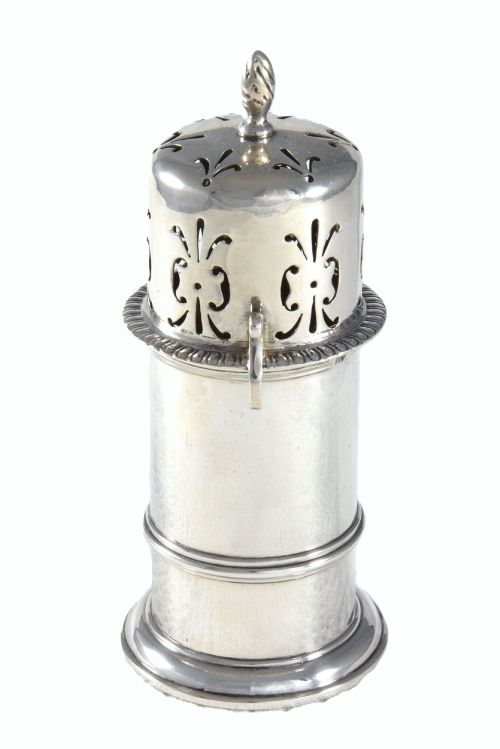
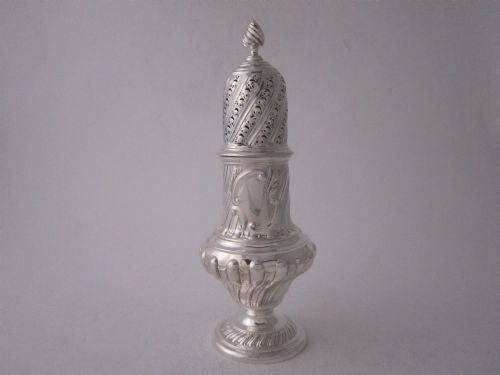
When you search for an edwardian sterling silver sugar caster, you find a range of table silver designed for sifting sugar over desserts and pastries. These pieces take the form of tall, slender vessels topped with pierced domes, often designed as sugar shakers or dredgers. Most examples date from the Edwardian period itself or stretch slightly into adjacent Victorian and George V years.
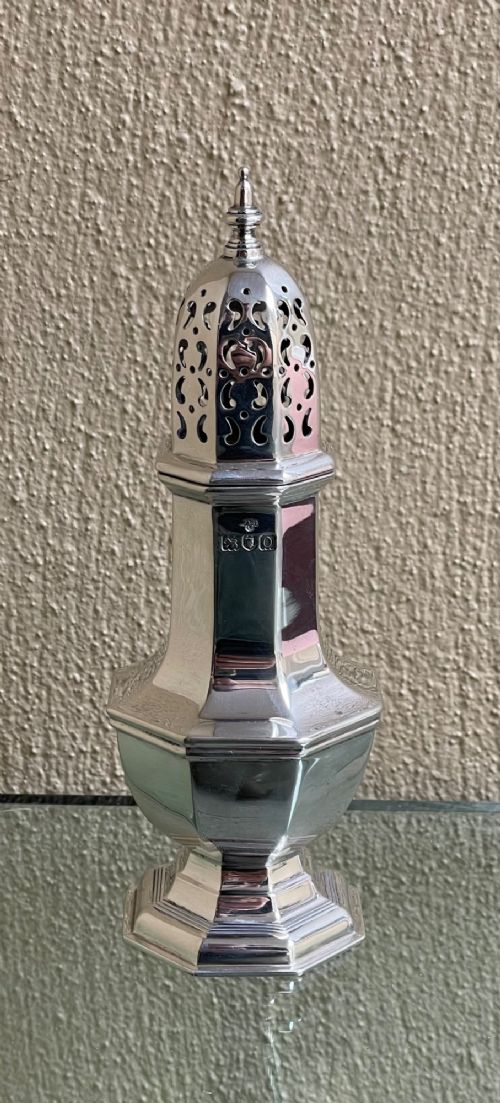
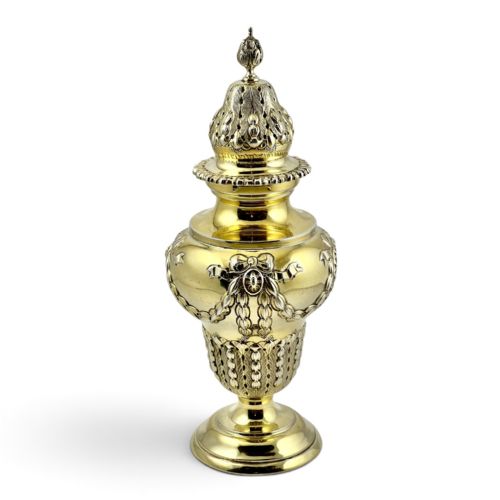
The assortment on this page includes straightforward cylindrical and pear-shaped bodies alongside more distinctive items like polygon sides with round tops and silver-gilt interiors. You will also encounter related tableware such as sugar boxes and pepper casters that share the same silversmithing vocabulary. While many pieces are British in origin, occasional continental items like German owl sugar boxes appear in the mix.
How they were made
Makers utilised sterling silver as the primary material, often incorporating silver-gilt surfaces to protect the interior metal from the corrosive nature of sugar and spices. Glass elements occasionally appear in allied tableware forms to complement the metal components. Construction relied on traditional silversmithing techniques including raising, spinning, and piercing.
The decorative tops feature intricately pierced patterns designed to allow an even dusting of sugar. Hallmarks stamped directly into the silver provide clear records of the assay office, year of manufacture, and silversmith. These marks remain the most reliable guide to the physical composition and origin of each piece.
Edwardian Sterling Silver Sugar Caster Retail Price Guide 2026
Typical asking prices for edwardian sterling silver sugar caster among the pieces listed under this phrase on Sellingantiques today, from the lower quarter to the upper quarter. They describe what is for sale here now, not the wider market.
What varies in quality
The distinction between ordinary and exceptional work rests on the crispness of the piercing and the balance of the proportions. A superior caster sits firmly, feels substantial in the hand, and displays sharply defined detailing across the domed top. Heavier gauge sterling silver provides a solidity that lighter production pieces simply lack.
Maker attribution also influences standing, with established firms like Roberts & Belk or the Barker Brothers commanding attention for their refined execution. Furthermore, the inclusion of interior gilding or unusual geometric forms like polygon sides elevates the character of the object beyond standard domestic tableware.
Barker Brothers·Roberts & Belk
The Edwardian Sterling Silver Sugar Caster Glossary
- Sterling silver
- A standard alloy consisting of ninety-two point five percent silver by mass and seven point five percent other metals, usually copper. This composition balances durability with a bright, reflective finish suitable for tableware.
- Silver-gilt
- Sterling silver that has been coated with a thin layer of gold on the surface. This technique was frequently applied to the interior of sugar casters to prevent the contents from tarnishing the silver.
- Sugar caster
- A vessel with a perforated lid used for sprinkling granulated or powdered sugar onto food. It is also known historically as a sugar shaker or sugar dredger.
Edwardian Sterling Silver Sugar Caster: Frequently Asked Questions
What is a sugar caster used for?
A sugar caster serves as a tabletop vessel designed to sprinkle fine sugar over cakes, puddings, and fruit. The pierced lid allows the contents to be distributed evenly without spilling lumps.
In period dining, these items held a prominent place among tableware before the widespread commercial availability of refined loose sugar in modern packaging.
How do I clean antique silver?
Cleaning antique silver requires a gentle approach using a specialised silver cloth or mild polish designed for precious metals. Avoid harsh abrasive cleaners that can wear away thin details or damage the original surface.
Regular, light dusting and careful handling help preserve the natural patina that accumulates over decades of existence.
How can I tell the date of a piece?
The date of a silver caster is identified by examining the hallmarks stamped into the metal. These small stamped symbols include date letters corresponding to specific assay office records.
Comparing the style against known periods like Edwardian, Art Deco, or Georgian Revival provides additional context for when the object was produced.
Are these pieces safe to use today?
These casters remain entirely functional for domestic use, provided they are cleaned properly before and after contact with food. Sterling silver is durable enough for regular service on the dining table.
Many collectors prefer to use them for their original purpose, while others display them as part of a broader collection of antique tableware.