



Edwardian Sterling Silver Sifter
Edwardian sterling silver sifter pieces are refined table vessels designed for sprinkling sugar, offering both functional elegance and period charm for the dining table.
Edwardian Sterling Silver Sifter
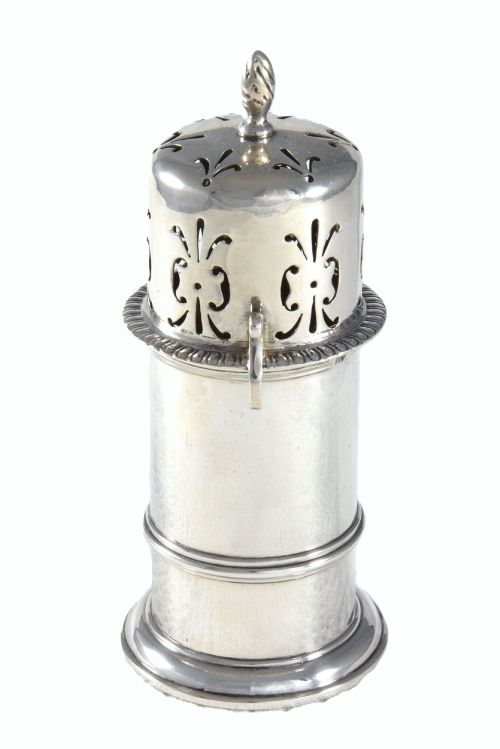
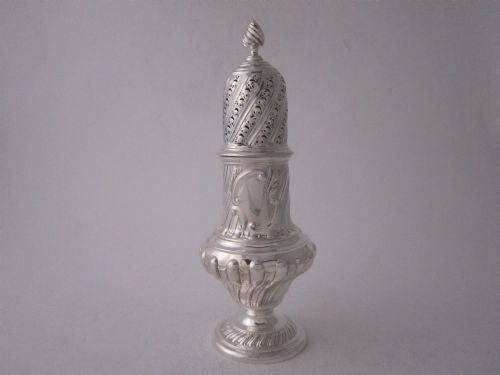
Edwardian sterling silver sifter items encompass sugar casters, shakers, dredgers, and sifter spoons designed for domestic tableware. These pieces primarily emerge from the Edwardian and Victorian periods, alongside later examples stretching into the 1930s.
The form is most commonly represented by tall, pierced sugar casters and round top shakers, accompanied occasionally by specialised silver gilt spoons. Makers applied various aesthetic movements, notably Arts & Crafts, Georgian Revival, and Art Deco, to these traditional dining accessories.
How they were made
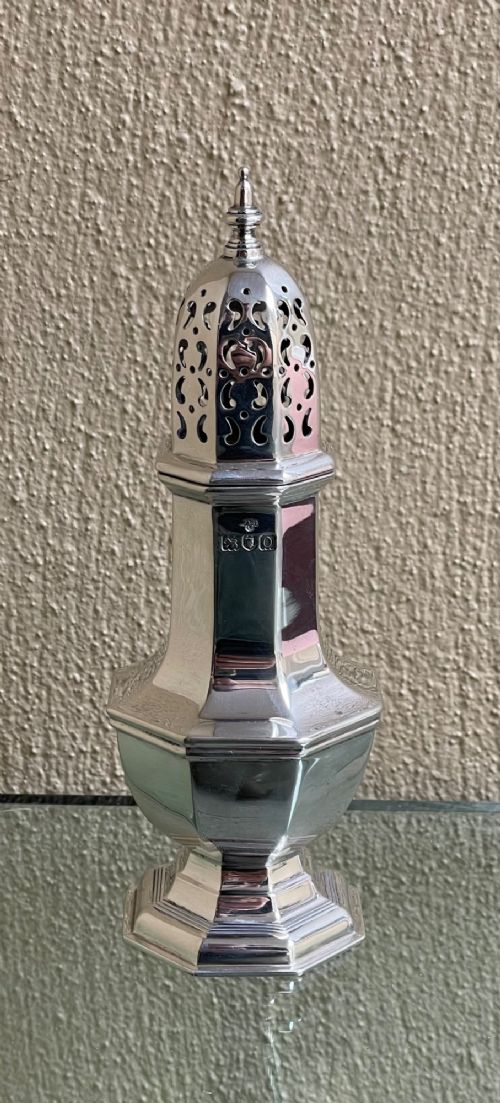
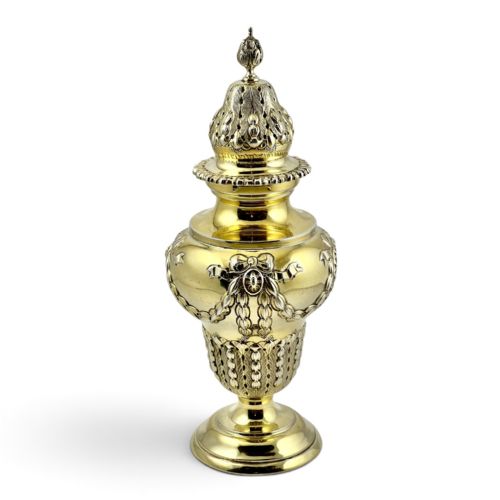
Silversmiths utilised solid sterling silver to construct the bodies of these casters and spoons, frequently employing selective silver-gilt finishes to interior bowls or decorative accents. Polygon sides and round tops demonstrate the shaping techniques applied during manufacture.
Craftsmen pierced the lids of the shakers with intricate patterns to allow for the even dispensing of sugar. Hallmarking practices stamped details such as the assay office and date letter directly onto the silver.
Edwardian Sterling Silver Sifter Retail Price Guide 2026
Typical asking prices for edwardian sterling silver sifter among the pieces listed under this phrase on Sellingantiques today, from the lower quarter to the upper quarter. They describe what is for sale here now, not the wider market.
Listings feature items spanning the Victorian, Edwardian, and Art Deco periods, created in solid sterling silver and silver gilt.
What varies in quality
The distinction between standard examples and superior pieces rests upon the weight of the solid silver and the crispness of the pierced lid detail. Substantial construction and prominent maker attributions elevate the standing of a caster.
Design execution also dictates quality, where distinctive styles like Arts & Crafts or Art Deco display finer craftsmanship than plain utility wares. The presence of original silver gilt surfaces further separates exceptional items from standard production.
The Barker Brothers·Roberts & Belk
The Edwardian Sterling Silver Sifter Glossary
- Sterling silver
- A silver alloy containing 92.5 percent pure silver and 7.5 percent other metals, typically copper, ensuring durability for tableware. This standard metal forms the basis of nearly all items on this page.
- Silver-gilt
- Sterling silver that has been coated with a thin layer of gold on its surface. This technique imparts a rich, warm tone, often seen on spoons and interior components.
- Sugar caster
- A vessel with a pierced lid used for sprinkling sugar onto food. These cylindrical or polygonal containers are also referred to as shakers or dredgers.
- Sifter spoon
- A specialised spoon with a pierced or perforated bowl designed for sifting sugar. These implements complement the larger casters on the dining table.
- Hallmark
- An official stamp applied to precious metals indicating the standard of purity, the assay office, and the year of manufacture. These marks provide definitive historical context for each object.
Edwardian Sterling Silver Sifter: Frequently Asked Questions
What is an edwardian sterling silver sifter?
An edwardian sterling silver sifter is a decorative tableware piece used for scattering sugar over desserts or pastries. These items date primarily from the early twentieth century and late nineteenth century.
They take the form of tall pierced casters or specialised spoons fashioned from solid silver. Each piece reflects the dominant design movements of its respective decade.
How were sugar shakers used?
Sugar shakers held refined sugar within domestic dining settings, allowing hosts to dispense it evenly through perforated lids. They sat upon the table alongside tea and dessert services.
Sifter spoons performed a similar function for loose sugar during formal meals. Their pierced bowls allowed excess lumps to remain behind while dusting fine sugar.
How do I identify the period?
Dating these silver items relies upon the stamped hallmarks, which record the specific year of assay and the testing office. Design styles such as Arts & Crafts or Art Deco also indicate the era of manufacture.
Period labels in the titles, ranging from Victorian through Edwardian to the 1930s, provide further guidance. Examining the shape and decorative motifs helps confirm the chronological origins.