



Edwardian Steps
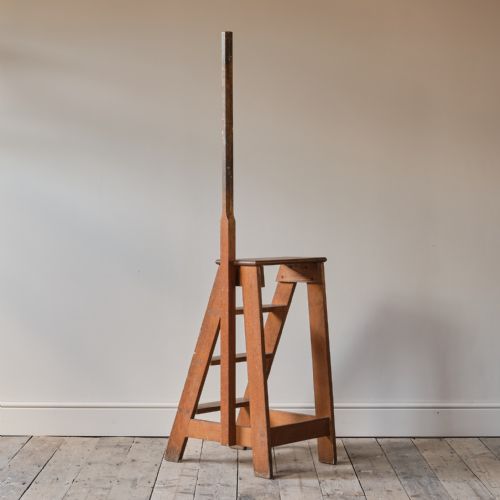
Edwardian steps are practical timber library pieces and metamorphic seating designed to reach high shelves in homes.
Edwardian Steps
When you search for Edwardian steps, you encounter sturdy timber library steps and metamorphic chair combinations intended for domestic studies and private libraries. These pieces provide stable elevation for reaching elevated bookshelves and display cases.
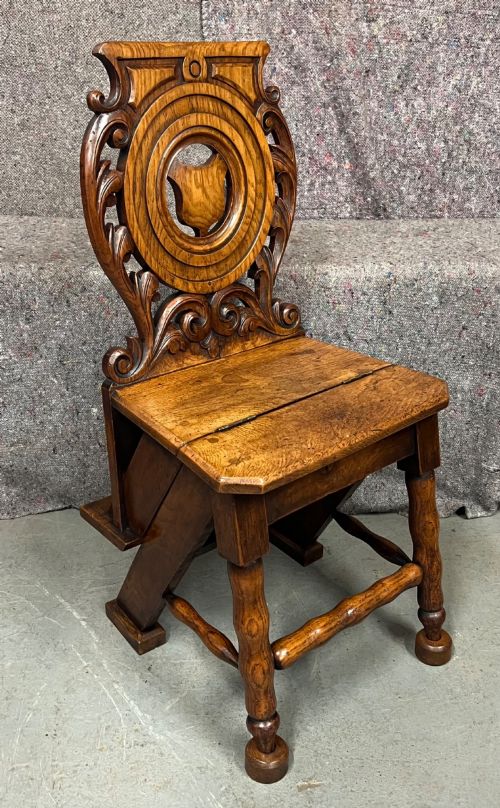
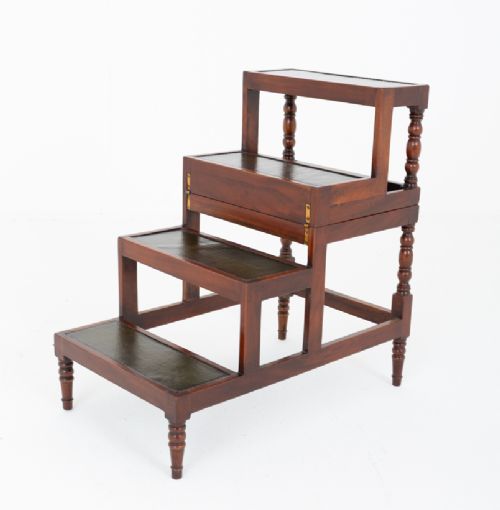
The selection includes standing flights of stairs built from oak or mahogany, alongside ingenious dual-purpose items that convert from seats into steps. Many examples reflect the solid craftsmanship of the period, while others draw on earlier Victorian designs or Regency styles.
How they were made
Cabinet makers constructed these library pieces primarily using dense hardwoods such as oak and mahogany, ensuring structural integrity for daily climbing. Selected examples integrate leather treads or brass fittings to protect the wood and secure the joints.
Metamorphic designs rely on hidden hinges, pivots, and locking brackets that allow the furniture to transform smoothly between a chair and a flight of steps. Joinery techniques from the period focus on durability, keeping the frames rigid under weight.
Edwardian Steps Retail Price Guide 2026
Typical asking prices for edwardian steps among the pieces listed under this phrase on Sellingantiques today, from the lower quarter to the upper quarter. They describe what is for sale here now, not the wider market.
Several steps double as chairs, proving that Victorian and Edwardian households took bibliophile acrobatics very seriously.
What varies in quality
The distinction between standard utility items and superior examples lies in the choice of timber and the precision of the mechanical hinges. Finely figured mahogany and quarter-sawn oak indicate a more thoughtful commission than plain secondary woods.
Subtlety of carving and the tightness of the joinery elevate certain sets above purely functional workshop pieces. Smooth operation in metamorphic conversions separates well-engineered seating steps from heavier, stiffer alternatives.
John Pound And Co·Walter Latham And Son·William Suckling·Warwick Goble
The Edwardian Steps Glossary
- Metamorphic furniture
- Pieces designed to transform from one form of furniture into another, such as a chair converting into a flight of library steps.
- Quarter-sawn oak
- Timber cut radially from the log to produce a distinct medullary ray pattern, offering enhanced stability and decorative appeal in library furnishings.
- Tread
- The horizontal flat surface of a step upon which a person places their foot when climbing.
- Commode
- A piece of bedroom or bedside furniture enclosing a chamber pot, occasionally incorporating pull-out steps in Regency variants.
- Flight
- A continuous sequence of steps rising from one level to another without a landing.
Edwardian Steps: Frequently Asked Questions
How do metamorphic library chairs work?
Metamorphic chair steps utilise concealed pivots and folding mechanisms to swing the backrest over and reveal a tiered set of treads.
This clever engineering allows a standard seating piece to transform safely into a stable climbing platform without sacrificing its domestic appearance.
What woods were used for steps?
Cabinet makers relied primarily on durable hardwoods like oak and mahogany to construct sturdy frames that could withstand frequent weight.
Leather was also utilised on treads to provide grip and protect the underlying timber from heavy boot wear.
Are these pieces stable for climbing?
Original library steps were built with heavy timber and solid joinery specifically designed to support an adult reaching for books.
Checking the tightness of the joints and the movement of any folding sections ensures the piece remains safe for practical use.
How do I distinguish Edwardian from Victorian steps?
Edwardian examples tend to exhibit lighter proportions and simpler lines compared to the heavier, more heavily carved forms associated with the Victorian era.
Makers working around the turn of the century also drew inspiration from earlier Regency styles, blending classic columns with functional domestic utility.