


Edwardian Silverware Set
These curated edwardian silverware set collections bring coordinated dining elegance to the table, pairing polished silver with fitted wooden presentation cases.
Edwardian Silverware Set
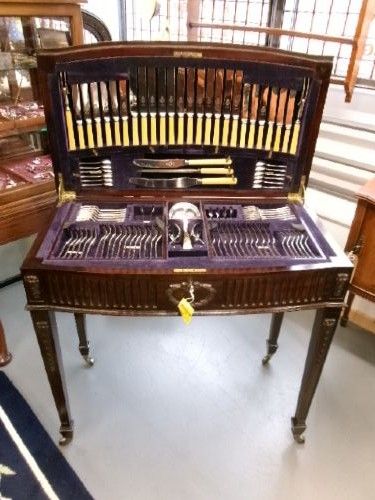
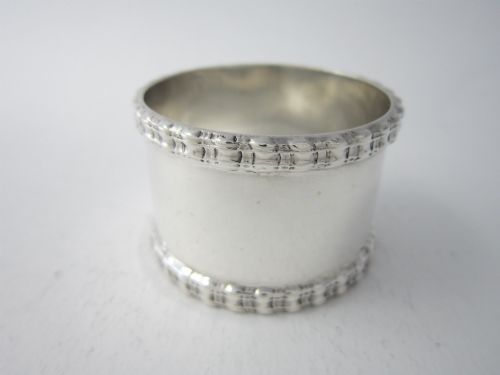
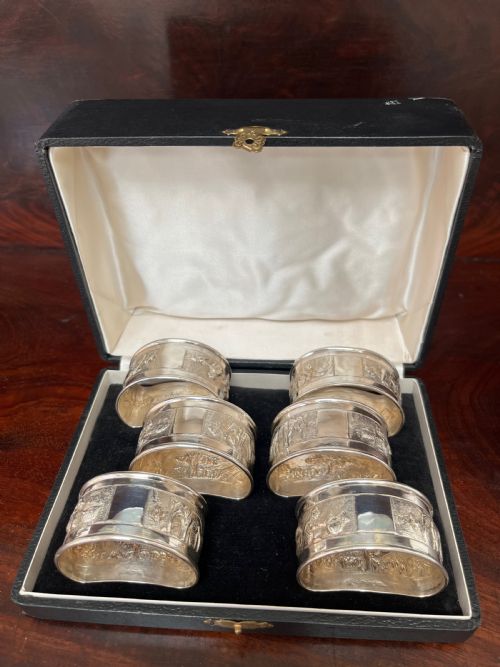
An edwardian silverware set brings together matching utensils or holloware designed for formal dining and tea service. These groupings range from boxed napkin rings and butter knives to substantial canteens housed in fitted cabinets.
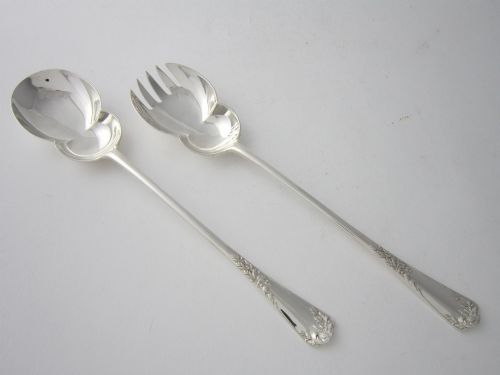
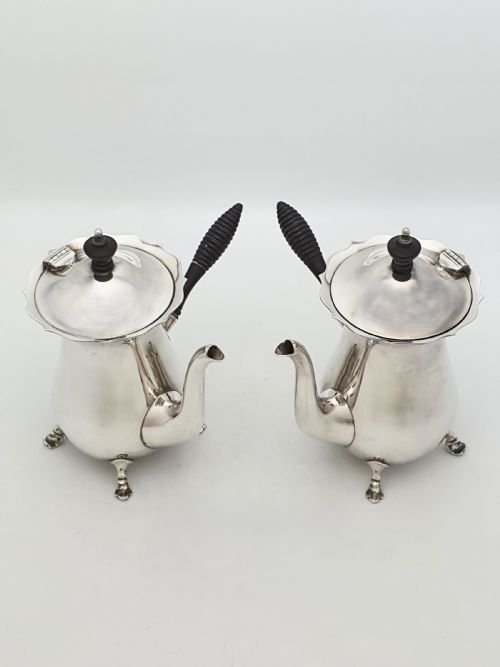
The pieces on this page span the Edwardian period primarily, alongside related Victorian items and mid-century sets. Common forms include coffee pots, café au lait pots, tea sets, and serving spoons.
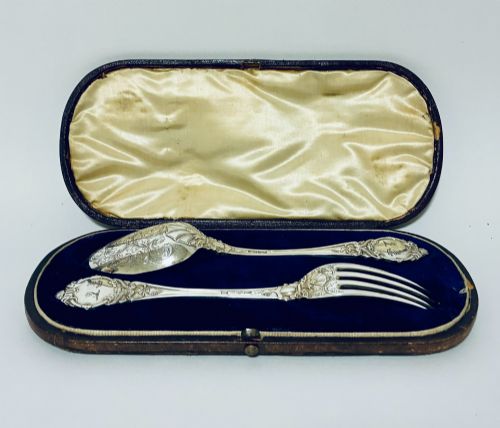
Original presentation cases often feature lined interiors of velvet or silk to protect the polished metalwork. Buyers find both solid sterling silver and silver-plated options across the selection.
How they were made
Makers utilised sterling silver and silver plate for the metal components, shaping them into detailed cutlery, pots, and serving dishes. Interiors often relied on wooden carcasses of mahogany lined with tactile fabrics like silk and velvet for secure storage.
Cabinetry for canteens involved traditional woodworking techniques to house individual utensils securely. Metal elements combined pressed or cast construction with hand-finished detailing.
Strawberry dishes bring a touch of specialised Edwardian indulgence to the tea table.
What varies in quality
The distinction between ordinary and superior pieces rests on the weight of the metal and the crispness of the chased or engraved ornamentation. Solid sterling silver commands greater appreciation than silver-plated alternatives, though the quality of the plating layer matters significantly.
Fitted housing also dictates value, with robust mahogany cabinets and intact silk or velvet linings preserving the integrity of the set. Maker attribution adds notable distinction to individual pieces within a service.
Harrison Brothers And Howson·Waring And Gillows·Robert Stebbings
The Edwardian Silverware Set Glossary
- Sterling silver
- A standard alloy consisting of ninety-two point five percent silver by mass, with the remainder being copper or other metals. This composition provides the durability required for functional cutlery and tableware.
- Silver plate
- A base metal coated with a thin layer of pure silver through electroplating. This method allowed manufacturers to produce elaborate tea sets and dishes at a lower cost than solid silver.
- Canteen
- A fitted box or cabinet designed specifically to store a complete set of cutlery. These containers keep utensils organised and protected from tarnishing when not in use.
- Café au lait pot
- A specialised vessel designed for serving coffee alongside hot milk simultaneously. Pairs of these pots often appear in formal Edwardian breakfast services.
Edwardian Silverware Set: Frequently Asked Questions
What is included in an Edwardian silverware set?
Sets typically comprise matched groupings of cutlery, serving spoons, napkin rings, or complete tea and coffee services housed in dedicated boxes.
Larger configurations may involve canteens containing dozens of individual forks and knives arranged neatly inside a wooden cabinet.
How do I care for silver-plated tea sets?
Clean the surfaces gently using a specialised silver cloth and warm soapy water to remove tarnish without damaging the plated layer.
Store the pieces in dry conditions, avoiding rubber bands or materials that accelerate tarnishing.
Were these sets used daily?
Most formal canteens and tea sets were reserved for entertaining guests and special household occasions rather than everyday dining.
This careful usage explains why many surviving sets retain their original fitted velvet and silk linings.
How do I identify Edwardian pieces?
Look for hallmarks stamped into the metal that indicate the assay office, maker, and date of manufacture.
Stylistic cues such as restrained neoclassical motifs also help distinguish Edwardian items from heavier Victorian designs.