




Edwardian Silverplate
Edwardian silverplate brings substantial domestic dining and hospitality objects into the home with the gleam of solid metal.
Edwardian Silverplate
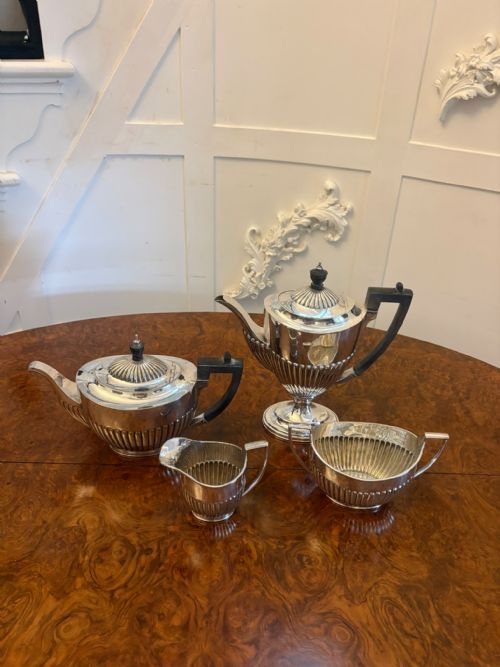
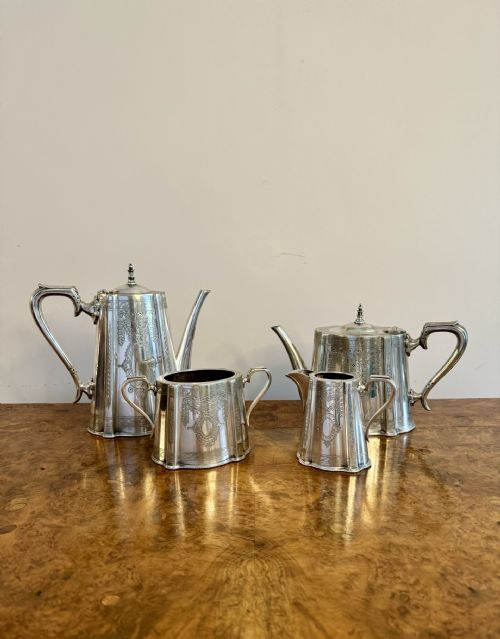
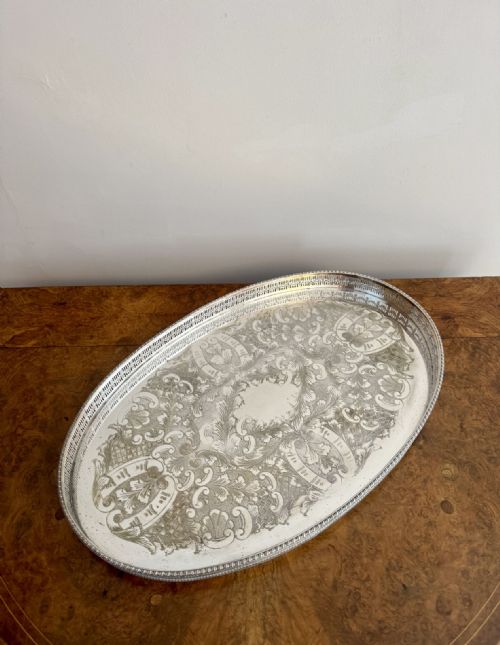
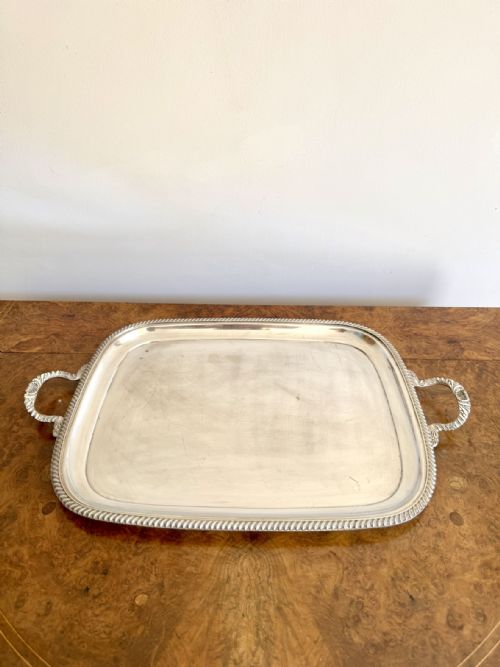
When buyers search for edwardian silverplate, they encounter a range of dining and service objects from the early twentieth century. Tea and coffee sets, trays, wine coolers, and serving dishes dominate the selection.
The objects stem predominantly from the 1900 and 1910 periods, along with related Victorian and 1930 pieces. Tea sets and large serving trays appear most frequently across the listings.
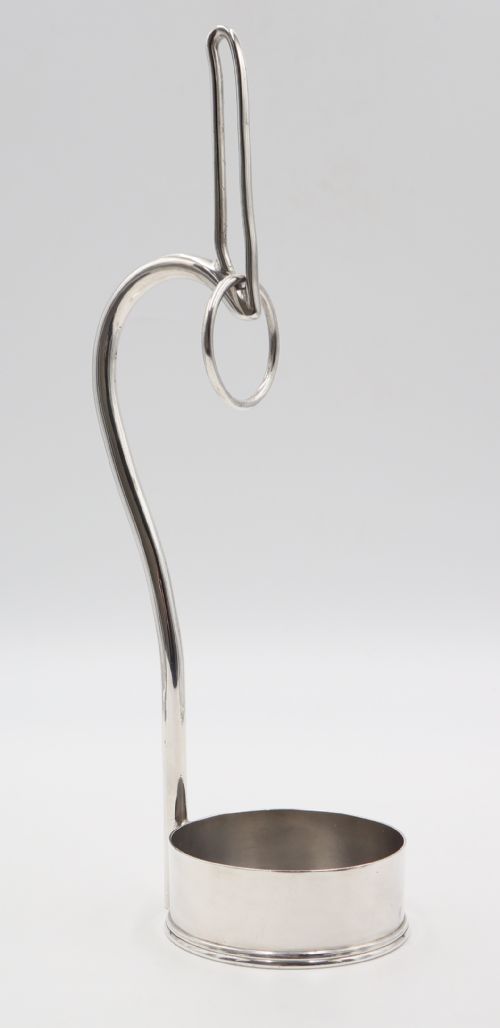
Forms span utilitarian items such as asparagus dishes, egg warmers, and toast racks alongside decorative candlesticks and wall lights.
Materials and construction
Makers utilised silver plate and electroplated nickel silver as primary metallic surfaces over base metal cores. Glass and ebonised wood appear as secondary components in items like tankards and storage boxes.
Manufacturing methods rely on electroplating techniques to bond silver layers to base metals. Structural components are joined and shaped to form domestic wares and large display pieces.
Edwardian Silverplate Retail Price Guide 2026
Typical asking prices for edwardian silverplate among the pieces listed under this phrase on Sellingantiques today, from the lower quarter to the upper quarter. They describe what is for sale here now, not the wider market.
Listings feature items from the 1900, 1910, and 1930 periods alongside Victorian examples, constructed from silver plate, electroplated nickel silver, glass, and wood.
Quality differences
The presence of maker stamps from prominent firms distinguishes standard domestic items from high-grade productions. Execution of decorative styles such as Art Nouveau or Queen Anne Revival determines the visual merit of individual pieces.
Substantial weight and sturdy construction in handles, hinges, and feet separate robust serveware from lighter domestic items.
Christofle·Walker and Hall·Mappin and Webb·John Pound and Co·WMF·Goldsmiths and Silversmiths Co
The Edwardian Silverplate Glossary
- Silver Plate
- A metallic object coated with a thin layer of silver through chemical or electrochemical processes. This method provides the appearance of solid silver at a lower cost.
- Electroplated Nickel Silver
- An alloy of copper, nickel, and zinc coated with a layer of silver via electroplating. It serves as a durable foundation metal for holloware and flatware.
- EPNS
- An abbreviation for electroplated nickel silver commonly stamped onto the base of metalwares. It indicates the underlying alloy composition.
- Salver
- A flat tray, typically made of metal and raised on feet, used for serving food or drinks. These pieces range from plain surfaces to elaborately decorated borders.
- Samovar
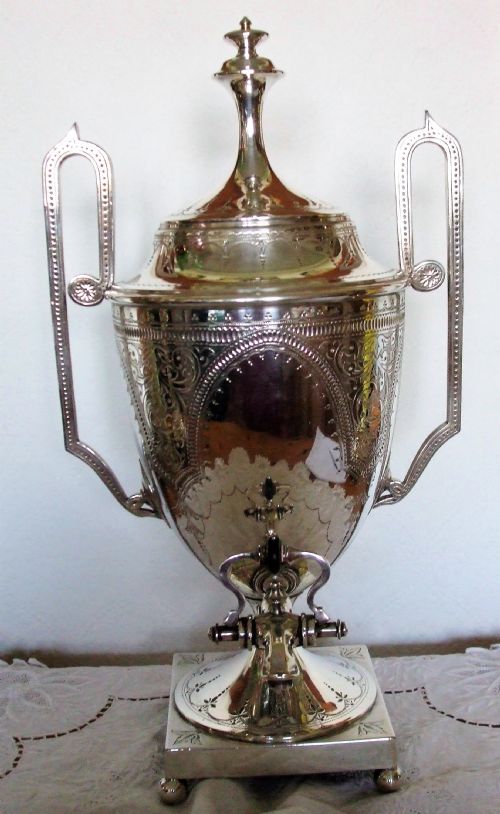
- A heated metal container traditionally used to boil water for tea. Edwardian examples often feature heavy silver plating and tap spigots.
- Tureen
- A deep covered bowl used for serving soups, stews, or vegetables at the dining table. Silver plated versions frequently include matching trays or stands.
Edwardian Silverplate: Frequently Asked Questions
What is edwardian silverplate?
Edwardian silverplate encompasses domestic dining wares, tea services, and decorative items produced during the early twentieth century. These objects use plated silver over base metals to achieve a polished appearance for the table.
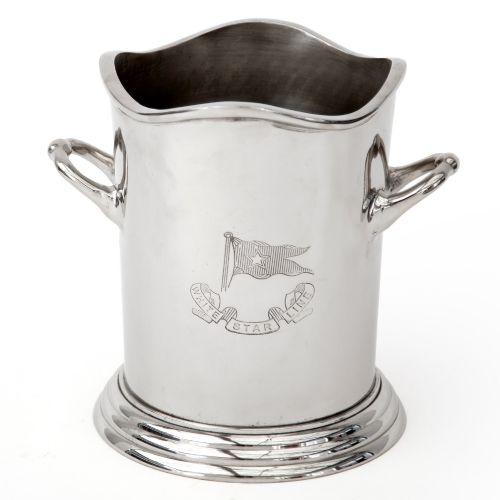
Items range from large punch bowls and wine coolers to small toast racks and asparagus dishes. The period style often reflects traditional Georgian revivals alongside Art Nouveau flourishes.
How do I clean silverplate?
Cleaning silverplate requires gentle polishing cloths specifically formulated for plated metals. Harsh abrasive pastes can wear through the thin silver layer over time.
Store items away from damp environments and use them regularly to maintain the finish. Hand washing with mild soap keeps the surfaces bright without damaging secondary materials like wood or glass.
How do I identify maker marks?
Maker marks and stamps typically appear on the underside or rim of trays, tea pots, and holloware. These punches indicate the manufacturing firm or the metallic composition such as EPNS.
Reference guides help match specific stamps to workshops operating during the early 1900s. These marks confirm the origin and help separate branded items from unmarked commercial wares.
How were these items used?
These silver plated items served formal dining and hospitality functions in Edwardian households. Tea sets and samovars facilitated afternoon tea gatherings, while wine coolers and salvers managed drinks service.
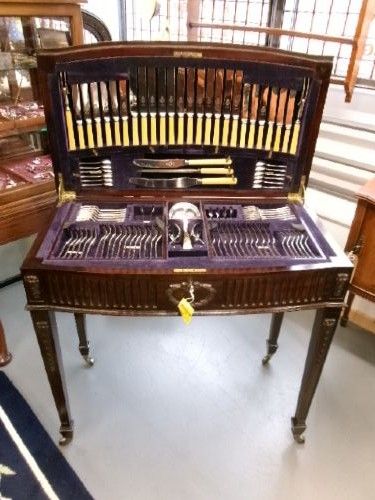
Larger vessels and canteens of cutlery provided the necessary equipment for multi-course meals. Many pieces remained on display on sideboards when not in active use.