




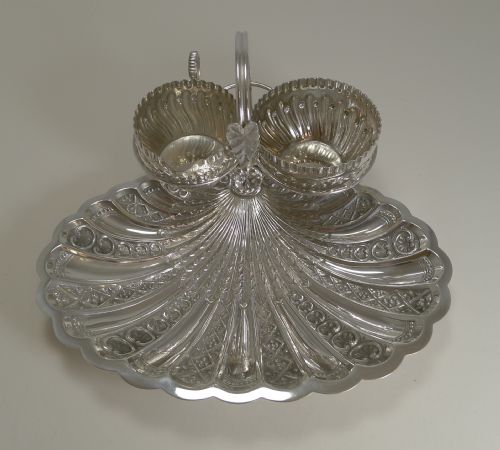

Edwardian Silver Table Server
These edwardian silver table server pieces bring functional elegance to the dining table, combining period craftsmanship with practical serveware.
Edwardian Silver Table Server
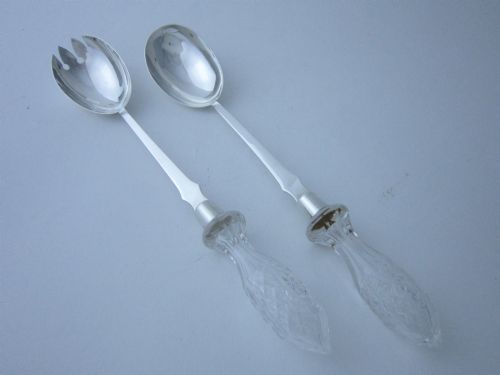
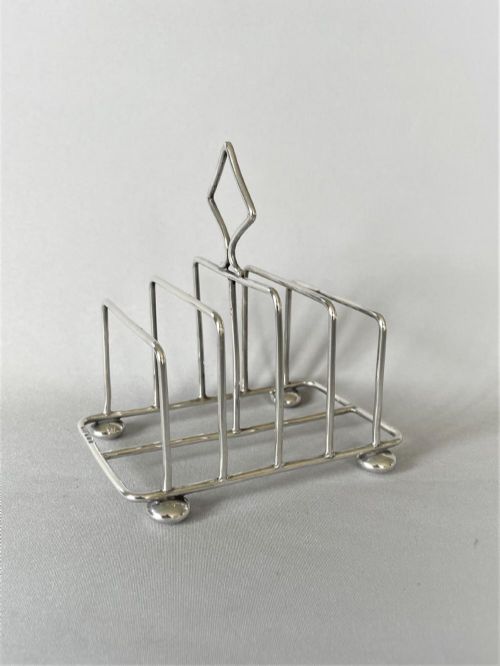
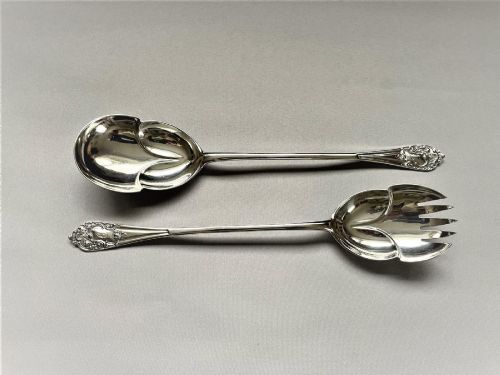
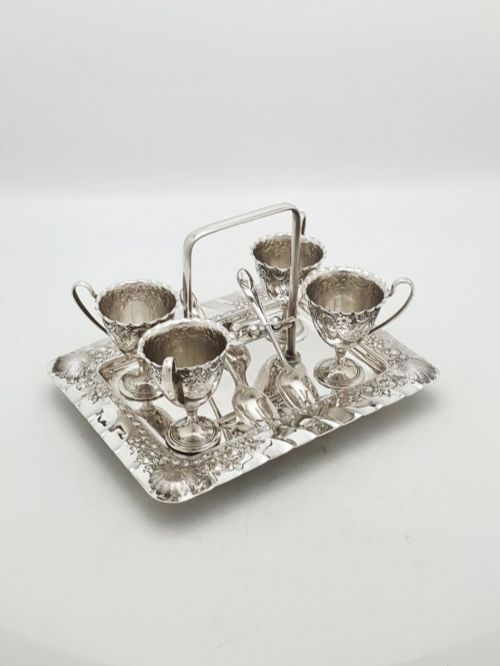
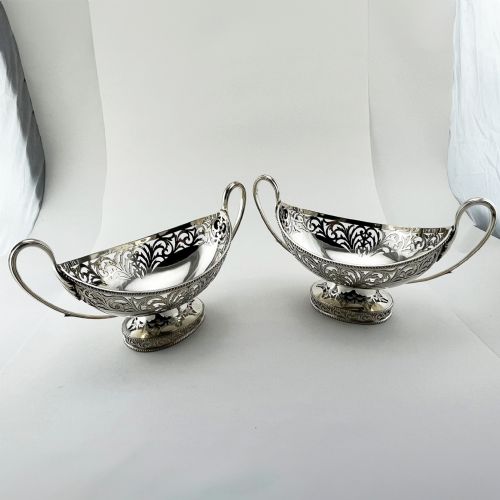
An edwardian silver table server covers a diverse array of dining table implements designed for serving specific foods, from toast racks and salad servers to intricate cruet sets and entree dishes. These pieces originate predominantly from the Edwardian period and the early twentieth century, though examples stretch from Victorian times through to mid-century modern designs.
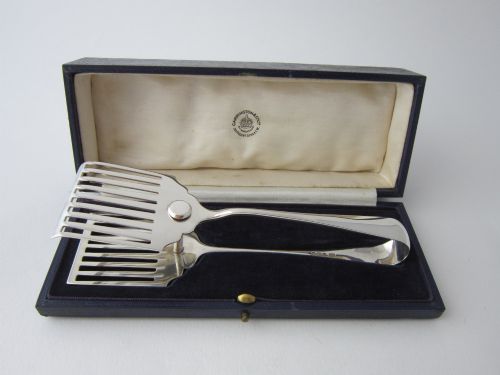
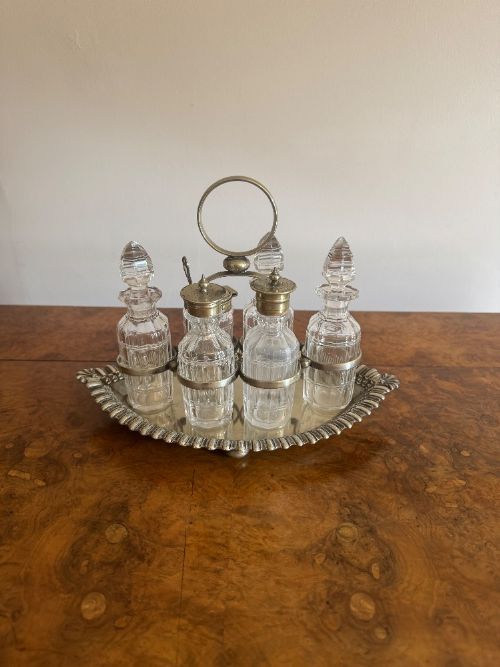
The most common forms encountered on this page include silver plated and sterling silver entree dishes, toast racks, and condiment sets. Buyers will also find specialised serving utensils such as asparagus tongs, grape shears, and relish caddies that reflect formal dining habits of the era.
Origins span English workshops alongside Scandinavian and Scottish makers, encompassing styles from the Aesthetic Movement to early modernism. This variety ensures that each serving piece carries distinct historical character while remaining suited for modern dining use.
Materials and manufacturing methods
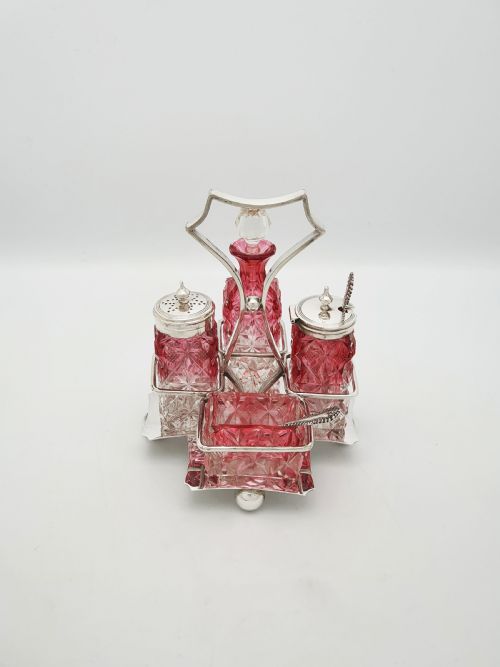
Manufacturing relied heavily on sterling silver and silver plate, including electroplated nickel silver and standard EPNS, which provided durable bases for daily dining use. Metalwork was frequently combined with cut glass, cranberry flashed glass, and ceramic inserts to create contrasting textures in items like cruet sets and cheese dishes.
Techniques involved careful embossing, reeded handles, and precision cutting for glassware, alongside fitted stands and warming mechanisms for entree dishes. Plating thickness and solid silver construction determined the longevity of these serving items, with many retaining their original stands and covers.
Edwardian Silver Table Server Retail Price Guide 2026
Typical asking prices for edwardian silver table server among the pieces listed under this phrase on Sellingantiques today, from the lower quarter to the upper quarter. They describe what is for sale here now, not the wider market.
Object forms range from practical toast racks and salad servers to specialised asparagus dishes, caviar ice servers, and novelty shoe spoon warmers.
Assessing quality in table servers
Quality in an edwardian silver table server rests on the integrity of the base metal and the preservation of the silver plating or sterling hallmarks. Superior examples exhibit crisp embossing, balanced weight, and original matching components such as cut glass bottles or fitted ceramic liners.
The reputation of the maker and the complexity of the form distinguish finer items from standard production pieces. Intricate mechanisms, such as original warming stands and novelty designs, demonstrate higher skill levels during manufacture.
Thomas Bradbury·Garrard and Co·Hukin and Heath·Mappin and Webb·Roberts and Belk
The Edwardian Silver Table Server Glossary
- Silver Plate
- A thin layer of silver applied to a base metal, commonly nickel silver or copper, to give the appearance of solid silver. This technique made elaborate dining wares accessible to a broader Victorian and Edwardian public.
- Cruet Set
- A collection of glass bottles or jars mounted in a metal frame, designed to hold condiments like oil, vinegar, salt, and pepper at the dining table. Edwardian sets often featured embossed frames and cut glass bottles.
- Toast Rack
- A table accessory featuring parallel metal loops designed to hold slices of toast upright. They range from simple domestic versions to large six-slice George V examples.
- Entree Dish
- A covered serving dish used for presenting courses during formal meals, often fitted with an original warming stand. These vessels kept food hot at the table.
- EPNS
- An abbreviation for electroplated nickel silver, a standard material for durable domestic metalware from the nineteenth century onwards. It provided a strong, corrosion-resistant body beneath the silver surface.
Edwardian Silver Table Server: Frequently Asked Questions
What was an edwardian silver table server used for?
These pieces served specific culinary roles at formal dining tables, ranging from holding toast and condiments to presenting entrees, asparagus, and cheese. Each item was tailored to the structured course service of the period.
They allowed hosts to serve food efficiently while displaying polished silver and cut glass to impress guests during dining gatherings.
How do I clean silver plated serving items?
Cleaning requires a soft cloth and a gentle, non-abrasive silver polish formulated specifically for plated items. Avoid harsh scrubbing that can wear through the thin silver layer.
For pieces with glass or ceramic components, remove the inserts before polishing the metal frame to prevent chemical damage to the secondary materials.
Can I use these vintage servers for modern dining?
Most pieces remain fully functional for contemporary dining, whether serving toast at breakfast or presenting dishes at a dinner party. Solid construction and durable silver plate ensure practical utility.
Care should be taken with delicate glass inserts and antique warming mechanisms to preserve their condition during regular household use.
How do I distinguish Edwardian pieces from Victorian ones?
Edwardian silver often displays lighter, more refined decorative motifs influenced by neoclassical styles, whereas Victorian pieces tend to feature heavier, more ornate ornamentation and robust proportions.
Examining hallmarks, registration marks, and stylistic shifts helps identify the manufacturing era when dates are not explicitly stamped.