



Edwardian Silver Scent
Edwardian silver scent bottles combine sterling silver mounts with cut glass bodies, offering a portable vanity accessory shaped by the aesthetics of the early twentieth century.
Edwardian Silver Scent
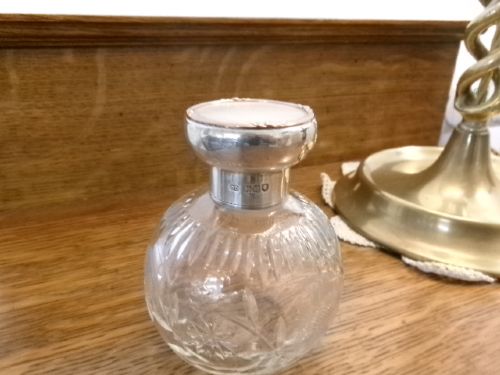
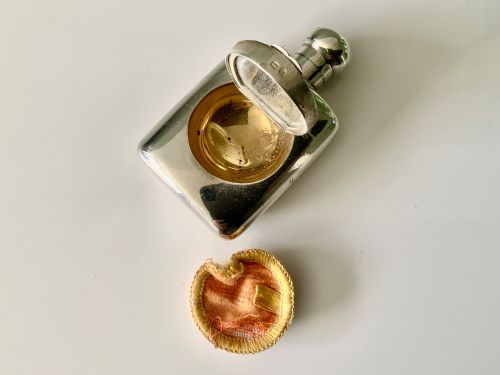
Edwardian silver scent bottles encompass personal perfume containers, cologne bottles, and vinaigrettes designed for dressing tables or pocket use. Many examples pair sterling silver collars or lids with clear cut glass, cranberry glass, or amber bodies.
The objects span periods from the Victorian era through the Edwardian years and into the Art Deco period, with distinct influences from Art Nouveau and the Aesthetic Movement. Pieces frequently originate from English assay offices, notably Birmingham and London, alongside continental workshops.
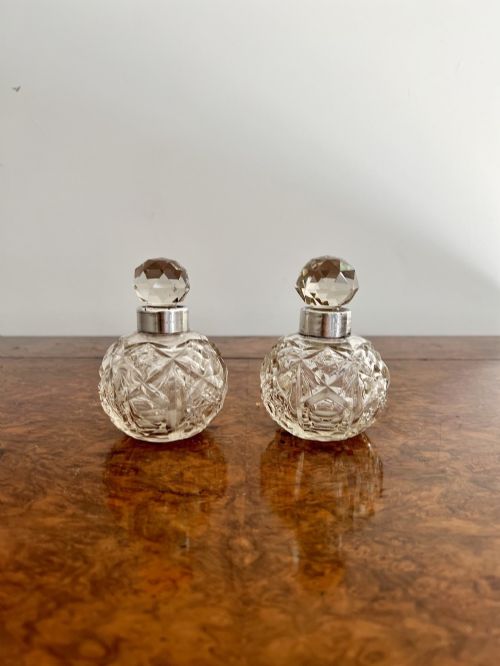
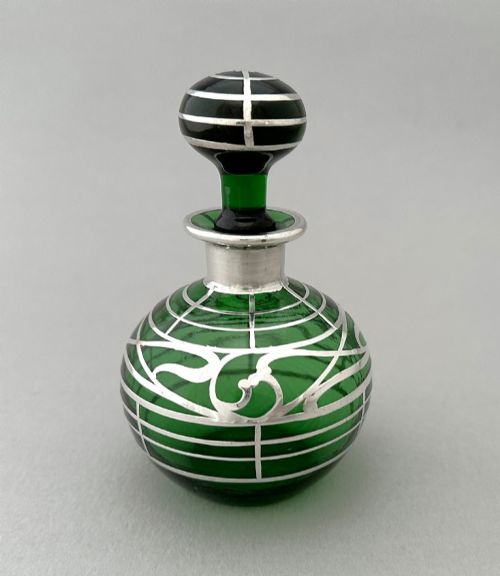
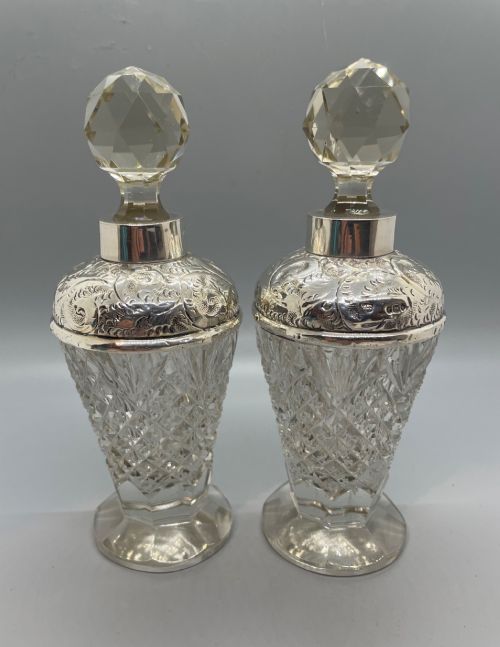
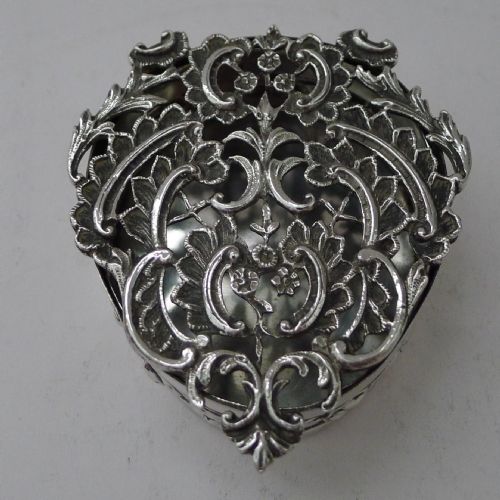
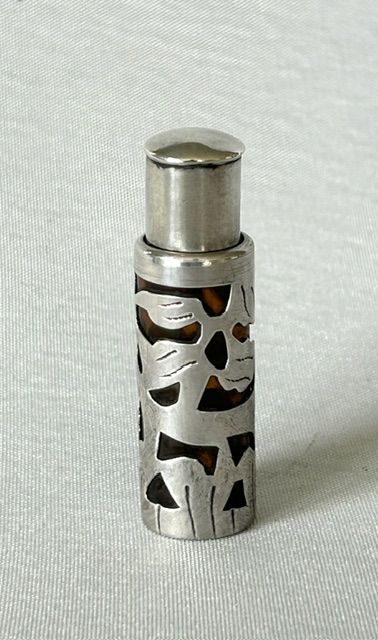
Varying forms appear across the selection, from globular perfume bottles to cylindrical icicle vessels and pot pourri boxes. While some survive as isolated items, matched pairs emerge alongside dressing table accessories.
Materials and Technique
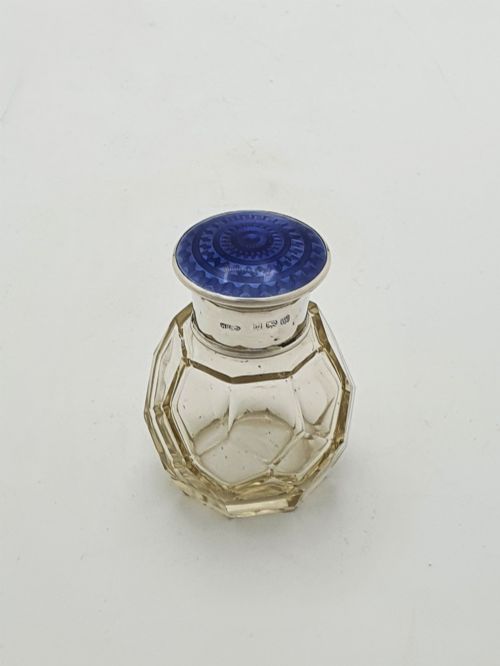
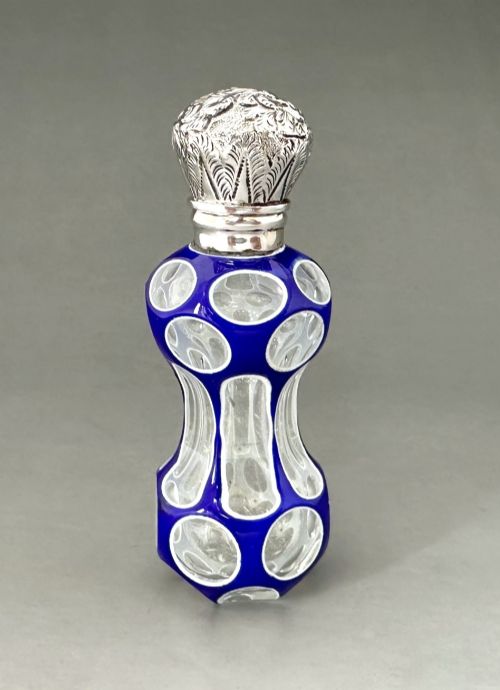
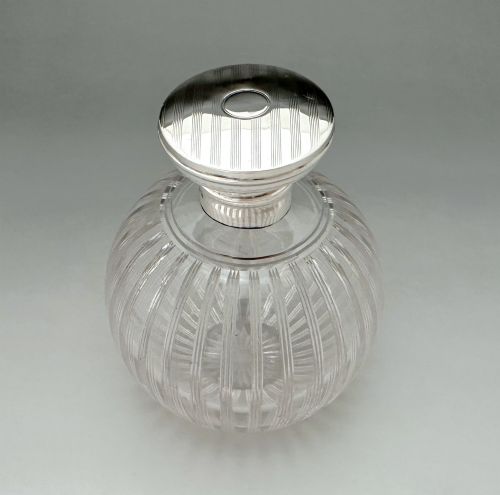
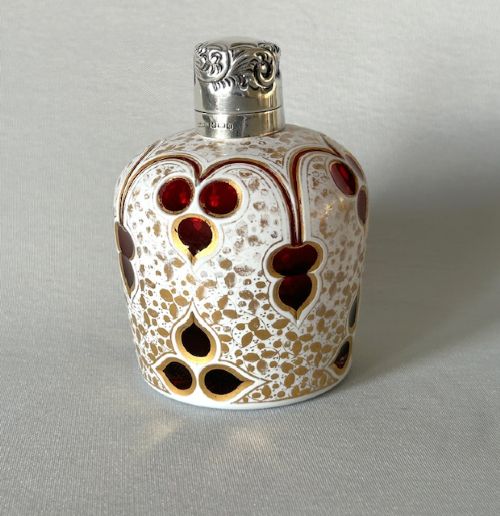
Makers combined sterling silver with blown and cut glass, utilising techniques such as hand-cutting, overlay work, and guilloche enamelling. Glass bodies appear in clear crystal, ruby, amethyst, and cranberry tones, shaped into globular, faceted, or elongated profiles.
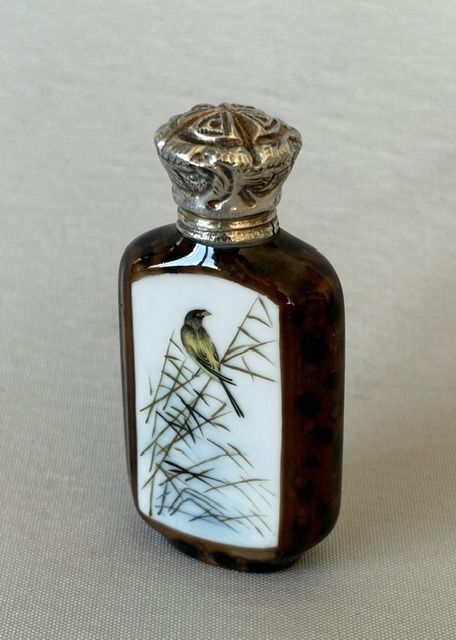
Silver components include cast or stamped collars, hinged lids, and pierced overlay designs secured directly to the glass necks or bodies. Tortoiseshell and enamel insets frequently adorn the metal lids, fixed with internal adhesives or pins.
Edwardian Silver Scent Retail Price Guide 2026
Typical asking prices for edwardian silver scent among the pieces listed under this phrase on Sellingantiques today, from the lower quarter to the upper quarter. They describe what is for sale here now, not the wider market.
Some gentlemen required locking silver mechanisms to keep their cologne safe from light-fingered valets.
Material and Craftsmanship Distinctions
Quality rests in the crispness of the glass cutting, the depth of the silver overlay, and the precision of the hallmark stamping. Heavy, deeply faceted crystal bodies provide structural solidity compared to thin-walled alternatives.
The finesse of the enamel work and the integration of tortoiseshell panels separate standard production pieces from finer studio items. Intricate hinged mechanisms that close flush indicate superior silversmithing skill.
Harold Bushell & Co·William Comyns·Hasset & Harper·G H James & Co·Barnsley & Co·George Unite
The Edwardian Silver Scent Glossary
- Sterling silver
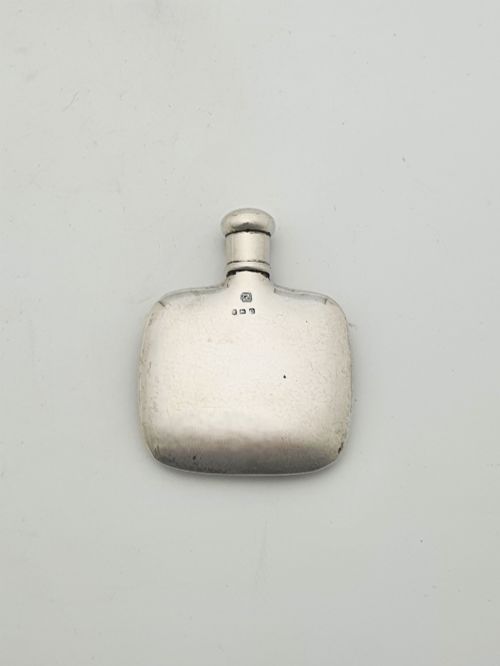
- An alloy containing 92.5 percent silver by mass, standard for British silver mounts and bottle collars. Hallmarks typically stamp this standard alongside date letters and assay office symbols.
- Vinaigrette
- A small ornamental box or bottle containing a perforated internal grille soaked in aromatic vinegar. These vessels date primarily from the Victorian period.
- Guilloche enamel
- A decorative technique where precise patterns are engine-turned into metal before translucent enamel layers are applied. This finish appears frequently on Edwardian and Art Deco vanity items.
- Cranberry glass
- A rich red-pink glass coloured with gold chloride during production, popular in Victorian and Edwardian tablewares and scent bottles.
- Overlay
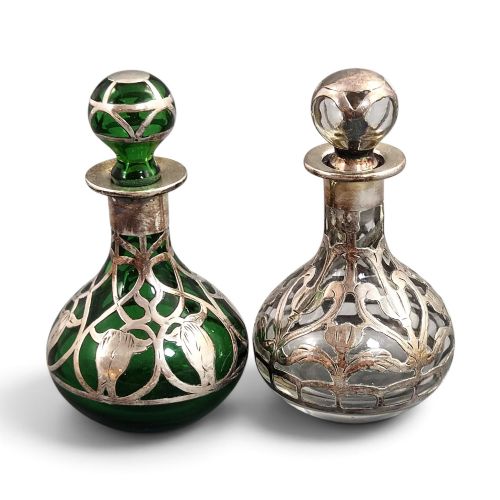
- A decorative metal sheath or lattice fitted over a glass body, often taking the form of Art Nouveau floral or abstract motifs.
Edwardian Silver Scent: Frequently Asked Questions
How do I date an Edwardian silver scent bottle?
Dating relies upon the stamped hallmarks on the silver mounts, which record the assay office, standard mark, and a specific year letter. Stylistic indicators like Art Nouveau sweeping lines or Art Deco geometric forms also point to distinct decades.
Comparing the cut glass patterns and associated dressing table items helps confirm the period when hallmarks are rubbed or illegible.
What materials make up these perfume bottles?
The primary components are sterling silver and glass, with variations including cranberry glass, amethyst glass, cut crystal, and amber glass. Enamel and tortoiseshell frequently appear as decorative insets on the silver lids.
Internal stoppers are typically glass, fitted snugly into the silver collars to prevent evaporation.
Were these bottles meant for travel or display?
Many examples served both functions, with robust cut glass bodies and secure screw or hinged caps designed for handbags or luggage. Larger globular bottles and those with delicate enamel work belonged primarily on stationary dressing tables.
Lockable gentleman's cologne bottles indicate specific travel utility for personal grooming kits.
How should I clean silver mounts on glass?
Silver mounts require gentle polishing with a soft cloth to avoid contacting the surrounding glass or enamel insets. Liquid silver dips should be avoided to prevent seepage between the metal mount and the glass neck.
Glass bodies tolerate warm soapy water, provided the internal stoppers remain secure to keep moisture out of the interior.