

Edwardian Silver Pendant Necklace
An edwardian silver pendant necklace brings together delicate metalwork and stones from the early twentieth century.
Edwardian Silver Pendant Necklace
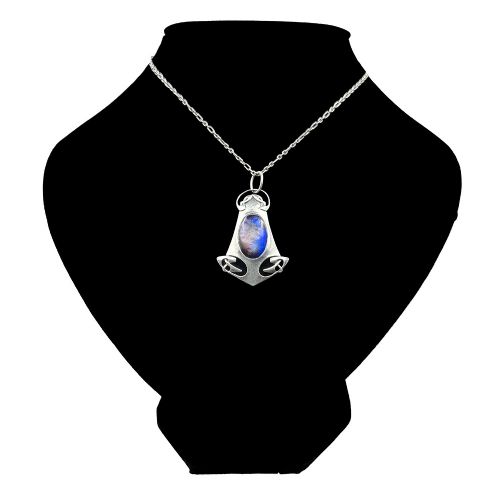
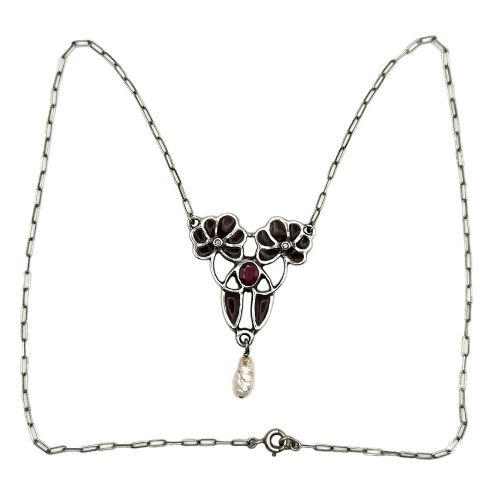
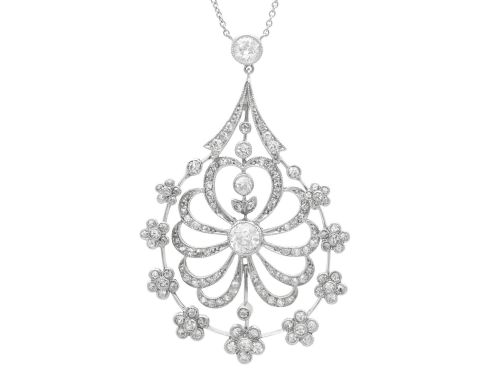
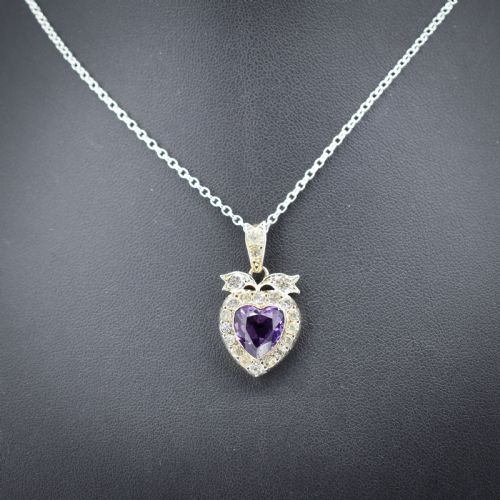
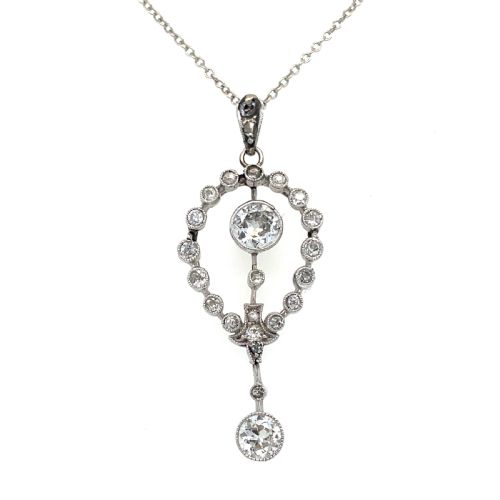
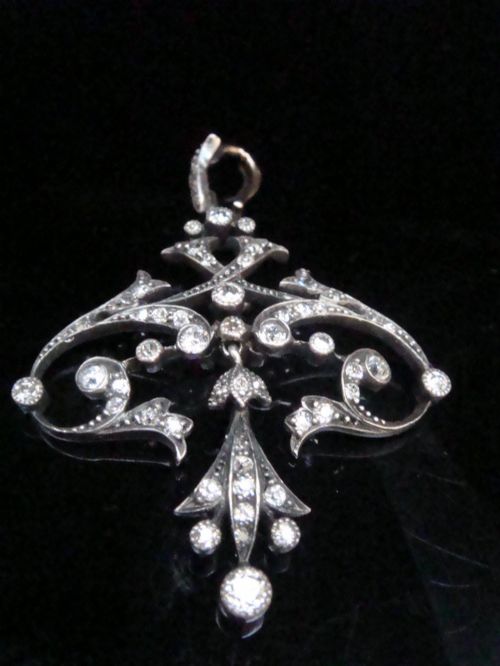
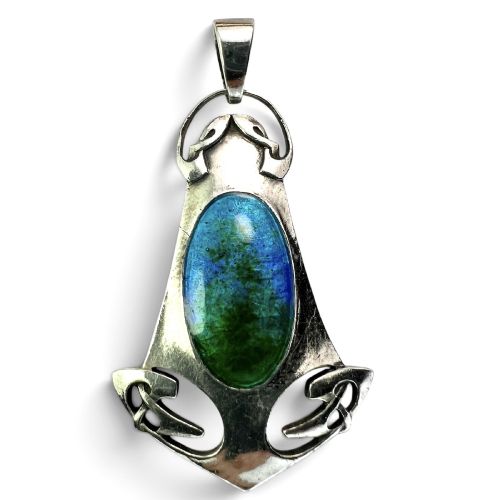
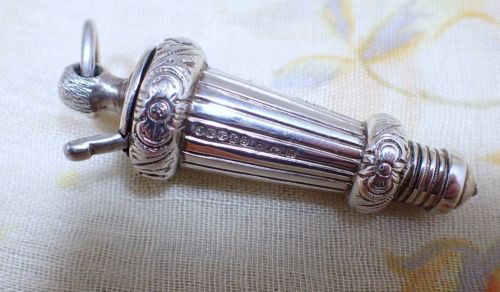
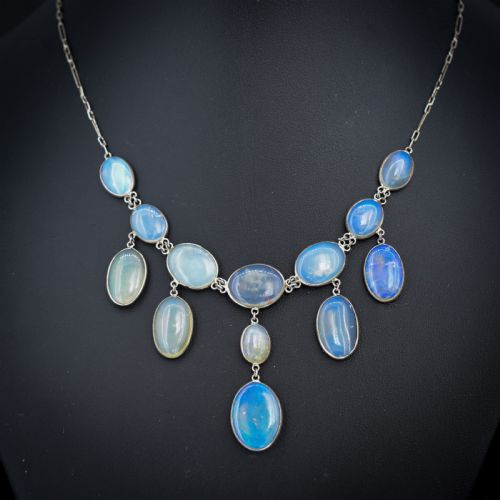
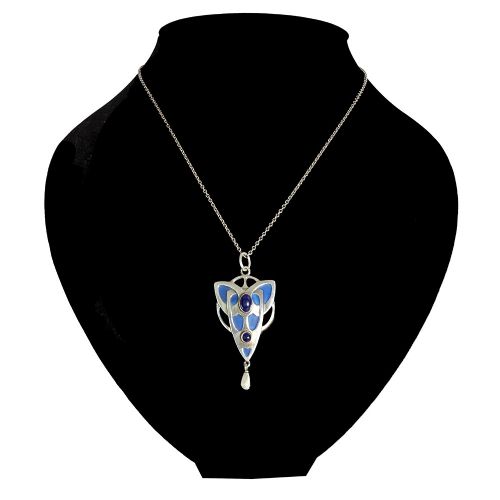
An edwardian silver pendant necklace combines precious metals with stones such as opal, amethyst, diamond and pearl. Pieces often reflect prevailing aesthetic movements including Art Nouveau, Arts and Crafts, and Victorian designs.
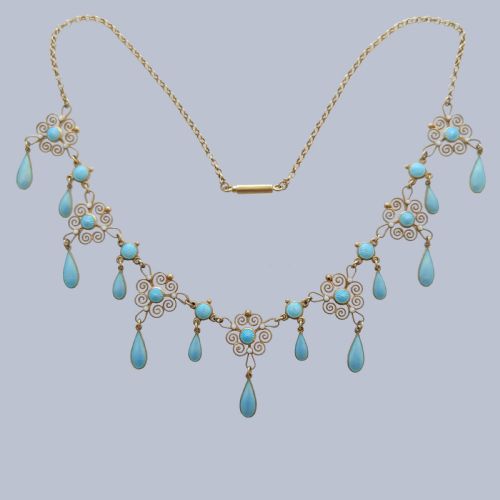
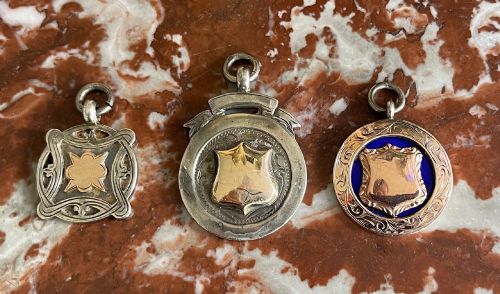
Makers utilised silver alongside gold and platinum to construct intricate drops, lavalier layouts and festoon necklaces. Surviving examples incorporate charms, lockets and floral motifs alongside gemstone clusters.
How They Were Made
Craftsmen shaped sterling silver and silver gilt into detailed frames, utilising wirework, filigree and cast elements. Settings frequently incorporate platinum or gold to secure diamonds and coloured gemstones.
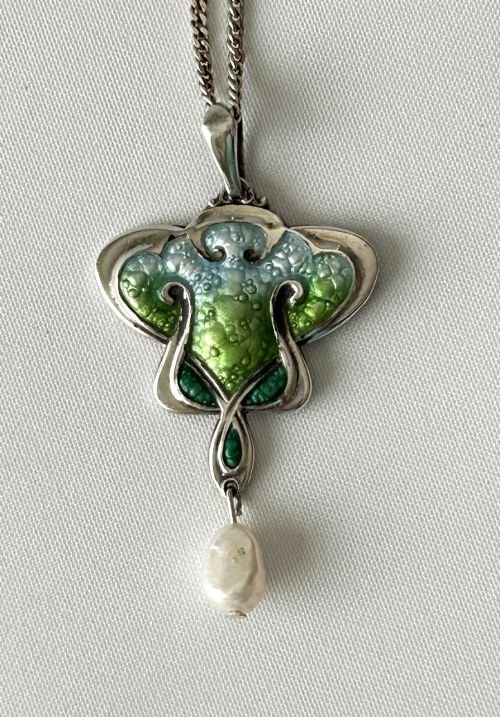
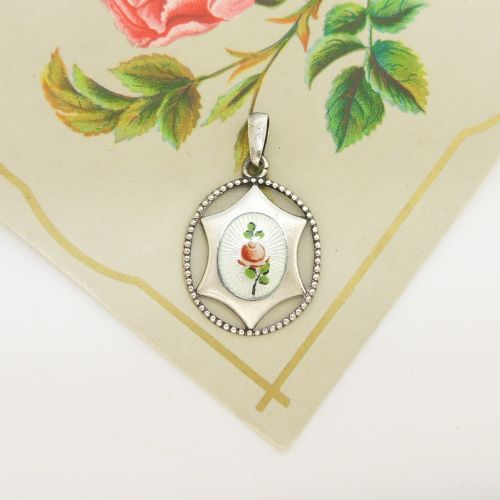
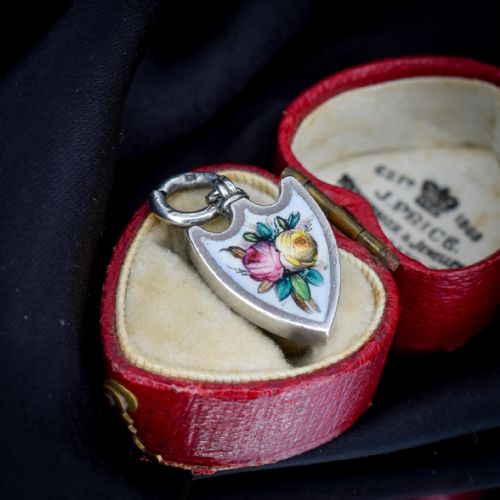
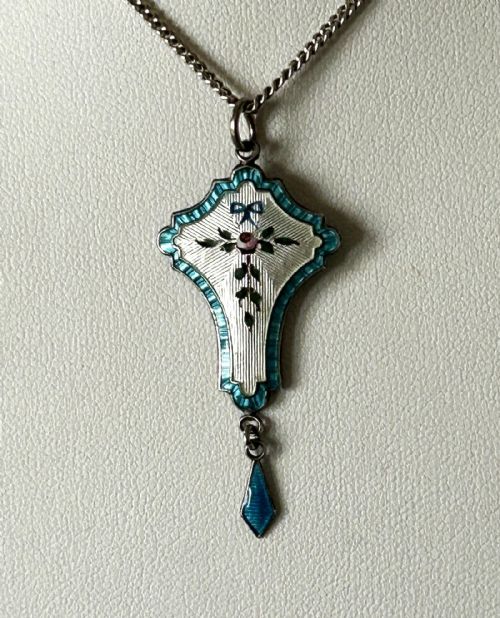
Vitreous enamel and plique-à-jour techniques added translucent colour to metal cells, mimicking stained glass. Artisans suspended pearls, moonstones and drops from delicate chains to create movement.
Edwardian Silver Pendant Necklace Retail Price Guide 2026
Typical asking prices for edwardian silver pendant necklace among the pieces listed under this phrase on Sellingantiques today, from the lower quarter to the upper quarter. They describe what is for sale here now, not the wider market.
Listings feature works in silver, gold, and platinum, incorporating diamonds, opals, amethysts, enamel, and pearls.
What Varies in Quality
The refinement of the metalwork and the precision of the stone cutting separate standard items from superior works. Hand-wrought details by recognised designers display superior execution compared to mass-produced alternatives.
The complexity of the enamel work and the matching of natural stones dictate the standing of a piece. Intact plique-à-jour panels and well-preserved stones maintain greater integrity.
Marius Hammer·Charles Horner·Archibald Knox·Liberty and Co·Murrle Bennett·Amy Sandheim·The Gaskins·WH Haseler·Dorrie Nossiter·George Hunt
The Edwardian Silver Pendant Necklace Glossary
- Plique-à-jour
- An enamelling technique where enamel is applied to open cells without a backing, allowing light to shine through translucent colours.
- Festoon necklace
- A necklace featuring a drape of chains, swags, or drops suspended across the collarbone.
- Lavalier
- A pendant necklace featuring a central drop stone or ornament hanging lower than the rest of the setting.
- Silver gilt
- Silver that has been coated with a thin layer of gold on its surface.
Edwardian Silver Pendant Necklace: Frequently Asked Questions
What defines an edwardian silver pendant necklace?
These necklaces feature early twentieth-century silver craftsmanship, often incorporating stones like opal, amethyst, or diamond within Art Nouveau and Arts and Crafts designs.
They rely on delicate metalwork, sometimes combining silver with gold or platinum to support hanging drops and lavalier formats.
How do I identify Art Nouveau styles?
Art Nouveau pieces showcase flowing, organic lines inspired by natural forms like flowers, insects, and sinuous plant stems. They frequently employ enamel work to introduce vibrant colour into the metal design.
Makers used plique-à-jour and vitreous enamel to create translucent effects that resemble miniature stained glass windows.
Were these necklaces worn daily?
Many of these pieces served as fashionable accessories for formal occasions and daily wear during the Edwardian era and the early twentieth century. Their construction allowed them to move fluidly with garments.
Different lengths, such as festoon layouts and shorter drop pendants, suited the necklines of contemporary dresses.
How should I care for enamel and pearls?
Enamel requires protection from sharp impacts and harsh chemicals to prevent chipping or scratching of the glass surface. Pearls benefit from gentle cleaning with a soft cloth and should be kept away from cosmetics and perfumes.
Storing each piece separately prevents metal settings from scratching softer stones and enamel panels.