
Edwardian Silver Pair
Searching for an edwardian silver pair brings together matching dining accessories, desk items and candlesticks made during the reign of King Edward VII.
Edwardian Silver Pair
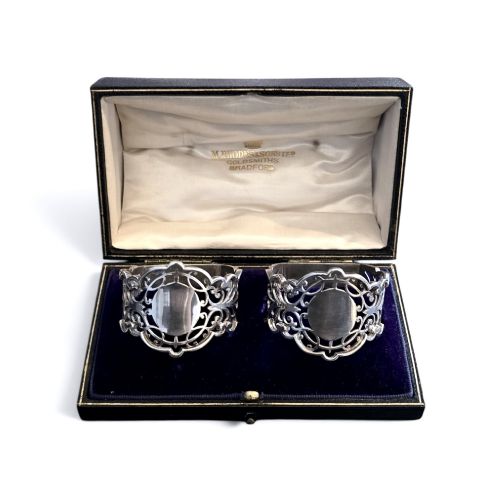
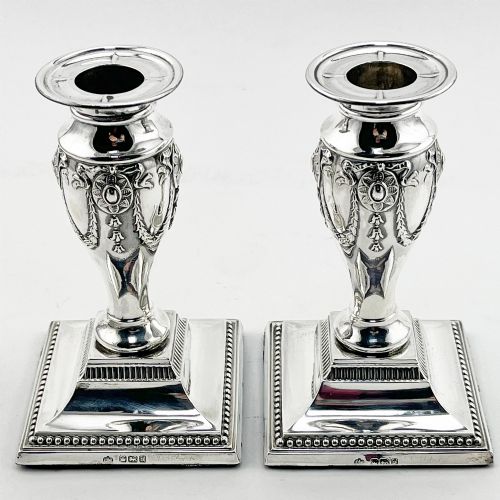
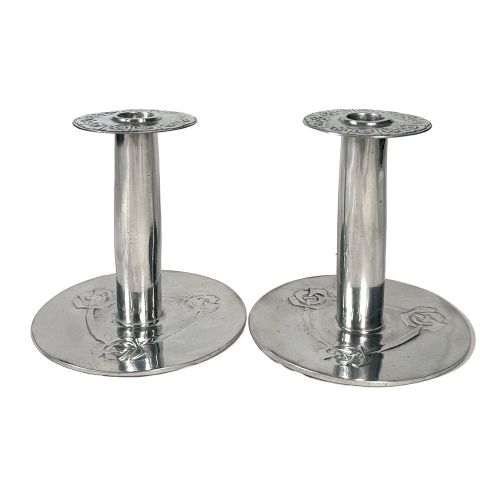
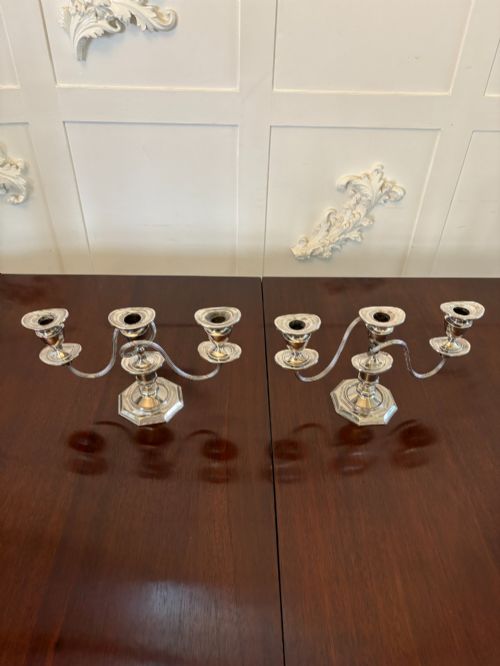
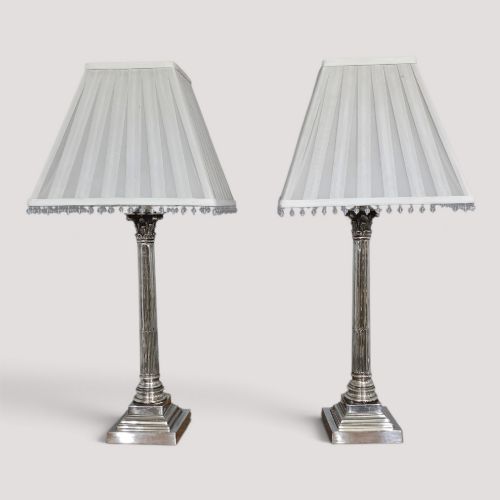
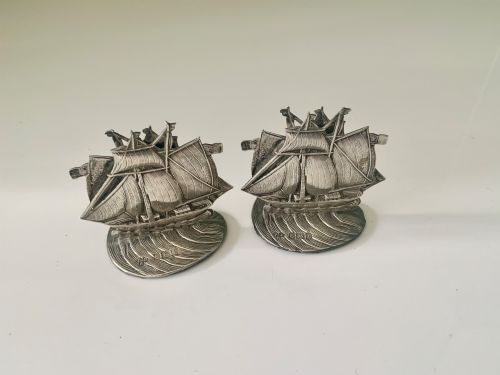
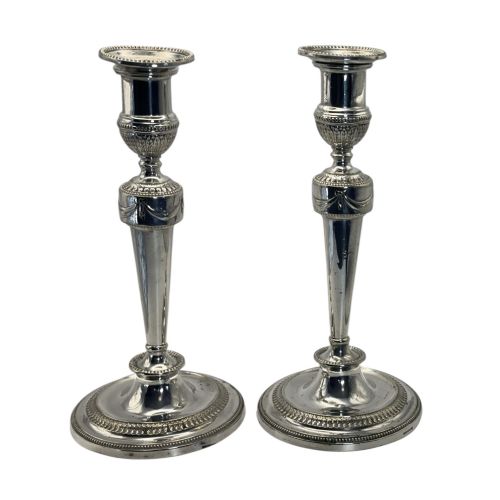
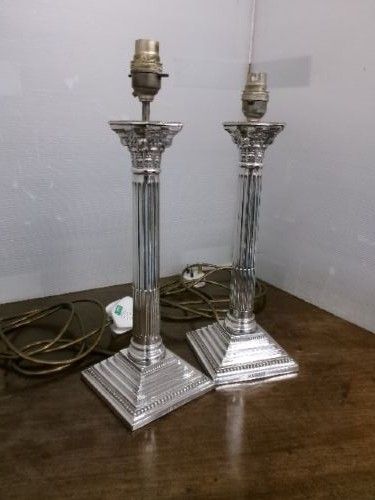
An edwardian silver pair most commonly takes the form of candlesticks, menu holders, napkin rings or salt cellars created to balance a formal dining table or mantelpiece. The period embraces both solid sterling silver items bearing British hallmarks and substantial silver-plated equivalents designed for everyday dining.
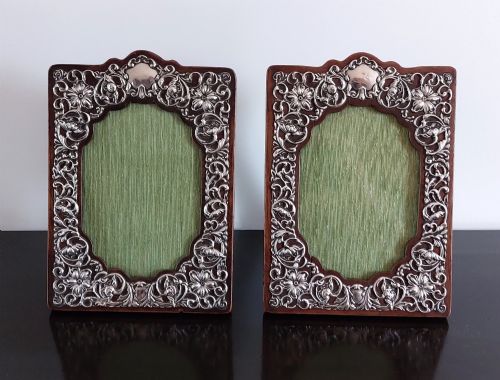
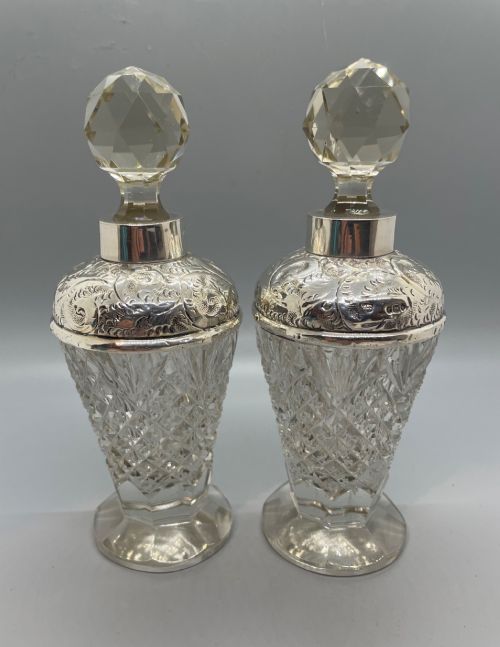
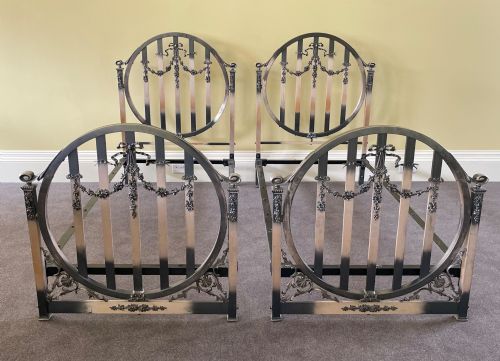
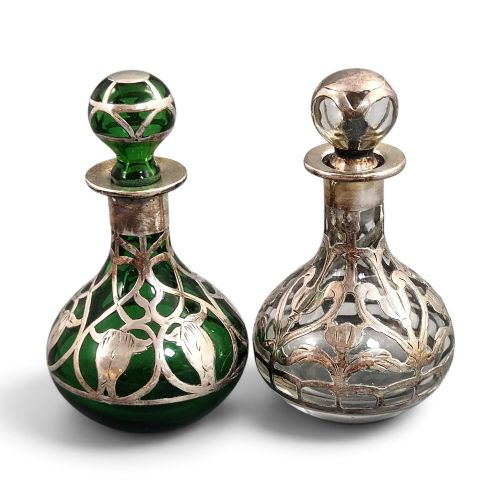
Beyond tablewares, the category extends to photograph frames, perfume bottles and small serving items produced in matching configurations. Buyers frequently encounter pieces displaying stylistic influences from Art Nouveau and Neoclassical revivalism alongside traditional Edwardian designs.
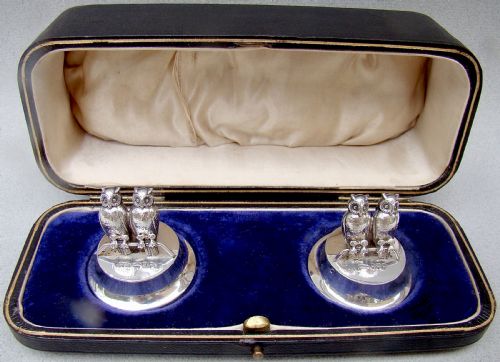
The objects reflect the formal social rituals of the early twentieth century, where symmetry and paired accessories formed an essential part of domestic presentation. Surviving examples often retain fitted presentation cases, indicating their original status as gifts for significant occasions.
Materials and Construction Methods
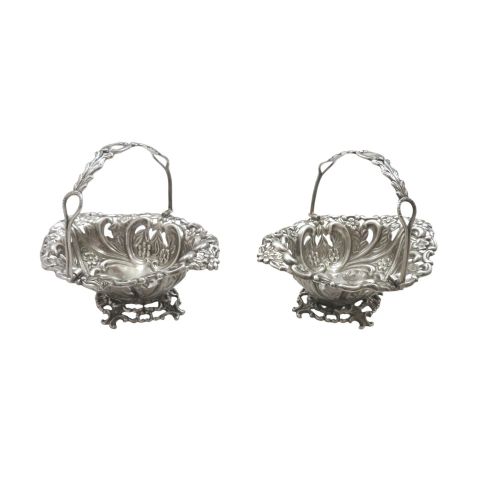
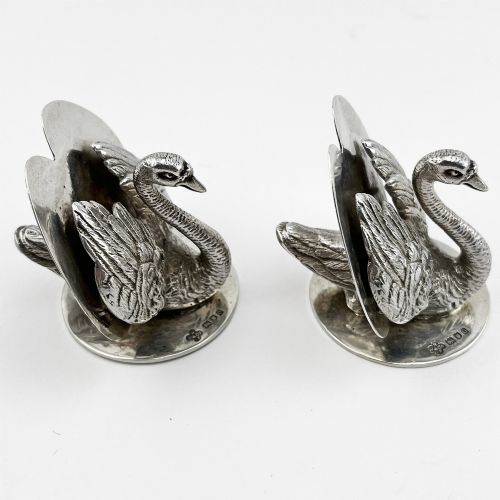
Makers utilised sterling silver and electroplated nickel silver as the primary metallic foundations, often combining them with cut glass liners, velvet or mahogany bases. Piercing, casting and engraving techniques allowed artisans to achieve openwork foliage, reeded columns and sculptural figural details such as owls and swans.
Silver components received stamps from assay offices in London, Birmingham and Chester, certifying the metal standard alongside maker marks. Plated items relied on deposition techniques over base metals, while glass elements were mouth-blown and wheel-cut to fit precise silver collars.
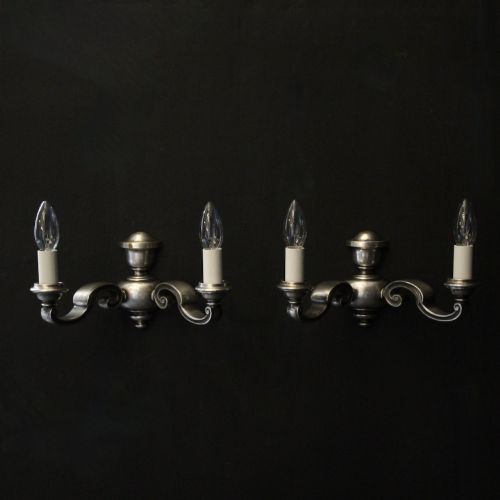
Owls, swans, and cherubs perch atop menu holders and wall sconces, keeping a watchful eye over the dinner table.
Distinguishing Grades of Execution
The standard of a paired set depends heavily on the crispness of the casting and the depth of hand-engraving on the metal surface. Superior examples exhibit well-defined figural modelling and balanced proportions, whereas simpler productions rely on stamped sheet metal with minimal hand-finishing.
Preservation of original hallmarks, matched components within the set, and the inclusion of undamaged glass or fitted boxes elevate the desirability of individual pieces. Heavy gauge silver resists denting and maintains structural integrity far better than thin-walled alternatives.
Mappin & Webb·Levi & Salaman·Gorham·James Fenton·Henry Matthews·Walker & Hall·Liberty & Co
The Edwardian Silver Pair Glossary
- Hallmark
- Official stamps applied by an assay office to indicate metal purity, the maker, and the year of manufacture. These marks provide the definitive date for solid silver items.
- Electroplated Nickel Silver
- A base metal alloy of copper, nickel, and zinc coated with a layer of pure silver through electrolysis. This technique offered a durable alternative to solid silver.
- Piercing
- A decorative technique where metal is cut through to create openwork lattice patterns or floral motifs. It requires careful hand-sawing to maintain symmetry across paired objects.
- Rat Tail
- A prominent dorsal ridge on the underside of a spoon bowl extending from the handle. This traditional strengthening feature appears frequently on serving implements from the period.
Edwardian Silver Pair: Frequently Asked Questions
Were these items always sold together?
Most matching sets were manufactured and retailed as pairs from the outset, particularly items intended for symmetrical table placement such as candlesticks and menu holders. Fitted presentation boxes often confirm their original paired status.
Some smaller items like napkin rings or salt cellars were occasionally assembled into sets by retailers or owners matching similar styles. Examining the maker marks and assay dates helps verify whether the pieces share the same origin.
How do I identify solid silver from plated items?
Inspect the pieces for official British hallmarks, which typically include a lion passant, a city mark, and a date letter indicating solid sterling silver. Plated items usually bear maker marks without these standard assay stamps or display stamps denoting silver plate.
Weight can also offer an indication, as solid silver objects generally feel heavier and more substantial than plated base metals. Over time, worn plated pieces may reveal a yellowish or grey base metal beneath the silver coating.
Can I use these antique items daily?
Many items such as napkin rings, toast racks and serving spoons remain fully functional for modern dining use. Care should be taken with delicate pierced work or items featuring glass inserts and hollow weighted bases.
Hand washing with mild detergent is essential, as modern dishwashers use harsh chemicals and high heat that can damage silver surfaces and loosen glued components. Proper storage in anti-tarnish rolls preserves the metal between uses.