




Edwardian Silver Figurine
These edwardian silver figurine pieces combine domestic utility with miniature sculpture, appealing to collectors of novelty silver.
Edwardian Silver Figurine
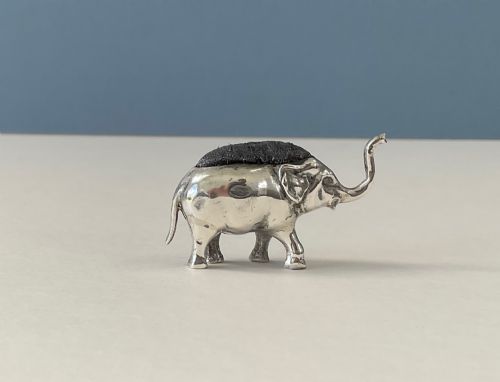
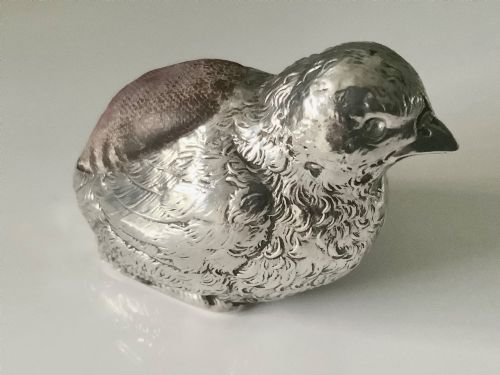
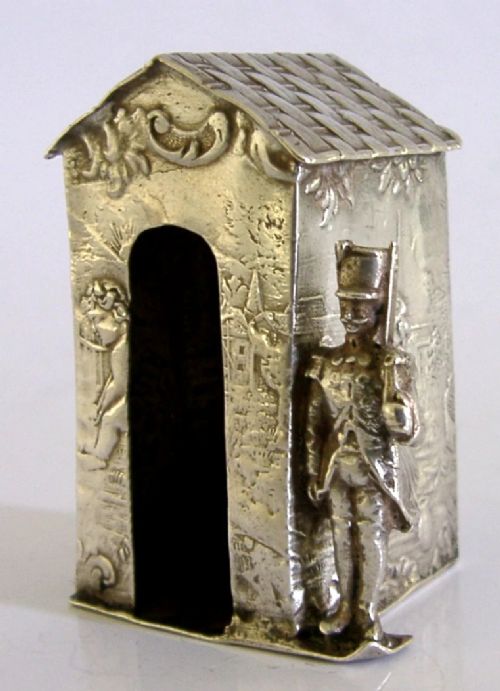
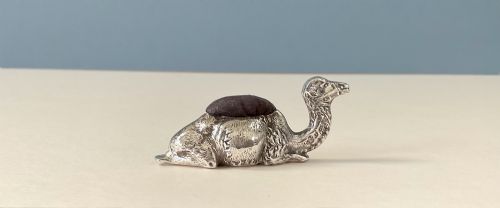
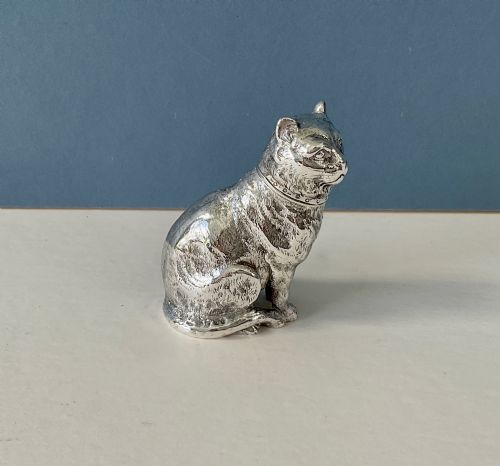
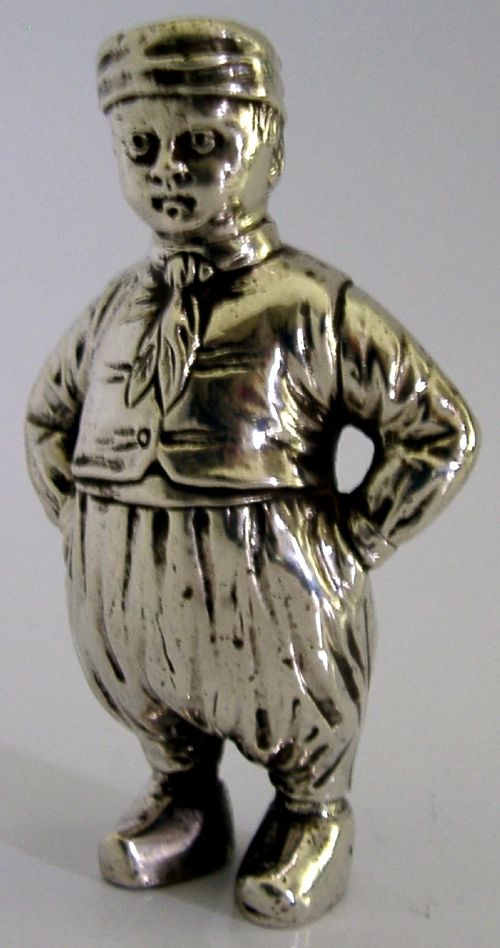
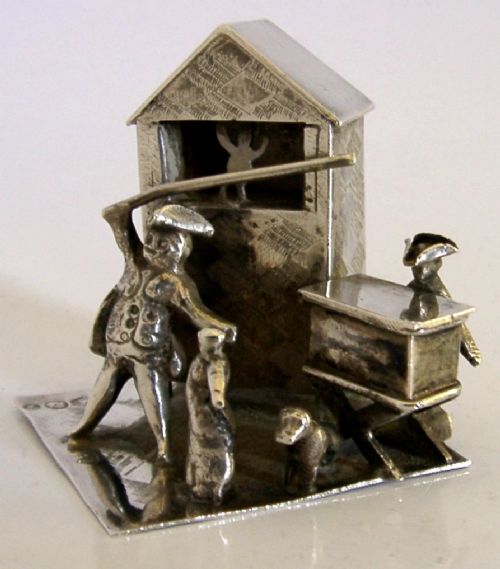
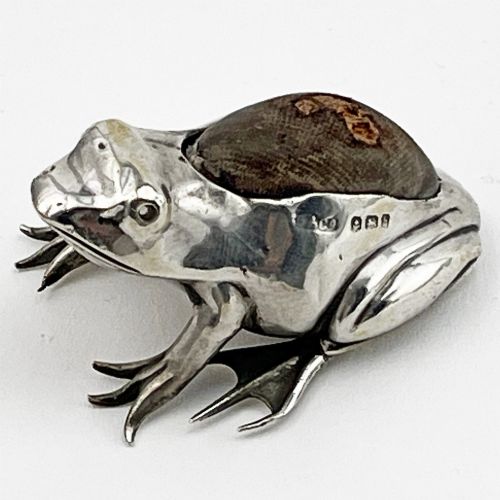
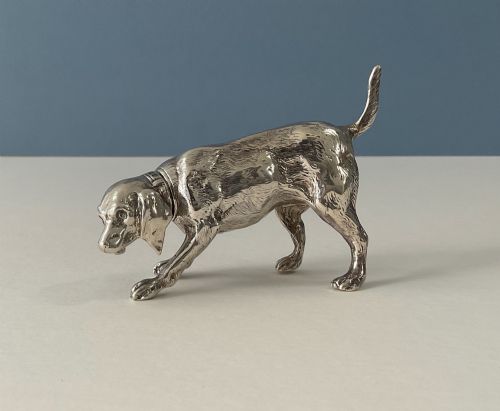
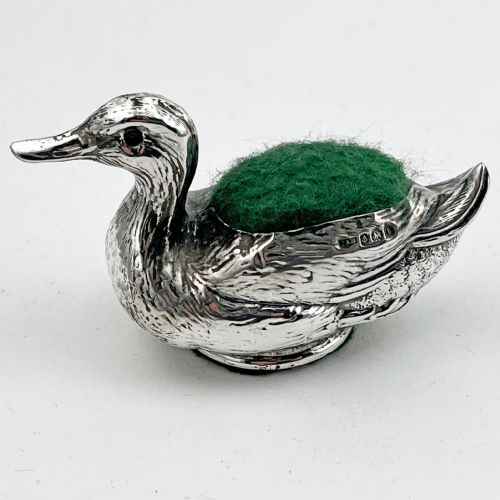
When you search for an edwardian silver figurine, you encounter small sculptural objects that served practical purposes on writing desks and dressing tables. These pieces take the form of animals, birds, and human figures designed as pin cushions, pepper pots, menu holders, and small boxes.
The selections on this page span the Edwardian period alongside Victorian and later twentieth century examples. Animal figures dominate the form, ranging from camels and cats to owls, ducks, and frogs.
Makers utilised solid silver and sterling silver alongside internal pads of velvet, felt, silk, and leather to create functional items disguised as miniature sculptures. Continental silver and English country house pieces appear alongside domestic British work.
Factors influencing quality
Quality rests upon the crispness of the casting and the naturalism of the form. Superior examples capture anatomical details and character in the animal or human subject without excessive smoothing from polishing.
The integration of function distinguishes standard production from finer work. In pin cushions and boxes, the fit of hinged lids and the preservation of the original velvet, silk, or leather lining mark the standard of survival.
Edwardian Silver Figurine Retail Price Guide 2026
Typical asking prices for edwardian silver figurine among the pieces listed under this phrase on Sellingantiques today, from the lower quarter to the upper quarter. They describe what is for sale here now, not the wider market.
Object forms span pin cushions, pepper pots, menu holders, sugar boxes, desk seals, letter openers, and miniature toy models.
Levi & Salaman·Boaz Moses·Sampson Mordan & Co.
The Edwardian Silver Figurine Glossary
- Sterling silver
- A silver alloy containing 925 parts of silver per thousand by mass. This standard material forms the body of most British novelty pieces.
- Pin cushion
- A small padded object used for holding pins. In silver work, these are typically formed as animals or figures with fabric inserts.
- Novelty silver
- Silver items shaped to resemble recognizable objects, animals, or characters rather than standard domestic vessels. These pieces combine humour with utility.
- Menu holder
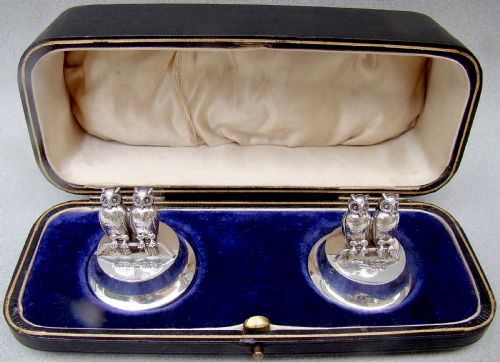
- A small desktop stand designed to hold dinner menus upright on a table. Pairs of these often take bird or animal forms.
Edwardian Silver Figurine: Frequently Asked Questions
How do I identify Edwardian pieces?
Edwardian silver dates from the reign of King Edward VII between 1901 and 1910. Hallmarks stamped onto the metal provide the exact assay office, date letter, and maker's mark.
Stylistic markers include naturalistic animal models and novelty desk items. Comparing the hallmarks against established registers confirms the production year.
Are the pin cushion pads original?
Many pieces retain their early velvet, silk, felt, or leather inserts nestled inside the silver base. Over decades of use, some pads experienced wear or replacement.
Close inspection reveals whether the fabric matches the age and wear of the surrounding silver exterior. Original materials add historical integrity to the object.
How should I clean silver figures?
Silver requires gentle cleaning with a soft cloth to preserve fine chased details and engraved textures. Liquid dips should be avoided, particularly on pieces with fabric pin cushions.
Moisture can damage internal stuffing materials like velvet and felt. Regular dusting maintains the metal surface safely.