

Edwardian Sculpture
Edwardian sculpture brings tactile character to a room through bronze studies, carved wood animals and classical busts.
Edwardian Sculpture
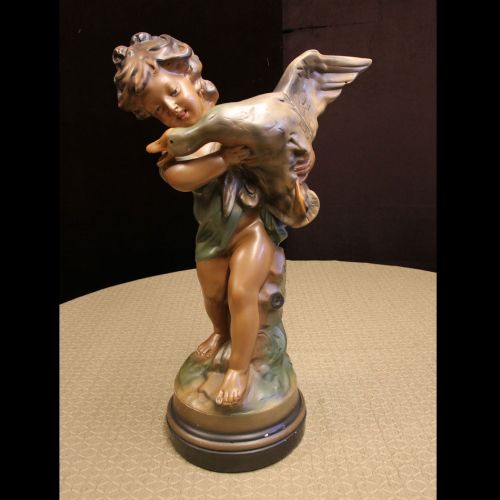
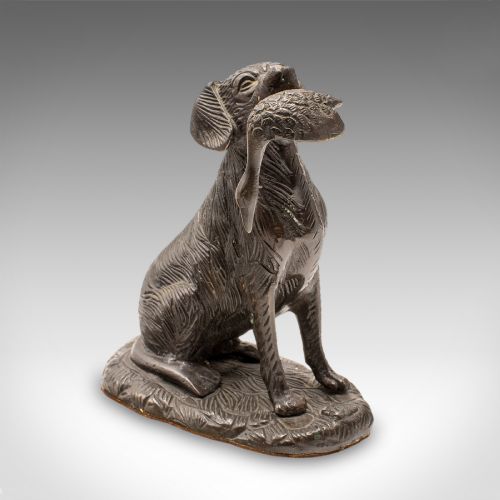
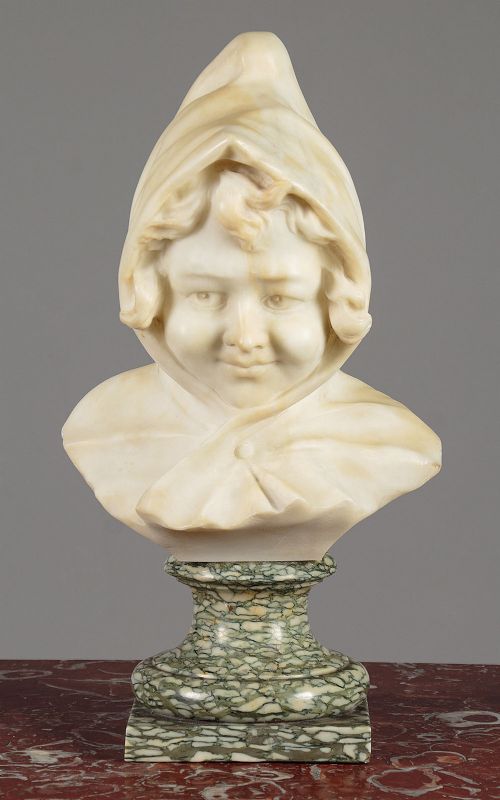
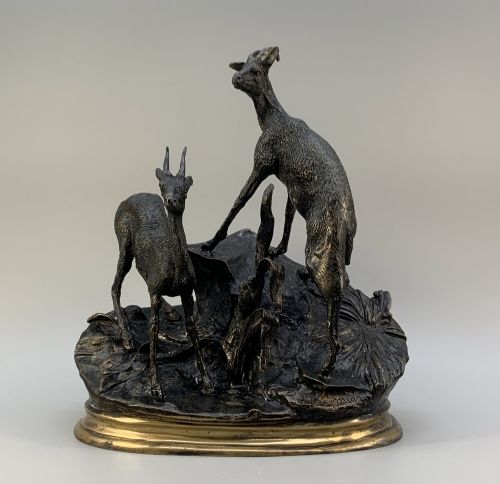
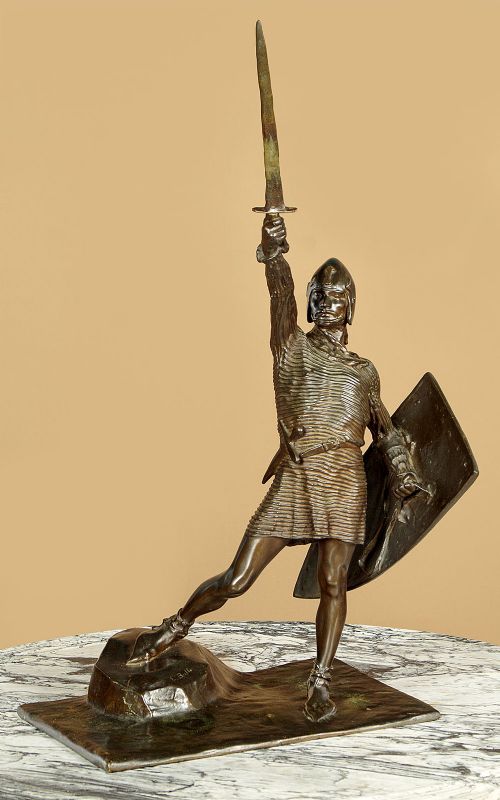
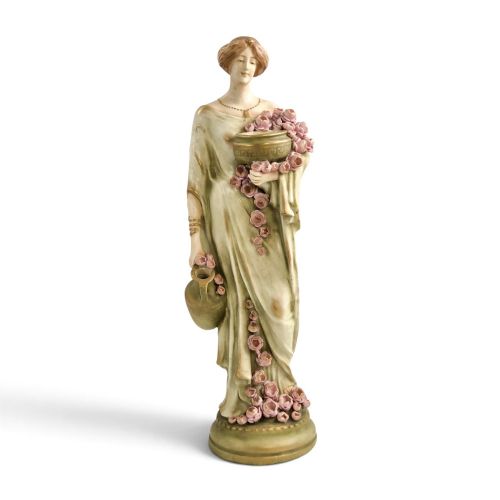
When searching for edwardian sculpture, a buyer encounters pieces shaped during the early twentieth century alongside works spanning from the nineteenth century into the nineteen-twenties. The selection encompasses bronze animal studies, carved wooden figures, and busts formed in alabaster or marble.
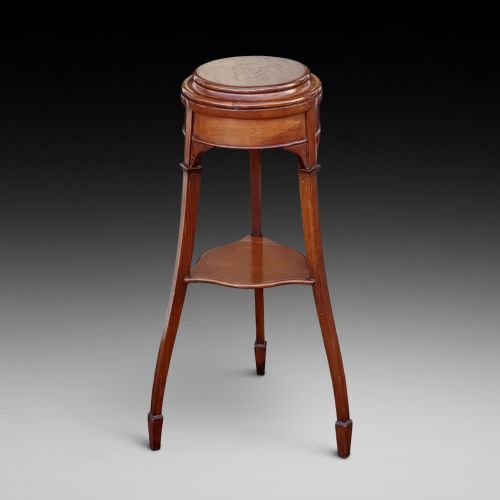
Figurines, bookends, and decorative objects dominate the forms present. Pedestals, plinths, and plant stands frequently accompany these sculptural works to elevate them within a domestic interior.
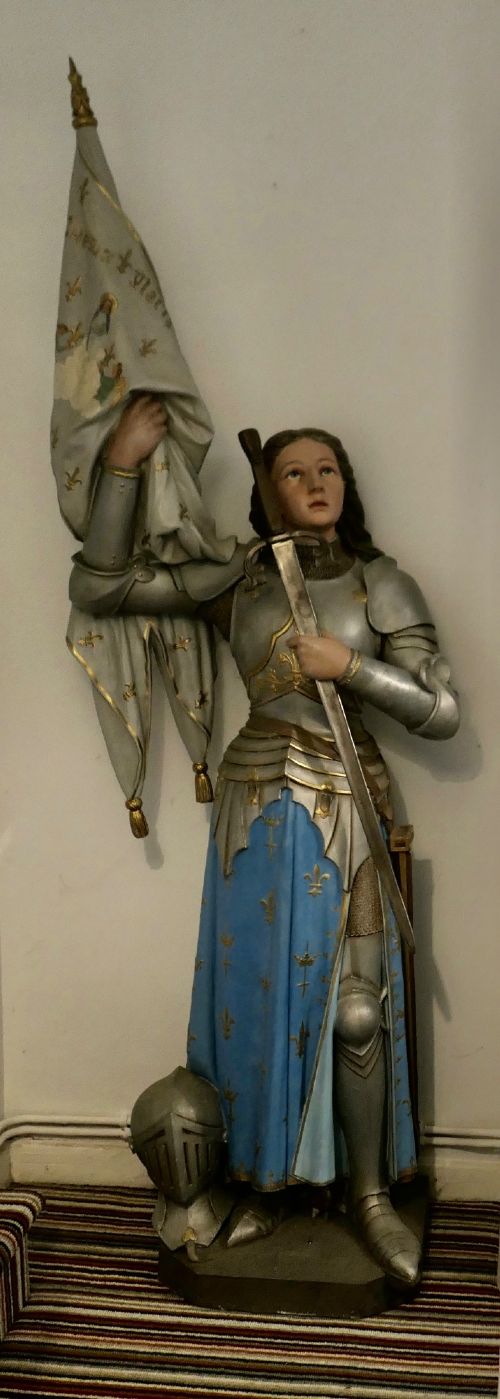
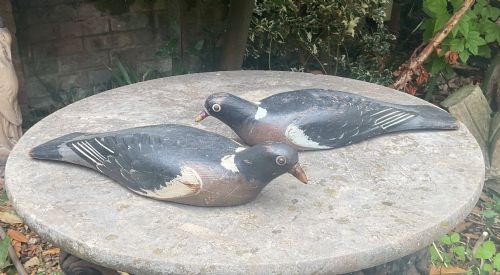
Origin points span British, French, Italian, and Oriental workshops. Pieces range from detailed portraiture to folk art decoy pigeons and devotional figures.
How they were made
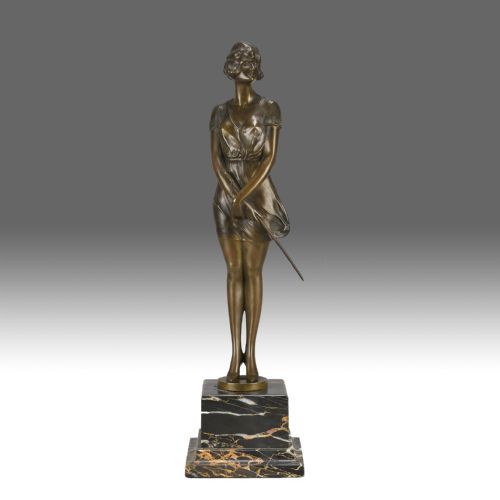
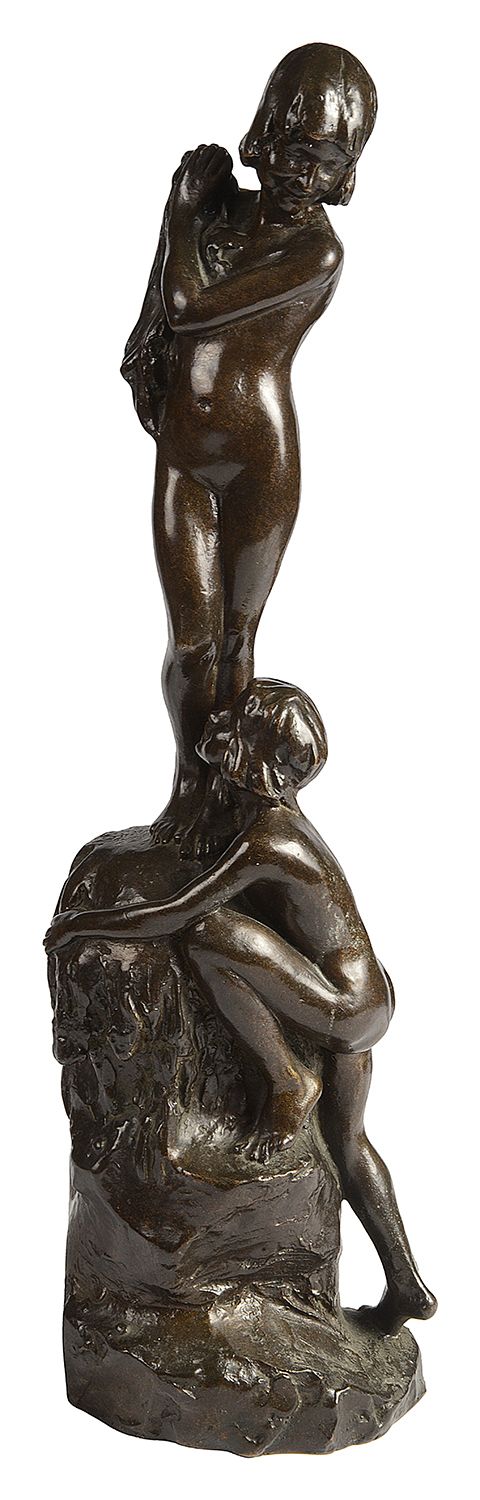
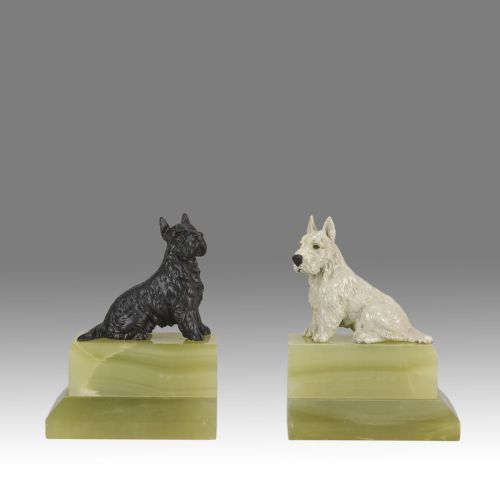
Metals such as bronze and brass undergo casting, often utilising traditional lost-wax methods to achieve fine detail in figures and bookends. Patination or gilding then finishes the metallic surface.
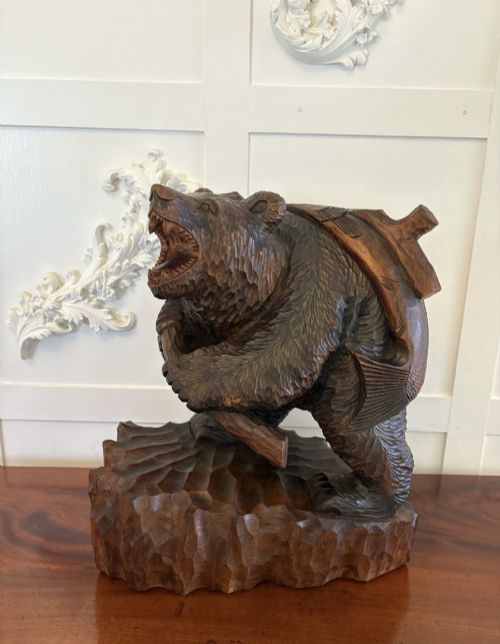
Woodcarvings in linden, fruitwood, mahogany, and oak display hand-chiselled textures, particularly evident in animal studies and figural works. Alabaster, marble, and soapstone are shaped through targeted carving and polishing.
Terracotta and ceramic pieces involve hand-sculpting and enamel decoration before firing. Paint applied to wood or plaster introduces surface colour and definition.
Edwardian Sculpture Retail Price Guide 2026
Typical asking prices for edwardian sculpture among the pieces listed under this phrase on Sellingantiques today, from the lower quarter to the upper quarter. They describe what is for sale here now, not the wider market.
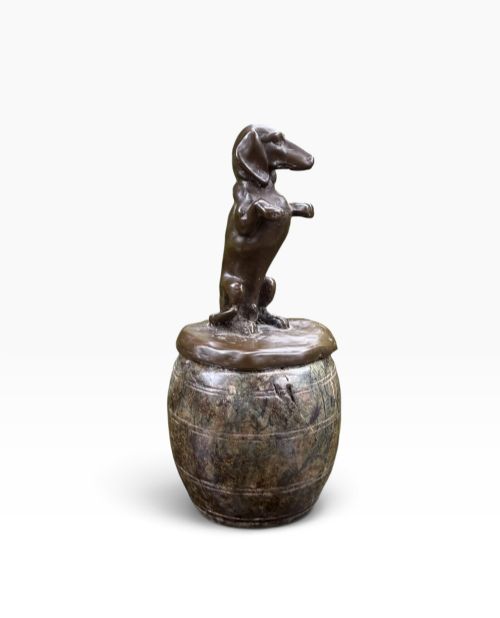
Several items capture domestic animal character, including amusing carved goldfish bookends and a poodle tobacco jar.
What varies in quality
The precision of the chisel work in carved wood or the clarity of the cast in bronze dictates the refinement of a piece. Finer examples display meticulous anatomical accuracy in animals or expressive depth in human portraiture.
Material selection alters the presence of a sculpture, with solid hardwoods, heavy marbles, and patinated bronzes holding greater visual weight than lighter plaster or painted substitutes. The integration of supporting elements like marble bases or matched pairs elevates the consistency of the grouping.
Bruno Zach·E.A. Clapp·Affortunato Gory·James Hadley·R Varnier
The Edwardian Sculpture Glossary
- Bronze
- An alloy of copper and tin widely cast for sculptural studies and decorative objects. It accepts detailed patination and endures over time.
- Alabaster
- A fine-grained, translucent stone utilised for carved busts and decorative figures. Its softness permits delicate facial modelling.
- Patina
- The surface sheen and coloration developed on metal or wood through age and handling. It indicates the natural ageing of the material.
- Plinth
- A heavy base supporting a statue, bust, or vase stand. It provides structural stability and visual elevation.
- Treen
- Small handmade wooden household objects and treen carvings. This category includes carved figures and tobacco jars from the period.
Edwardian Sculpture: Frequently Asked Questions
What materials are common in edwardian sculpture?
Bronze, carved linden wood, alabaster, and marble appear frequently across the pieces. Brass and painted wood also occur in specific utilitarian objects like bookends and decoys.
Selecting a material depends on whether a metallic finish or a softer carved stone and timber texture suits the intended space.
How were these sculptures used originally?
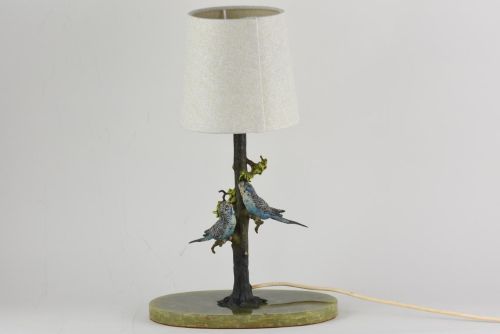
Many served as mantel ornaments, desk accessories, or architectural bookends in period homes. Others functioned as devotional figures or decorative lamp bases.
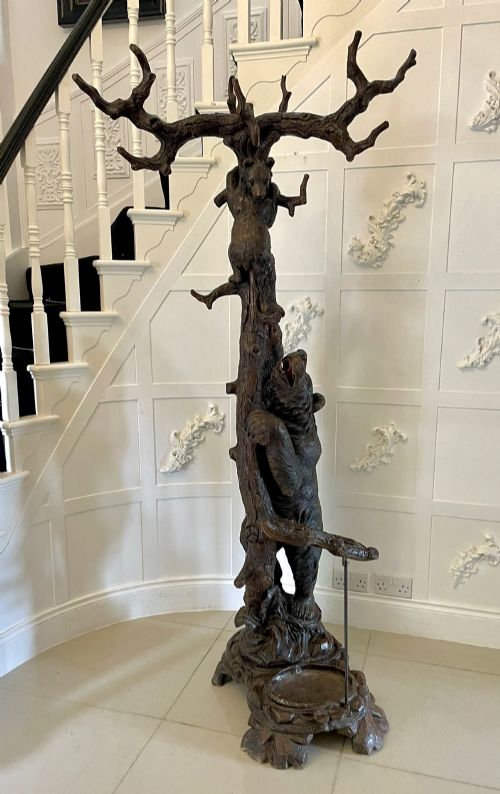
Larger items like carved wooden bears and portrait busts occupied prominent positions on tables or dedicated plant stands.
Are pedestals included with the sculptures?
Turned wooden plinths, marble top columns, and painted stands often accompany busts and larger figures. These supports were designed to display sculptural objects at eye level.
Pieces frequently list matching pairs of stands or vase supports intended for symmetrical interior placement.
How do I care for carved wooden figures?
Wooden carvings benefit from placement away from direct heat sources and strong sunlight to prevent timber splitting. Gentle dusting maintains the surface without stripping the natural finish.
Applying occasional appropriate wax preserves the grain on hardwoods like mahogany and oak.