




Edwardian Rose Gold Ring
When you handle an edwardian rose gold ring, you hold a delicate piece of history shaped by romantic design and warm metalwork.
Edwardian Rose Gold Ring
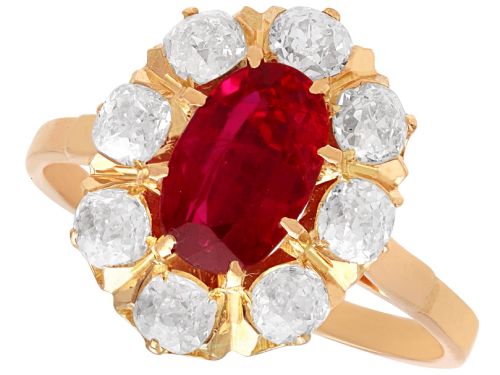
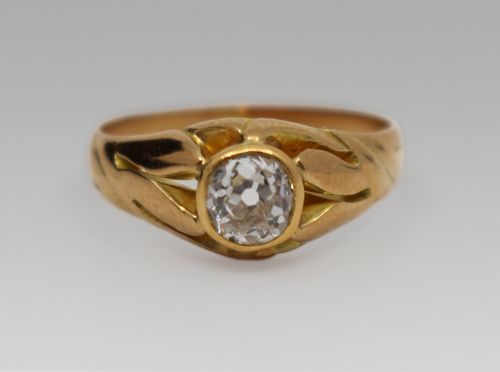
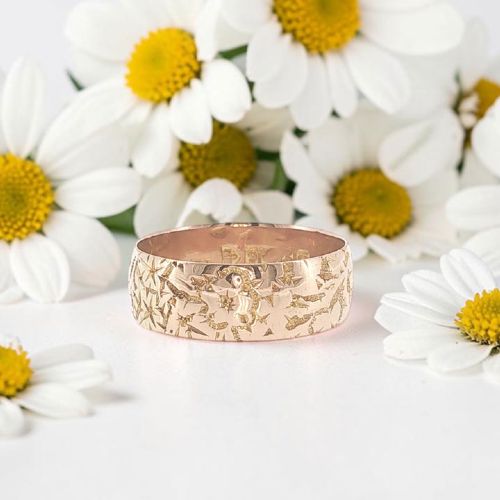
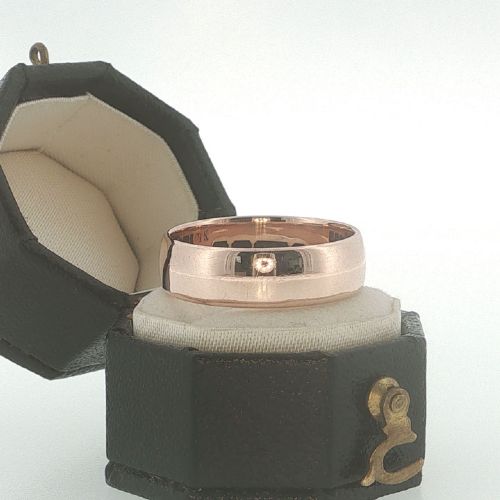
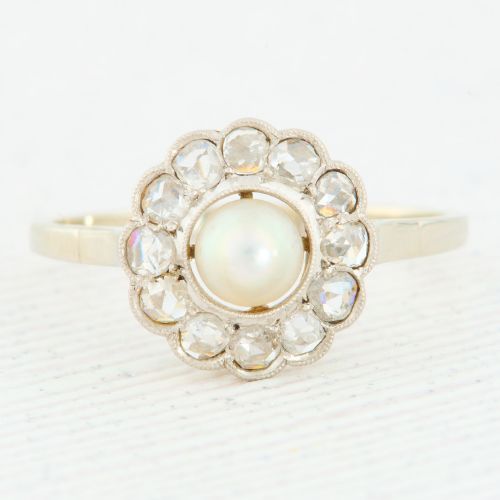
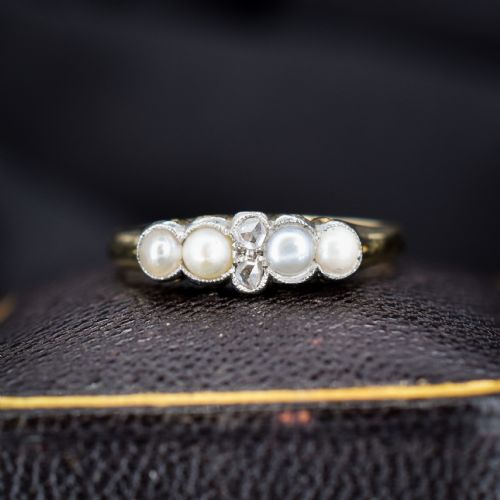
An edwardian rose gold ring brings together the distinctive warm hue of 9ct or 18ct rose gold with stones typical of the early twentieth century. You will find plain wedding bands, signet rings, and multi-stone cluster designs featuring diamonds, sapphires, and pearls.
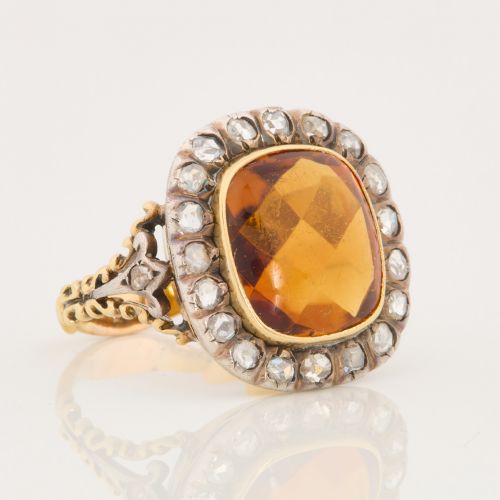
Many examples on this page date from the Edwardian period itself, alongside related pieces from the Victorian and Art Deco eras. Makers utilised settings that combined gold with platinum to highlight the stones.
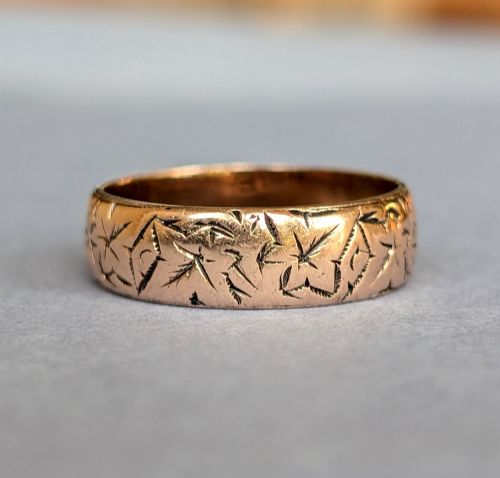
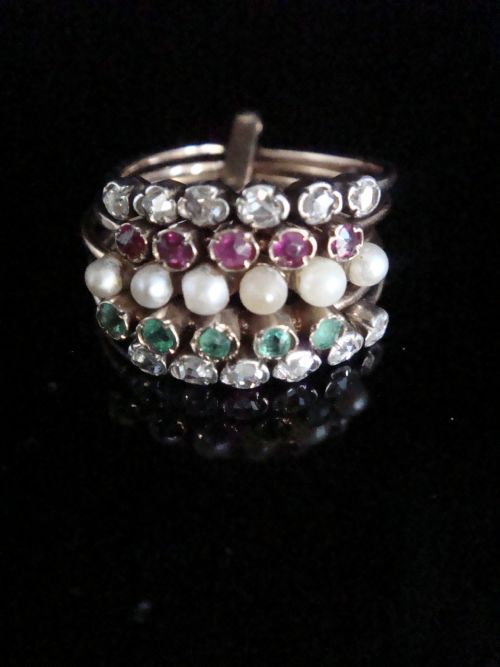
The selection ranges from delicate engraved bands to intricate multi-row stacking rings and serpent motifs with diamond eyes. These items reflect the refined craftsmanship and romantic symbolism popular over a century ago.
How they were made
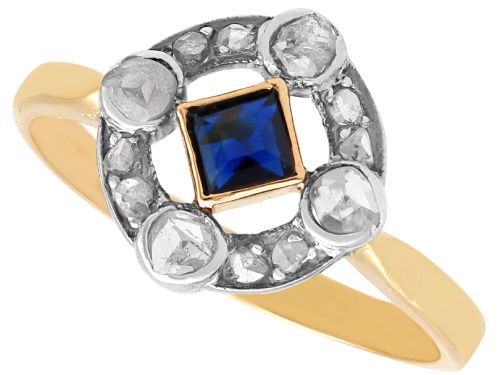
Goldsmiths worked primarily with 9ct and 18ct rose gold, often pairing the warm metal with platinum top settings to securely hold rose-cut and old mine-cut diamonds. This dual-metal technique allowed artisans to create high-contrast mountings that made white stones sparkle brightly against the rosy band.
Gemstones such as rubies, sapphires, turquoises, and natural pearls were flush-set, claw-set, or arranged in pavé clusters. Jewellers also incorporated hand-engraving, floral motifs, and detailed serpent designs into the shank and shoulders.
Edwardian Rose Gold Ring Retail Price Guide 2026
Typical asking prices for edwardian rose gold ring among the pieces listed under this phrase on Sellingantiques today, from the lower quarter to the upper quarter. They describe what is for sale here now, not the wider market.
Serpent rings with diamond eyes coil around the finger as lasting Victorian and Edwardian symbols of eternal love.
What varies in quality
The distinction between ordinary and exceptional examples lies in the crispness of the hand-engraving and the harmony of the stone arrangement. Superior rings display well-matched, lively gemstones and secure, delicate claw work that does not overpower the design.
Hallmarks and maker marks stamped clearly inside the band contribute to a piece's historical integrity. Additionally, the subtlety of the rose gold alloy tone and the proportional balance of cluster and snake motifs define the upper tier of the range.
The Edwardian Rose Gold Ring Glossary
- Rose gold
- An alloy of gold and copper creating a warm reddish-pink tint. It gained widespread popularity during the Victorian and Edwardian periods.
- Rose-cut
- A vintage diamond cut featuring a flat base and a domed crown with triangular facets. This style produces a soft, translucent glow rather than sharp brilliance.
- Cluster ring
- A ring design featuring a central gemstone surrounded by a tighter grouping of smaller stones. This format maximises visual impact and light reflection.
- Signet ring
- A solid band featuring a flat face historically used for sealing documents with wax. They often carry crests, initials, or geometric engraving.
- Hallmark
- An official stamp applied to precious metals indicating purity and origin. British pieces often show town marks and date letters.
Edwardian Rose Gold Ring: Frequently Asked Questions
How do I care for an antique gold ring?
Clean your jewellery gently using warm water and a soft brush, avoiding harsh chemical ultrasonic cleaners that can loosen delicate stones. Store antique pieces individually to prevent scratches on the softer rose gold alloy.
Take off your rings during manual labour or heavy lifting to protect fragile settings and old-cut diamonds from impact damage.
Can these rings be resized easily?
Many solid band and simple solitaire rings can be adjusted by a skilled jeweller who works with antique metals. The process requires care to match the specific rose gold alloy colour.
Complex styles like full eternity bands or heavily engraved stacking rings are much harder to alter without disrupting the continuous pattern.
Are rose-cut diamonds less sparkly than modern stones?
Rose-cut stones possess fewer facets and a flat base, creating a subtle, candlelit shimmer rather than the intense brilliance of modern brilliant cuts. They reflect light in a softer, more historical manner.
This quieter sparkle is characteristic of antique craftsmanship and contributes significantly to the charm of early twentieth-century rings.