

Edwardian Pierced Silver
Edwardian pierced silver brings together delicate openwork patterns and bright metalwork from the turn of the twentieth century.
Edwardian Pierced Silver
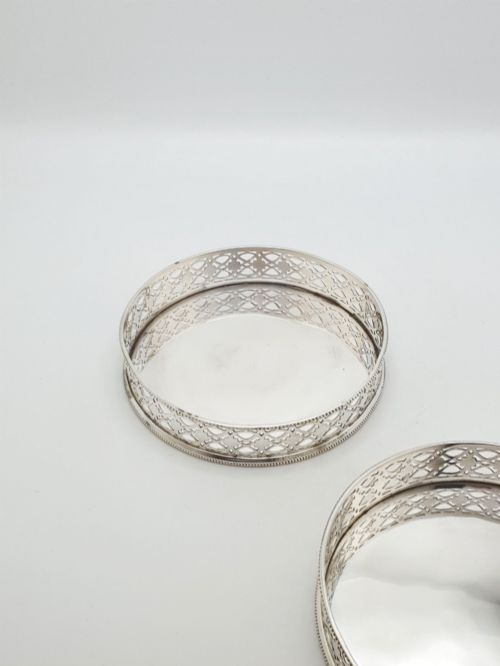
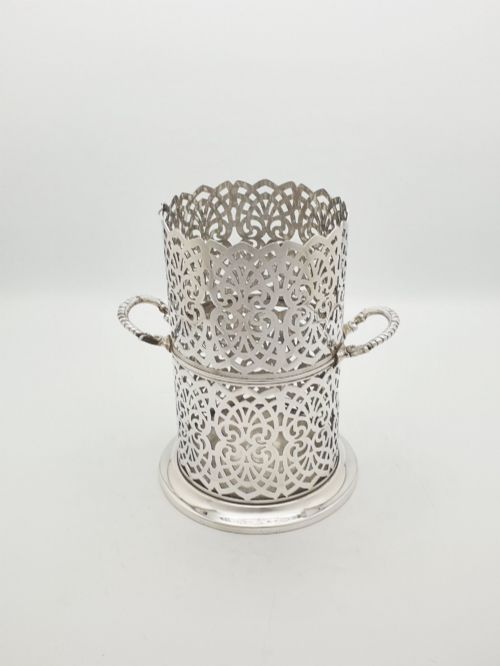
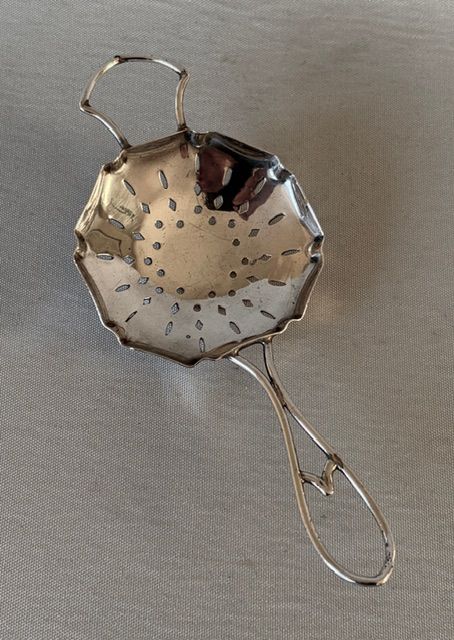
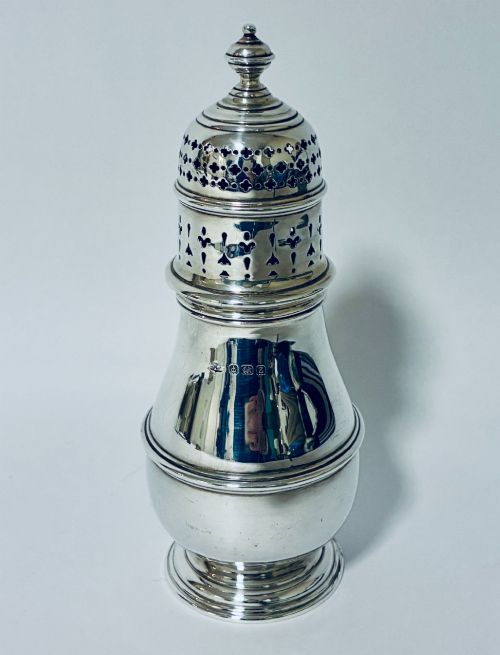
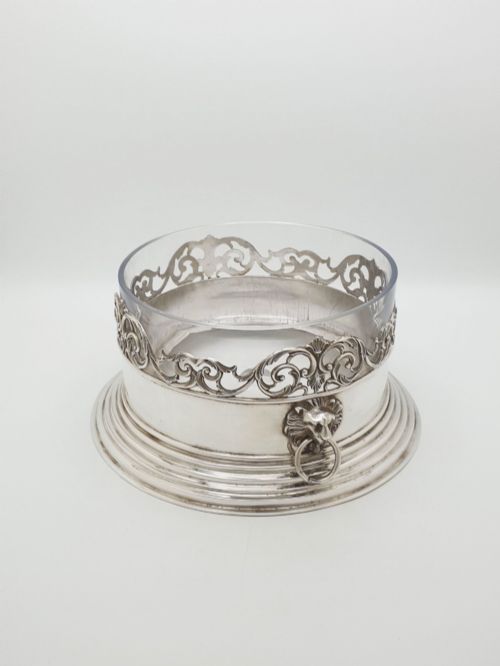
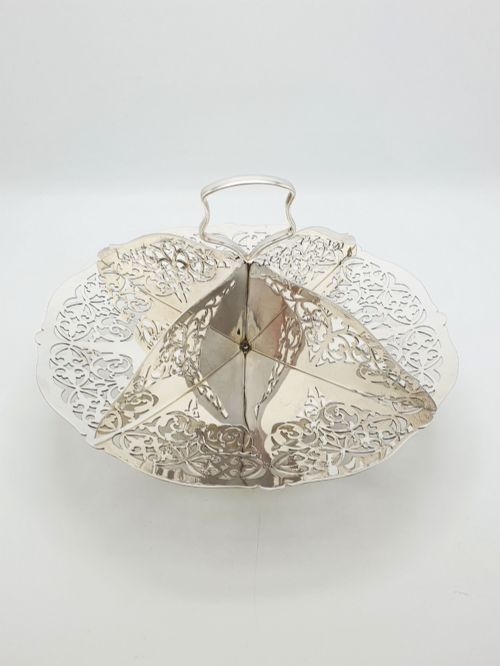
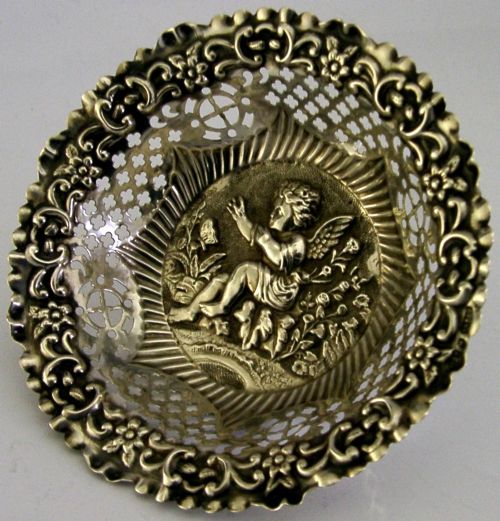
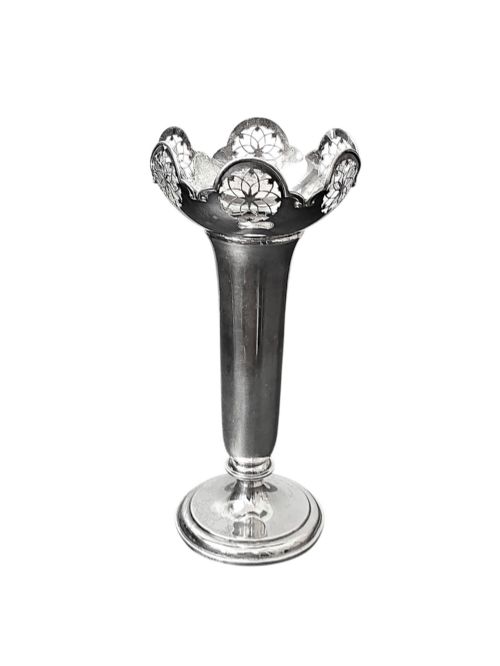
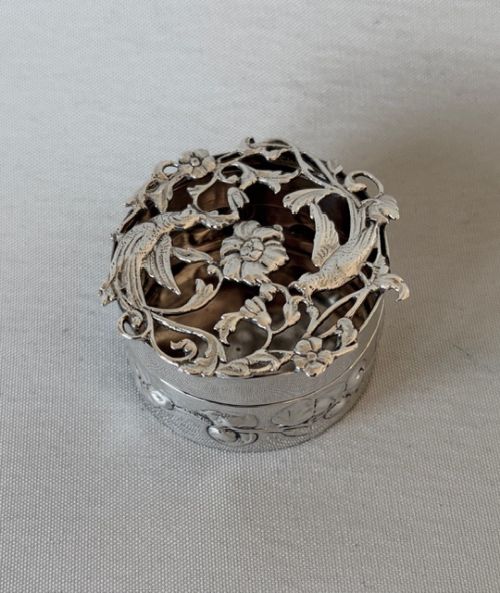
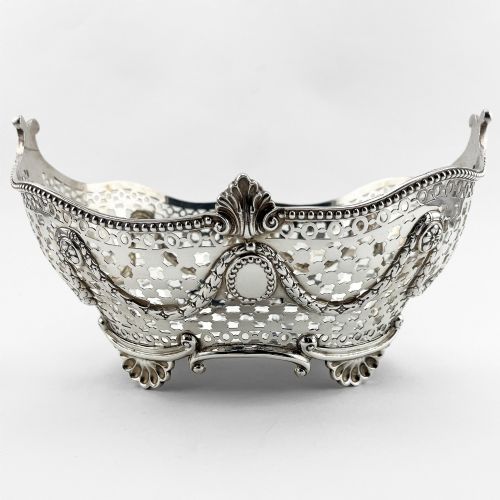
When you search for edwardian pierced silver, you encounter functional tableware and decorative items designed for dining and display. These items include sugar baskets, wine coasters, cruet sets, and serving trays produced around the Edwardian era.
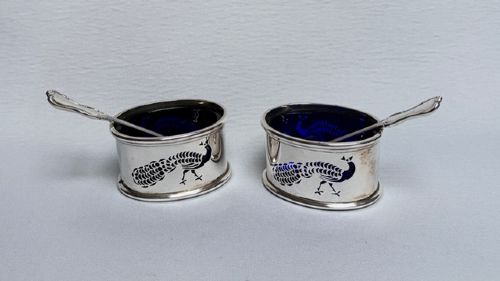
The objects frequently combine polished metal frames with coloured glass liners in cobalt or cranberry hues. Artisans created these pierced designs to lighten heavy forms while adding ornamental detail to domestic interiors.
How they were made
Silversmiths utilised sterling silver and electroplated nickel silver to form the body of each piece. Piercing required meticulous hand-sawing or punching to remove metal and create lattice patterns without weakening the structure.
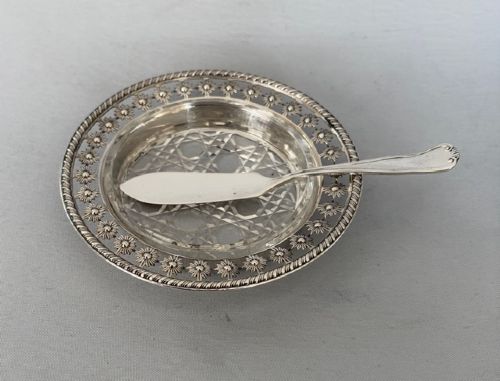
Glass liners were blown separately to fit snugly inside pierced frames, particularly for salt cellars and sugar bowls. Engraving and repoussé work frequently complemented the openwork borders on trays and baskets.
Edwardian Pierced Silver Retail Price Guide 2026
Typical asking prices for edwardian pierced silver among the pieces listed under this phrase on Sellingantiques today, from the lower quarter to the upper quarter. They describe what is for sale here now, not the wider market.
Materials recorded across the inventory include sterling silver, silver plate, cobalt glass, and cranberry glass.
What varies in quality
Quality rests upon the crispness of the piercing and the weight of the metal utilised in the construction. Superior examples maintain structural rigidity despite extensive openwork, whereas lesser pieces feel thin or pliable in the hand.
The presence of undamaged original glass liners and clear hallmarks adds distinct merit to individual items. Maker reputation and the depth of hand-engraving further separate standard production from superior artistry.
Synyer & Beddoes·Mappin & Webb·Martin Hall & Co·Hammond Turner & Sons·Thomas Bradbury & Sons·James Deakin·Alfred Marston
The Edwardian Pierced Silver Glossary
- Pierced silver
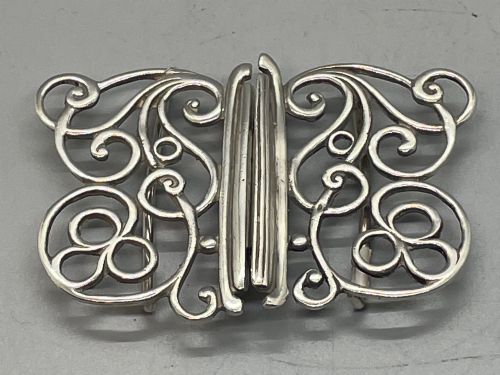
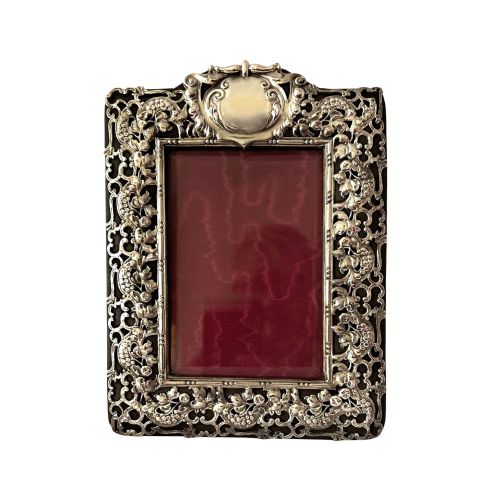
- Metalwork decorated by cutting holes or negative space through the plate to form patterns. This technique reduces weight and creates intricate lace-like designs.
- Hallmark
- Official stamps pressed into precious metal indicating the assay office, standard of purity, and year of manufacture. These marks verify the origin and authenticity of the piece.
- Electroplated nickel silver
- A base metal alloy coated with a layer of pure silver through an electrical process. This method provided an affordable alternative to solid sterling silver.
- Cruet set
- A matched group of small bottles or containers for condiments such as salt, pepper, mustard, and vinegar. They often sit within a dedicated pierced frame or stand.
Edwardian Pierced Silver: Frequently Asked Questions
What is edwardian pierced silver?
These items comprise domestic tablewares and decorative objects featuring decorative openwork designs created around the early twentieth century.
They reflect the ornamental tastes of the period, combining functional utility with intricate metal craftsmanship.
How do I clean pierced silver?
Clean these items gently using a soft cloth and specialised silver polish designed to avoid damaging the delicate openwork edges.
Take care around glass liners and remove them before applying any liquid cleaning products to the metal frame.
Were these pieces used daily?
Many of these objects served practical functions during formal dining occasions, including holding condiments, wine bottles, or sugar.
Others remained on display as decorative centrepieces or serving dishes within middle and upper-class households.
How can I date these items?
Dating relies heavily on identifying the stamped hallmarks which indicate the specific assay office and year of production.
Stylistic elements such as floral motifs and glass liner colours also help align pieces with the broader Edwardian era.